

Classroom Newsletter Ideas That Parents Actually Read and Save
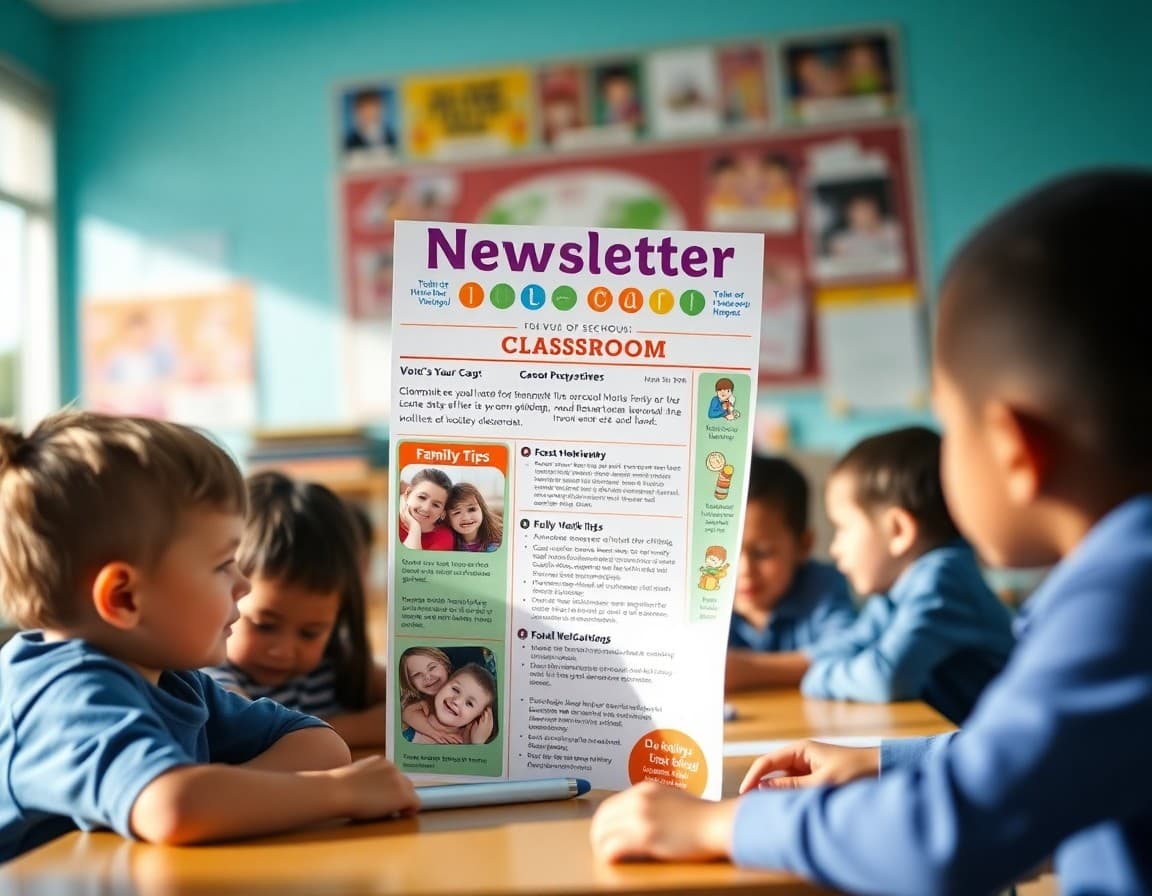
Most classroom newsletters fail not because teachers do not care about communication, but because they try to include everything. The result is a wall of text that parents scroll past. The best classroom newsletters are short, specific, and structured so families can find what they need in under two minutes.
Lead with What Students Are Learning
The single most valued piece of content in any classroom newsletter is a brief description of what students are working on this week or this month. Not the unit name from the curriculum map, but a plain-language sentence or two: "We started multiplication this week and students are getting comfortable with arrays and repeated addition." This gives families something real to ask their child about at dinner.
One or Two Family Support Tips
Parents want to help but often do not know how. A specific, simple suggestion in each newsletter goes a long way: "Ask your child to explain the difference between fiction and nonfiction tonight" or "Practice counting by fives this weekend with change from your wallet." Keep it to one or two tips and make them genuinely doable for busy families.
A Human Moment from the Classroom
A brief anecdote from the week, a student quote, or a description of something that made the class laugh or think hard makes the newsletter feel personal and worth reading. This does not need to be long: two sentences is enough. It reminds parents that their child is in a real classroom with a real teacher who notices what is happening.
Upcoming Dates and What to Prepare
A clean list of upcoming dates, what is needed for each event, and any preparation families should do is genuinely useful. The key word is useful: do not list every date on the school calendar. List the ones that require something from families, with a clear note about what that something is.
Request the Minimum
When families need to bring something, sign something, or respond to something, say it clearly and once. Do not bury a supply request in the middle of a paragraph. Put it in a callout box, bold it, or list it at the top. Families are busy and newsletters are competing with a hundred other things for their attention.
Keep a Running Notes File
The hardest part of a classroom newsletter is starting from a blank page each time. The easiest fix is a running notes file that you add to throughout the week. When something interesting happens in class, jot it down. When a date is confirmed, add it to the file. When newsletter day comes, you are editing and assembling rather than trying to remember what happened two weeks ago.
Use a Tool That Does the Visual Work
Formatting a newsletter in a word processor or plain email is time-consuming and produces results that look unprofessional on mobile devices. Daystage is built specifically for school newsletters and handles the visual layout, photo placement, and parent distribution automatically. Teachers who use it consistently report spending under 20 minutes on each issue rather than an hour or more, and parents respond with higher engagement because the newsletter actually looks worth reading.
Get one newsletter idea every week.
Free. For teachers. No spam.
Frequently asked questions
What should be in a classroom newsletter?
A strong classroom newsletter typically includes what students are currently learning, upcoming dates and events, one or two ways families can support learning at home, and a brief highlight of something that happened in the classroom recently. Five to seven items is usually enough.
How often should teachers send a classroom newsletter?
Weekly works well during busy periods but can be hard to sustain. Biweekly is the most common cadence that balances keeping families informed with being manageable for teachers. Monthly is the minimum for maintaining a meaningful connection.
What format works best for classroom newsletters?
Digital newsletters with clear sections, light visuals, and a mobile-friendly layout outperform both long emails and printed flyers. Families are most likely to read something that takes under three minutes and displays well on a phone.
How do you make a classroom newsletter engaging without spending hours on it?
Keep a notes file during the week where you jot curriculum topics, student moments, and upcoming dates. When newsletter day comes, you are assembling rather than creating from scratch. A tool like Daystage handles the design so you can focus on content.
What tool works best for classroom newsletters?
Daystage is designed for teacher-to-family communication. It handles the visual layout, photo insertion, and parent distribution so teachers can produce a professional newsletter in under 20 minutes. Many teachers use it to replace disorganized email chains with something families actually look forward to.

Adi Ackerman
Author
Adi Ackerman is a former classroom teacher and curriculum writer with 8 years in K-8 schools. She writes about school communication, parent engagement, and what actually works in real classrooms.
More for Professional Development
Teacher Newsletter for Parent Engagement: What Actually Works
Professional Development · 6 min read
September School Newsletter Template for Teachers
Professional Development · 5 min read
Family Engagement PD Newsletter: Building Teacher Skills for Meaningful Partnerships With Families
Professional Development · 5 min read
Ready to send your first newsletter?
3 newsletters free. No credit card. First one ready in under 5 minutes.
Get started free