Blog /
Health & Wellness
School health communication: illness policies, mental health, nutrition, and student wellness
Health and wellness communication sits at the intersection of medical information, school policy, and family anxiety. The articles here cover the full range: communicating illness outbreaks without causing panic, explaining medication administration policies to parents unfamiliar with school health procedures, addressing student mental health in a way that helps families access support, and sending nutrition and wellness information that families actually use. There are also guides for communicating about topics that are sensitive but cannot be avoided: lice, communicable disease exposure, substance use prevention, and the school's response to a student mental health crisis.

Suicide Prevention Newsletter: How Schools Can Communicate With Families Safely and Effectively
A guide for school counselors and principals on writing suicide prevention newsletters that inform families, reduce risk, and follow safe messaging guidelines.

Teen Suicide Prevention Newsletter: Resources for Families
How school counselors can write teen suicide prevention newsletters that help families recognize warning signs, start conversations, and connect to immediate support resources.

Tobacco Prevention Newsletter: Protecting Student Health
How school health educators can write tobacco prevention newsletters that give families accurate information about tobacco products, help recognize use, and connect students to cessation resources.

Teenage Vaping Prevention Newsletter: What Schools Should Tell Families
How to write a school newsletter about teenage vaping that gives families accurate information, specific warning signs, and practical conversations to have before vaping starts.
Vaping Prevention Newsletter: Talking to Your Student at Home
How school counselors can write vaping prevention newsletters that give families accurate information about e-cigarettes, help parents recognize the signs of vaping, and guide productive home conversations.

Whole Child Wellness Newsletter: Communicating a Comprehensive Approach to Student Health
How school principals and counselors can communicate a whole-child wellness approach to families in a way that is coherent, inspiring, and practically useful.

Social Emotional Health Newsletter: The Whole Child at School
How teachers and counselors can write social-emotional learning newsletters that explain SEL programs, describe what students are practicing, and show families how to reinforce these skills at home.

Sports Injury Prevention Newsletter: What Schools Should Tell Athletic Families
How to write a school sports injury prevention newsletter that gives families practical safety information, covers warmup and overuse injury basics, and sets clear protocols for when to report injuries.

Student Body Image Newsletter: How Schools Can Support Positive Body Image at Home and School
How to write a school newsletter about student body image that gives families practical guidance, addresses social media pressures, and supports the school's wellness approach.

Student Mental Health Awareness Newsletter: What to Communicate and When
How to write a student mental health awareness newsletter that reduces stigma, informs families about available support, and encourages early help-seeking.

Student Wellness Check Newsletter: How School Supports Students
How school counselors can write student wellness check newsletters that explain the program, describe what a check-in involves, and show families how the school monitors student wellbeing.

Substance Abuse Prevention Newsletter for School Families
How school counselors can write substance abuse prevention newsletters that give families accurate information, practical conversation starters, and community support resources.

School Yoga and Wellness Program Newsletter: Communicating Benefits to Families
How to write a school yoga and wellness program newsletter that builds family support, addresses concerns, and extends the program's impact beyond school hours.

Scoliosis Screening Newsletter: What Parents Need to Know
How school nurses can write scoliosis screening newsletters that explain the screening process, reduce family anxiety, and help parents understand what to do if a follow-up is recommended.
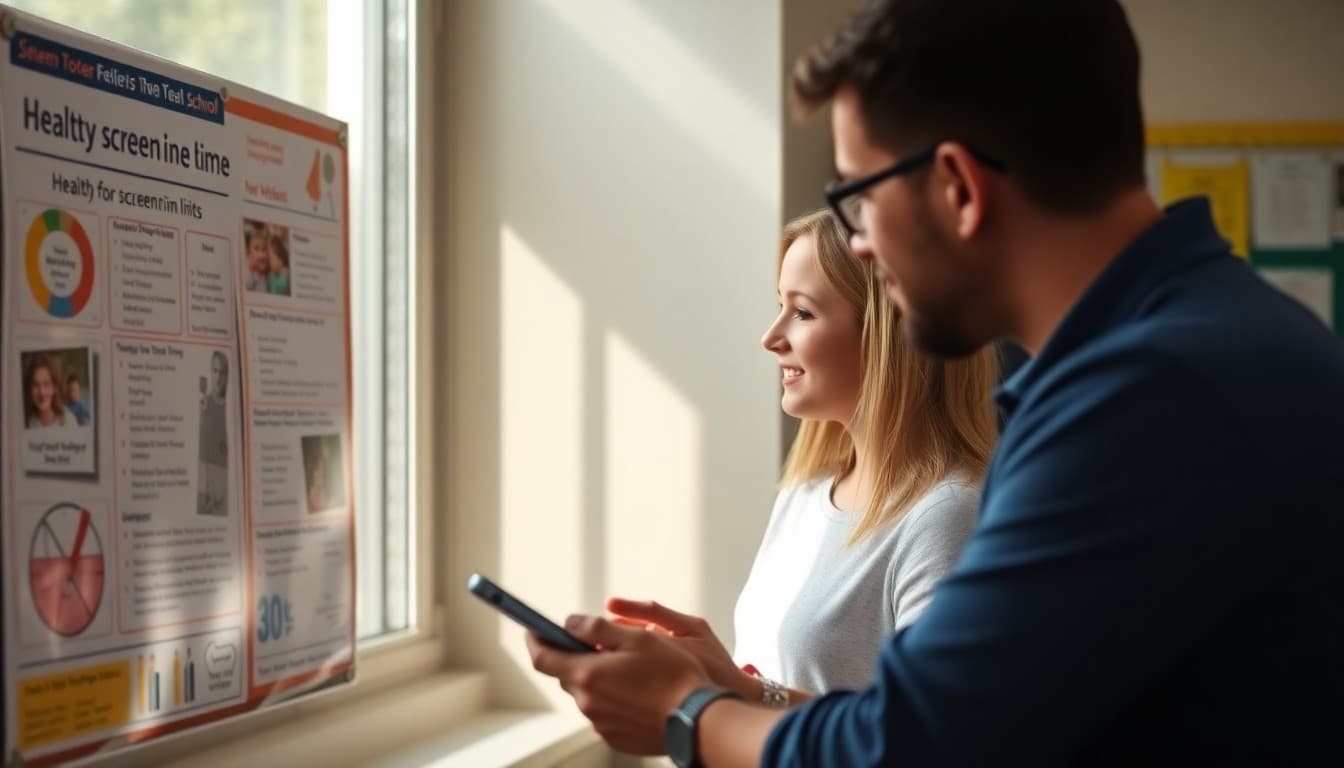
Screen Time and Health Newsletter for School Families
Send a screen time health newsletter that gives school families age-based guidelines, practical limits, and health-focused strategies for managing device use at home.

Self-Harm Awareness Newsletter: A Guide for Schools Communicating With Families
How school counselors can write a self-harm awareness newsletter that supports families, reduces stigma, and connects students to appropriate help without increasing risk.
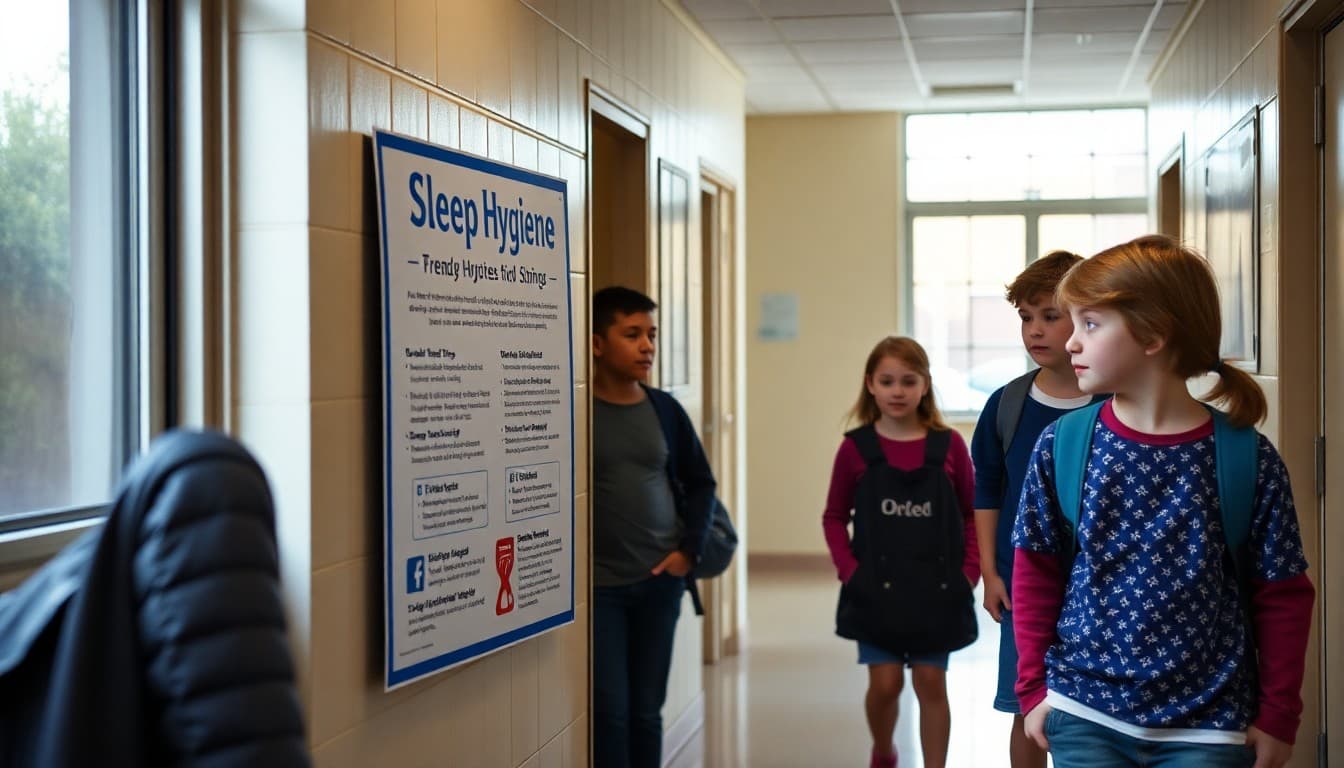
Sleep Health Newsletter: Why Rest Matters for Learning
Send a sleep health school newsletter that explains sleep needs by age, shares practical bedtime tips for families, and connects rest to student academic performance.

School Teen Pregnancy Awareness Newsletter: Supporting Students and Communicating Available Resources
How schools communicate with families about teen pregnancy awareness, available support resources for pregnant students and student parents, and how the school maintains educational continuity and a supportive environment for all students.

School Transgender Health Support Newsletter: How Schools Communicate Inclusive Health Policies to Families
How schools communicate health-related support policies for transgender and gender-diverse students to families, covering privacy protections, access to mental health services, how the school handles name and pronoun use, and how families can be partners in supporting all students.

School Vision Health Newsletter: What Families Need to Know About Student Eye Health
How school nurses can write a vision health newsletter that motivates families to follow up on screenings, explains the link between vision and learning, and connects families to affordable vision care.
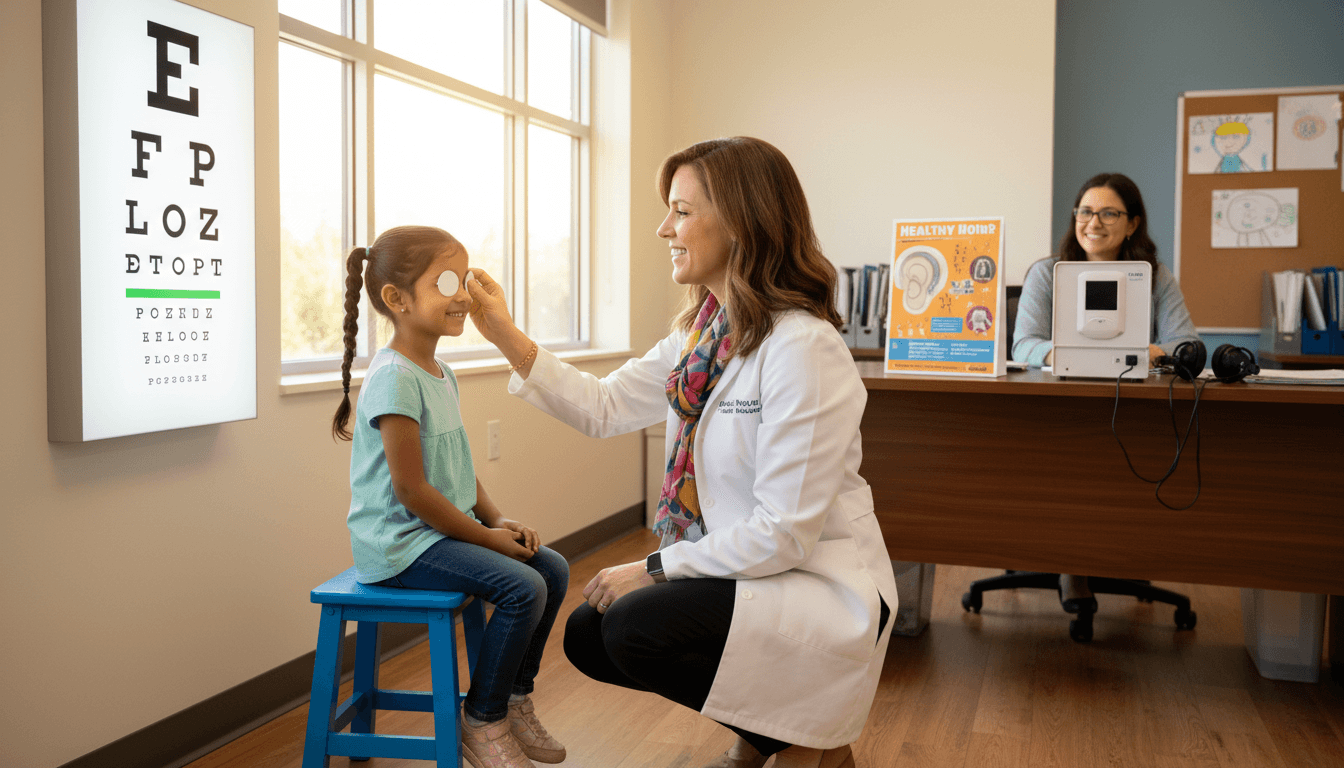
Vision and Hearing Screening Newsletter: How to Communicate Results and Next Steps
How to communicate school vision and hearing screenings to families: what to send before, how to deliver results without alarm, and what follow-up steps look like.

School Wellness Policy Newsletter: How to Communicate Your Policy to Families
How to write a school wellness policy newsletter that parents actually read, understand, and support. Includes structure, timing, and common pitfalls to avoid.
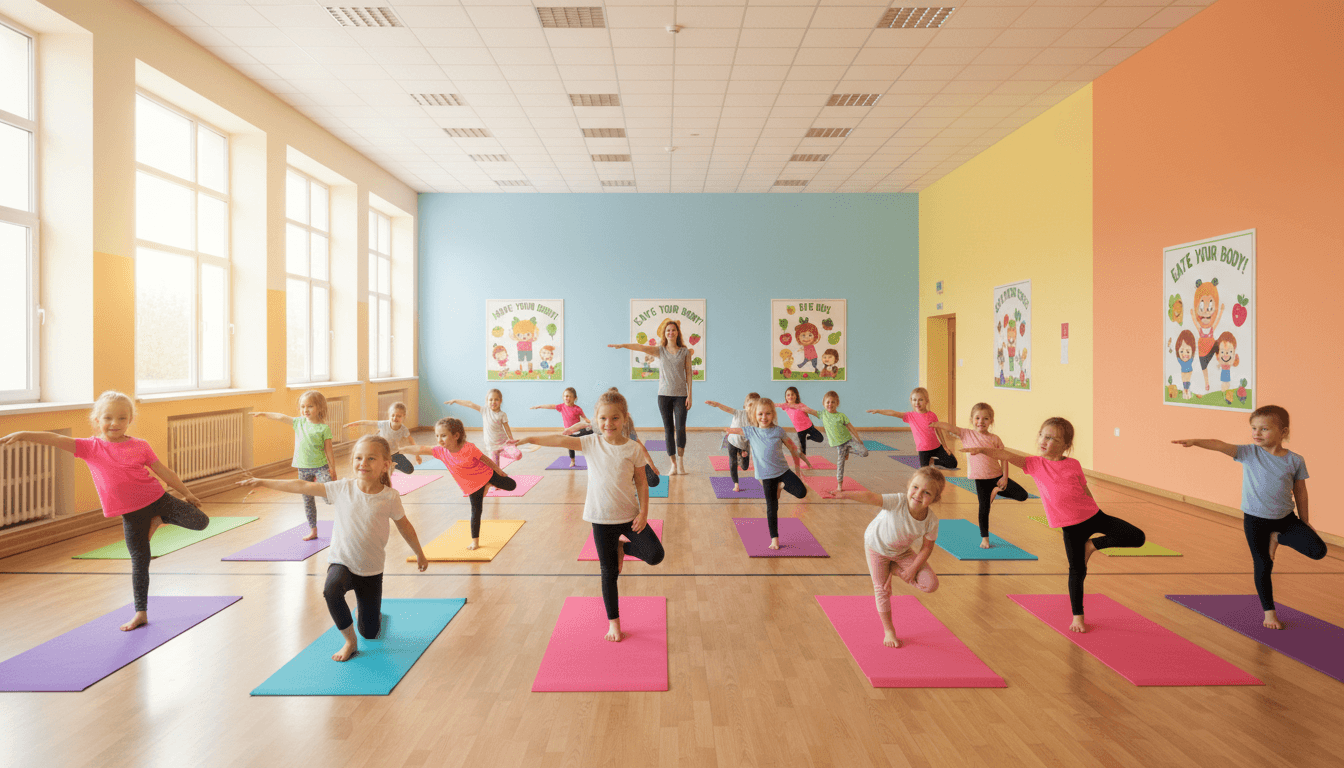
School Wellness Program Newsletter: Communicating Health Initiatives That Build Family Buy-In
How to use the school newsletter to communicate wellness programs, generate family participation, and connect nutrition, activity, sleep, and SEL into a coherent message families will support.

Student Health Insurance Information Newsletter: What Schools Can Share With Families
How school nurses and social workers can use newsletters to connect uninsured families to CHIP, Medicaid, and marketplace coverage options without overstepping the school's role.

School Substance Abuse Awareness Newsletter: What Schools Should Communicate to Families
How school counselors and nurses can write substance abuse awareness newsletters that give families accurate information, prevention strategies, and resources without being alarmist or preachy.

School Substance Prevention Newsletter: How to Communicate Prevention Programs to Families
How to communicate substance prevention curriculum to families without alarming parents of young children, what today's programs actually teach, and how to frame conversations at home by grade level.

School Substance Use Disorder Resources Newsletter: Supporting Families Navigating a Difficult Topic
How schools communicate with families about substance use disorder resources, covering warning signs in adolescents, how to access community support, what the school counselor can do, and how schools support students whose family members are in recovery.
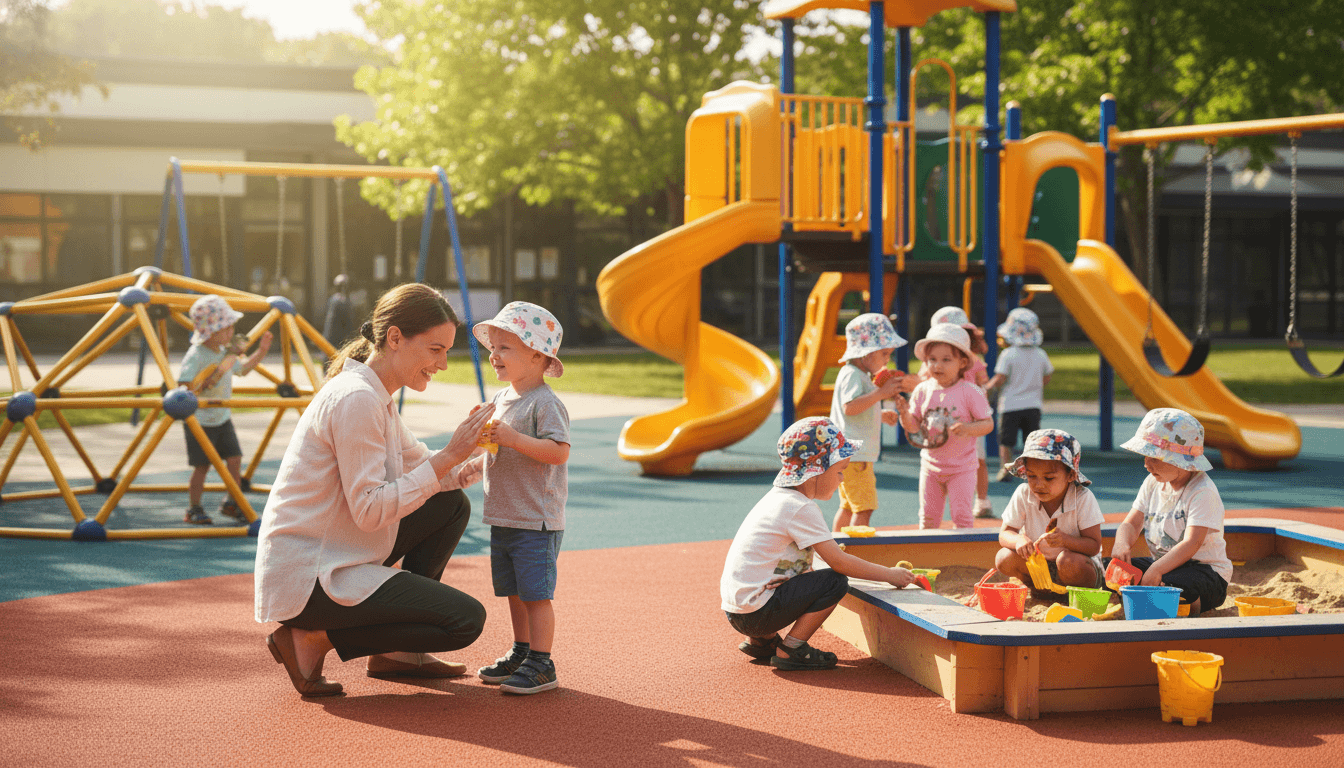
Sun Safety School Newsletter: Communicating Outdoor Protection Policies to Families
How to communicate school sun safety policies to families: sunscreen application rules, hat and shade policies, heat advisory protocols, and what to pack for outdoor events.

School Physical Activity Newsletter: Communicating PE, Recess, and Active Learning
How to communicate physical activity programs to families: PE curriculum updates, recess policies, active classroom concepts, family activity challenges, and equipment reminders.

School Physical Activity Update Newsletter: Communicating Movement Programs to Families
How to write a school physical activity newsletter that connects physical movement to academic outcomes, describes the school's activity program clearly, and encourages families to extend movement at home.

Sickle Cell Disease at School Newsletter: What Families and Educators Need to Know
How schools communicate about supporting students with sickle cell disease, covering pain crisis recognition, hydration needs, physical activity accommodations, and how teachers can support a student who misses school frequently due to their condition.

School Sleep Health Newsletter: What Families Need to Know About Student Sleep
How to write a school newsletter about student sleep health that gives families specific, actionable guidance grounded in what actually affects adolescent sleep.

School Sleep Newsletter: How to Talk to Families About the Sleep Crisis in Kids
How schools can communicate student sleep deprivation data, share age-appropriate bedtime guidelines, and address screen time without blaming parents in the school newsletter.

Student Stress and Anxiety Newsletter: Communicating Support to Families
How to write a school newsletter about student stress and anxiety that gives families practical guidance, reduces panic, and connects them to available support.

School Newsletter for National Physical Fitness Month: Ideas and Template
A practical guide and template for a National Physical Fitness Month newsletter that promotes student health, previews PE activities, and gives families concrete fitness habits to build at home.

School Newsletter: Mobile Vision Unit Coming to School
How to write a school newsletter announcing a mobile vision unit. Templates for communicating free eye exams, sign-up process, and what families should know.

School Nutrition Newsletter: Communicating Healthy Eating Programs to Families
How to communicate school nutrition programs, free and reduced lunch enrollment, food insecurity resources, and healthy snack policies in newsletters that reach every family.

School Nutrition Update Newsletter: Communicating Lunch Programs and Food Policy to Families
How school nutrition directors and principals can write newsletters about the lunch program, food policy updates, and nutrition education in a way families find useful rather than preachy.

School Opioid and Naloxone Policy Newsletter: What Families Need to Know
How schools communicate their opioid overdose response policies and naloxone availability to families, covering what naloxone is, when and how it is used at school, and how the school's response fits into the broader opioid awareness effort.

School Period and Puberty Policy Newsletter: What Families Need to Know About Student Support
How schools communicate menstrual health and puberty support policies to families, covering product access, privacy protections, how students can get help discreetly, and what families can do to prepare their children.

Head Lice School Communication: How to Notify Parents Without Causing Panic
How to write a school lice notification that protects student privacy, corrects common myths, communicates treatment steps clearly, and avoids triggering alarm.

School Mental Health Newsletter: How to Communicate Support Resources to Families
How to communicate mental health resources to families without stigma, when to send, and what parents actually need to know about school counseling.

School Mental Health Resources Newsletter: Connecting Families to Support That Actually Works
How to write a school mental health resources newsletter that gives families specific, accurate information about school and community support options rather than a list they will never use.
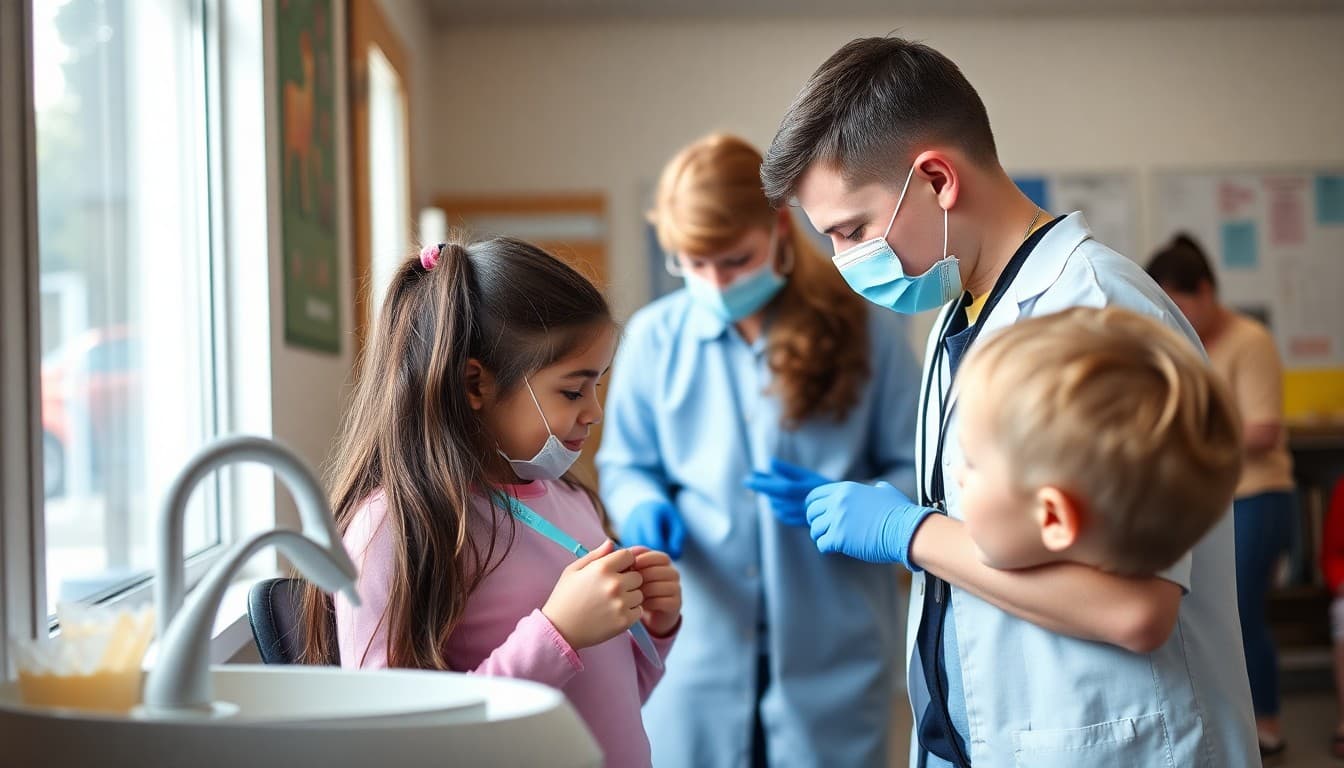
School Newsletter: Free Dental Clinic at Our School
How to write a school newsletter announcing a free dental clinic. Templates for communicating eligibility, sign-up details, and what students can expect.

School Newsletter: New Student With Severe Food Allergy
How to write a school newsletter about a new student with a severe food allergy. Templates for communicating safety protocols while protecting student privacy.

School Health Fair Newsletter: How to Promote, Prepare, and Follow Up
How to write school health fair newsletters that drive attendance, set clear expectations for families, and capture engagement after the event closes.

School Health Policy Update Newsletter: How to Communicate Policy Changes Clearly
How school nurses and administrators can write health policy update newsletters that explain changes clearly, address family concerns proactively, and maintain community trust.

School Health and Mental Wellness Newsletter: A Combined Approach for Busy Schools
How smaller schools and resource-constrained health teams can write a combined health and mental wellness newsletter that covers both physical and emotional health efficiently.
Common questions
How should a school communicate about an illness outbreak?
Be specific without causing alarm. Name the illness, describe the symptoms families should watch for, state what the school is doing, and tell families when to keep their child home. Vague communications about monitoring a health situation generate more anxiety than specific ones.
What should a school include in a mental health newsletter?
Start by normalizing the topic. Name the specific support the school offers. Include one action families can take today: a conversation starter, a resource link, a symptom checklist. Mental health newsletters that are all statistics and no action get filed and ignored.
How do I communicate about medication at school?
State the policy clearly: which medications require a doctor's note, how they are stored, who administers them, and what happens if a dose is missed. Families who have not navigated this before need specific procedures, not general reassurance.