

School Physical Activity Newsletter: Communicating PE, Recess, and Active Learning
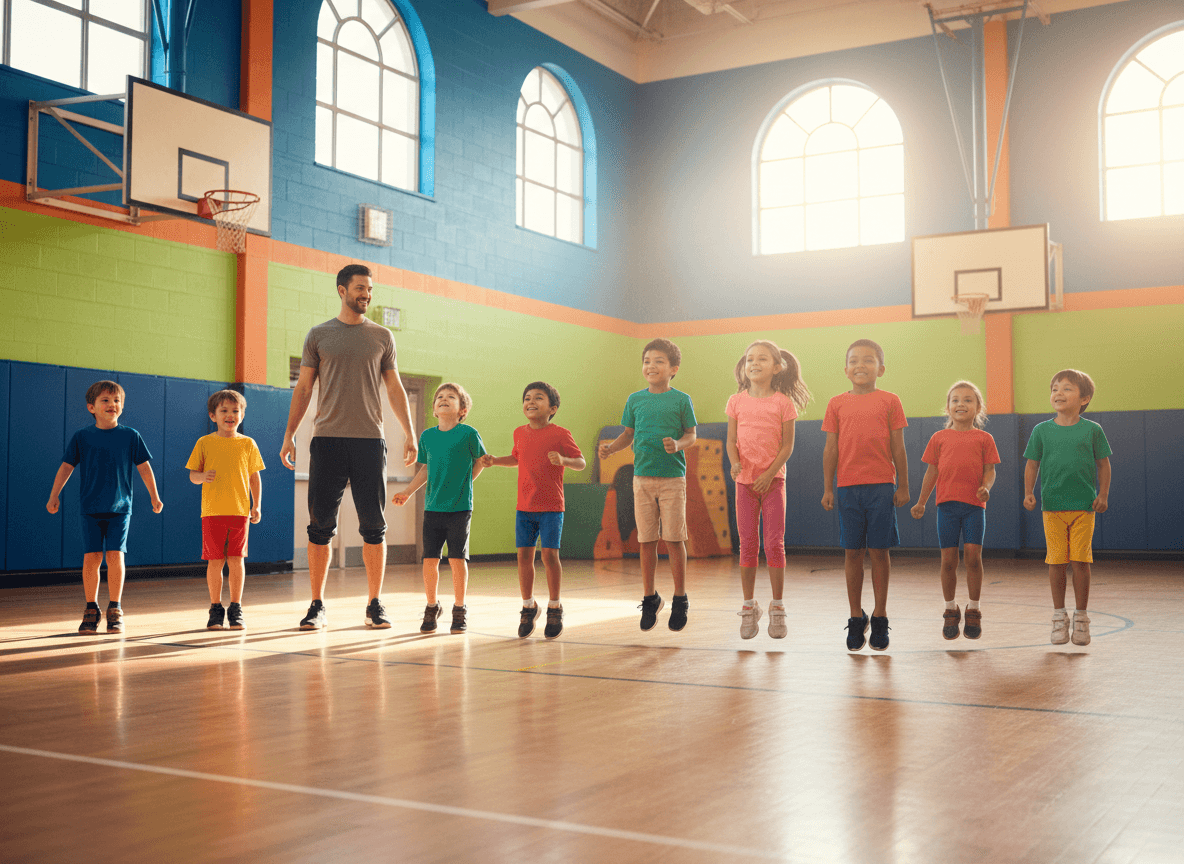
Physical activity communication in school newsletters often reads like a legal notice: here is when PE happens, here is what shoes students need, please sign this form for field day. That is the minimum. Schools that treat physical activity communication as a genuine engagement opportunity get something different back: families who understand why movement matters, who support PE time rather than questioning why it exists, and who reinforce activity at home.
This guide covers how to communicate PE curriculum, recess policy, active classroom programming, and family challenges in ways that generate buy-in rather than compliance.
PE curriculum communication
Most families have little visibility into what happens in PE beyond the vague sense that their child runs around. Newsletters that share the curriculum turn PE from a break in the day into a coherent program.
A PE curriculum update section can be brief: one paragraph per unit, explaining the skill being developed and why it matters. "This unit we are working on throwing mechanics, which builds shoulder stability, spatial awareness, and cooperation. Students are practicing with different objects at different distances to develop control." That sentence makes PE sound like intentional instruction, which it is.
Include the PE schedule so families know when it falls. Students who have PE on a particular day need appropriate footwear. When families know the schedule, they can plan accordingly rather than sending their child in dress shoes on PE day.
Recess policy: why it matters and what families need to know
Recess is not just free time. The research on unstructured outdoor play is substantial: it improves focus in the subsequent classroom period, reduces behavioral challenges, builds social skills, and contributes to physical health. Families who understand this are more supportive of recess protection.
A recess policy section in the newsletter should cover how much recess students receive, when it happens, and what the policy is for weather conditions. Many schools withhold recess for disciplinary reasons; if yours does not, say so, because families often assume it is being used as punishment.
For rainy day alternatives, explain what happens rather than letting families imagine their child sitting silently in a classroom. Structured indoor movement breaks, gym access, or classroom games are all worth naming. Knowing the plan reduces anxiety.
Active classrooms concept
Many teachers now integrate movement into instruction: movement breaks between lessons, standing desks or wobble chairs, kinesthetic learning activities, and brain breaks. If your school or classroom uses any of these approaches, a brief explanation in the newsletter connects the practice to its purpose.
Families who see their child doing a math warm-up by jumping may wonder whether the teacher is wasting academic time. A newsletter that explains the research on movement and learning (two to three sentences) reframes those moments as instructional, which they are.
This section is also an opportunity to encourage families to build similar moments into homework time. A five-minute movement break between assignments is not procrastination. It is a practice the school is teaching.
Family physical activity challenges
Family challenges around physical activity have high engagement when they are simple, specific, and time-limited. A two-week family step challenge, a weekend active-minutes log, or a "try one new physical activity this month" prompt all give families something to do rather than just something to read.
The design principle is low barrier. A challenge that requires an app download and account creation will have a fraction of the participation of one where families write minutes on a piece of paper and return it with their child. Make the default action easy.
Tie the challenge to something happening in school when possible. "Students in PE this month are building cardiovascular endurance. Join them at home with 20 minutes of family movement this weekend." That connection makes the family participation feel like an extension of school rather than an additional school obligation.
Shoes, clothing, and equipment reminders
The most practical section of a physical activity newsletter is often the gear reminder. Students who arrive in sandals on PE day, or who forget their gym uniform, face an uncomfortable situation that a one-sentence newsletter reminder could have prevented.
Be specific: "Students need athletic shoes with rubber soles for PE, not sandals, boots, or dress shoes." General instructions like "appropriate footwear" do not translate across different families' definitions of appropriate.
For schools that require gym uniforms or specific equipment, include a clear note on what to do when items are forgotten: is there a loaner system, or does the student sit out? Families should know this so they can calibrate how important the reminder is.
Communicating chronic illness accommodations
A brief note in the PE newsletter inviting families of students with chronic conditions to reach out ensures that asthma, heart conditions, orthopedic limitations, and other health needs are known to the PE teacher before they become a problem during class.
The note does not need to be long: "If your child has a health condition that affects their participation in physical activity, please let us know. We work with families and school nurses to make sure every student can participate safely." That sentence invites communication without implying the school lacks awareness.
Daystage makes physical activity newsletters easy to structure with a recurring PE update block alongside seasonal challenge and event information. Consistent communication about movement turns physical activity from an afterthought into a visible priority.
Get one newsletter idea every week.
Free. For teachers. No spam.
Frequently asked questions
When should schools communicate physical activity programs to families?
PE curriculum updates should go out at the start of each unit so families know what is being taught and why. Equipment reminders like athletic shoe requirements should arrive at least a week before the relevant unit starts. Family activity challenges work best when they are tied to something happening in school at that moment rather than sent as standalone notices.
What should a school physical activity newsletter include?
A physical activity newsletter should cover the current PE curriculum unit with one paragraph explaining the skill and its purpose, the PE schedule so families can plan appropriate footwear, the recess policy including weather protocols, and any upcoming events like field day. Family challenge information and chronic illness accommodation invitations round out the section.
How should schools communicate PE and recess policies to parents?
Explain the research behind the programs, not just the logistics. Families who understand that unstructured recess improves focus in the next classroom period are more supportive of protecting that time. Two to three specific data points on movement and learning turn PE from a perceived break into a coherent program families will advocate for.
What are common mistakes in school physical activity communication?
Treating physical activity newsletters as logistics-only documents is the most common problem. When the only content is shoe reminders and field day dates, families never build an understanding of why movement matters. Another mistake is leaving out the rainy day recess policy, which generates anxiety when outdoor recess is cancelled without explanation of the alternative.
How can schools structure physical activity communication throughout the year?
Daystage makes it easy to build a recurring PE update block alongside seasonal challenge and event information. A consistent structure across the year means physical activity communication is a visible priority rather than an afterthought that only appears when something requires a parent action.

Adi Ackerman
Author
Adi Ackerman is a former classroom teacher and curriculum writer with 8 years in K-8 schools. She writes about school communication, parent engagement, and what actually works in real classrooms.
More for Health & Wellness
School Health Fair Newsletter: How to Promote, Prepare, and Follow Up
Health & Wellness · 5 min read
Sickle Cell Disease at School Newsletter: What Families and Educators Need to Know
Health & Wellness · 6 min read
Self-Harm Awareness Newsletter: A Guide for Schools Communicating With Families
Health & Wellness · 6 min read
Ready to send your first newsletter?
3 newsletters free. No credit card. First one ready in under 5 minutes.
Get started free