

School Opioid and Naloxone Policy Newsletter: What Families Need to Know
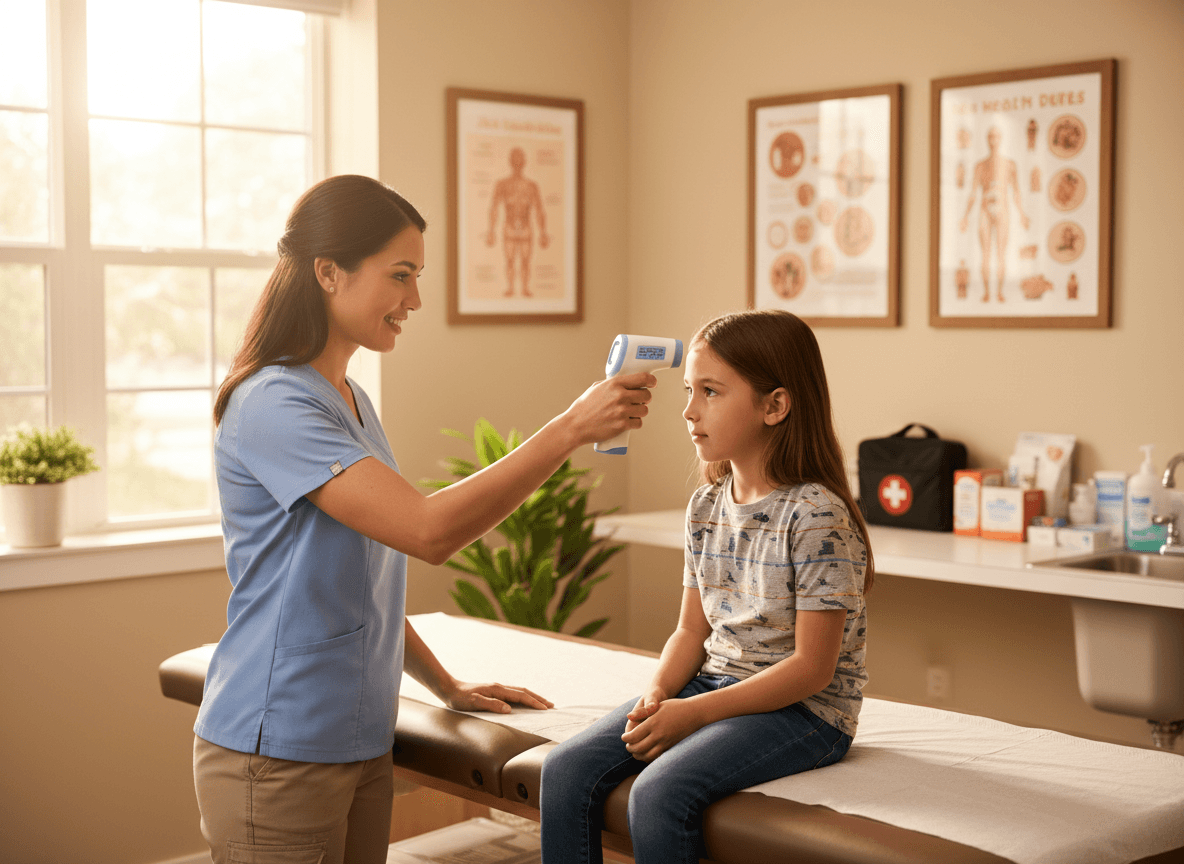
Opioid overdose is a real risk for school-age students, not because most students are using opioids but because fentanyl is now in many substances that students may encounter without knowing it. A school that has naloxone on campus and staff who know how to use it has a life-saving tool available if an overdose occurs. Families deserve to know this tool is there and how it is used.
What Naloxone Is and How It Works
Naloxone is a medication that rapidly reverses an opioid overdose by blocking the drug's effect on the brain. It is available without a prescription in most states and comes in a nasal spray form that requires no injection and no medical training to administer. Naloxone has no effect if no opioids are present, making it safe to use even if the substance involved is uncertain.
The school having naloxone does not mean the school expects drug use. It means the school is prepared for a medical emergency the same way it is prepared for any other emergency.
How the School's Overdose Response Works
In the event of a suspected overdose, trained staff administer naloxone, call 911 immediately, and follow the student's emergency response protocol. The nurse and trained administrators know the location of naloxone and how to use it. Emergency services take over as soon as they arrive.
Describe the naloxone storage locations in your school briefly. Families who know where emergency medications are kept in their children's school trust the school's preparedness more than those who receive only a general assurance.
The Fentanyl Awareness Connection
Many overdoses among young people involve counterfeit pills or substances that were purchased without knowledge that fentanyl was present. A single pill that looks like a prescription medication may contain a lethal fentanyl dose. Families should talk to their children about never taking any medication that was not dispensed by a physician or pharmacist, regardless of who provides it or what it looks like.
This conversation is not about accusing students of intentional drug use. It is about a real risk that exists in the environment.
Resources for Families With Concerns
If a family is concerned their child may be experimenting with substances, the school counselor is a direct resource. Community substance use programs, the family's physician, and the SAMHSA National Helpline (1-800-662-4357) are also available. Families who reach out early, when a concern is a suspicion rather than a crisis, are in the best position to support their child effectively.
Families Can Access Naloxone Too
Naloxone is available without a prescription at most major pharmacies in most states. Families who have teenagers in the home should consider keeping it available and knowing how to use it. Community health departments often provide it for free. This is not an alarmist suggestion; it is the same preparedness logic that applies to keeping a first aid kit in the home.
Get one newsletter idea every week.
Free. For teachers. No spam.
Frequently asked questions
Why do schools have naloxone on campus?
Opioid overdose can occur anywhere, including at school. With fentanyl now present in counterfeit pills and many illicit substances, the risk of unintentional overdose has increased significantly among adolescents. Naloxone is a safe, effective medication that reverses opioid overdose. Having it accessible at school, along with trained staff who know how to use it, can save a life.
Where is naloxone kept at school and who can use it?
Naloxone is typically kept in the nurse's office and may also be located in administrative offices or with trained staff in other areas of the building. In most states, trained staff can administer naloxone in an emergency without waiting for a physician order. The school should name the locations and briefly describe the response process in the newsletter.
Does having naloxone at school encourage drug use?
No. Research on naloxone availability in communities does not show increased substance use. Naloxone is an emergency response tool. Its presence communicates that the school takes overdose risk seriously and is prepared to act. It does not signal acceptance of drug use.
What should a family do if they are concerned their child may be experimenting with substances?
Contact the school counselor for support and resources. Seek an evaluation from the family's physician or a community substance use professional. The school can provide referrals to community programs. The newsletter should point families toward these resources rather than leaving them to navigate the concern alone.
How does Daystage help schools communicate about naloxone and opioid awareness?
School nurses and administrators use Daystage to send opioid awareness newsletters to families, particularly in response to community-wide opioid trends. The platform ensures every family receives the same information at the same time, which is critical during moments of heightened concern.

Adi Ackerman
Author
Adi Ackerman is a former classroom teacher and curriculum writer with 8 years in K-8 schools. She writes about school communication, parent engagement, and what actually works in real classrooms.
More for Health & Wellness
Family Health Resources Newsletter: What Schools Should Share and When
Health & Wellness · 5 min read
School Mindfulness Newsletter: Communicating Wellness Practices to Parents
School Culture · 5 min read
School Teen Pregnancy Awareness Newsletter: Supporting Students and Communicating Available Resources
Health & Wellness · 5 min read
Ready to send your first newsletter?
3 newsletters free. No credit card. First one ready in under 5 minutes.
Get started free