

School Substance Prevention Newsletter: How to Communicate Prevention Programs to Families
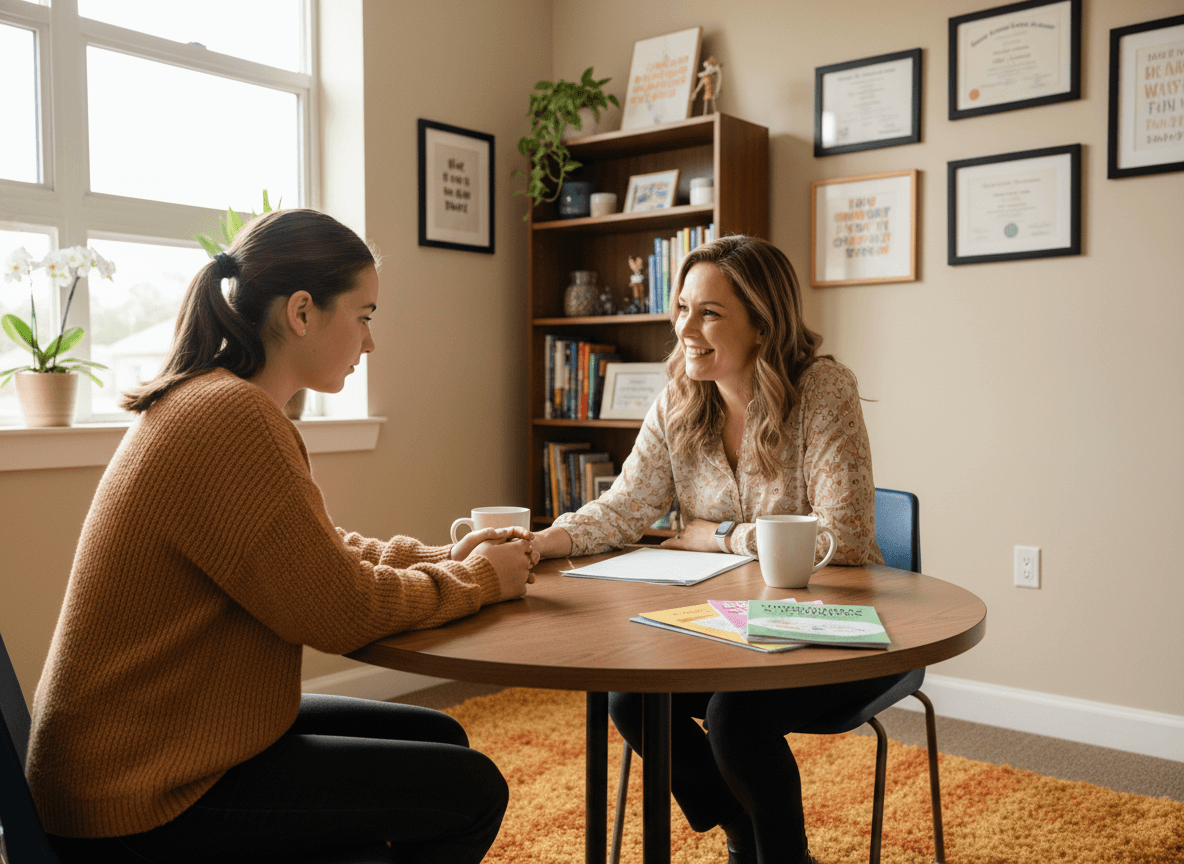
Substance prevention communication in schools has changed significantly since the DARE era. The programs now are grounded in social-emotional learning, refusal skills, and peer dynamics rather than a list of drugs and their dangers. But family understanding has not always kept pace. Many parents still expect prevention education to be a scary presentation about drugs, and some worry that exposing younger children to the topic creates more risk than it prevents.
A well-constructed prevention newsletter explains what the program actually teaches, calibrates family expectations by grade level, and invites parents into the conversation rather than keeping them at arm's length.
How to communicate prevention curriculum without alarming parents of young children
The challenge with prevention communication at the elementary level is that some parents of seven- and eight-year-olds are surprised that substances come up at all. A newsletter that arrives saying "we are starting our substance prevention unit" without context can generate concern.
Lead with what the program focuses on at this age level: recognizing unsafe situations, practicing saying no, understanding that some things are only for adults, and building the social confidence to resist peer pressure. Frame it in terms of safety skills rather than substance knowledge. "Our second graders are learning how to handle situations where someone they know asks them to do something unsafe" is accurate for most elementary prevention curricula and does not alarm parents.
At the elementary level, substance content is often limited to medicines and household chemicals rather than illicit drugs. Saying so in the newsletter addresses the concern before parents articulate it.
What programs like DARE's successors actually teach
DARE was retired and replaced with evidence-based programs because research found it was not effective. Programs like keepin' it REAL, Life Skills Training, and others that replaced it focus on social norms (most peers are not using), refusal skill practice (specific language and strategies for high-pressure situations), decision-making frameworks, and media literacy around substance messaging.
Most families do not know this shift happened. A newsletter that names the specific program your school uses, describes its evidence base briefly, and explains its core approach gives families a foundation for understanding what their child will experience. "We use [program name], which has been shown to reduce substance use rates in studies across multiple schools and states" is more credible than a general statement about prevention education.
Talking to kids about substances at home
Research consistently shows that parent conversations about substances are among the strongest protective factors against early use. Schools that give families specific guidance about having those conversations extend the reach of the prevention curriculum into the home.
Age-appropriate conversation starters matter. For elementary students: "What would you do if someone offered you something to eat that you were not sure was okay?" For middle schoolers: "Have you ever been in a situation where friends were doing something you were not comfortable with? What did you do?" For high schoolers: "What do you think is the biggest pressure you feel from people around you when it comes to making decisions about alcohol or other substances?"
These are not interrogations. They are conversation openers. Framing them that way in the newsletter gives parents something usable rather than a directive to "talk to your child about drugs."
Community resources and when to use them
A prevention newsletter is not complete without acknowledging that some families are dealing with substance concerns that go beyond prevention. A parent whose teenager is already using needs a different resource than a parent who wants to have a proactive conversation.
Include: the school counselor as a first contact for any family concerns, the SAMHSA helpline (1-800-662-4357) for families dealing with substance use disorders, and any local adolescent substance use programs if you have knowledge of them. Frame these as available rather than prescribed: "If you have concerns about your child's relationship with substances at any level, our school counselor is available and can help you identify the right next step."
Age-appropriate framing by grade level
Grade-level calibration is one of the most useful things a prevention newsletter can provide. Families sometimes apply middle school conversations to elementary students or treat high schoolers with the same approach they used in fifth grade.
Elementary (K-5): Focus on safety rules, adult-only substances (medications, alcohol), refusal language, and trusted adults. Middle school (6-8): Add social norms, peer pressure dynamics, advertising and media literacy, and the specific risks of early use on developing brains. High school (9-12): Add decision-making under real peer pressure, recognizing problematic use, driving under the influence, and resources for self or others.
A newsletter that gives families the grade-level frame keeps the conversation at the right level rather than either under- or overshooting. Daystage makes it easy to customize these sections by grade level so different classes receive age-appropriate information without requiring separate newsletter systems.
Get one newsletter idea every week.
Free. For teachers. No spam.
Frequently asked questions
When should schools communicate substance prevention programs to families?
Send the prevention newsletter before the unit starts, not after students have already attended the first session. Families who receive context in advance are less likely to be alarmed by what their child describes at home. A grade-level calibrated communication in September gives families the framework before any curriculum discussion reaches the dinner table.
What should a school substance prevention newsletter include?
The newsletter should name the specific prevention program, describe its evidence base briefly, explain what it focuses on at this grade level, and include age-appropriate conversation starters families can use at home. Elementary newsletters should emphasize safety skills and refusal language. Middle school newsletters should add peer pressure dynamics and social norms. High school newsletters should include driving, recognizing problematic use, and resources.
How should schools communicate prevention curriculum without alarming parents of young children?
Lead with what the program focuses on at the specific grade level rather than the general topic of substances. 'Our second graders are learning how to handle situations where someone asks them to do something unsafe' is accurate for most elementary curricula and does not alarm parents who were not expecting substance content at that age. Stating that elementary content is limited to medicines and household chemicals, not illicit drugs, addresses the concern before parents articulate it.
What are common mistakes in school substance prevention communication?
Treating prevention as a one-time presentation rather than a curriculum sequence leaves families without context for why the topic appears at multiple grade levels. A second mistake is failing to explain how evidence-based programs differ from DARE, which many parents still associate with substance education. A third is omitting age-appropriate conversation starters, which leaves families with a directive to talk to their child but no idea how to begin.
How can schools customize prevention communication by grade level?
Daystage makes it easy to customize newsletter sections by grade level so different classes receive age-appropriate prevention content without requiring separate newsletter systems. Elementary, middle, and high school families each see the version that is calibrated for their student's developmental stage and current curriculum unit.

Adi Ackerman
Author
Adi Ackerman is a former classroom teacher and curriculum writer with 8 years in K-8 schools. She writes about school communication, parent engagement, and what actually works in real classrooms.
More for Health & Wellness
School Health Policy Update Newsletter: How to Communicate Policy Changes Clearly
Health & Wellness · 5 min read
Sickle Cell Disease at School Newsletter: What Families and Educators Need to Know
Health & Wellness · 6 min read
Sports Injury Prevention Newsletter: What Schools Should Tell Athletic Families
Health & Wellness · 6 min read
Ready to send your first newsletter?
3 newsletters free. No credit card. First one ready in under 5 minutes.
Get started free