
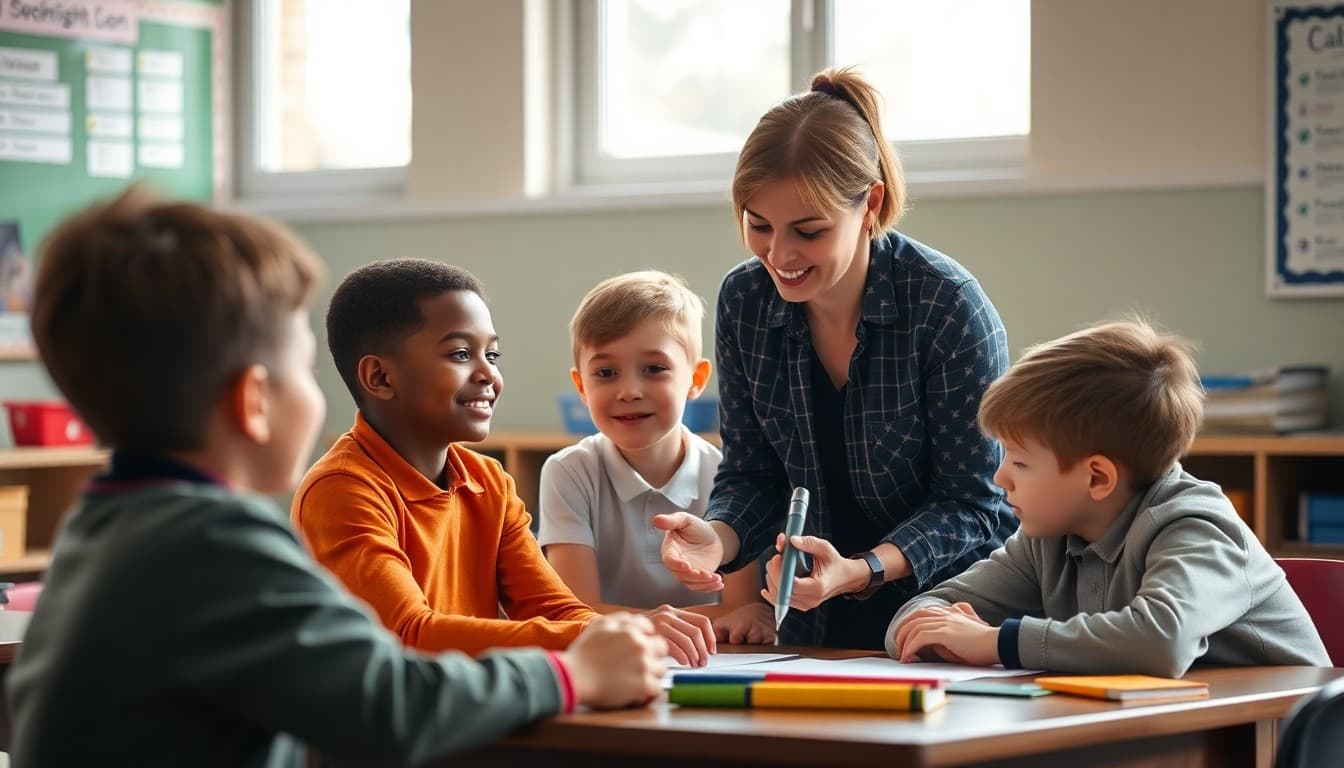
Social Emotional Health Newsletter: The Whole Child at School
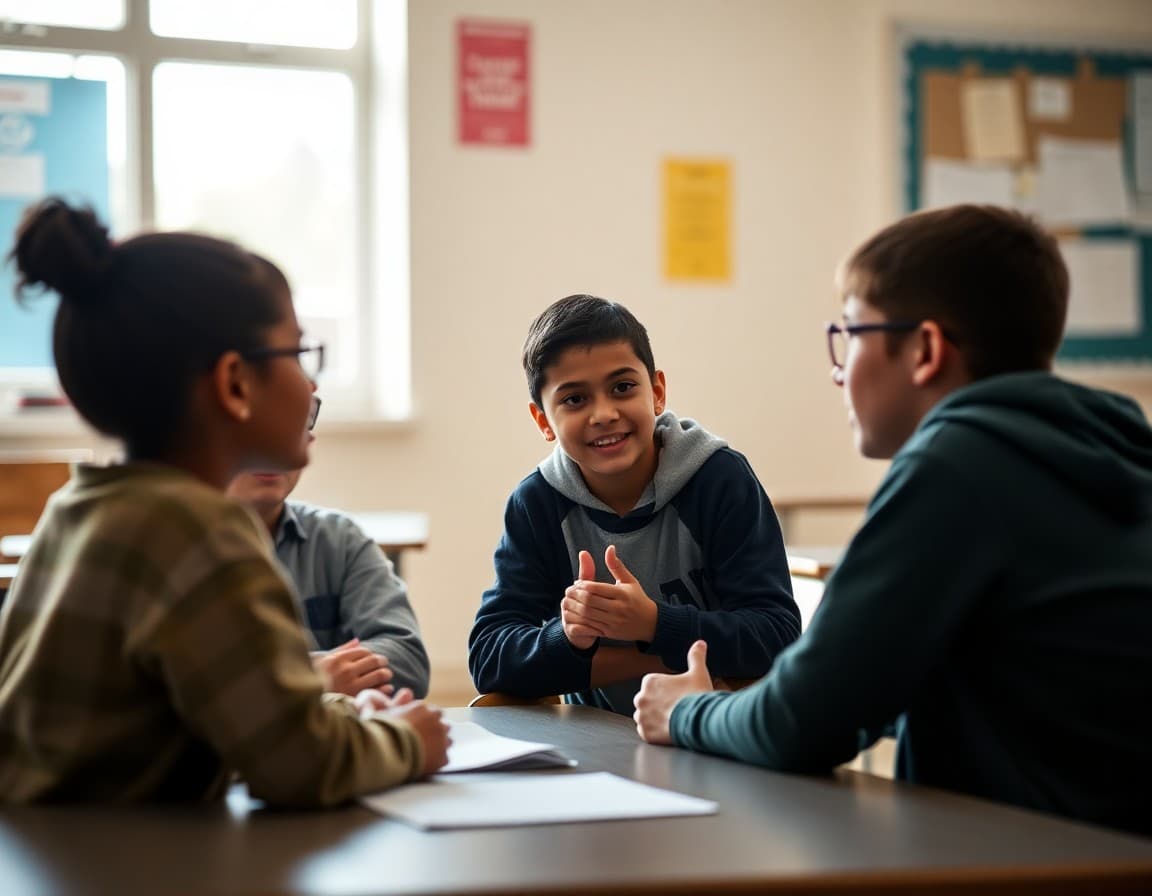
A social-emotional health newsletter is explaining something that many families see every day in their child but may not have language for. Your job is to give them that language and show them how the school is developing these capacities intentionally.
Define SEL in terms of observable skills, not program names
"Social-emotional learning" is a program category, not a description of what students actually practice. Translate the program name into the specific observable skills families will see.
"Social-emotional learning is the school's term for the skills we teach students about managing their own emotions, understanding other people's feelings, building healthy friendships, resolving conflicts without escalation, and making decisions that reflect their values. These are not soft skills. They are the skills that determine whether a person can function effectively in a team, manage stress without shutting down, and maintain relationships through difficult situations. We teach them directly, not just by hoping students pick them up."
Describe what students are currently practicing in the curriculum
Families who know what SEL skill is being focused on this month can reinforce it at home without being experts in the curriculum. Name the specific skill and give families a concrete way to engage with it.
"This month's focus is perspective-taking: the ability to understand how a situation looks and feels from someone else's point of view. In class, students practiced this by reading a conflict scenario and writing two completely different accounts of the same event from the perspectives of two different people involved. Ask your student to tell you about one perspective they found surprising or hard to inhabit. That is the skill working."
Give families specific home reinforcement strategies
The most useful part of an SEL newsletter for families is the "what can I do at home" section. Make it specific and practical, not vague.
"Three things families can do this month to reinforce perspective-taking: (1) When a conflict comes up in your household, ask everyone to describe the situation from the other person's point of view before anyone explains their own. (2) When watching a movie or TV show, pause and ask 'how do you think that character is feeling right now, and what makes you think that?' (3) When your child describes a conflict with a friend, ask them what they think the friend was feeling, not just what the friend did."
Connect SEL skills to academic performance
Families who see SEL as separate from academics need a direct statement connecting the two. Research on this connection is strong and worth summarizing.
"Students with stronger self-regulation skills, including the ability to manage frustration, persist through difficulty, and stay focused when distracted, consistently outperform students with weaker self-regulation in academic settings, regardless of baseline ability. The SEL curriculum we teach is not time taken away from academics. It is investment in the capacities that make academic learning possible."
Sample newsletter template excerpt
SEL update for October: this month we focused on emotion regulation. Students learned to identify the physical sensations that come with strong emotions before the emotion takes over their behavior. The tight chest that comes before anger. The stomach drop that comes with anxiety. The goal is awareness before reaction.
Students practiced what we call a pause strategy: when you feel a strong physical signal, pause and name the emotion before responding. You can try this at home. When your child is visibly upset, ask them: 'What do you notice in your body right now?' That question interrupts the reaction cycle and builds the awareness skill we are practicing.
Normalize the developmental unevenness of SEL skills
SEL skills develop unevenly and are heavily influenced by temperament and life experience. A newsletter that acknowledges this prevents families from feeling that their child is falling behind when they struggle with an SEL concept that comes easily to peers.
"Some students find emotional regulation easy and relationship skills hard. Others find perspective-taking natural but decision-making under peer pressure difficult. These are not deficiencies. They are areas for growth, and growth in SEL skills happens across a lifetime, not in a school year. Our job is to introduce the framework and the language; the deepening happens through experience."
Connect SEL to what families already do
Families who receive SEL newsletters sometimes feel that the school is describing skills their family has already been teaching. A newsletter that acknowledges family as the primary environment for SEL development positions the school program as a complement to family learning, not a replacement for it.
Get one newsletter idea every week.
Free. For teachers. No spam.
Frequently asked questions
What is social-emotional learning and why do schools teach it?
Social-emotional learning (SEL) is the process through which students develop the skills to recognize and manage their emotions, build empathy for others, establish positive relationships, make responsible decisions, and handle challenging situations constructively. Schools teach SEL because research consistently shows that students with stronger SEL skills have better academic outcomes, lower rates of behavioral problems, and better long-term life outcomes in employment, relationships, and health. SEL is not about making students feel good; it is about giving them the internal tools to function effectively in complex social and emotional environments.
What are the core competencies in a school SEL program?
The Collaborative for Academic, Social, and Emotional Learning (CASEL) identifies five core competencies: self-awareness (recognizing one's own emotions and values), self-management (regulating emotions and behaviors), social awareness (understanding others' perspectives and showing empathy), relationship skills (communicating effectively, cooperating, and resolving conflict), and responsible decision-making (making constructive choices about personal behavior and social interactions). Most school SEL programs organize their curriculum around these five areas, though the specific lessons and activities vary by grade level and program.
How can families reinforce SEL skills at home?
Families reinforce SEL skills by modeling the same skills they want their children to develop: naming emotions clearly ('I'm frustrated right now because...'), demonstrating conflict resolution in disagreements, discussing the perspectives of other people in situations that come up in daily life, and acknowledging when a decision they made was not their best choice and what they would do differently. Asking children to identify how a character in a book or movie might be feeling, and why, builds empathy and perspective-taking skills. Family conversations about how to handle difficult social situations are SEL practice.
How do schools assess social-emotional learning?
SEL assessment is more complex than academic assessment because the skills are behavioral and developmental rather than knowledge-based. Schools use a combination of teacher observation checklists, student self-assessment tools, behavioral incident tracking, and social-emotional skills screenings like the Strengths and Difficulties Questionnaire. Some programs use direct observation of student behavior in social situations. SEL assessment informs intervention planning rather than producing letter grades. Families who want to know how their child is developing SEL skills can request a meeting with the school counselor.
How does Daystage help schools communicate SEL programs to families?
Daystage lets teachers and counselors send SEL program newsletters with descriptions of current lessons, vocabulary families can use at home, and practical suggestions for reinforcing skills outside of school. When families receive a Daystage newsletter describing the SEL skill being practiced this month alongside three specific things they can do at home to reinforce it, the learning extends beyond the classroom and the school-family partnership becomes genuinely collaborative.

Adi Ackerman
Author
Adi Ackerman is a former classroom teacher and curriculum writer with 8 years in K-8 schools. She writes about school communication, parent engagement, and what actually works in real classrooms.
More for Health & Wellness
Ready to send your first newsletter?
3 newsletters free. No credit card. First one ready in under 5 minutes.
Get started free