
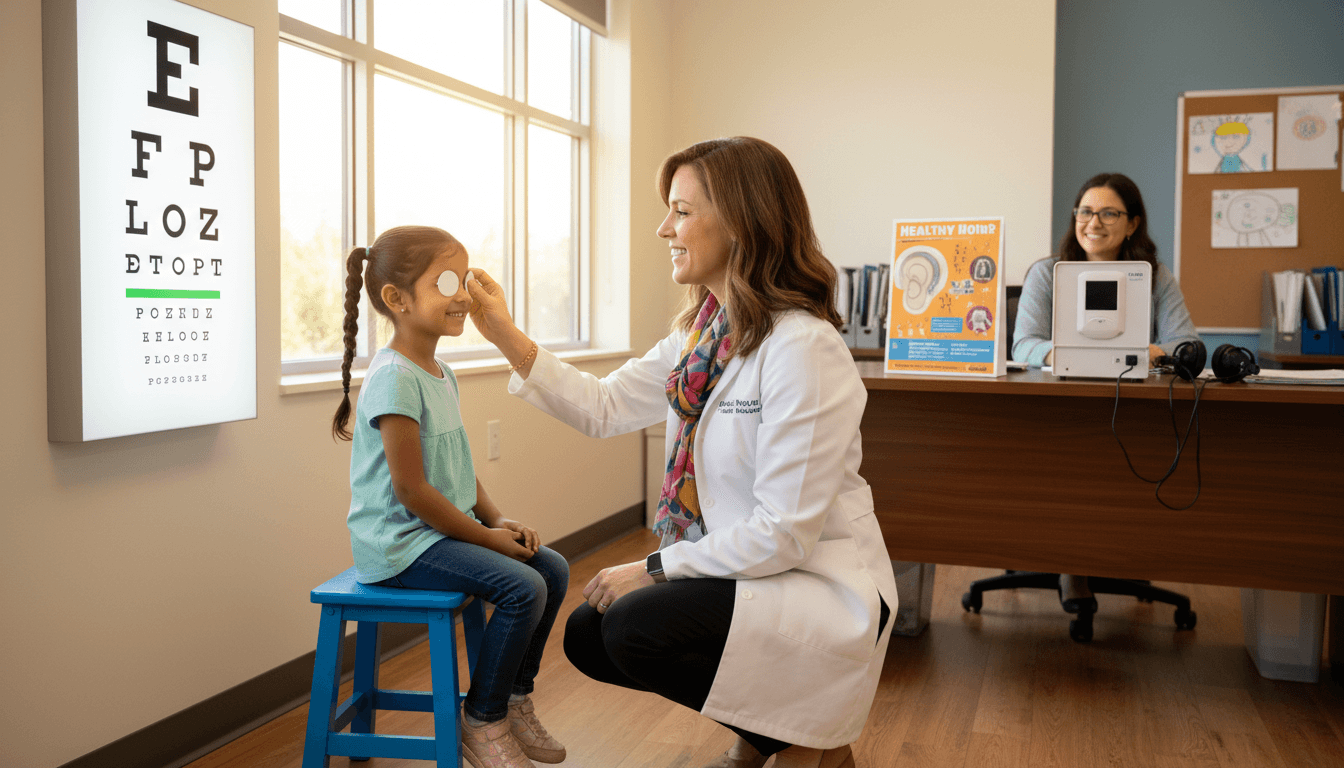
Vision and Hearing Screening Newsletter: How to Communicate Results and Next Steps
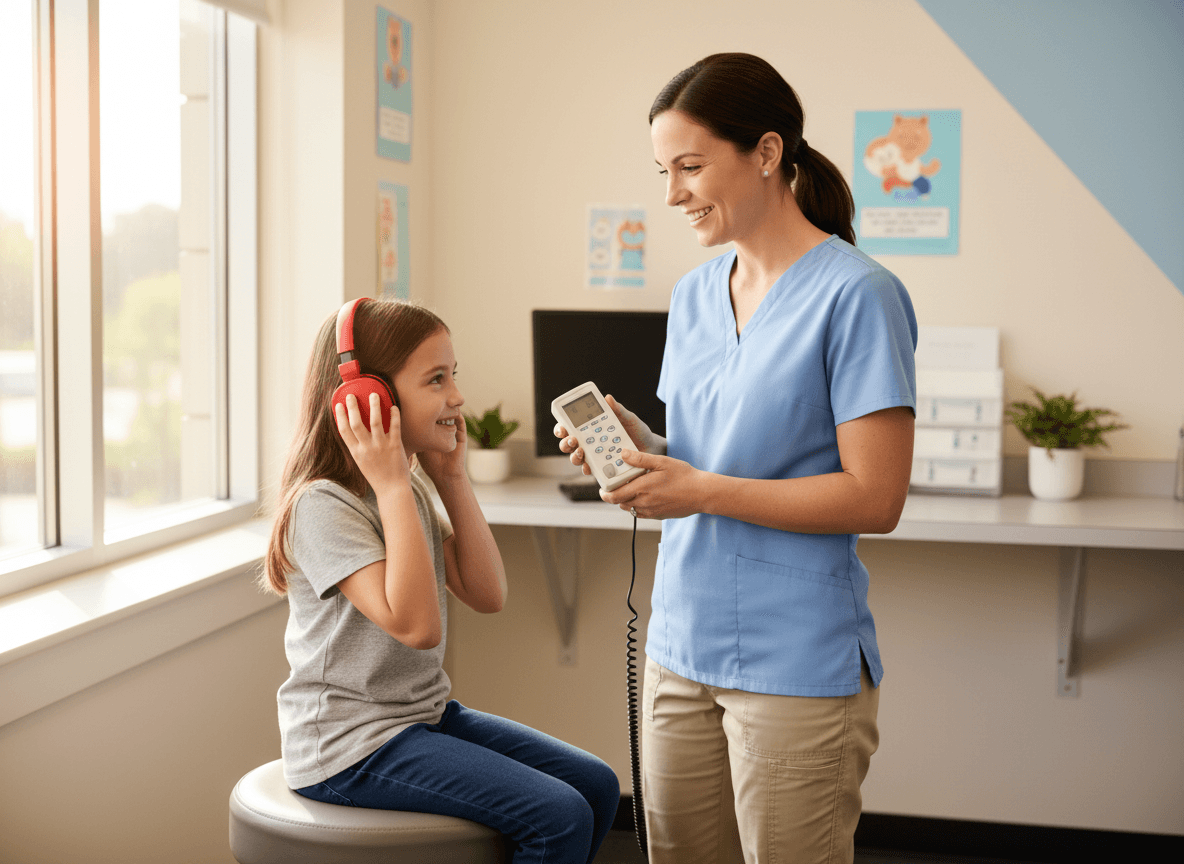
Vision and hearing screenings are among the most valuable health services schools provide. They catch problems families would not otherwise detect, and catching them early matters: a child who cannot see the board clearly or hear instruction consistently falls behind academically in ways that look like learning problems but are actually sensory problems.
The screening itself is only as useful as the communication around it. Families who do not understand what the screening is, how to read a referral result, or what to do next may not follow through even when their child has a real need. This guide covers how to communicate screenings clearly at every stage.
Before the screening: what to tell families
A pre-screening newsletter notice reduces the anxiety some children experience and removes the guesswork for families who are unfamiliar with school health screenings.
Tell families the date, which grade levels are being screened, what the screening involves (reading letters on a chart for vision, responding to tones through headphones for hearing), how long it takes (typically five to ten minutes), and whether parent permission is required at your school.
Acknowledge common questions directly: the screening is not a medical diagnosis, it does not hurt, and a referral does not mean the child definitely has a problem. Setting these expectations before the screening reduces the panic that sometimes follows a referral notice.
If a student wears glasses or hearing aids, note that they should bring and wear them during the screening. This prevents false passes in students who need correction to reach the screening threshold.
What a pass result means and whether to communicate it
Most schools do not send individual pass results, and that is appropriate. The practical approach is to communicate a policy in your pre-screening newsletter: "You will only receive a letter if your child receives a referral. No letter means your child passed."
Stating the policy explicitly prevents families from wondering whether their child passed or whether the school forgot to send a letter. It also prevents unnecessary calls to the nurse asking for results.
How to communicate a referral without causing alarm
A referral letter is not a diagnosis. It means the screening identified a result that warrants a professional evaluation. The language of the referral communication should reflect that distinction.
Avoid language that implies something is definitely wrong: "failed," "problem identified," "concern." Use language that is accurate and low-alarm: "your child's result suggests a follow-up evaluation with an eye doctor (or audiologist) may be helpful."
Include the specific result that triggered the referral if the school's protocol allows. "We could not get a clear response at 500 Hz in the left ear" tells the family more than "your child did not pass." Specificity is less alarming than vague language because it is bounded.
End every referral letter with a clear next step: who to contact (pediatrician, ophthalmologist, audiologist), what to tell them (that this is a school vision or hearing screening referral), and whether the school needs a follow-up form returned.
Glasses stigma and how the newsletter can help
Young children, particularly in the early elementary grades, sometimes resist wearing glasses because of peer response. A brief, positive mention in your classroom newsletter when glasses are being introduced normalizes them.
This does not need to name the specific student. "Some of our students recently got glasses and are adjusting to wearing them. Glasses are a tool that help people see clearly, the way a ramp helps someone get into a building. We talk about them that way in our classroom, and we appreciate families doing the same at home."
This kind of classroom culture communication is different from a health policy notice, but it lives naturally in the same section of a newsletter.
What teachers can do with screening results
Classroom teachers who know which students have vision or hearing needs can make meaningful adjustments. A newsletter section directed at communicating this to families can also prompt families to share information with teachers directly.
Include a brief paragraph asking families who receive a referral to notify the classroom teacher. Seat placement, volume, board visibility, and font size on handouts all affect students with vision or hearing needs. Teachers who do not know about a student's need cannot adjust for it.
If a student is found to have a hearing or vision impairment after a referral, a separate, private conversation with the teacher and an accommodation plan discussion is more appropriate than newsletter communication.
Making screening communication routine
Schools that communicate vision and hearing screenings the same way every year build family familiarity that reduces friction. When families know the pre-screening notice is coming in October and the referral process is the same every year, the communication becomes routine rather than alarming.
Daystage makes it easy to create a screening communication template you reuse and update annually. The pre-screening notice, the pass policy explanation, and the referral letter can all be templated so the nurse or school coordinator spends time on the student-specific details rather than rewriting the same structure every fall.
Get one newsletter idea every week.
Free. For teachers. No spam.
Frequently asked questions
When should schools communicate vision and hearing screenings to families?
A pre-screening notice should go out at least two weeks before the screening date with the logistics, what the screening involves, and how results will be communicated. Setting the pass-and-referral policy expectation before the screening prevents confusion after it. Referral letters should go home within two to three days of the screening so families have time to schedule follow-up appointments promptly.
What should a school vision and hearing screening newsletter include?
The pre-screening notice should cover the date, grade levels screened, what each test involves, how long it takes, and whether parental consent is required. Crucially, it should state the pass policy explicitly: no letter means your child passed. The referral letter should describe the specific finding, the recommended next step, who to see, and whether the school needs a follow-up form returned.
How should schools communicate screening referrals to parents without causing alarm?
A referral is not a diagnosis. Use language that reflects that: 'your child's result suggests a follow-up evaluation may be helpful' rather than 'your child failed' or 'a problem was identified.' Including the specific finding, like a particular frequency or visual acuity measurement, is actually less alarming than vague language because it is bounded and tells families exactly what warranted the referral.
What are common mistakes in school vision and hearing screening communication?
Failing to set the pass policy expectation in advance is the most common problem. Families who do not receive a letter wonder if the school forgot them, which generates unnecessary calls. A second mistake is vague referral language that either panics families or leads them to dismiss the referral as precautionary. A third is not asking families who receive referrals to notify the classroom teacher, which means seat placement and accommodation adjustments never happen.
How can Daystage support school health screening communication?
Daystage makes it easy to create a screening communication template that you reuse and update each fall. The pre-screening notice, the pass policy explanation, and the referral letter structure can all be templated so the school nurse spends time on student-specific details rather than rewriting the same communication framework every year.

Adi Ackerman
Author
Adi Ackerman is a former classroom teacher and curriculum writer with 8 years in K-8 schools. She writes about school communication, parent engagement, and what actually works in real classrooms.
More for Health & Wellness
School Flu Prevention Newsletter: Practical Communication That Reduces Illness This Season
Health & Wellness · 5 min read
School Nutrition Newsletter: Communicating Healthy Eating Programs to Families
Health & Wellness · 7 min read
School Teen Pregnancy Awareness Newsletter: Supporting Students and Communicating Available Resources
Health & Wellness · 5 min read
Ready to send your first newsletter?
3 newsletters free. No credit card. First one ready in under 5 minutes.
Get started free