Blog /
Technology
Communicating device policies, digital citizenship, AI, and edtech programs to school families
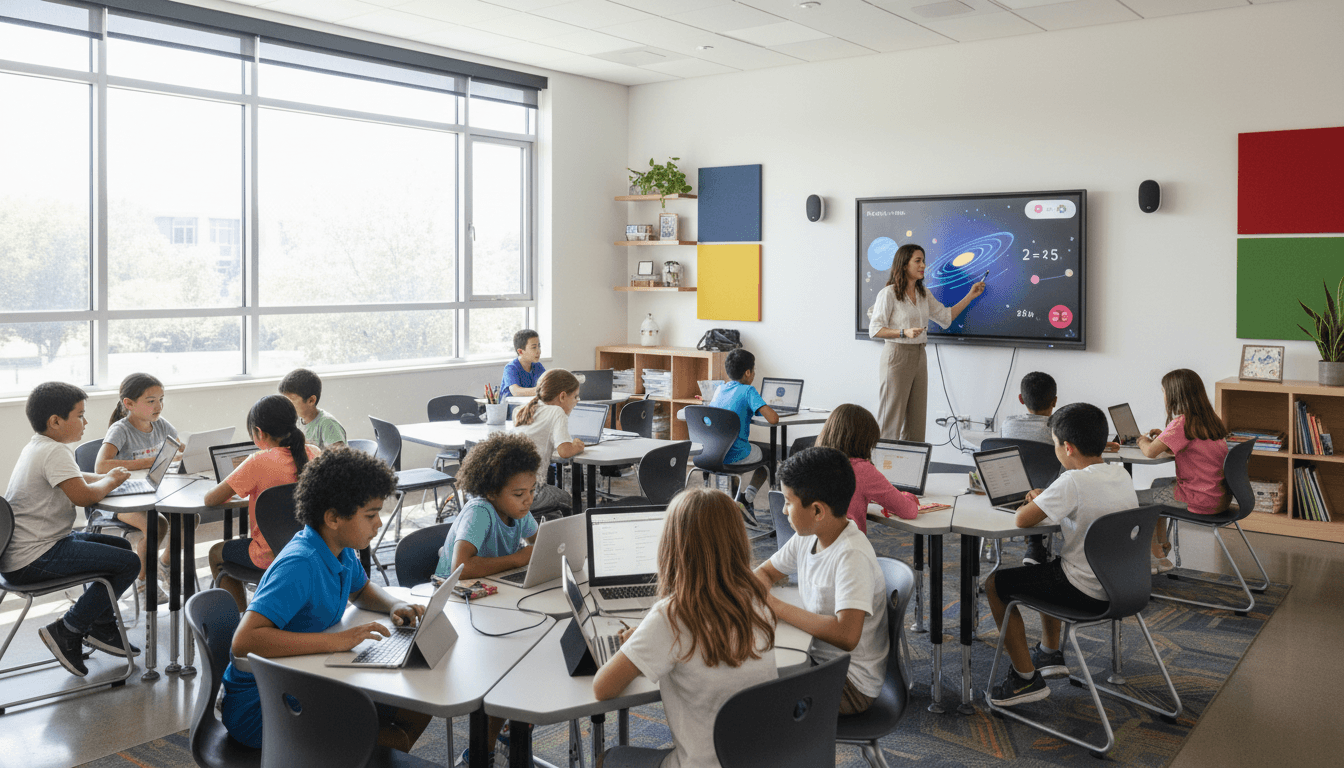
Technology communication in schools has two distinct audiences: families who are worried about what screens are doing to their children, and families who want the school to do more with technology. Both groups are in your inbox. The articles here address both sides: how to communicate device policies and digital citizenship expectations in a way that informs rather than lectures, how to explain AI tools in school in language that does not create panic, and how to build trust with skeptical families when the school adopts a new platform. There are also resources for communicating about cyberbullying, social media policies, and the specific challenges of technology use across grade levels.
1-to-1 Device Program Newsletter: Student Tech Guide
Send a 1-to-1 device school newsletter that explains care expectations, acceptable use policies, repair processes, and how families can support digital learning at home.
Adaptive Learning Technology Newsletter for Families
Send an adaptive learning technology newsletter that explains how personalized learning software adjusts to each student, what data it uses, and how families can support progress at home.
AI Literacy Newsletter: Teaching Students About Artificial Intelligence
Send an AI literacy school newsletter that explains how schools are teaching students about artificial intelligence, critical AI use, and what families can do to support AI learning at home.
Blended Learning Newsletters: Keeping Families Informed in Hybrid Classrooms
Blended learning classrooms need newsletters that explain the rotation, the tools, and what families can do at home. Here is a practical guide for teachers running both.
Canvas Parent App Newsletter: Navigating Your Child's Learning
Send a Canvas LMS parent newsletter with setup steps for the Canvas Parent app, observer account instructions, and tips for tracking grades and assignments at home.
Using ChatGPT for School Newsletters: A Practical Guide for Educators
ChatGPT can cut newsletter writing time significantly when used correctly. Learn the prompts, review steps, and workflow that help school communicators get real results.
Chromebook School Newsletter: Care and Use for Families
Send a Chromebook school newsletter that teaches families how to care for devices, use Google Workspace for learning, and follow school acceptable use policies at home.
Coding Curriculum Newsletter: Computer Science for All Students
Send a coding curriculum newsletter that explains how your school teaches computer science, what languages and tools students use, and why coding is a core skill for every student.
Cybersecurity School Newsletter: Protecting Students Online
Send a cybersecurity school newsletter that teaches families about password safety, phishing, privacy settings, and digital habits that keep students safe online at home and school.
Student Data Privacy Newsletter: FERPA and COPPA Explained
Send a student data privacy newsletter that explains FERPA, COPPA, and your school's data practices in plain language so families understand how student information is protected.
Digital Divide Newsletter: Ensuring All Students Can Connect
Send a digital divide school newsletter that addresses equity in technology access, shares community resources, and explains how the school supports every student's digital learning.
Digital Portfolio Newsletter: Sharing Student Work Online
Send a digital portfolio school newsletter that explains how students document their learning online, how families access and respond to portfolios, and what platforms the school uses.
Digital Tools Classroom Newsletter: Apps and Platforms We Use
Send a digital tools classroom newsletter that tells families which apps and platforms their child uses at school, what each one does, and how to support learning at home.
Educational Technology Tools Newsletter for Parents
Send an educational technology tools newsletter that explains the ed-tech platforms your school uses, what each one does for student learning, and how families can support digital education at home.
School Esports Program Newsletter: Gaming as a School Activity
Send a school esports program newsletter that explains competitive gaming as a school activity, what students learn, eligibility requirements, and how the program connects to broader skills.
Facebook and the School Newsletter: Reaching Families Where They Are
Facebook remains a primary communication channel for many school families. Learn how to use it effectively alongside your email newsletter without duplicating or fragmenting your message.
Gamification Classroom Newsletter: Learning Through Play
Send a gamification classroom newsletter that explains how game-based learning works in your school, what platforms students use, and how play mechanics support genuine academic progress.
Google Classroom Parent Newsletter: Getting Started Guide
Send a Google Classroom parent newsletter with step-by-step setup instructions, guardian summaries, and tips for families to support their child's digital assignments at home.
School Hotspot Lending Newsletter: Internet Access for All
Send a school hotspot lending newsletter that explains the program, checkout process, data limits, and eligibility so every family can access reliable internet for homework.
Hybrid Learning Newsletters: Communicating With On-Site and Remote Families
Hybrid learning means some families need different information than others. Learn how to write school newsletters that work for both in-person and remote families.
Instagram and School: A Parent Newsletter Guide for Educators
Use your school newsletter to help families navigate Instagram safety, account settings, cyberbullying risks, and meaningful conversations about what students are seeing online.
iPad School Newsletter: Care and Learning Guide for Families
Send an iPad school newsletter covering care guidelines, Apple ID management, app policies, and how families can support student learning with school-issued iPads at home.
Learning Management System Newsletter for School Families
Send a learning management system newsletter that shows families how to use your school LMS to check assignments, track grades, and stay connected to their child's learning.
LinkedIn for Schools: When and How to Use It in Your Newsletter Strategy
LinkedIn is an underused channel for schools connecting with alumni, community partners, and district stakeholders. Here is when it adds value and how to manage it well.
AI Tools for School Newsletters: What Works and What to Watch
AI writing tools can help school communicators save time on newsletters. Learn which tasks AI handles well, where human judgment still matters, and what to review before sending.
Online Safety Newsletter for Students: What to Know
Send an online safety newsletter for students that covers internet safety rules, how to handle cyberbullying, privacy protection, and what families can do to support safe digital habits.
How to Add a Podcast to Your School Newsletter Strategy
School newsletters and podcasts can work together to reach more families. Learn how to record, link, and promote audio content alongside your written updates.
Explaining 3D Printing in Schools to Students and Families
How school technology coordinators and STEM teachers can use newsletters to explain 3D printing programs, what students create, how the technology connects to real-world careers, and what families can expect from makerspace projects.
Communicating Your School's Technology Acceptable Use Policy
How school leaders can use newsletters to explain the technology acceptable use policy in plain language, build family and student understanding, and reduce policy violations through proactive communication.
How Schools Should Talk to Families About AI in Education
A guide for school leaders on using newsletters to explain how AI tools are being used in education, address family concerns, and set clear expectations for student AI use.
School AI Policy Newsletter: Communicating Artificial Intelligence Guidelines to Families
How to communicate school AI policy to families without causing panic or confusion, including approved uses, academic integrity, and home AI guidance.
Using Your School Communication App Alongside the Newsletter
How schools can coordinate their newsletter and school communication app to reach more families, reduce duplication, and maintain clear channels for different types of information.
School App Download Newsletter: Getting Connected Digitally
Send a school app download newsletter with step-by-step instructions for families to download, set up, and use your school's communication and notification apps on their phones.
School App Newsletter: Drive Adoption and Keep Families Engaged
A school app newsletter boosts download rates, explains key features, and helps families get real value from your school communication platform from day one.
School AR Augmented Reality Newsletter: Communicating Immersive Learning to Families
How to explain augmented reality tools in your school to families, what subjects benefit most, what devices are required, and how to address common parent questions about screen time and distraction.
School Assistive Technology Newsletter: Communicating AT Tools and Support to Families
How to write newsletters about your school's assistive technology program, what tools are available for students with disabilities, how families request evaluations, and how AT supports learning across the school day.
Explaining Augmented Reality in the Classroom to School Families
How teachers and school technology coordinators can use newsletters to explain augmented reality tools in the classroom, show families what AR learning looks like, and address common concerns about immersive technology.
School Blockchain Digital Credentials Newsletter: Communicating Verified Student Achievements to Families
How to explain blockchain-verified digital credentials and badges to school families, what they mean for student records, how they differ from traditional transcripts, and where students can use them.
Communicating Your School's BYOD Policy Through the Newsletter
How school leaders can use newsletters to explain bring-your-own-device policies, set clear expectations, address equity concerns, and help families navigate BYOD logistics.
Helping Families Navigate Canvas and Google Classroom Through the Newsletter
How teachers and principals can use newsletters to explain learning management systems like Canvas and Google Classroom, help families stay informed about assignments, and reduce homework confusion.
Teaching Students and Families to Care for School Chromebooks
How school technology coordinators and teachers can use newsletters to teach families and students proper Chromebook handling, storage, charging, and care habits that extend device life.
School Chromebook and iPad Newsletter: Communicating Device Programs to Families
How to write newsletters for 1:1 Chromebook and iPad programs, from launch day logistics to year-2 communication and device return expectations.
How to Explain Your School's Coding Curriculum to Families
How teachers and principals can use newsletters to explain what students are learning in coding class, connect programming skills to real-world careers, and encourage families to support computer science education at home.
School Coding Program Newsletter: Communicating Computer Science Education to Families
How to communicate coding education, CS programs, and coding events like Hour of Code to families in ways that connect to real skills and career pathways.
Using the School Newsletter to Build Cybersecurity Awareness
How school leaders can use newsletters to teach students and families practical cybersecurity habits, explain school security measures, and respond to security incidents transparently.
School Cybersecurity Newsletter: Communicating Online Safety and Data Privacy to Families
What families need to know about school cybersecurity, student data privacy, breach notification, and how to reinforce safe online habits at home.
School Data Dashboard Newsletter: Helping Families Understand Student Performance Reports
How to communicate school data dashboards to families, explain assessment scores clearly, and help parents have productive conversations with teachers about performance data.
Communicating Student Data Privacy Practices to School Families
How school leaders can use newsletters to explain what student data schools collect, how it is protected, what rights families have under FERPA and COPPA, and what safeguards the school has in place for student digital privacy.
School Device Charging Policy Newsletter: Communicating Charging Expectations to Families
How to write a clear newsletter about your school's device charging policy, what families are responsible for, what the school provides, and how to handle common situations like dead batteries and forgotten chargers.
How to Communicate Device Repair and Lost Device Policies to Families
A guide for school technology coordinators on using newsletters to explain device repair procedures, lost device reporting, insurance options, and family responsibilities for school-issued devices.
School Digital Citizenship Newsletter: Communicating Online Safety Education to Families
How to communicate your digital citizenship curriculum to families, with age-appropriate conversation starters by grade and home reinforcement strategies.
Building Digital Literacy Through Your School Newsletter
Digital literacy is the set of skills that allows students to navigate, create, evaluate, and communicate in digital environments effectively and.
School Digital Portfolio Newsletter: Communicating Student Portfolio Programs to Families
How to explain your school's digital student portfolio program to families, what it contains, how families can access and view it, and how students use it for college applications and transitions.
School EdTech App Newsletter: How to Communicate New Classroom Tools to Families
How to introduce new educational apps to families, address data privacy and COPPA compliance, prevent app overload, and communicate tool retirement at year end.
School Esports Newsletter: Communicating Competitive Gaming Programs to Skeptical Families
How to communicate school esports programs to skeptical parents, including academic integration, career pathways, social-emotional skills, and tournament schedules.
Building a Family Technology Support System Through the Newsletter
How school technology coordinators can use newsletters to provide technical support resources to families, reduce help desk calls, and ensure all families can access digital school tools regardless of their technical comfort level.
School Gaming and Game Design Newsletter: Communicating Game Development Education to Families
How to write newsletters about your school's game design curriculum that explain what students actually build, what skills they develop, and how to address parent concerns about gaming in school.
School LMS Newsletter: Communicating Canvas, Google Classroom, and Schoology to Families
How to introduce a new learning management system to families, set up parent observer accounts, and communicate what parents can see versus what students see.
School Digital Library Newsletter: Communicating Online Resources and eBooks to Families
How to communicate school digital library access, Sora and OverDrive ebooks, research databases, and summer reading programs to families.
School Makerspace Newsletter: Communicating Hands-On STEM Spaces to Families
How to communicate your school makerspace to families, from tool safety and project showcases to curriculum integration and family maker night invitations.
School Multimedia Lab Newsletter: Communicating Creative Technology Spaces to Families
How to introduce and communicate your school's multimedia lab to families, what equipment and tools are available, which subjects use the space, and how students can access it beyond regular class time.
A/B Testing Your School Newsletter: How to Test What Actually Works
A/B testing school newsletters lets you replace guessing with data. Learn how to test subject lines, send times, and content to continuously improve family engagement.
School Newsletter Accessibility Checklist: Reach Every Family Equitably
An accessible school newsletter reaches families with visual impairments, cognitive differences, and language barriers. Use this checklist to make every issue more inclusive.
Adobe Express for School Newsletters: Design Features and Real Limits
Adobe Express has strong design tools that work for school newsletter graphics. Learn how teachers use it, where it fits in a newsletter workflow, and where it stops short.
Alt Text for School Newsletter Images: A Practical Writing Guide
Alt text makes school newsletter images accessible to families using screen readers and those with images disabled. Learn how to write alt text that actually communicates the right thing.
School Newsletter Analytics: How to Read Your Data and Improve Results
Newsletter analytics tell you which families are reading, what content they engage with, and where your communication is falling short. Here is how to use that data well.
School Newsletter Automation: Save Time Without Losing Connection
Newsletter automation helps schools send consistent, timely communication without manually building every issue. Learn which automations work and which create problems.
Benchmark Email for School Newsletters: Features, Pricing, and Honest Tradeoffs
Benchmark Email is a general email marketing tool with a free tier that some schools use for parent newsletters. Here is what to know before adopting it for school communication.
School Newsletter Bounce Rate: What It Means and How to Fix It
A high newsletter bounce rate means families are not getting your emails. Learn what causes bounces, how to reduce them, and how to keep your school list healthy all year.
Brevo for School Newsletters: A Look at the Free Plan and School Use Cases
Brevo (formerly Sendinblue) offers a generous free email tier. Here is what schools need to know about using it for parent newsletters, including compliance and setup questions.
School Newsletter Click-Through Rate: How to Get Families to Take Action
Click-through rate measures whether families act on your newsletter content. These tactics help you write clear calls to action that families actually follow through on.
CRM Tools for School Newsletters: When You Need One and How to Use It
A CRM can help schools track family communication, manage subscriber lists, and ensure no family falls through the cracks. Learn when CRM tools are worth using.
School Newsletter Dark Mode: What It Is and How to Design for It
Dark mode is now enabled by default on many phones and email clients. Learn how to design school newsletters that look great in both dark and light mode for all families.
School Newsletter Double Opt-In: Why It Matters and How to Set It Up
Double opt-in confirms that newsletter subscribers genuinely want to receive school communications. Learn when it improves list quality and when it creates unnecessary friction.
Drip Campaigns for School Newsletters: When Automation Helps and When It Does Not
Drip email campaigns can help schools onboard new families and share important resources automatically. Here is what works, what to avoid, and how to keep it appropriate for schools.
Email Authentication for School Newsletters: SPF, DKIM, and DMARC Explained
SPF, DKIM, and DMARC are the authentication records that help school newsletters reach inboxes. Here is what they do, how to set them up, and what to ask your IT department.
School Newsletters and Email Clients: Why Your Newsletter Looks Different for Every Family
Gmail, Outlook, Apple Mail, and other email clients all render newsletters differently. Learn what this means for school newsletters and how to design for consistent results.
Embedding Forms in School Newsletters: Sign-Ups, Surveys, and Permission Slips
Embedded forms in school newsletters let families take action without leaving their inbox. Learn which form types work, which tools to use, and how to maximize completion rates.
School Newsletter Engagement Metrics: Beyond Open and Click Rates
Open and click rates tell part of the story. These deeper engagement metrics help schools understand which families are connecting and where communication gaps exist.
FERPA and School Newsletters: What Every Educator Needs to Know
FERPA protects student educational records in ways that directly affect how schools write and send newsletters. Here is what you can share, what you cannot, and why it matters.
Flipbook School Newsletters: When the Format Fits and When It Does Not
Digital flipbook newsletters look impressive but have real accessibility and delivery tradeoffs. Here is an honest look at when this format helps school communication.
GDPR and School Newsletters: What International Schools Need to Know
Schools operating under GDPR must handle family email data with specific consent and rights requirements. Here is what applies to your school newsletter and how to comply.
Ghost Newsletter Platform for Schools: Technical Power With a Steep Learning Curve
Ghost is a powerful newsletter and blogging platform that some school districts explore. Learn what it does well, what it requires technically, and when simpler tools make more sense.
Using Google Analytics to Track Your School Newsletter Traffic
Google Analytics can show you what happens after families click links in your school newsletter. Learn how to set it up, what to track, and which metrics actually matter.
Using Google Slides for School Newsletters: Pros, Cons, and Better Options
Google Slides is a common school newsletter workaround but it has real limits. Learn what it does well, where it falls short, and when to use a dedicated tool instead.
HubSpot for School Newsletters: Enterprise Features, Enterprise Complexity
HubSpot is a full CRM and marketing platform some districts evaluate for parent communication. Here is why the complexity usually outweighs the benefits for school newsletters.
School Newsletter Integration: Connecting Your Tools for Better Results
School newsletter integrations connect your SIS, calendar, and communication platforms to reduce manual work and keep family communication accurate and current.
Klaviyo for School Newsletters: Built for E-Commerce, Not for Teachers
Klaviyo is an e-commerce email platform some districts consider for parent newsletters. Here is why its design assumptions do not match school communication needs.
School Newsletter Landing Pages: Building Sign-Up Pages That Actually Work
A school newsletter sign-up page determines how many families join your list. Learn what to include, where to promote it, and how to build one without any technical skills.
School Newsletter List Hygiene: Keep Your Subscriber List Clean and Current
A clean newsletter list improves deliverability, reduces bounces, and ensures families actually receive school communication. Here is how to maintain list quality all year.
Mailchimp Free Plan for School Newsletters: What Changed and What to Expect
Mailchimp's free plan has changed significantly. Here is what schools get on the free tier today, what is missing, and whether it is still worth using for parent newsletters.
MailerLite for School Newsletters: Is It Right for K-12 Communication?
MailerLite is a popular email tool with a generous free tier. Learn how it compares to school-specific newsletter platforms and what teachers should know before signing up.
Microsoft Sway for School Newsletters: A Practical Teacher Review
Microsoft Sway offers a quick way to build visual school newsletters inside Office 365. Learn what works, what does not, and how it compares to dedicated newsletter tools.
School Newsletter Mobile Preview: How to Test Before You Send
More than half of school newsletter opens happen on phones. Testing your mobile preview before sending ensures families get a great experience no matter how they read.
Improve Your School Newsletter Open Rate: Practical Tactics That Work
Low open rates mean families are missing important school information. These proven tactics help more families open and read your newsletter every week.
Personalizing School Newsletters: Technology That Makes It Possible
Personalized school newsletters use family data to deliver relevant content that feels written for each reader. Here is how the technology works and when it is worth using.
Plain Text School Newsletters: When and How to Use Them
Plain text newsletters reach families whose email clients block HTML, improve deliverability, and serve as a backup format every school newsletter program should maintain.
QR Codes in School Newsletters: What Works and What Does Not
QR codes in school newsletters can drive form sign-ups, event RSVPs, and resource links. Learn which placements, tools, and use cases actually get families to scan.
RSS Feeds for School Newsletters: What They Are and Who Actually Uses Them
RSS feeds let families subscribe to school news updates automatically. Learn how RSS works, which school communication tools support it, and whether it belongs in your strategy.
School Newsletter Segmentation: Send the Right Message to the Right Families
Sending every newsletter to every family creates noise. Newsletter segmentation helps schools send relevant content to specific groups so families stay engaged all year.
School Newsletter Sender Reputation: How to Build It and Protect It
Sender reputation determines whether your school newsletter reaches inboxes or spam folders. Learn what it is, what damages it, and how to build a strong sending history.
School Newsletter Spam Filter Tips: Keep Your Emails Out of Junk
School newsletters landing in spam folders means families miss critical information. These practical tips help your newsletters reach the inbox reliably every time.
School Newsletter Spam Score: Why Your Emails Land in Junk and How to Fix It
School newsletters that land in spam folders never reach families. Learn what causes a high spam score, how to check yours, and the specific fixes that improve inbox placement.
Substack for School Newsletters: What Teachers Should Know Before Starting
Substack makes newsletter publishing easy but it is built for public media, not school-family communication. Here is what teachers need to know before using it for classroom updates.
School Newsletter Template Design: Build a Layout Families Love to Read
A well-designed school newsletter template improves readability, saves production time, and makes every issue feel consistent and professional. Here is how to build one.
Managing Newsletter Unsubscribes in Schools: What You Need to Know
Newsletter unsubscribes from school families are data points worth understanding. Learn how to reduce unnecessary unsubscribes and handle opt-outs compliantly and respectfully.
Zoho Campaigns for School Newsletters: Affordable but Not School-Focused
Zoho Campaigns is a budget-friendly email marketing tool in the Zoho suite. Here is what schools get, where it fits in a newsletter workflow, and when to choose something else.
Communicating a 1:1 Device Program to Families Through the Newsletter
How school leaders can use newsletters to launch a one-to-one device program, explain policies, manage family expectations, and support equitable device access for every student.
Writing an Online Safety Newsletter That Families Will Actually Use
How school counselors and tech coordinators can write online safety newsletters that give families practical tools, age-appropriate guidance, and specific steps for keeping students safe online.
Helping Families Get the Most from the School Parent Portal
How school leaders can use newsletters to introduce and explain the school parent portal, guide families through setup, and ensure all parents can access grades, attendance, and school communications digitally.
School Parent Technology Training Newsletter: Connecting Families to Digital Skills Support
How to communicate parent technology training opportunities to school families, what sessions cover, how to sign up, and how this support helps families stay connected to their child's learning.
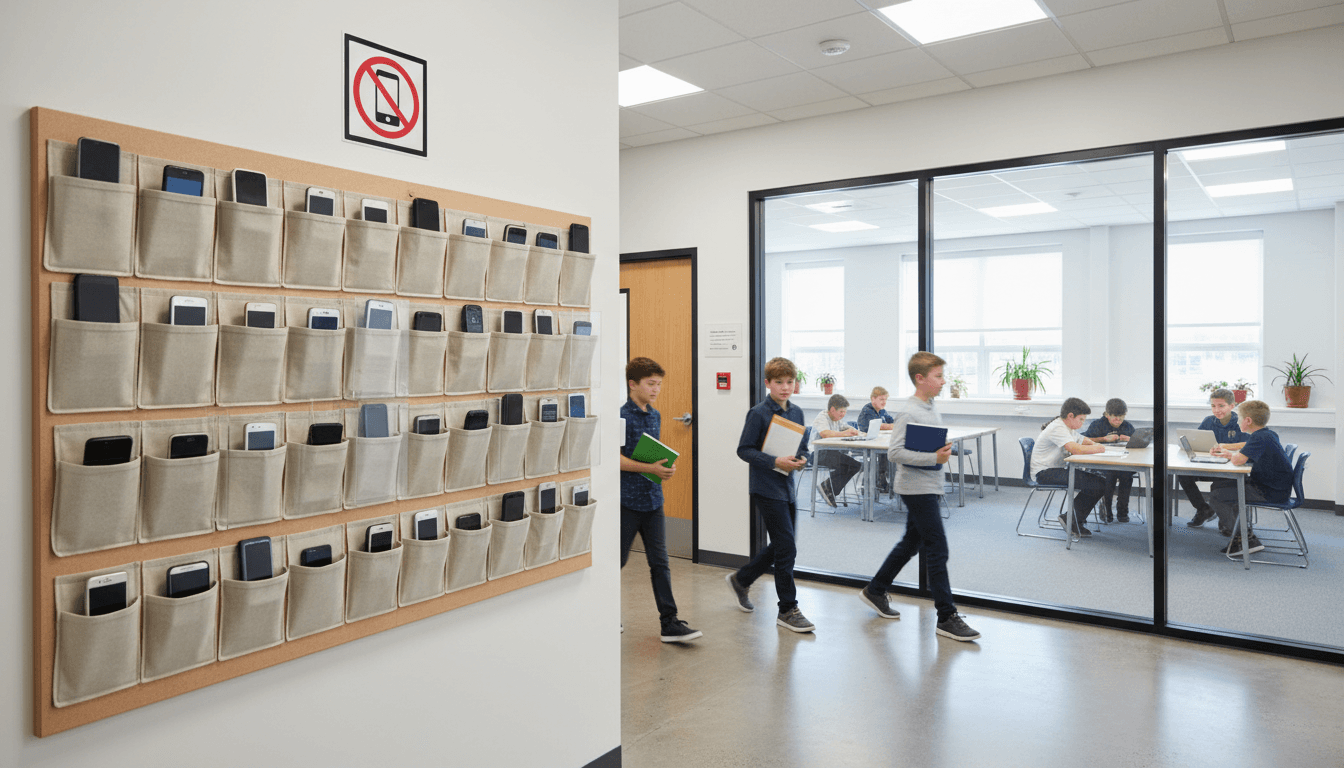
School Phone Ban Newsletter: Communicating a No-Phone Policy to Families
How to communicate a school cell phone ban or restriction to families, including enforcement methods, emergency contact alternatives, and research backing.
School Podcast Program Newsletter: Communicating Student Audio Production to Families
How to write newsletters about your school podcast program that explain the skills students build, the equipment involved, and how families can listen and engage.
School Remote Learning Newsletter: Communicating During Snow Days, Illness, and Hybrid Schedules
How to communicate remote learning days clearly, what families need before a virtual day, and how to check in on student mental health during extended remote periods.
Communicating Your School's Robotics Program to Families and the Community
How school leaders and robotics coaches can use newsletters to explain the robotics program, build community support, announce competitions, and connect robotics participation to broader STEM learning outcomes.
What Schools Should Communicate About Screen Time in the Newsletter
How school leaders can use newsletters to share evidence-based screen time guidance, explain school screen time policies, and help families manage device use at home without guilt or confusion.
Addressing the Social and Emotional Side of Student Technology Use
How school counselors and technology coordinators can use newsletters to address the mental health and social-emotional dimensions of student technology use, help families navigate digital wellness, and support students in developing healthy technology relationships.
Communicating Your School's Social Media Policy Through the Newsletter
How school leaders can use newsletters to explain social media policies, address family concerns, and help students develop healthy social media habits on and off campus.
Using the Newsletter to Build and Support Your School Technology Club
How school advisors and principals can use newsletters to recruit members for the school technology club, communicate what members are working on, and build community awareness of student-led technology projects.
School Tech Fair Newsletter: Communicating Student Technology Showcases to Families
How to write newsletters before and after your school tech fair, what families can expect to see, how students prepare their projects, and how to maximize family attendance and engagement.
School Technology Budget Newsletter: Communicating Tech Spending Decisions to Families
How to communicate your school's technology budget to families, what the school spends on technology and why, how families can advocate for technology funding, and how budget decisions affect classroom learning.
School Technology Committee Newsletter: Keeping Families Informed on Tech Planning and Decisions
How to communicate your school technology committee's work to families, including what the committee does, how decisions are made, how parents can participate, and what changes are coming.
Making School Technology Accessible for English Learner Families
How school technology coordinators and ELL coordinators can use newsletters to help families who are English learners navigate school digital tools, access translated resources, and support their children's digital learning at home.
Addressing Technology Equity Through School Newsletter Communication
How school leaders can use newsletters to acknowledge the digital divide, communicate what resources the school provides for equitable technology access, and ensure all families know how to request support.
School Technology Equity Program Newsletter: Communicating Device and Internet Access Support to Families
How to communicate your school's technology equity initiatives to all families, including device lending programs, home internet assistance, digital skills support, and how to apply for resources without stigma.
School Technology Help Desk Newsletter: Helping Families Get Technical Support Quickly
How to communicate your school's technology help desk services to families, including how to submit a ticket, what issues the help desk handles, expected response times, and how families can solve common problems themselves.
Helping Families Support Technology-Based Homework at Home
How school leaders and teachers can use newsletters to prepare families for technology-based homework, troubleshoot common problems, and support students who work on digital assignments at home without constant school help.
School Technology Integration Specialist Newsletter: Introducing the Role to Families
How to introduce your school's technology integration specialist to families, explain what the role does, how they support teachers and students, and how families can connect with them for help.
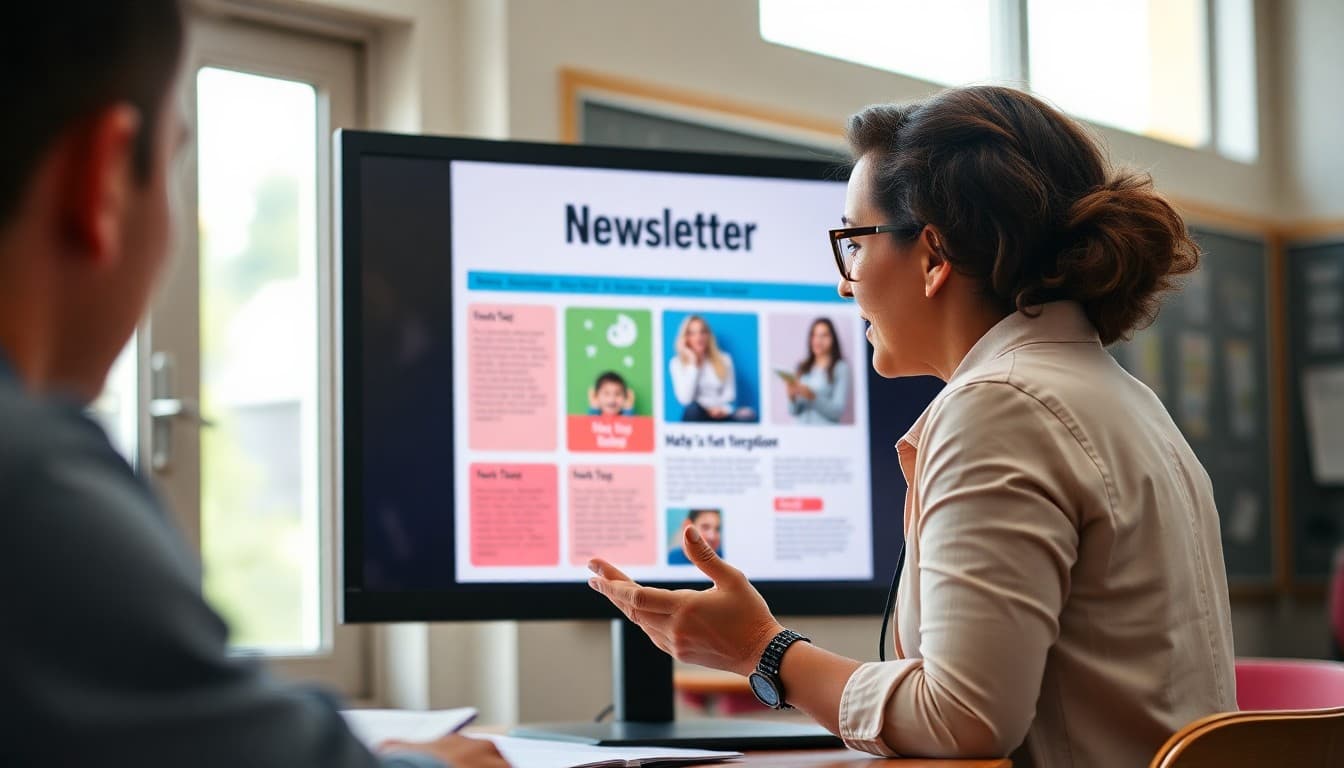
Guide to Using Your School Newsletter to Communicate Technology Programs
How principals and technology coordinators can use school newsletters to explain tech programs, manage family expectations, and build digital literacy culture across the school community.
School Technology Newsletter: How to Communicate Digital Programs and Device Policies to Families
What school technology newsletters need to cover, how to calibrate your message for skeptical parents, and how to communicate both benefits and guardrails.
School Technology Safety and Internet Filter Newsletter: What Families Need to Know
How to explain your school's internet filtering system, what it blocks and why, what students can and cannot access on school devices, and how the filter works differently at school vs. at home.
Communicating School Technology Upgrades to Families
How school technology coordinators and principals can use newsletters to announce technology upgrades, prepare families for transitions, and build community support for technology investments.
School Technology Volunteer Program Newsletter: Engaging Families in Tech Support and Education
How to communicate your school's technology volunteer program to families, what roles are available, what background checks or training are required, and how volunteers strengthen the school's technology capacity.
School Typing and Keyboarding Program Newsletter: Communicating Keyboard Skills to Families
How to explain your school's typing and keyboarding program to families, including why it matters in a touchscreen world, what benchmarks students work toward, and how families can support practice at home.
Communicating Your School's Esports and Video Game Program to Families
How school leaders can use newsletters to explain esports programs, address family concerns about video games in school, describe the educational value, and build community support for competitive gaming as an extracurricular.
School Video Production Class Newsletter: Communicating Media Literacy and Filmmaking Education
How to write newsletters about your school's video production program that explain the skills students build, what equipment they use, where families can watch student work, and how the program connects to careers.
School VR and Immersive Learning Newsletter: Communicating New Technology to Families
How to communicate school VR programs to families, including what it is used for, health and age considerations, consent, equity, and what to expect before first use.
School Website Newsletter: Keep Your Site Working for Families
A school website newsletter guides families to the right pages, highlights new features, and drives traffic to content that matters. Here is how to write one.
Communicating Your School's WiFi and Network Access Policy
How school technology coordinators can use newsletters to explain school WiFi policies, filtered internet access, guest network rules, and what students can and cannot do on the school network.
Schoology Parent Newsletter: Navigating the Platform
Send a Schoology parent newsletter that walks families through the Schoology parent portal, grade access, assignment tracking, and how to stay connected to their child's coursework.
Screen Recording Newsletter: Tutorial Videos for Families
Send a screen recording newsletter explaining how teachers create tutorial videos for students, what tools they use, and how families can access instructional recordings at home.
Technology Acceptable Use Newsletter for School Families
Send a technology acceptable use newsletter that translates your school AUP into clear family guidance, covering digital citizenship, consequences, and student responsibilities.
TikTok and Schools: What to Include in Your Parent Newsletter
A school newsletter about TikTok helps families understand safety risks, age requirements, screen time concerns, and how to talk with students about what they are seeing.
Twitter and School Communication: A Newsletter Strategy Guide
Learn how schools use Twitter for real-time updates, community building, and crisis communication alongside their primary email newsletter to reach more families effectively.
Virtual Reality Classroom Newsletter: Immersive Learning Updates
Send a virtual reality classroom newsletter that explains how VR headsets are used in your school, what students experience, and how immersive learning connects to curriculum goals.
School WiFi Newsletter: Home Internet Support for Students
Send a school WiFi newsletter that connects families to home internet resources, explains school network policies, and helps students with homework connectivity challenges.
YouTube and the School Newsletter: What Families Need to Know
Help families understand how YouTube is used in classrooms, what safety filters are in place, and how to set appropriate boundaries for educational video content at home.
Zoom Fatigue and School Newsletters: Moving Meetings to Email
Zoom fatigue is real for teachers and families. Learn how moving routine school updates from video calls to newsletters saves time and improves information retention.
Common questions
How do I explain the school's AI policy to families?
Start with what the policy is and is not. Use the tool names families already know rather than jargon like "generative AI." Then explain why: what skills you are protecting and what tools you are adding. "We allow AI tools for research and drafting, but students must revise and submit original thinking" is clear.
How should a school communicate about cyberbullying?
Do not wait for an incident. Send a proactive newsletter at the start of each year explaining your digital citizenship curriculum, what cyberbullying looks like, how students can report it, and what the school's response process is. Families who receive that newsletter handle incidents differently than families who only hear about it after their child is involved.
What should a device policy newsletter include?
What devices students are allowed to bring, when they may be used, what happens if a device is confiscated, and what the school provides versus what families are expected to supply. Include the replacement cost for school-issued devices if relevant. Clear policies reduce conflict.