

Addressing Technology Equity Through School Newsletter Communication
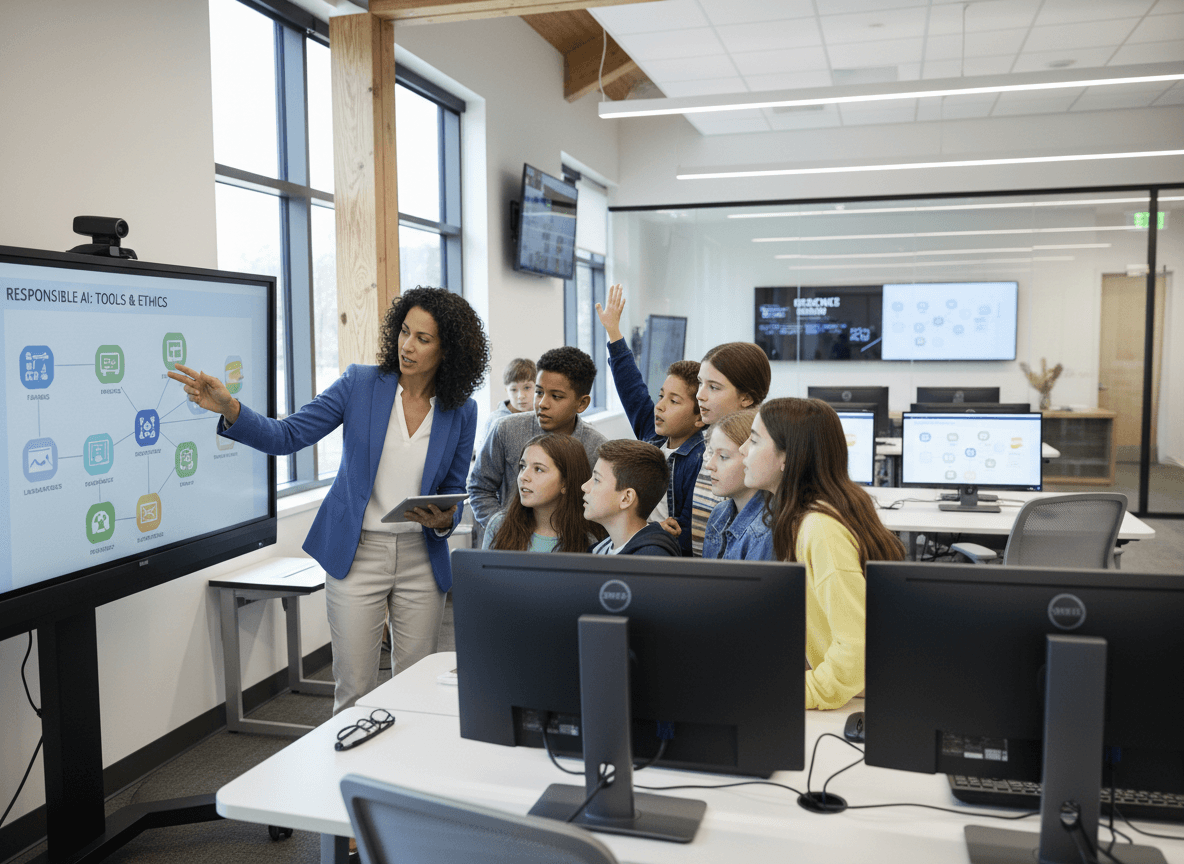
Technology equity is not only a community problem. It is a school communication challenge. When digital assignments, learning platforms, and parent portals become the primary infrastructure for student learning, families without reliable device and internet access are effectively excluded from their children's education. The newsletter is where you name that reality and describe what the school is doing about it.
Acknowledge the Gap Without Stigmatizing
Newsletter language about technology equity matters. Language that treats digital access as a given, or that implies families who lack it are failing to provide for their children, discourages the families who most need support from identifying themselves and asking for help.
Frame the gap as an infrastructure issue: "We know that not every family has consistent home internet or a device available for every student. We have resources to support families who need them. Here is how to access those resources." That framing removes the stigma and replaces it with a practical path forward.
List Every Available Resource
The newsletter should describe every technology equity resource the school or district makes available: device lending programs, mobile hotspot lending, library and community computer access during specific hours, homework help programs that do not require home internet, and any community broadband programs families in the district may qualify for.
Many families who would qualify for these resources do not know they exist. The newsletter is your highest-reach channel for making sure that information gets to the families who need it, without those families needing to ask first.
Make Resource Requests Confidential and Easy
The newsletter should describe how families request resources in a way that is both easy and private. "Families can request a device or hotspot at the main office. All requests are handled confidentially. There is no application or approval process required."
Lending programs that require public demonstration of need, or that carry a stigma in the school community, will not be used by the families who need them most. The newsletter language shapes whether families feel safe asking.
Describe Offline Alternatives
Some families cannot or will not access digital school tools regardless of what resources are available. The newsletter should describe what offline alternatives exist: paper newsletters available at school pickup, phone-in options for families who prefer not to use digital communication, and teacher accommodation processes for students who cannot complete digital assignments at home.
Address Digital-Only Communication as an Equity Issue
Schools that communicate exclusively through apps, email, and digital portals are not communicating with all families. A brief newsletter acknowledgment of this, along with the school's paper and phone alternatives, signals that the school sees all families rather than only the digitally connected ones. That signal matters for trust, and for the families who most need the school to see them.
Get one newsletter idea every week.
Free. For teachers. No spam.
Frequently asked questions
How should the newsletter address the digital divide without stigmatizing families who lack technology access?
Frame technology access as an infrastructure issue, not a personal failure. 'We know that not every family has reliable home internet or a device for every student in the household. We have resources to help. Here is how to request them.' Language that normalizes the gap and leads immediately with available support avoids the stigma that prevents families who need help from asking for it.
What technology equity resources should schools communicate in the newsletter?
Device lending programs, mobile hotspot lending, library and community computer access hours, offline assignment options for students without home internet, and community broadband programs families may qualify for. Many families who qualify for these resources do not know they exist. The newsletter is the most consistent channel for making sure that information reaches every family.
How do you communicate about device lending programs fairly and accessibly?
Describe the program without requiring families to demonstrate financial need publicly. 'Any family who needs a device or hotspot for a student can request one at the main office. Requests are confidential.' A lending program that requires families to prove need in front of other families is a lending program most families who need it will not use.
How should the newsletter address the reality that digital communication channels exclude families without devices?
Acknowledge it and describe the school's offline alternatives: paper newsletters available at pickup, phone call options for critical communications, and office hours where families can receive information in person. Schools that communicate exclusively digitally while serving families without reliable digital access are not serving all their families. The newsletter is where you name that problem and your solution.
How does Daystage support technology equity communication?
Daystage helps schools communicate technology equity resources in newsletters that reach all families, including those who may most need the support. Schools use it to ensure that every newsletter includes clear, stigma-free information about available technology resources so that access gaps do not become learning gaps.

Adi Ackerman
Author
Adi Ackerman is a former classroom teacher and curriculum writer with 8 years in K-8 schools. She writes about school communication, parent engagement, and what actually works in real classrooms.
More for Technology
Ready to send your first newsletter?
3 newsletters free. No credit card. First one ready in under 5 minutes.
Get started free