Blog /
Department Newsletters
Newsletter guides for department chairs, subject coordinators, and curriculum leaders in K-12
A department newsletter operates at a level between the classroom and the school. It reaches families who have a student in any of several classes, which means the communication has to be relevant to all of them without being so general that it is relevant to none. The articles here address that specific challenge. You will find guides for math department chairs, science coordinators, ELA department heads, and curriculum leaders writing communication that represents multiple teachers without speaking for them. There are also resources for communicating about curriculum changes, new standards, department-wide assessments, and coordinating the message when a district initiative touches every class in a subject area.

World Language Department Newsletter: Language Learning Updates
How school world language departments use newsletters to share language program updates, exchange opportunities, AP exam information, and cultural events with families.

World Languages Department Newsletter: Connecting Language Learning to Families
How world languages department chairs can write parent newsletters that explain proficiency levels, cultural curriculum, and how families can support language learning at home.

STEM Department Newsletter: Science Technology and Innovation Updates
How school STEM programs use newsletters to share project updates, competition news, maker space activities, and pathway information with students and families.

STEM Lab Newsletter Guide: Communicating Hands-On Science and Engineering to Families
A STEM lab newsletter shows families what students are building, testing, and discovering in the lab, and connects that work to the science and engineering skills that matter beyond school.

Technology Department Newsletter: Communicating Devices, Digital Learning, and AI to Families
How technology department chairs and instructional tech coordinators can write newsletters that explain device policies, digital literacy curriculum, and AI tools to school families.
Theology Department Newsletter: Faith and Learning Updates for Families
How faith school theology departments use newsletters to share curriculum units, service learning, spiritual formation activities, and religious enrichment opportunities.

Welding Class Newsletter: Trade Skills in School
Write a welding class newsletter that communicates welding process training, AWS certification preparation, project highlights, and career pathways in the welding trades.
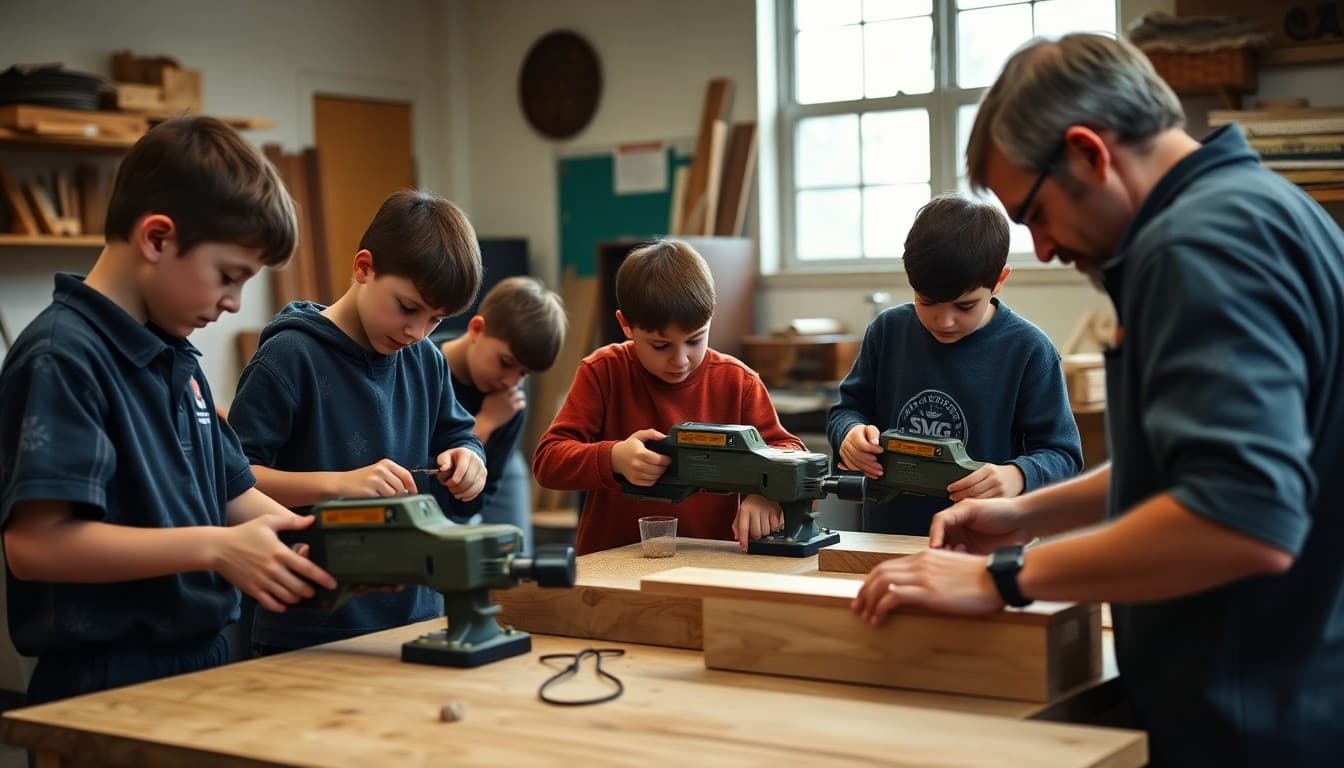
Woodworking Class Newsletter: Building Skills and Safety
Write a woodworking class newsletter that updates families on projects being built, safety protocols, tool certifications, and career pathways in the wood trades.

Science Department Parent Communication: A Newsletter Guide
How science department chairs can communicate lab work, safety policies, project timelines, and curriculum changes to families in a clear, readable newsletter.

Science Lab Safety Newsletter: Communicating Lab Protocols and Safety Expectations to Families
Lab safety is not just a classroom requirement. It is something families need to understand so they can reinforce expectations at home and respond appropriately when something goes wrong.

Social Studies Department Newsletter: Connecting Curriculum to Current Events
How social studies department chairs can write parent newsletters that explain history, civics, and geography units while helping families extend learning conversations at home.
Special Education Department Newsletter: Inclusion and Support Updates
How special education departments use newsletters to communicate IEP processes, inclusion practices, transition planning, and family rights to students and families.

Special Education Department Communication: Newsletter Guide for SPED Chairs
How special education department chairs can use newsletters to keep families informed about services, IEP timelines, and transition planning while maintaining appropriate privacy.
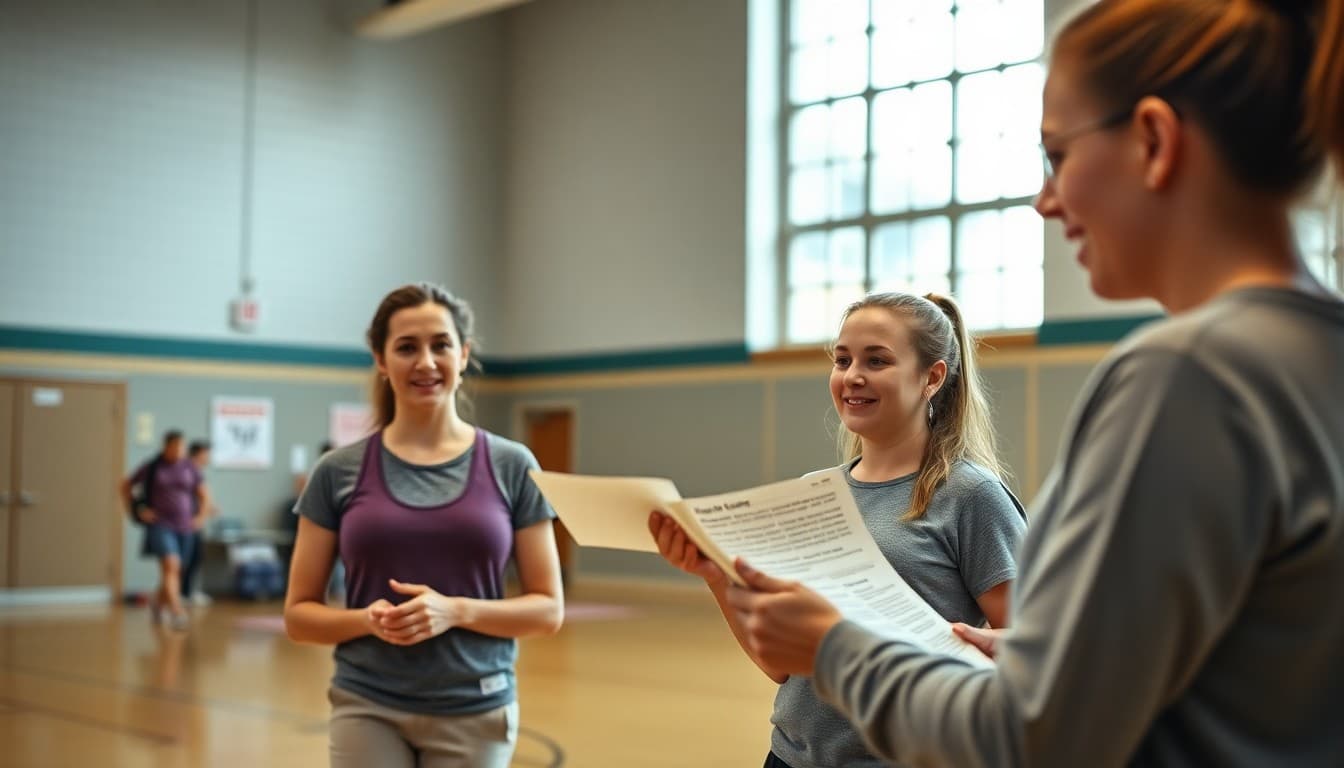
Physical Education Department Newsletter: Fitness and Movement Updates
How school PE departments use newsletters to communicate fitness units, uniform requirements, assessment criteria, and wellness resources to students and families.
Philosophy Department Newsletter: Critical Thinking Updates and Topics
How high school philosophy departments use newsletters to share Socratic discussion topics, ethics units, and enrichment opportunities with students and families.

Psychology Department Newsletter: Mind and Behavior Course Updates
How school psychology departments use newsletters to share curriculum topics, research projects, AP exam preparation, and career pathway information with families.

Reading Specialist Newsletter: Communicating Literacy Support and Reading Development to Families
Reading specialists provide intervention and enrichment that parents often do not fully understand. A reading specialist newsletter clarifies what literacy support looks like and gives families practical tools to support reading development at home.

School Nurse Newsletter: Communicating Student Health, Wellness, and Medical Policies to Families
A school nurse newsletter keeps families informed about health protocols, seasonal illness patterns, medication policies, and wellness resources before they become urgent issues.

Science Department Newsletter: Labs Research and Learning Updates
How school science departments use newsletters to share lab schedules, research opportunities, science fair information, and curriculum updates with families.

Music Department Newsletter Guide: Communicating Performances, Programs, and Progress to Families
Music departments have high family engagement potential but often miss it because communication is scattered and late. Here is how to build a music department newsletter that keeps families informed and shows up at performances.
Music Department Newsletter: Performances Programs and Practice
How school music departments use newsletters to communicate performance schedules, practice expectations, instrument needs, and audition information to families.
Nursing Assistant Class Newsletter: CNA Training Updates
Write a nursing assistant class newsletter that tracks CNA training progress, state competency exam preparation, clinical site partnerships, and career outcomes for students.

Nutrition and Food Services Newsletter: Communicating School Meal Programs to Families
A food services newsletter helps families understand lunch programs, free and reduced meal benefits, and nutrition education, while reducing stigma and increasing participation in school meal programs.

PE Department Newsletter Guide: Communicating Physical Education to Families
How PE department chairs can build a parent newsletter that explains fitness goals, sport units, and wellness initiatives in a way families find useful and motivating.

History Department Newsletter Guide: Bringing the Past Into the Family Conversation
A history department newsletter can do more than announce test dates. It can turn historical topics into dinner table conversations and show families how studying the past develops skills that matter in the present.
History Department Newsletter: Exploring the Past Together
Write a history department newsletter that connects document-based learning to families. Templates, tips, and examples for history teachers and department chairs.

Library Department Newsletter: Books Resources and Programs
How school librarians use newsletters to announce new book arrivals, library programs, database access, and reading initiatives that connect students to resources.

Library Media Center Newsletter: Connecting Families to Reading, Research, and Digital Literacy Programs
A library media center newsletter extends the librarian's reach beyond the school building, connecting families to reading lists, digital resources, and research skills their students are developing.

Math Department Newsletter Guide for K-12 Schools
How math department chairs can build a parent newsletter that explains curriculum, test prep, and learning goals without losing families in jargon.
Math Department Newsletter: Updates for Students and Families
How high school math departments use newsletters to share curriculum updates, exam schedules, tutoring resources, and course information with students and families.
Gifted Department Newsletter: Enrichment and Competition Updates
How gifted education coordinators use newsletters to share identification processes, enrichment programs, academic competitions, and advancement opportunities with families.

Gifted Education Department Newsletter: Communicating Advanced Learning Programs to Families
Gifted education programs are often misunderstood by both participating families and the broader school community. A department newsletter clarifies how the program works, what families can expect, and how to support high-potential learners at home.

Health Careers Class Newsletter: Medical Pathways at School
Write a health careers class newsletter that communicates clinical simulation activities, certification milestones, healthcare career pathways, and college preparation for medical-track students.

Health Department Newsletter Guide: Communicating Health Education to Families and Students
A health department newsletter connects classroom health instruction to home practices, addresses parent concerns about sensitive topics proactively, and builds the family-school partnership that health education requires.
Health and PE Department Newsletter: Wellness Curriculum Updates
How combined health and PE departments use newsletters to communicate wellness curriculum topics, fitness assessments, and health education content to families.

High School Department Newsletter Guide: Communicating with Families at the Secondary Level
A practical guide for high school department chairs on writing newsletters that engage families of teenagers who are increasingly independent while still needing family support.

ELL Department Newsletter Guide: Communicating Language Support Services to Families and Staff
An ELL department newsletter serves two audiences: multilingual families who need to understand the services their children receive, and school staff who need to coordinate effectively with language support specialists.
ELL Department Newsletter: Language Acquisition Program Updates
How school ELL departments use newsletters to explain language acquisition programs, communicate family rights, and connect English learner families to school resources.
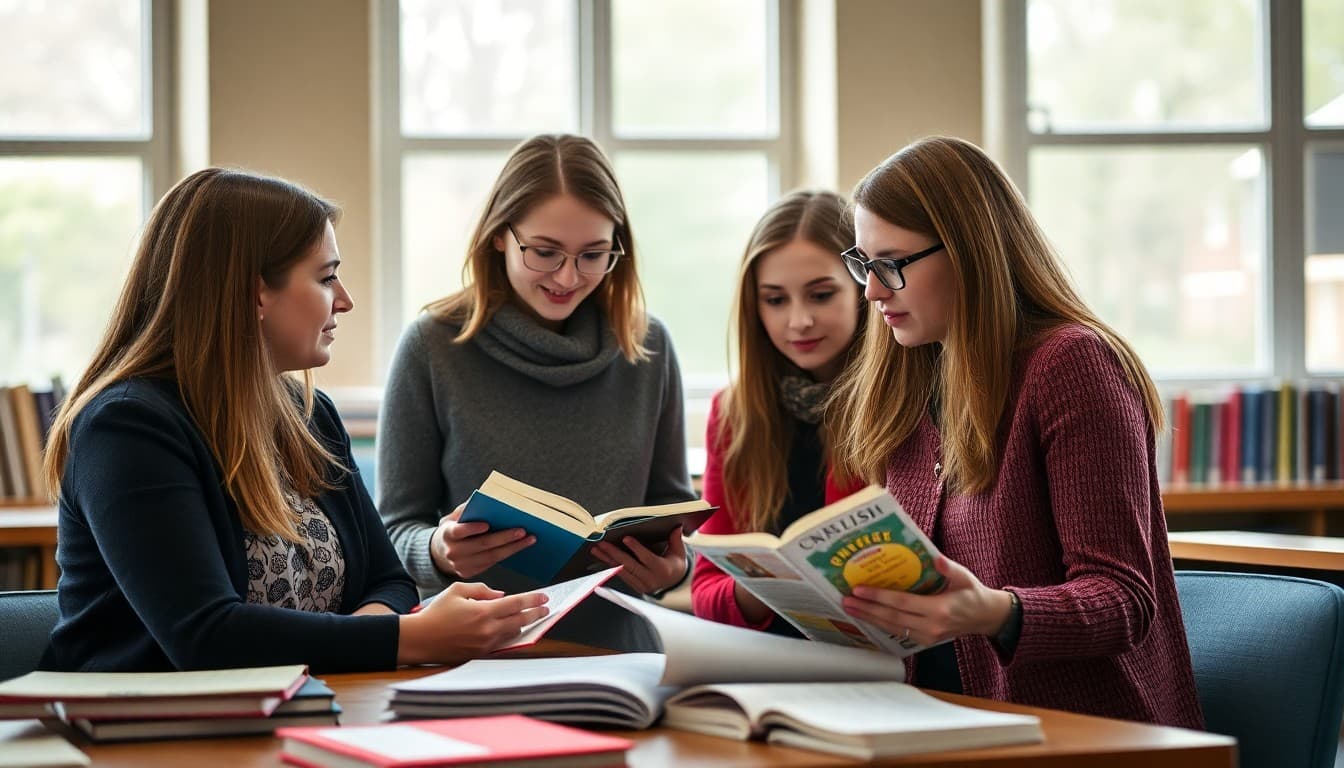
English Department Newsletter: Reading Writing and Literature Updates
How school English departments use newsletters to share reading lists, writing assignment timelines, exam information, and enrichment opportunities with students and families.

Fine Arts Department Newsletter: Communicating Visual Art, Music, and Theater to Families
How fine arts department chairs can write newsletters that showcase student creative work, communicate performance schedules, and build family support for arts programs.

Foreign Language Department Newsletter: Building Family Support for Language Learning
Language acquisition requires consistent practice beyond the classroom, and families who understand how language learning works are better partners in it. A foreign language department newsletter bridges that gap.

STEM Department Newsletter Guide: Communicating Science, Technology, Engineering, and Math as One
How integrated STEM department chairs can build newsletters that explain project-based learning, maker spaces, robotics, and cross-disciplinary work to families in concrete, engaging language.

Department Testing Communication: What to Tell Families Before, During, and After Assessments
A guide for department chairs on writing newsletters that prepare families for standardized testing, benchmark assessments, and end-of-unit exams without creating unnecessary anxiety.
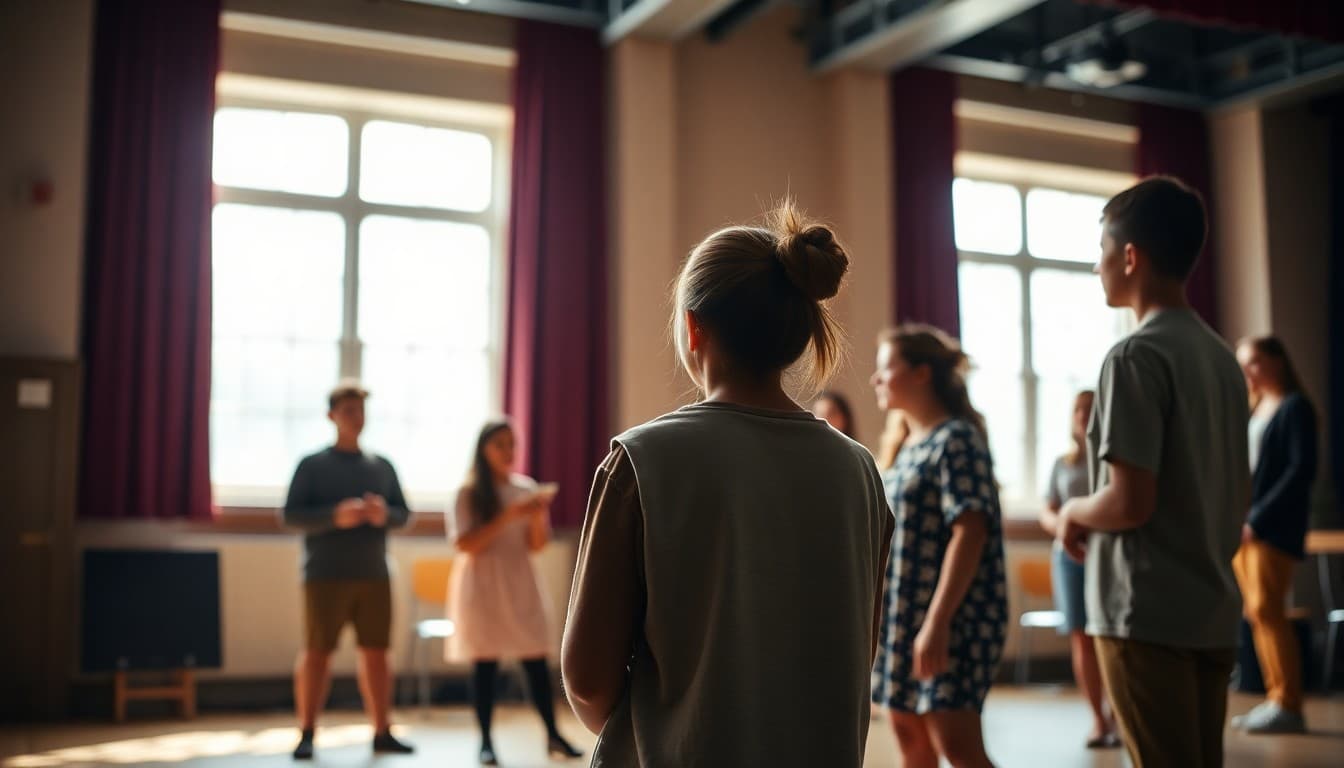
Drama Department Newsletter: Production and Performance Updates
How school drama departments use newsletters to announce auditions, share production timelines, recruit crew volunteers, and celebrate theatrical achievements.

Drama and Theater Department Newsletter: Building Audience and Community Around School Productions
Theater programs live and die by their community. A drama department newsletter builds the audience, communicates rehearsal needs, and makes the case for why theater belongs in every student's education.

ELA Department Newsletter Guide: Communicating Reading and Writing to Families
A practical guide for ELA department chairs on building a parent newsletter that translates literacy curriculum, reading levels, and writing units into plain language families can act on.
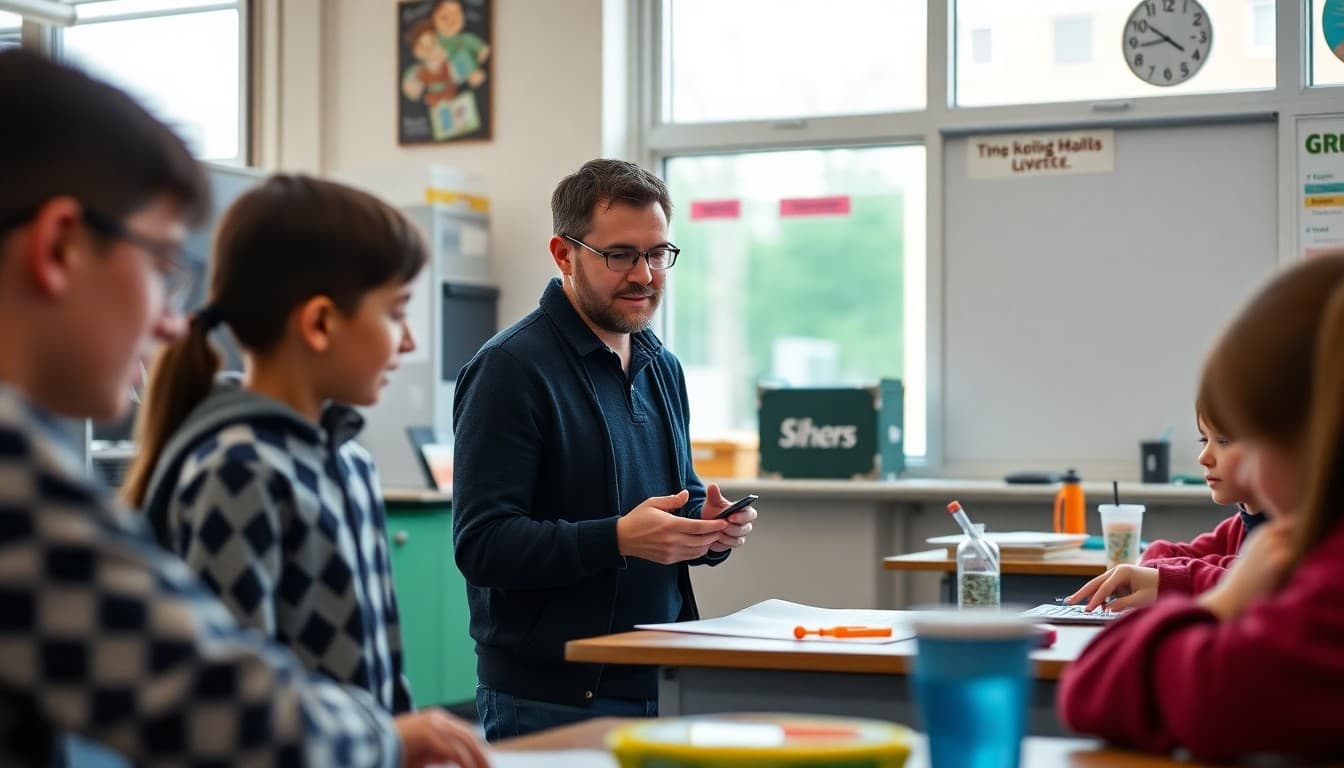
Elective Class Newsletter Guide: Communicating Your Course
A practical guide for elective teachers writing newsletters that inform families, build enrollment, and show the real value of non-core courses. Templates included.

Department Newsletter Subject Line Tips: How to Write Subject Lines That Get Opened
Most school newsletters get ignored because the subject line looks like every other school email. Here is how to write subject lines that make families choose to open your department newsletter instead of archiving it.
Common questions
What should a department newsletter include?
A brief summary of what students across all sections are working on, upcoming deadlines that apply across the department such as unit tests and AP exams, any curriculum or policy changes families should know about, and contact information for the relevant teachers. Keep it shorter than a classroom newsletter. You are the coordinator, not the primary communicator.
How do I coordinate newsletter content across multiple teachers?
Build a shared template that teachers contribute to monthly. Assign one section per teacher: their class update, their upcoming dates, their need from families. The department chair writes the introduction and compiles. Teachers who contribute content are more likely to stay aligned with the department's messaging.
When should a department newsletter be sent instead of individual teacher newsletters?
When the information is relevant across all sections: a new curriculum adoption, a standardized test schedule, a departmental policy change. Individual teachers should still communicate class-specific content directly. The department newsletter handles what is shared, not what is individual.