
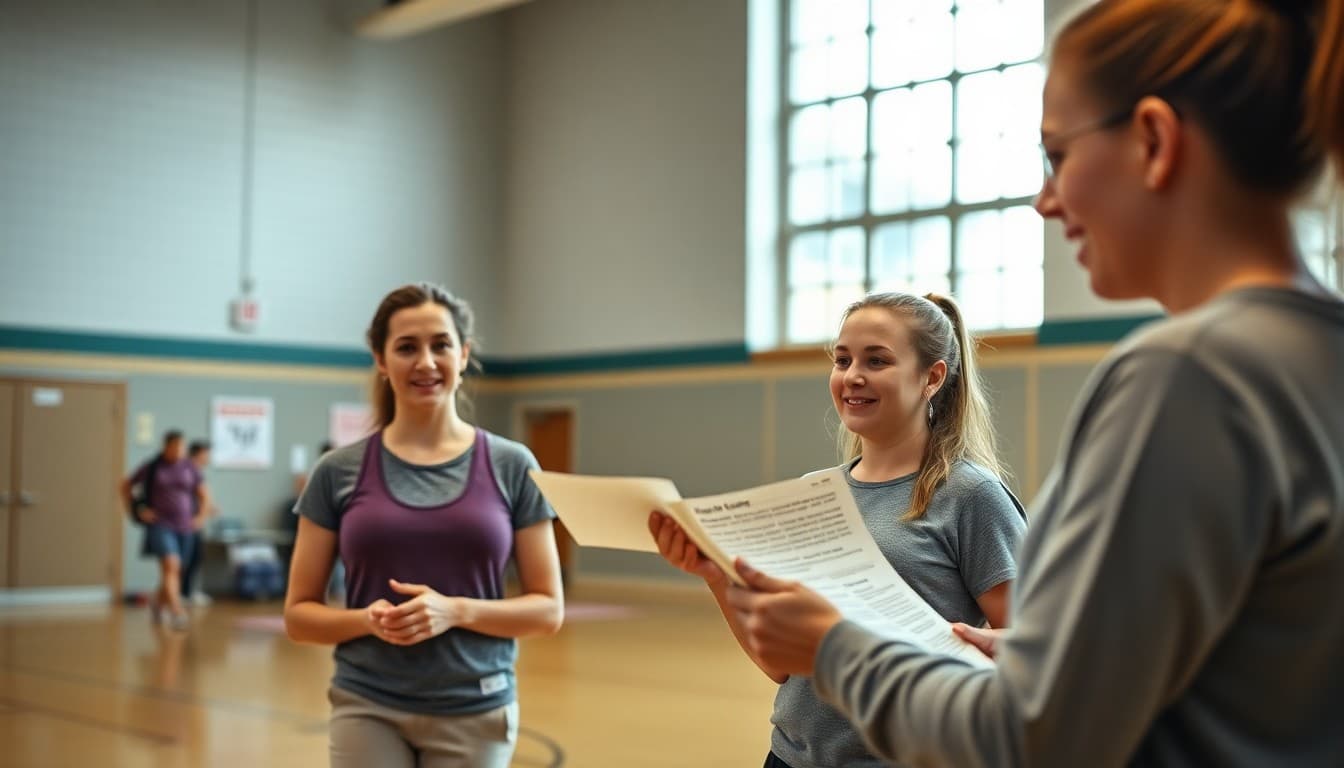
Physical Education Department Newsletter: Fitness and Movement Updates
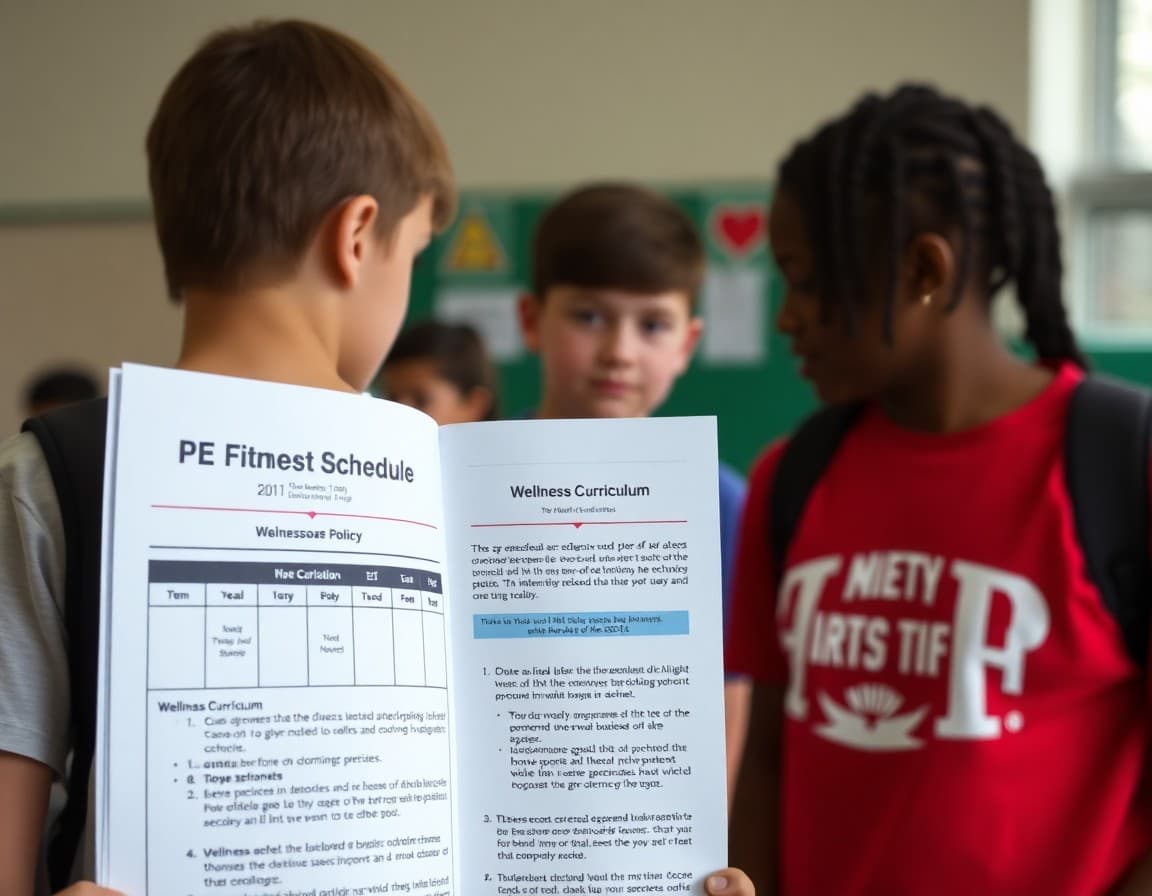
Physical education is the only academic subject where the performance happens in the student's body in real time. Families have strong opinions about fitness, body image, and what their children should and should not do in a school setting. A PE department newsletter that communicates clearly about what students are doing, how they are assessed, and why the curriculum is designed the way it is builds family support for the program and prevents the misunderstandings that generate complaints.
Start With What PE Actually Teaches
Many families believe PE class is organized free play or organized sport with a grade attached. The reality in most modern PE programs is a structured curriculum covering fitness concepts, movement skills, cooperative activities, lifetime sports, and wellness. Your first newsletter of the year should explain what your department's PE curriculum covers and why. "This year, students will rotate through units on fitness concepts, team sports, individual sports, and cooperative activities. Each unit has specific skills and knowledge objectives. Students are assessed on participation, effort, skill development, and fitness knowledge, not on athletic performance." That single paragraph reframes PE for most families.
Communicate the Unit Rotation Schedule
A unit rotation schedule published at the start of the year helps families prepare for upcoming activities. "October-November: Swimming unit (school pool). Students need a swimsuit, towel, and secure footwear for pool deck. December: Indoor team sports, no additional equipment needed. January-February: Rock climbing unit (school gym wall). No experience required, all equipment provided." Families who know a swimming unit is coming can make sure their student has appropriate swimwear. Families who find out on Monday that their student needs a swimsuit by Tuesday are frustrated and unable to help.
Explain Fitness Assessment Without Alarm
Fitness testing seasons generate anxiety for some students and parents, particularly around body composition measures or strength benchmarks. Your newsletter should explain what is being tested, what the purpose of the assessment is, and that results are used to guide instruction rather than to rank students. "In October, we administer FITNESSGRAM assessments measuring cardiovascular endurance, muscular strength, flexibility, and body composition. Results are shared with students and families to inform our instructional planning. The goal is to identify where each student is starting and to track growth over the year."
A Sample PE Department Newsletter Section
Here is a template for a quarterly update:
"Physical Education Update, Grades 9-10 -- Current unit: Basketball skills and team play (through November 8). Uniform reminder: students must wear appropriate PE clothes and athletic shoes to receive full participation credit. Incomplete uniform = modified participation credit for that day. Fitness assessment (FITNESSGRAM): October 28-November 1. Components: Pacer run, push-up test, curl-up test, trunk lift, sit-and-reach. Results mailed home by November 15. Medical accommodations: students with a doctor's note limiting physical activity should bring documentation to the PE office by October 14. Modified activities available for all conditions. December unit preview: indoor volleyball and badminton skills. No equipment needed."
Address the Uniform Policy Clearly
Uniform non-compliance is the most common administrative friction point in PE departments. A clear newsletter explanation of the policy, the consequences for non-compliance, and the process for obtaining PE clothes if cost is a barrier reduces individual complaints. "Students are required to wear athletic shoes and PE-appropriate clothing (shorts, t-shirt, or athletic pants) each class. Students who arrive without proper attire receive a modified participation grade for that day. Students who need PE clothes but cannot purchase them should contact the PE office -- we have a supply of gently used items available at no cost."
Connect PE to Lifelong Wellness
The strongest argument for physical education is not athletic development: it is the lifelong habit of physical activity. A newsletter section that connects current PE activities to lifetime wellness builds family investment in the program. "The swimming unit is not just about competitive lap times. We are teaching students a skill they can use safely and independently for the rest of their lives. Many adults report that learning to swim in school PE was one of the most practically valuable things their education gave them." That framing changes how families perceive the program's value.
Provide Community Wellness Resources
A PE newsletter that extends beyond school provides families with tools to support their student's wellness at home. Recommended apps for tracking physical activity, local park trails for family walks, free community fitness programs for teenagers, and nutritional resources from the school nurse or cafeteria nutritionist all extend the PE curriculum into the home environment. Students who are active at home perform better in PE, which improves the department's outcomes across the board.
Get one newsletter idea every week.
Free. For teachers. No spam.
Frequently asked questions
What should a PE department newsletter communicate to families?
Current unit of instruction and upcoming unit rotations, fitness assessment schedule (FitnessGram or similar), uniform requirements and consequences for non-compliance, medical accommodation procedures, what students are graded on in PE, any specialized equipment students need for upcoming units, wellness curriculum topics being covered, and community fitness resources. Many families have incorrect assumptions about what PE classes actually teach and assess.
How does a PE department communicate fitness testing information to families?
Explain what fitness assessment is used, what components are measured, when testing occurs, and that assessment scores inform instructional planning rather than serve as a pass-fail. For FITNESSGRAM, explain the Healthy Fitness Zone concept so families understand that the goal is for students to be within a healthy range, not to score higher than peers. Include any resources families can use at home to support their student's fitness between assessments.
How should PE newsletters handle students with medical conditions or physical limitations?
Include a clear statement in every fall newsletter about the accommodation process: what documentation is needed, who to submit it to, and what alternatives are available for students who cannot participate in specific activities. Families managing chronic conditions, recent injuries, or disabilities need this information before their student arrives to class unable to participate. Waiting for the problem to arise before communicating the process is preventable friction.
How do PE departments communicate wellness and health curriculum content to families?
When health topics like nutrition, body image, puberty, or mental health are part of the curriculum, communicate them in advance. Families appreciate knowing that the PE unit on nutrition will cover healthy eating patterns and that the personal wellness unit will include stress management techniques. Proactive communication about these topics reduces the surprise factor and invites families to continue the conversation at home.
Can Daystage support a PE department newsletter?
Yes. Daystage lets PE department chairs build a newsletter with unit rotation schedules, fitness assessment dates, uniform policy reminders, and wellness curriculum previews. Families can access it on any device, including at the gym or at sports practice, which is often when they are thinking about their student's physical activity and would most naturally engage with PE communication.

Adi Ackerman
Author
Adi Ackerman is a former classroom teacher and curriculum writer with 8 years in K-8 schools. She writes about school communication, parent engagement, and what actually works in real classrooms.
More for Department Newsletters
Health and PE Department Newsletter: Wellness Curriculum Updates
Department Newsletters · 6 min read
Athletics Department Newsletter Guide: Communicating Sports Programs, Eligibility, and Events to Families
Department Newsletters · 5 min read
Math Department Newsletter Guide for K-12 Schools
Department Newsletters · 6 min read
Ready to send your first newsletter?
3 newsletters free. No credit card. First one ready in under 5 minutes.
Get started free