
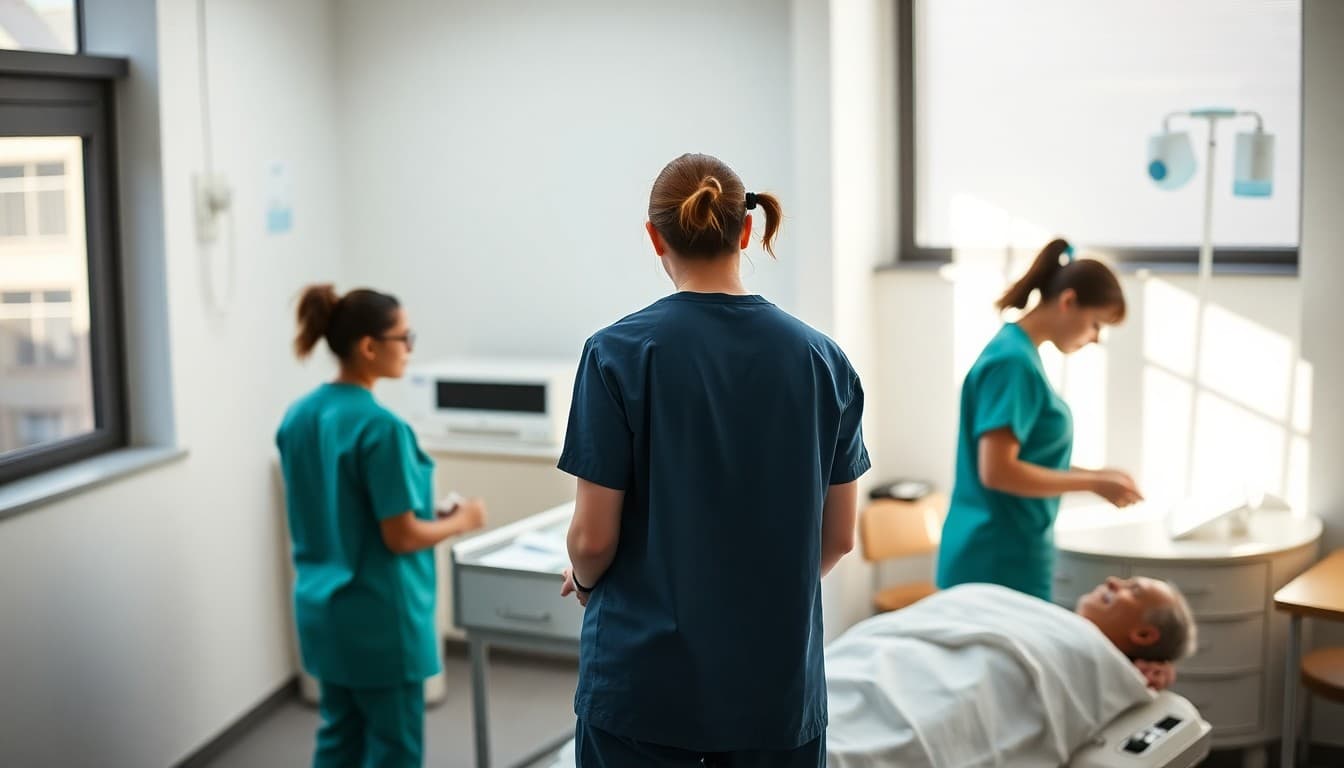
Nursing Assistant Class Newsletter: CNA Training Updates
A high school nursing assistant program is one of the most direct pathways from classroom to employment in the high school curriculum. Students who complete the program and pass the state competency exam are certified CNAs before they graduate. The newsletter should communicate that timeline clearly and celebrate the work it takes to get there.
Clock Hour Progress Tracker
Clock hours are the primary metric for tracking CNA program completion. Report them in every newsletter:
Clock Hour Status - October 31
State requirement: 120 hours (75 classroom + 45 supervised clinical). Class average completed: 48 classroom hours, 0 clinical hours (clinical rotations begin November 14). Projected completion: May 15, 2028. State exam application window: June 2028.
This level of specificity gives families and students a clear picture of where they stand and what the timeline requires.
Clinical Skills Being Taught This Month
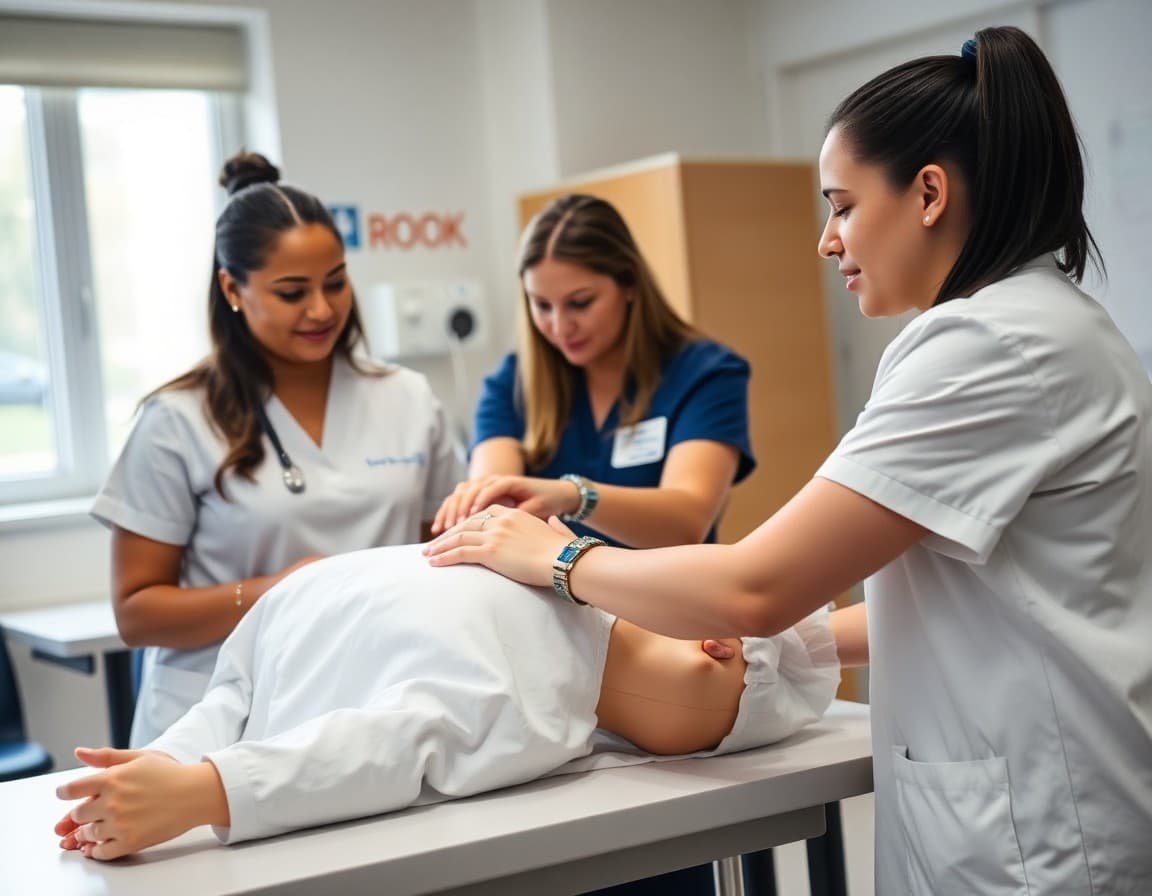
The manual skills test on the state exam covers a specific set of tasks. The newsletter should report which skills students are currently practicing and how close they are to exam-ready proficiency: "This month: personal care skills. Students are practicing bed bath procedure, oral hygiene care, and fingernail care on mannequins and on each other during supervised practice. The state exam requires all three to be completed within a timed window while maintaining privacy, safety, and infection control throughout. We practice each skill until it takes less than 8 minutes and looks comfortable, not rushed."
Template Excerpt: CNA Program Newsletter
CNA Training Program - November Update
Twenty students. Eighty-four classroom hours logged. First clinical day is November 14 at Sunrise Care Center on Grove Street.
The first clinical day is significant. For most students it will be their first time caring for an actual patient rather than a mannequin. That difference is enormous. Please talk with your student about this. What they experience on the first day is normal and valid, whether it feels rewarding, overwhelming, or both. Come back and we will debrief it together.
Clinical logistics: Meet at school at 7:00 AM for transport to Sunrise Care Center. Return approximately 2:30 PM. Students must wear solid-color scrubs (no prints), clean white or black athletic shoes with closed toes, hair up and off the collar, no jewelry except a watch and simple earrings. A government-issued photo ID is required. Phones are not permitted during clinical hours.
State exam prep timeline: We begin dedicated exam prep in February. The written test has 70 questions and requires a passing score of 70%. The manual skills test requires three randomly selected skills performed safely and correctly. Students should begin reviewing their skills list now.
Employment note: Sunrise Care Center has hired three of our CNA graduates in the last two years. Students who complete the program and certify in June are eligible for summer employment at $16 to $19 per hour.
Infection Control Standards Students Learn
Infection control is one of the most heavily tested areas of the CNA exam. The newsletter can reinforce this material for families who want to support their student's learning: "Students must demonstrate proper hand hygiene technique, which means washing for at least 20 seconds with soap, or using a full-coverage alcohol gel application, before and after every patient contact. They must don and doff gloves correctly, including not touching the outer surface of a glove with bare skin during removal. This sounds straightforward but requires deliberate practice to be automatic under observation." Families who understand this can quiz their students at home.
CNA Career Advancement Pathways
CNA certification is not a terminal credential. It is often the first step in a healthcare career: "CNAs who work for two to three years frequently pursue LPN programs (1 year) or ADN nursing programs (2 years). Many employers offer tuition reimbursement for CNAs pursuing additional credentials. Healthcare is one of the few career fields where you can move from high school certificate to RN to BSN in a planned sequence while working and earning at each stage." This long-term career picture motivates students who are working through the most demanding parts of the program.
Get one newsletter idea every week.
Free. For teachers. No spam.
Frequently asked questions
What should a nursing assistant class newsletter include?
Curriculum unit progress, clock hours completed toward state CNA requirements, state competency examination preparation timeline, clinical site placement information, safety and infection control standards being taught, real-world skills demonstrated this month, and information on CNA employment and career advancement pathways.
How do CNA clock hours work for high school programs?
State requirements for CNA certification typically mandate 75 to 150 hours of approved training, including a specific number of supervised clinical hours in an approved facility. High school CNA programs that meet state requirements allow students to sit for the state competency examination directly after completing the course. The newsletter should track hours clearly and communicate exactly what students need to complete before they are eligible to test.
What is the CNA state competency examination?
The CNA state competency exam has two components: a written or oral knowledge test and a manual skills demonstration test where students perform 3 to 5 clinical skills in front of an evaluator. Both must be passed for certification. The written portion tests safety protocols, medical terminology, patient rights, infection control, and basic anatomy. The manual skills test requires precise, safe execution of common care tasks.
What clinical sites do high school CNA programs partner with?
Most high school CNA programs partner with nursing homes, assisted living facilities, or rehabilitation centers for the required supervised clinical hours. Some partner with hospitals for limited observations. The newsletter should communicate which clinical site the class is partnering with, transportation logistics, dress code requirements, and what families need to know before their student's first clinical day.
Can Daystage support a CNA program newsletter sent to a small class?
Yes. Daystage works for any size program. A CNA class of 15 to 20 students can maintain a newsletter list and send monthly updates on clock hour progress, exam preparation, and clinical placement details. The platform is straightforward enough that an instructor focused on clinical training can produce a professional newsletter in under 30 minutes.

Adi Ackerman
Author
Adi Ackerman is a former classroom teacher and curriculum writer with 8 years in K-8 schools. She writes about school communication, parent engagement, and what actually works in real classrooms.
More for Department Newsletters
Health Careers Class Newsletter: Medical Pathways at School
Department Newsletters · 6 min read
Counseling Department Newsletter: What to Include and How to Write It
Department Newsletters · 6 min read
Art Department Newsletter Guide: Sharing Student Work and Program Goals with Families
Department Newsletters · 5 min read
Ready to send your first newsletter?
3 newsletters free. No credit card. First one ready in under 5 minutes.
Get started free