
Woodworking Class Newsletter: Building Skills and Safety
Woodworking produces something that almost no other high school course does: a physical object the student built with their hands. A newsletter that showcases that work and connects it to genuine skills development makes the program visible in a way that matters for enrollment, budget, and community support.
Safety First: How the Shop Works
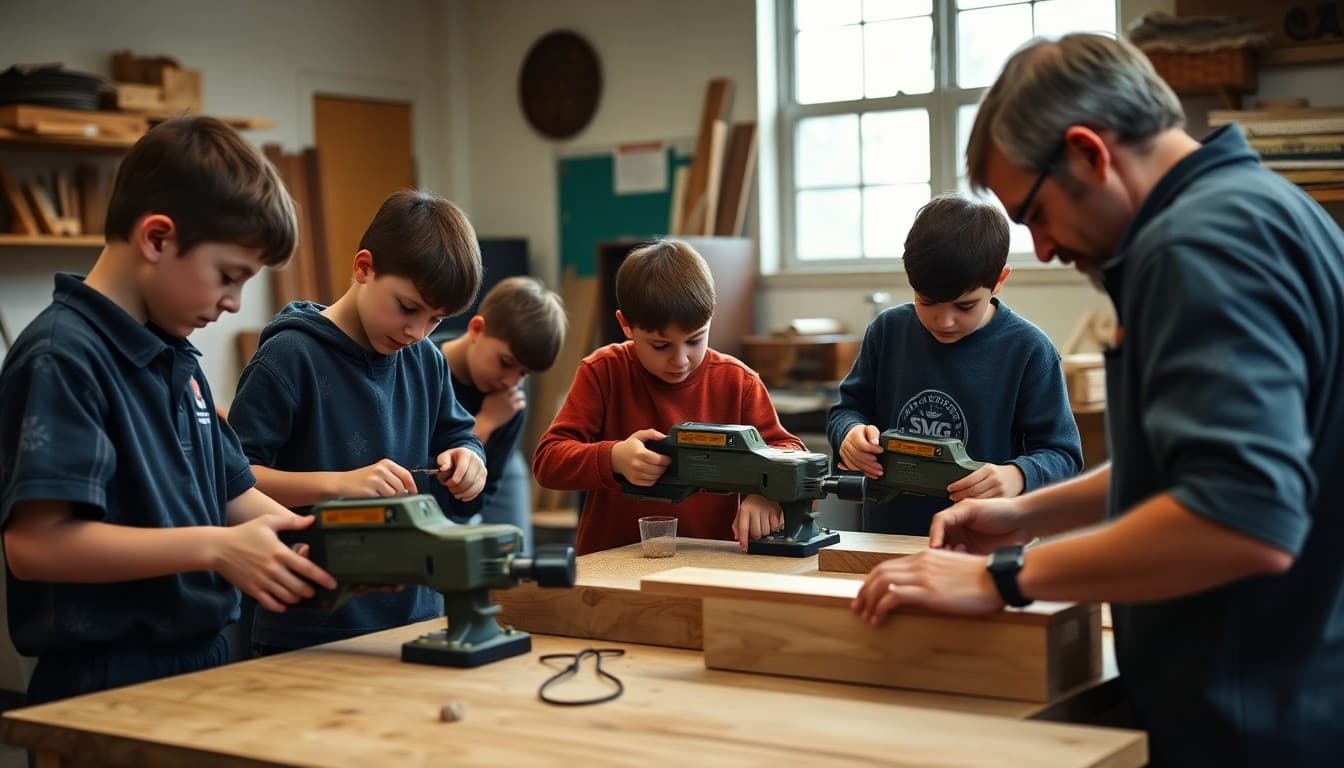
The first newsletter of the semester should establish the safety framework clearly. Parents and students who are new to a woodworking class need to know that safety is systematic, not incidental. "Students complete a written safety test and a demonstrated safe operation assessment for each major tool before using it independently. The sequence is: hand tools first, then band saw, then drill press, then scroll saw, then lathe, and finally table saw. No student operates a power tool without the relevant certification. These standards match those required by the state for industrial arts programs."
Current Project Overview
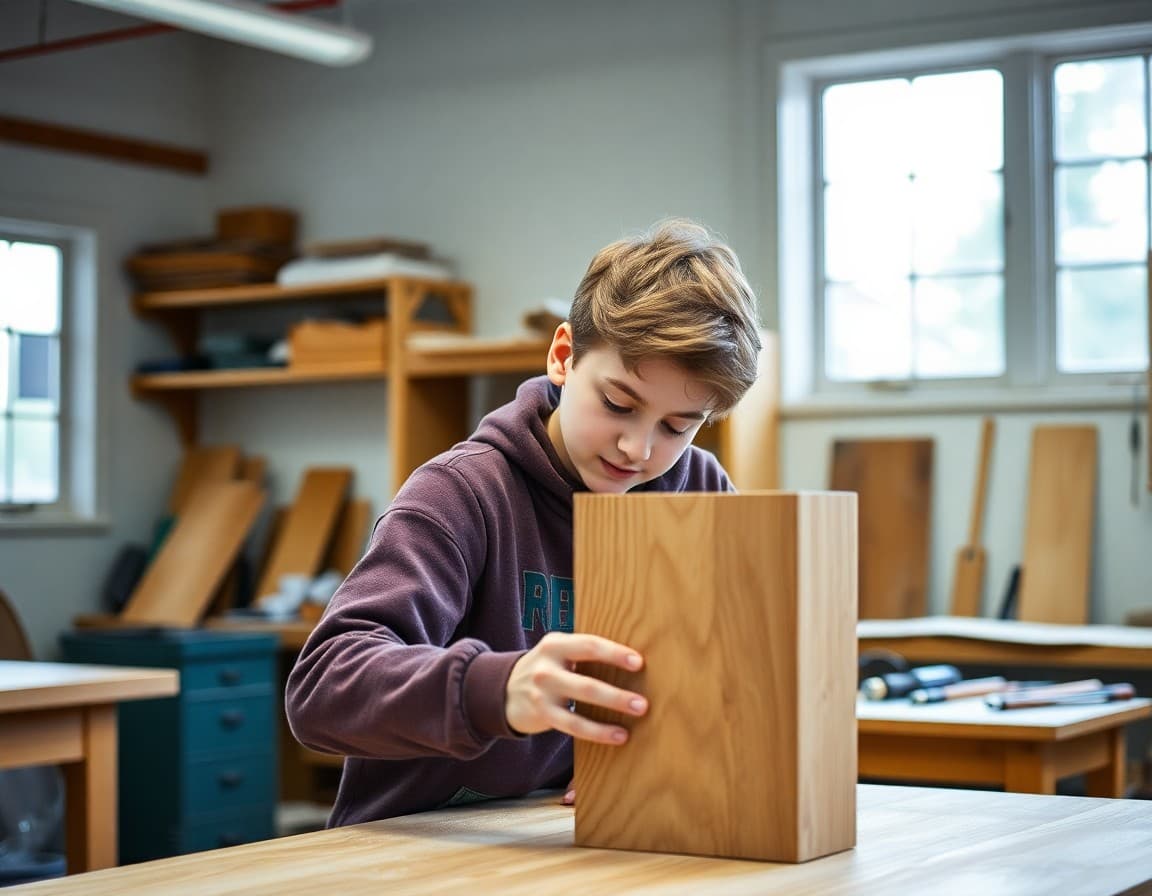
Each newsletter should describe what students are building and at what stage. This gives families something specific to ask about when their child comes home from class: "Beginning students are currently in the joinery unit, learning how to cut and fit a box joint (also called a finger joint) using the table saw with a custom jig. This joint locks wood pieces together without glue for the test fit, then is glued for the final assembly. Box joints are used in high-quality drawer construction. Students will use this technique in their first furniture project next month."
Template Excerpt: Woodworking Monthly Newsletter
Wood Shop News - February | Mr. Torres's Woodworking
Twelve students completed their table saw certifications this month. This is always a milestone in the semester because it opens up the most versatile tool in the shop. The certification process takes two class periods: written test on safe operation and kickback prevention on day one, supervised ripping and crosscutting demonstration on day two. Every student passed.
Current projects: Beginners are finishing their small shelf units (first project using the table saw). Intermediate students are in the second week of their side table project, currently fitting the mortise and tenon joints for the legs. Two advanced students are working independently on a blanket chest project of their own design, supervised at each stage.
Material needs: We are running low on 1x6 select pine in 8-foot lengths. If your workplace or community connection has lumber resources, please reach out. We also accept donations of quality hand tools in working condition.
Upcoming: End of semester project display in the main hallway the week of June 9. Students will present their semester projects. All welcome to view the work.
Skills Students Are Developing
Woodworking develops skills that extend well beyond the shop. Design thinking: students must plan their projects before cutting any material, which requires problem-solving and spatial reasoning. Measurement and math: working to within 1/16 of an inch requires precise calculation and careful measurement. Materials science: understanding wood grain, moisture content, and species characteristics is applied materials science. These connections are worth making explicit in the newsletter for families who may wonder what the class prepares students for beyond building a shelf.
Career Pathways in the Building Trades
The trades have a significant and growing skilled worker shortage. A woodworking class is an entry point for careers in carpentry, cabinetry, millwork, furniture design, set construction, construction project management, and building inspection. Include a brief career pathway section in each semester's opening newsletter: apprenticeship pathways through local union halls, community college certificate programs in construction technology, and any alumni outcomes from past graduates. Connecting the class to real career opportunities increases enrollment and keeps current students engaged.
Student Project Gallery
The most impactful section of a woodworking newsletter is student work photos. Four to six photos of completed or near-completed projects, with brief captions noting the student's name and what they learned from the project, create a record of the class's output that families and administrators can see. Over several years, a newsletter archive with project photos documents the program's quality and the progression of student skill better than any curriculum document.
Get one newsletter idea every week.
Free. For teachers. No spam.
Frequently asked questions
What should a woodworking class newsletter include?
Current project descriptions with photos when possible, safety certifications students have completed, tool skills being taught, upcoming projects or skill demonstrations, any student work on display, supply and material donation needs, and career information relevant to construction, cabinetry, and the building trades.
How do you address safety concerns for families of woodworking students?
Be specific about safety protocols rather than making general assertions. Name the tool certifications required before students use each major piece of equipment. Explain the written test and supervised demonstration process for tools like the table saw and band saw. Families who understand the certification structure feel confident rather than anxious.
Should a woodworking newsletter include photos of student projects?
Absolutely. A photo of a completed project, even in progress, communicates the quality of the work far better than a written description. A student's first box with a fitted lid is a tangible achievement that families appreciate seeing. Ask families for photo permission at the start of the year so you can feature student work freely.
What are typical projects in a high school woodworking class?
Beginning students typically complete a safety quiz, learn hand tool operations, and build a simple project like a cutting board, a small shelf, or a box. Intermediate students progress to joinery techniques, basic cabinetry, and furniture components. Advanced students may complete fully functional furniture pieces. The newsletter should describe where current students fall in this progression.
Can Daystage support project-focused newsletters for vocational courses?
Yes. Daystage works well for any department that wants to share student work visually. A woodworking newsletter with before-and-after photos of a project in progress, or a photo gallery of the semester's completed projects, is easy to assemble and gives families a meaningful look at what the course actually produces.

Adi Ackerman
Author
Adi Ackerman is a former classroom teacher and curriculum writer with 8 years in K-8 schools. She writes about school communication, parent engagement, and what actually works in real classrooms.
More for Department Newsletters
Art Department Newsletter Guide: Sharing Student Work and Program Goals with Families
Department Newsletters · 5 min read
Math Department Newsletter Guide for K-12 Schools
Department Newsletters · 6 min read
Counseling Department Newsletter: What to Include and How to Write It
Department Newsletters · 6 min read
Ready to send your first newsletter?
3 newsletters free. No credit card. First one ready in under 5 minutes.
Get started free