

Elective Class Newsletter Guide: Communicating Your Course
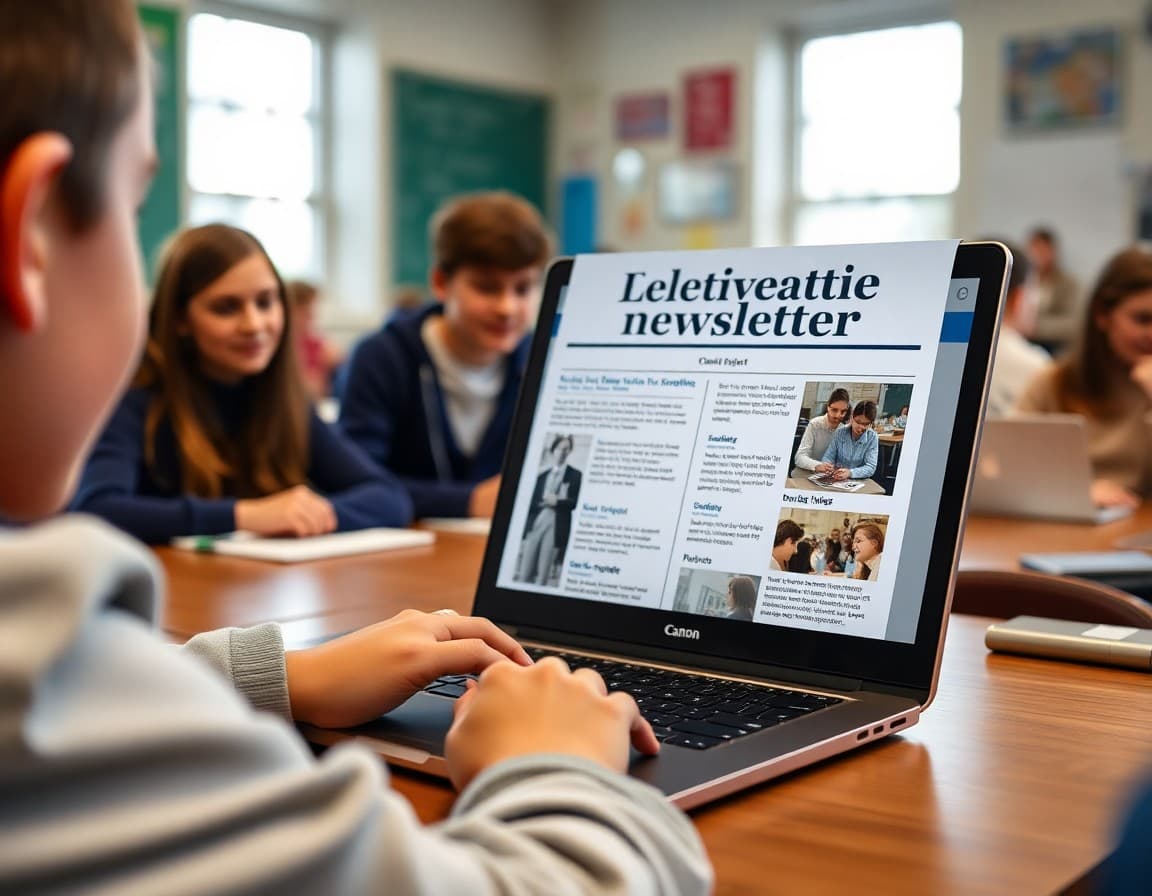
Elective teachers carry a quiet burden: they have to prove their course matters every semester. A well-written newsletter is one of the most effective tools for that. It shows families, students, and administrators that your class produces real learning, not just a break from core subjects.
Lead with What Students Created or Accomplished
The biggest mistake elective newsletters make is opening with logistics. Start with something students did. "This month, students in culinary arts developed a full three-course menu, cost it out for 30 guests, and cooked it." That sentence shows families real skills, not just a class name. Lead with output, then explain the learning behind it.
Name the Skills, Not Just the Activities
Parents and students often underestimate elective courses because the skills aren't labeled the way they are in English or math. Name them explicitly. A woodshop class teaches precision measurement, safety protocols, and iterative problem-solving. A drama class teaches public speaking, physical presence, and script interpretation. Put those words in your newsletter. Families who see the skill list differently remember the course differently.
Connect the Elective to College and Career Outcomes
You don't need to be aggressive about this, but one sentence per issue makes a difference. Culinary arts connects to the restaurant and food service industry, which employs more than 15 million people in the United States. A journalism elective connects to media literacy, which colleges now list as a core competency. A film production class connects to storytelling skills that appear in tech, marketing, and education careers. One line. That's all it takes.
Use a Template Excerpt to Show Real Classroom Work
Here is a section you can adapt for any elective:
"This month in [Course Name], students [specific project or task]. The skills they practiced include [skill 1], [skill 2], and [skill 3]. One student described the project as [quote]. Here is what that looks like in real work: [brief description or photo caption]."
This structure works whether you teach ceramics, coding, or culinary arts. Fill in the blanks and you have a professional newsletter section in under 10 minutes.
Share Upcoming Deadlines, Performances, and Exhibitions
Electives often produce work that goes public, which core courses rarely do. A drama production, an art show, a robotics competition, a culinary showcase. These events need advance notice. Build a short calendar section into every newsletter with at least one upcoming event or deadline. Parents who know about a spring showcase in November are far more likely to attend.
Include Student Voices
One quote from a student per newsletter does more than three paragraphs of teacher explanation. Ask your students at the end of each project: "What was the hardest part?" or "What would you do differently?" Pull the most interesting answer and put it in the newsletter. Real student voices show families that your class produces genuine intellectual and creative engagement.
Address the Enrollment Conversation Directly
If your elective is at risk of low enrollment or has open seats, say so plainly. "We have 8 spots open for next semester's video production class. Students interested in storytelling, technology, and media careers should talk to their counselor this week." A direct enrollment pitch in a newsletter is honest and effective. Families who don't know seats are available can't fill them.
Keep the Format Simple and Repeatable
The best elective newsletters look the same every month. A title, a current projects section, a skills-and-outcomes paragraph, an upcoming events list, and a closing call to action. Consistency signals professionalism and makes the newsletter easier to write each month. Build the template once, then fill it in rather than starting from scratch.
Get one newsletter idea every week.
Free. For teachers. No spam.
Frequently asked questions
Why do elective teachers need newsletters when core teachers do?
Elective courses often get cut first in budget discussions because administrators and families don't see what happens in them. A consistent newsletter creates a paper trail of learning outcomes, student projects, and real-world skills. It also builds the case for your program when enrollment decisions come around.
What should go in an elective newsletter?
Lead with what students made, performed, built, or solved this month. Add context about the skills they're developing. Include upcoming events like performances, exhibitions, or competitions. One quote from a student and one piece of student work or a photo description give families a real window into the course.
How do I make parents care about an elective they didn't choose?
Connect the elective to outcomes parents already value. Culinary arts builds nutrition literacy and time management. Drama builds public speaking and empathy. Music builds pattern recognition linked to math performance. You don't need to oversell. Just make the connection explicit, briefly, at the top of each newsletter.
How often should elective teachers send newsletters?
Once a month is enough. Elective classes move through projects and units on a different timeline than core courses, so a monthly cadence usually captures at least one completed project per issue. If you have a major performance or showcase, add a targeted send a week before the event.
Does Daystage work for single-teacher electives without a department?
Yes. Daystage is designed for individual teachers as much as full departments. You can set up your newsletter once, save your template, and send monthly updates without needing admin support or IT involvement. Several elective teachers use it to keep families informed and build their course's reputation within the school.

Adi Ackerman
Author
Adi Ackerman is a former classroom teacher and curriculum writer with 8 years in K-8 schools. She writes about school communication, parent engagement, and what actually works in real classrooms.
More for Department Newsletters
Art Department Newsletter Guide: Sharing Student Work and Program Goals with Families
Department Newsletters · 5 min read
Counseling Department Newsletter: What to Include and How to Write It
Department Newsletters · 6 min read
Math Department Newsletter Guide for K-12 Schools
Department Newsletters · 6 min read
Ready to send your first newsletter?
3 newsletters free. No credit card. First one ready in under 5 minutes.
Get started free