
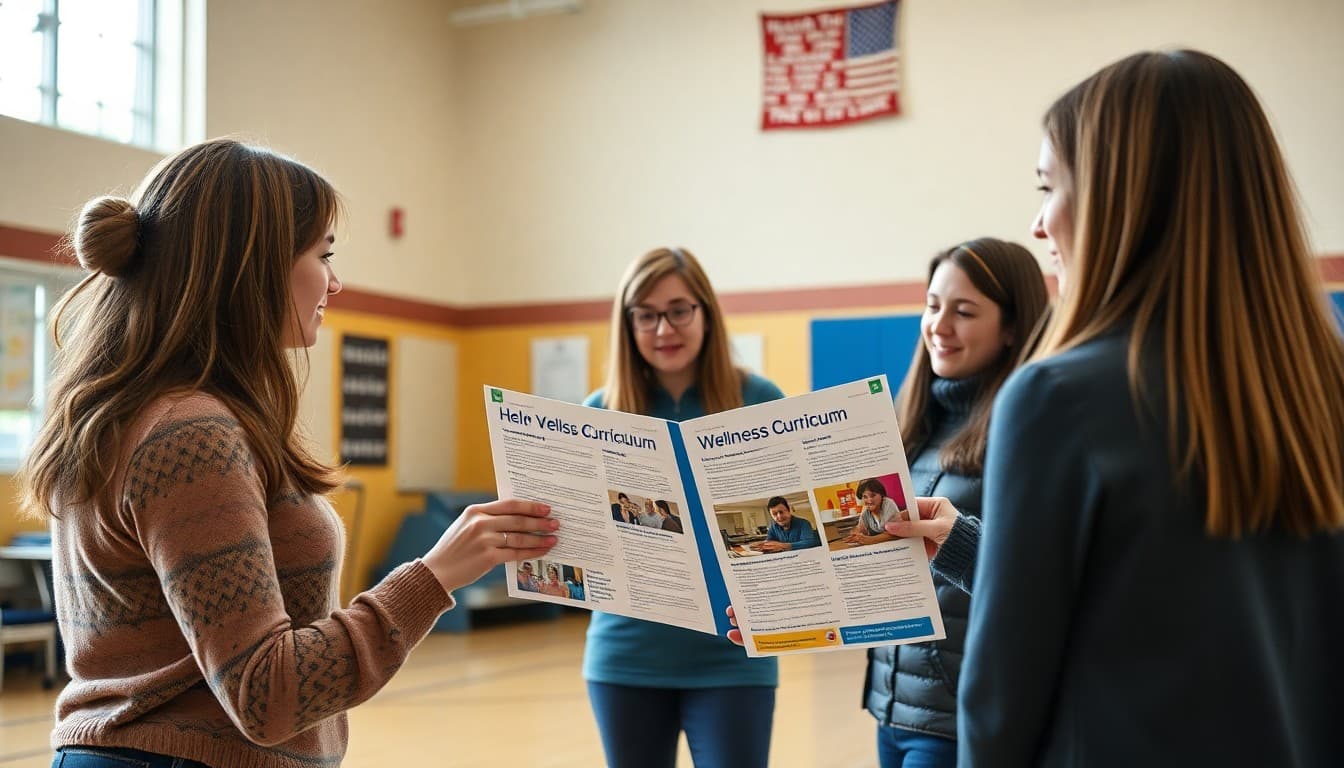
Health and PE Department Newsletter: Wellness Curriculum Updates
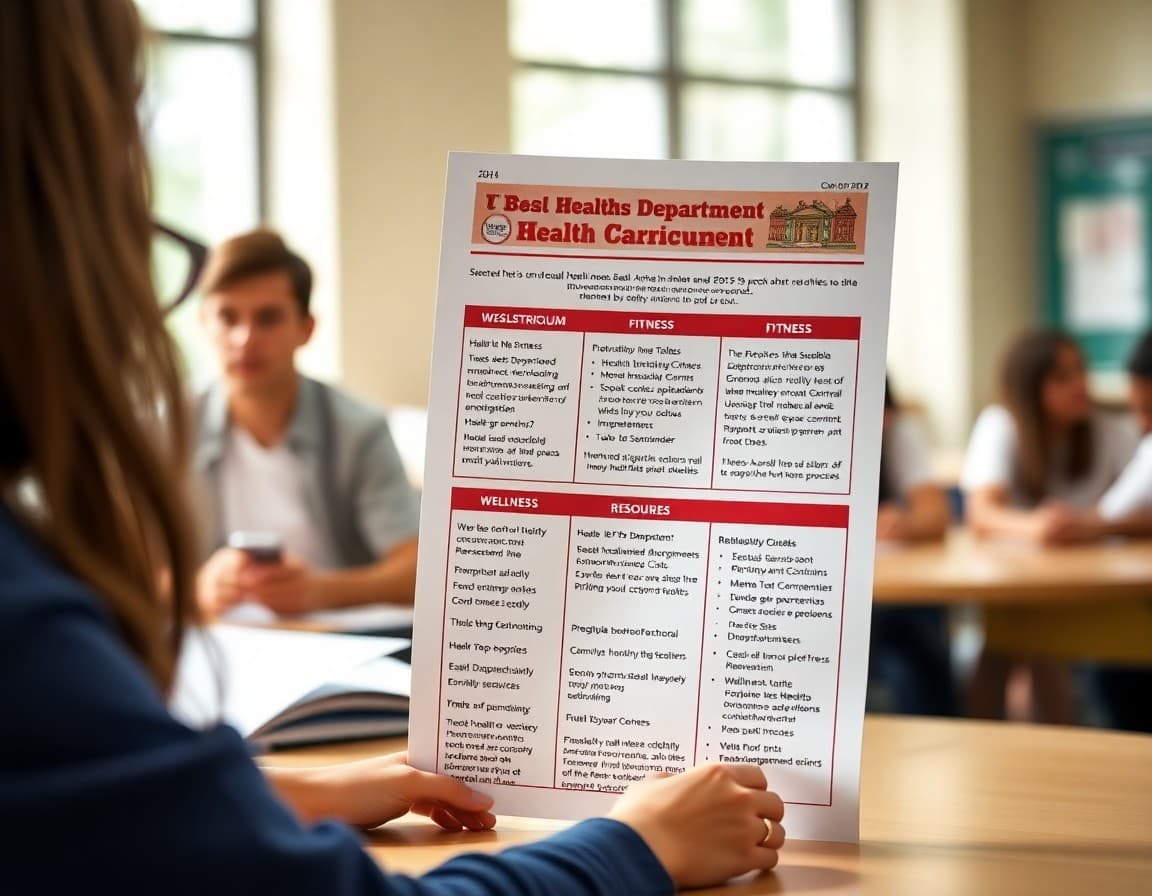
Health and physical education is the department most likely to generate parent concern when communication fails. A student who comes home and tells their parent they discussed puberty, suicide, or substance use in class that day -- without any advance notice to the family -- creates a phone call to the principal that could have been prevented. The health and PE newsletter is the advance communication layer that gives families the information they need to respond constructively rather than reactively.
Publish the Full Year's Curriculum Map
A curriculum map published at the start of the year eliminates most of the surprise factor in health education. Organize it by semester and unit: fall semester includes personal wellness and fitness concepts, puberty education (grades 6-7), and stress management. Spring semester includes nutrition, substance use prevention, and sexual health education (grade 8). That overview tells families what is coming and when, so they can prepare their child for the conversations that will happen in class and at home.
Announce Sensitive Health Units Three Weeks in Advance
Three weeks is enough time for families to talk with their child before the unit begins, review the curriculum if they request to, and submit an opt-out form if your district has one. Less than two weeks is too short for families who need to arrange for a family values conversation or a religious consultation before their child receives specific content. State the exact start date: "Our sexual health education unit begins October 28 and runs through November 8 (7 class periods)." Families who have exact dates can plan specific conversations.
Explain Opt-Out Procedures Clearly
In most states, specific health education content is subject to parental opt-out. Your newsletter should explain what content is opt-outable, how the opt-out process works, what alternative assignment students complete, and the deadline for submitting the opt-out form. "Families who wish to opt their student out of the sexual health unit must submit the form attached to this newsletter by October 21. Students who are opted out will complete an alternative assignment in the library during those class periods. The opt-out form is also available in the main office."
A Sample Health and PE Department Newsletter Section
Here is a template for a quarterly update:
"Health and PE Update, Grade 7 -- PE Unit (October-November): Volleyball skills and team play. Uniform required each class. Fitness testing: November 3-7 (FITNESSGRAM). Components: pacer run, push-up, curl-up, trunk lift, sit-and-reach. Results home by November 21. Health Unit (beginning November 10): Personal wellness and puberty education. Topics covered: physical development during puberty, emotional changes, personal hygiene, healthy relationships, asking for help. Duration: 8 class periods. Curriculum used: FLASH (Family Life and Sexual Health), district-approved. No opt-out for this specific unit; contact your teacher if you have concerns about specific content. Mental health check-in: our department counselor, Mr. Avery, is available Tuesdays at lunch for private conversations with any student. No referral needed."
Connect Health Content to Home Conversations
The most effective health education happens when school and home conversations reinforce each other. Your newsletter can prompt those home conversations by including a brief "talking point for this week" aligned to the current health unit. "This week we are discussing stress management. You might ask your student: What is one strategy you learned for managing stress this week? What stresses you out most at school right now?" Parents who receive this kind of specific, low-stakes conversation prompt use it. Parents who receive only a curriculum overview do not.
Communicate About the School Nurse's Role
The health and PE newsletter is a natural place to remind families of the school nurse's role and availability. "Our school nurse, Ms. Park, is available Monday through Friday from 8 AM to 3 PM. She can help with illness assessment, medication administration, injury care, and referrals to community health resources. She is also a confidential resource for students who have health questions they are not comfortable discussing with a teacher or parent." That reminder builds utilization of an important but often underused school resource.
Share Community Wellness Resources
A health and PE newsletter that extends beyond school provides families with tools for whole-family wellness. List community resources for teen mental health, free or low-cost fitness programs for families, nutritional resources from the USDA or your local health department, and any youth health initiatives running in the community. Families who see the school as a doorway to community wellness resources rather than a self-contained program engage more consistently with what the school offers.
Get one newsletter idea every week.
Free. For teachers. No spam.
Frequently asked questions
Why do health and PE newsletters need to communicate more proactively than other departments?
Health and PE classes cover topics that directly affect students' bodies, minds, and personal beliefs: puberty, mental health, nutrition, substance use, sexual health, and physical fitness. Families have strong and varied opinions about how these topics should be addressed with their children. Proactive newsletter communication about upcoming health units gives families the advance notice they need to prepare for conversations at home, request opt-outs where applicable, or raise concerns before content is delivered rather than after.
What health education topics should be flagged in advance in a newsletter?
Any unit involving sexual health education, substance use prevention, mental health and suicide prevention, body image and eating disorders, or reproductive health should be announced in the newsletter at least two weeks before the unit begins. Include the curriculum name, the specific topics covered, how many class periods the unit spans, and the opt-out process if one exists. Families who are informed in advance manage their responses much more calmly than those who hear about the content from their student after the fact.
How should health and PE newsletters communicate about student mental health curriculum?
Explain the purpose: 'Our mental health unit is designed to help students recognize signs of stress, anxiety, and depression in themselves and their peers, and to know how to seek help.' Name the specific topics: 'This unit covers: understanding emotions, stress management techniques, recognizing anxiety and depression, suicide prevention and how to support a friend in crisis.' Include a note that student disclosures during health class are handled according to mandatory reporting requirements.
How do combined health and PE departments balance communicating about physical and academic health content?
Treat them as equally important and equally deserving of clear communication. A newsletter that covers the PE rotation schedule in detail but gives health education topics one vague sentence signals to families that health education is an afterthought. Give health units the same specific treatment as PE units: current topic, learning objectives, upcoming assessments, and what families can do to support the learning at home.
Can Daystage support a health and PE department newsletter?
Yes. Daystage lets health and PE chairs build a combined wellness newsletter that covers both physical education rotations and health education curriculum previews. The newsletter can be sent to all families at the start of each unit rotation so families always have advance notice of what is coming in class. Archived newsletters document that families received required notification of sensitive curriculum content.

Adi Ackerman
Author
Adi Ackerman is a former classroom teacher and curriculum writer with 8 years in K-8 schools. She writes about school communication, parent engagement, and what actually works in real classrooms.
More for Department Newsletters
Ready to send your first newsletter?
3 newsletters free. No credit card. First one ready in under 5 minutes.
Get started free