
Welding Class Newsletter: Trade Skills in School
Welding is one of the highest-demand skilled trades in the country. A welding program newsletter that communicates the wage potential, the certification pathway, and the quality of work students are producing makes a direct case for the program's value to families and administrators.
Welding Processes: What Students Learn and When
Each newsletter should describe where students are in the process curriculum. Welding training follows a progression from basic to advanced processes: "Beginning students are currently in Week 3 of Shielded Metal Arc Welding (stick welding). They have completed flat position bead running and are now working on horizontal fillet welds. The flat bead work looked better from the first week than most classes I've taught. We should have flat position certification readiness by the end of November."
Safety Communication That Addresses Parent Concerns
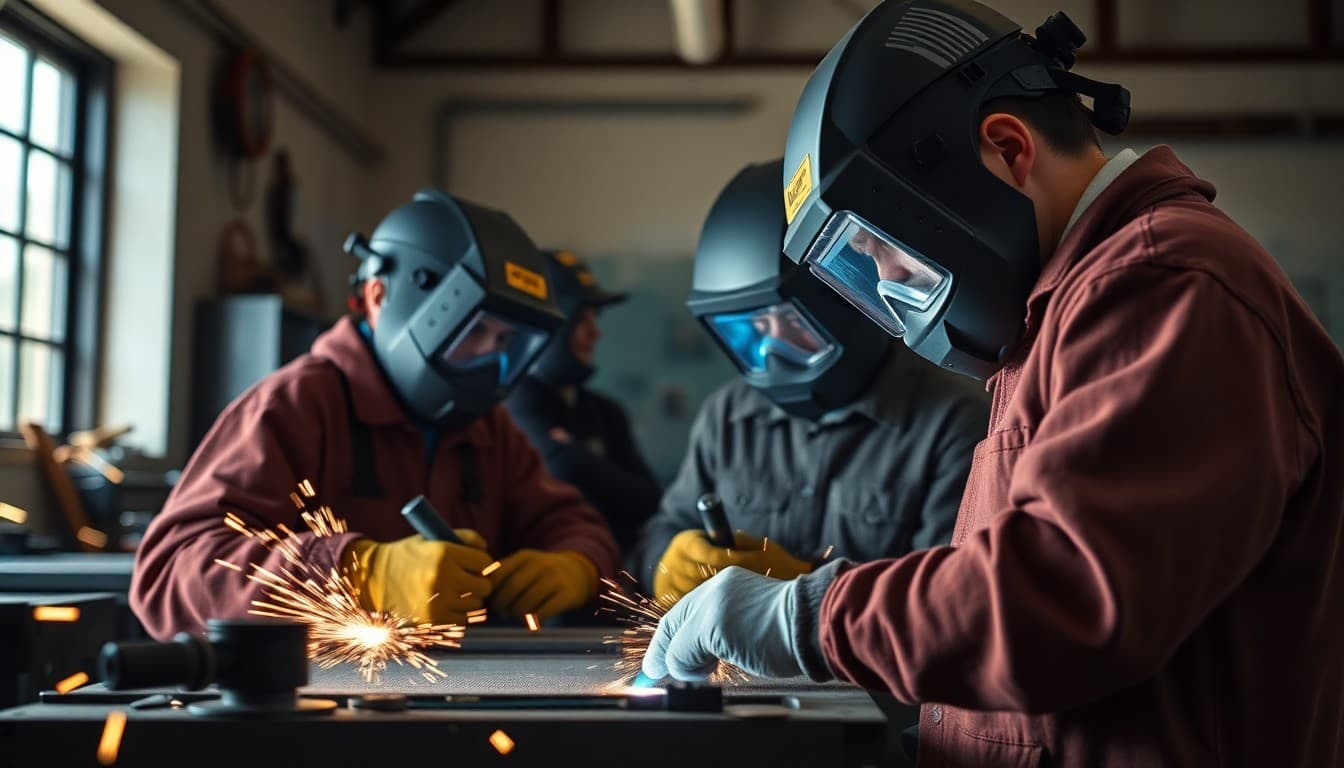
Parents whose children are new to welding often have concerns about burns, fumes, and eye hazards. Address these directly: "Welding produces ultraviolet and infrared radiation, metal fumes, and arc flash. Students use auto-darkening helmets rated to AWS standard at all times when welding. The shop has four-times-per-hour air exchange ventilation. Leather PPE covers all exposed skin. Students who fail to comply with PPE requirements are removed from the welding station until compliance is demonstrated. In eight years of running this program, we have had zero significant injuries."
Template Excerpt: Welding Class Newsletter
Metal Fabrication and Welding - November Update
Fourteen students and one of the cleanest MIG bead-running sessions I've seen in this program. The difference between where they started in September and where they are now is genuinely impressive. Welding skill is mostly muscle memory and patience. Both are developing on schedule.
Current process: GMAW (MIG welding) on 1/4-inch mild steel plate. Students completed flat and horizontal positions last week and are moving to vertical uphill welding this week. Vertical welding is significantly harder. Expect some frustration and then, within two to three sessions, a breakthrough.
AWS test prep: Three advanced students have been cleared by instructor evaluation for AWS Certified Welder testing in the GMAW process. Testing is scheduled for December 8 at the community college lab. If they pass, they become AWS CW certified welders before Christmas break. Certified welders in this region start at $22 to $26 per hour in manufacturing positions.
Community project: The class is fabricating a steel storage rack for the school greenhouse program as this semester's community project. Students will design, cut, fit, and weld the complete structure. The finished project should be in service by December 15.
Career Pathway Information
Welding wages deserve specific mention because they often surprise families: "Entry-level manufacturing welders in our region start at $18 to $22 per hour. Pipe welders in the petrochemical industry earn $35 to $55 per hour. Underwater welding can exceed $100 per hour for experienced divers. AWS-certified structural welders working in construction earn $60,000 to $90,000 annually in most US markets. The skilled welder shortage is severe and growing as experienced welders retire." These numbers are more motivating than abstract career pathway descriptions.
Materials and Equipment Needs
Welding programs consume significant consumables: wire, rods, shielding gas, grinding wheels, and steel. A brief section noting current needs and how families or community members can support the program helps maintain equipment quality: "We are currently in need of: mild steel plate and tube scrap for practice (any gauge, 1/8 inch and up), grinding wheels for our 4.5-inch angle grinders, and any functional welding clamps or fixtures in working condition. Contact Mr. Santos at the shop number to arrange a donation."
Student Project Gallery
Photos of finished welding projects tell the story of the program's standards. A student's first successfully welded metal shelf, a fabricated steel bracket, or a sculptural art piece demonstrates real achievement. Include a brief note with each photo naming the student and describing what they built and what welding processes they used. This documentation serves as both a newsletter feature and a program portfolio that can be shared with potential students, parents, and school board members.
Get one newsletter idea every week.
Free. For teachers. No spam.
Frequently asked questions
What should a welding class newsletter include?
Current welding processes being learned (SMAW, GMAW, GTAW, FCAW), AWS certification preparation timeline, project descriptions with photos, safety protocols for families, career pathway and wage information, and any community welding projects the class is contributing to. Welding is a high-wage trade with serious skill requirements, and the newsletter should reflect both the challenge and the opportunity.
How do you explain welding processes to families who don't know the field?
Use plain names alongside the acronyms. SMAW is stick welding, the oldest and most versatile process. GMAW is MIG welding, the most common in manufacturing and automotive. GTAW is TIG welding, the most precise process used in aerospace and food-grade applications. FCAW is flux-core, common in structural steel work. One sentence each is sufficient for families to follow the curriculum progression.
What are the typical safety requirements for a school welding lab?
School welding labs require auto-darkening welding helmets, leather gloves, leather welding jackets or sleeves, steel-toed boots, and proper ventilation. The newsletter should explain these requirements clearly when students first enroll so families can prepare for any equipment purchases. Many schools provide helmets and gloves; students typically need to purchase their own boots.
What is AWS certification and how does it relate to high school welding programs?
The American Welding Society offers a Certified Welder (CW) credential that tests proficiency in specific positions and processes. Some high school programs prepare students for AWS CW testing. A certified welder with school credentials can start entry-level fabrication positions immediately after graduation at $18 to $28 per hour depending on location and process.
Can Daystage create welding program newsletters with photos of student work?
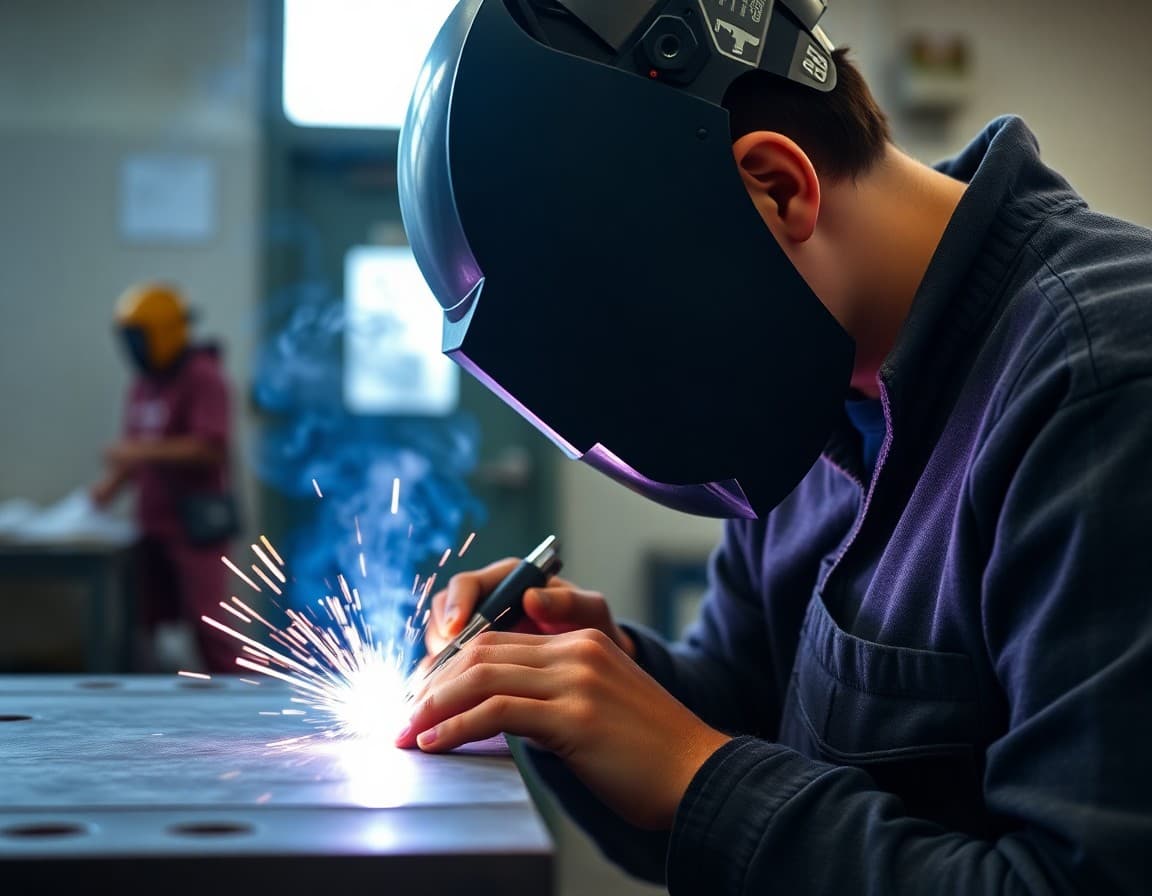
Yes. Welding projects photograph dramatically well, and Daystage supports photo-rich newsletter layouts. A photo of a student's first clean weld bead on steel plate, properly captioned and contextualized, tells families more about the course standards than any written description.

Adi Ackerman
Author
Adi Ackerman is a former classroom teacher and curriculum writer with 8 years in K-8 schools. She writes about school communication, parent engagement, and what actually works in real classrooms.
More for Department Newsletters
Art Department Newsletter Guide: Sharing Student Work and Program Goals with Families
Department Newsletters · 5 min read
Counseling Department Newsletter: What to Include and How to Write It
Department Newsletters · 6 min read
Math Department Newsletter Guide for K-12 Schools
Department Newsletters · 6 min read
Ready to send your first newsletter?
3 newsletters free. No credit card. First one ready in under 5 minutes.
Get started free