Blog /
Subject Teachers
Newsletter guides for math, science, ELA, arts, PE, and specialist teachers
Subject teachers have a communication challenge that homeroom teachers do not: parents receive newsletters from five or six teachers, and most of them only read the ones that feel immediately relevant to their child. The articles here address that directly. You will find guides for math, science, ELA, arts, PE, and specialist teachers writing newsletters that stand out in a crowded inbox. There are also resources for department heads coordinating communication across multiple teachers, for elective teachers introducing their program to families who did not choose it, and for teachers who share a student roster with colleagues and need to avoid sending redundant information.
What to Include in Your Spanish Teacher Newsletter to Parents
A clear guide to what Spanish teachers should include in parent newsletters: vocabulary highlights, cultural content, proficiency context, assessment updates, and at-home language activities.

What to Include in Your Yearbook Class Newsletter to Parents
A complete checklist for yearbook advisers on what to include in parent newsletters at each stage of production, from sales and photo submissions to distribution logistics.

Yearbook Class Newsletter Examples and Sample Templates
Ready-to-adapt yearbook newsletter examples for sales launches, photo submission windows, senior ad campaigns, and book distribution to help yearbook advisers communicate better with families.

Yearbook Teacher Newsletter Ideas to Build Excitement and Meet Deadlines
Creative yearbook teacher newsletter ideas for every stage of production, from theme reveals and photo drives to senior ad campaigns and distribution day announcements.
What to Include in Your PE Teacher Newsletter to Parents
A practical checklist of what PE teachers should include in parent newsletters: unit learning objectives, dress code, fitness testing context, safety notes, and family activity suggestions.

What to Include in Your Physics Newsletter to Parents
A complete checklist of what belongs in a physics newsletter. Unit content, lab descriptions, assessment dates, real-world connections, and what to leave out.
What to Include in Your Psychology Teacher Newsletter to Parents
A clear guide to what psychology teachers should include in parent newsletters: unit overviews, real-life applications, sensitive topic notices, research context, and family engagement ideas.
What to Include in Your Robotics Teacher Newsletter to Parents
A practical checklist of what robotics teachers should include in parent newsletters: current build phase, competition schedule, team roles, engineering skills context, and parent action items.

What to Include in Your Sociology Teacher Newsletter to Parents
A practical guide to what sociology teachers should include in parent newsletters: unit framing, academic approach statements, real-world applications, sensitive topic previews, and conversation starters.
What to Include in Your Health Teacher Newsletter to Parents
A practical checklist of what health teachers should include in parent newsletters: unit previews, sensitive topic notices, opt-out info, mental health resources, and family conversation starters.

What to Include in Your Home Economics Newsletter to Parents
A complete checklist for home economics and FCS teachers covering what to include in every parent newsletter, from cooking unit recaps and supply requests to personal finance tips and project spotlights.

What to Include in Your Japanese Class Newsletter to Parents
A complete checklist of what Japanese teachers should include in parent newsletters, from writing system updates and vocabulary to cultural events and assessment dates.
What to Include in Your Journalism Class Newsletter to Parents
A complete checklist of what journalism teachers should include in parent newsletters, from publication links and story spotlights to ethics updates and staff role announcements.
What to Include in Your Mandarin Newsletter to Parents
A practical checklist for Mandarin teachers covering what to include in parent newsletters, from vocabulary updates to cultural events and practice tips.

What to Include in Your Orchestra Teacher Newsletter to Parents
A practical checklist of what orchestra directors should include in parent newsletters: concert dates, instrument care, practice guidance, attire requirements, and parent action items.
What to Include in Your Debate Newsletter to Parents
A clear checklist covering everything debate teachers should include in parent newsletters, from resolution summaries and tournament dates to skill updates and volunteer requests.

What to Include in Your Drama Teacher Newsletter to Parents
A practical checklist of what drama teachers should include in parent newsletters: production logistics, rehearsal schedules, acting technique context, ticket info, and parent support ideas.

What to Include in Your Economics Newsletter to Parents
A checklist for economics newsletters: unit concept, current events, assessment dates, real-world connections, and what not to include. With a template example.

What to Include in Your French Teacher Newsletter to Parents
A practical guide to what French teachers should include in parent newsletters: vocabulary samples, Francophone culture, proficiency updates, oral exam prep, and at-home language activities.

What to Include in Your German Teacher Newsletter to Parents
A clear guide to what German teachers should include in parent newsletters: vocabulary samples, grammar unit context, German-speaking world culture, assessment updates, and at-home language activities.

What to Include in Your AP History Newsletter to Parents
A clear guide on what AP History teachers should include in parent newsletters: current period, essay skill updates, exam timeline, primary source context, and parent action items.
What to Include in Your Art Teacher Newsletter to Parents
A clear guide to what visual art teachers should include in parent newsletters: current project overview, artistic technique context, supply requests, art show info, and family engagement tips.

What to Include in Your Band Teacher Newsletter to Parents
A practical checklist of what band directors should include in every parent newsletter: performance calendar, instrument care reminders, practice expectations, uniform info, and action items.

What to Include in Your Chemistry Newsletter to Parents
A complete checklist of what belongs in a chemistry newsletter: unit content, lab updates, safety notes, assessment dates, and one real-world connection. With examples.

What to Include in Your Choir Teacher Newsletter to Parents
A checklist of what choir directors should include in parent newsletters: concert calendar, rehearsal expectations, vocal technique context, attire info, and parent action items.

What to Include in Your Computer Science Newsletter to Parents
A practical guide to what CS teachers should include in parent newsletters: current project descriptions, programming language context, career connections, digital citizenship, and action items.

Virtual and Online Learning Teacher Newsletter: Keeping Remote Students and Families Engaged
A practical guide for virtual and online learning teachers on writing newsletters that maintain family connection, communicate synchronous and asynchronous expectations, and support student engagement in a remote environment.

Waldorf Teacher Newsletter: Communicating Seasonal Learning and Developmental Rhythms to Families
A practical guide for Waldorf teachers on writing newsletters that explain the seasonal curriculum, communicate the rationale behind Waldorf pedagogy, and help families support holistic development at home.
What to Include in Your AP Biology Newsletter to Parents
A practical checklist of what AP Biology teachers should include in parent newsletters: unit overviews, lab updates, science practice context, exam timelines, and action items.

What to Include in Your AP Calculus Newsletter to Parents
A complete checklist of what AP Calculus teachers should include in parent newsletters: current unit context, free-response prep details, calculator notes, exam timeline, and action items.
What to Include in Your AP Chemistry Newsletter to Parents
A clear checklist of what AP Chemistry teachers should put in parent newsletters: current unit, lab updates, exam timeline, mathematical context, safety notes, and parent action items.
What to Include in Your AP English Newsletter to Parents
A practical guide to what AP English teachers should include in newsletters: exam timelines, essay unit updates, College Board rubric explanations, and parent action items.

Teacher Newsletter: Sharing World Language Resources That Families Will Actually Use
How world language teachers can write newsletters that recommend apps, media, and activities helping families support language learning outside the classroom at every level.
Teacher Newsletter for Writing Workshop: What Families Need to Know About the Writing Process in Class
How ELA and writing teachers can send newsletters explaining writing workshop structure, covering drafting cycles, conference days, and how families can support student writers at home.

Teacher's Aide and Paraprofessional Newsletter: How to Communicate Your Role to Families
A practical guide for teacher's aides and paraprofessionals on writing newsletters that communicate their role in the classroom, the support they provide to students, and how families can extend that support at home.
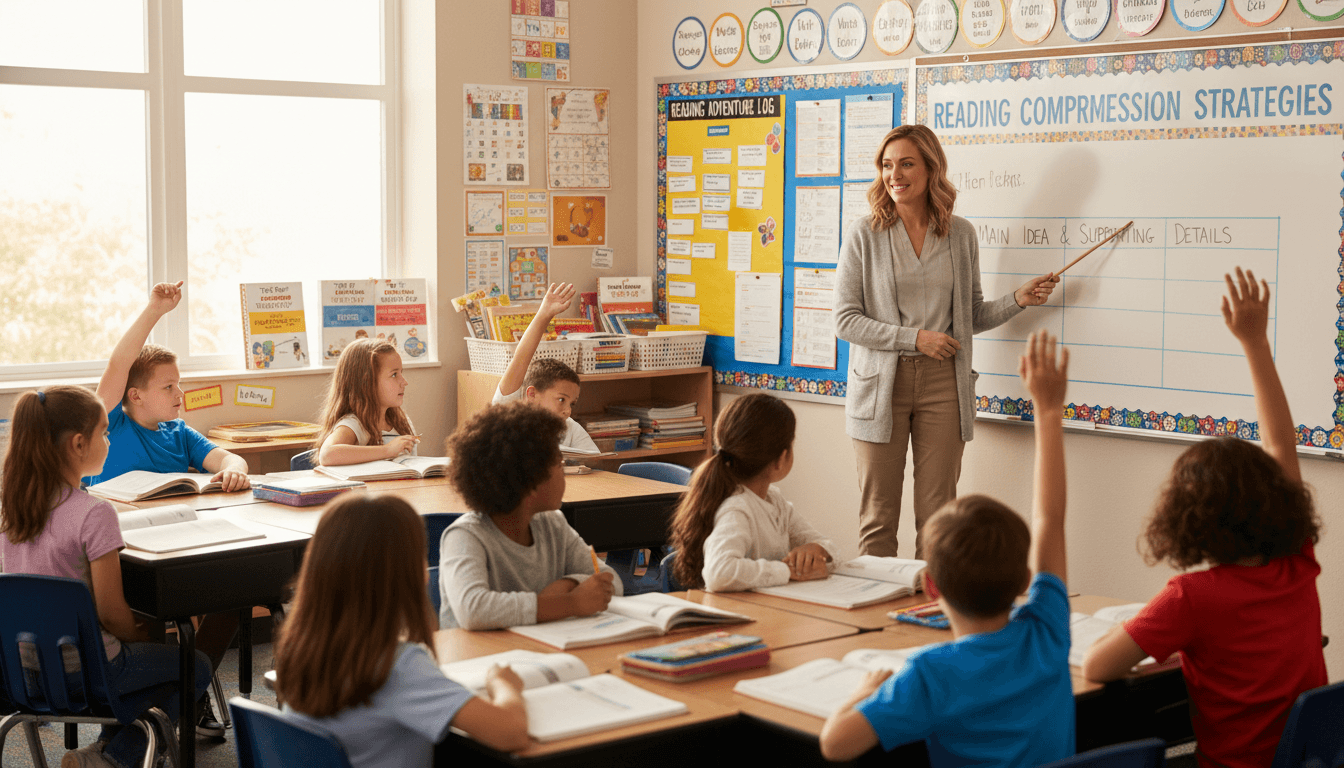
Third Grade Teacher Newsletter Guide: Standardized Tests, Reading, and Parent Communication
A practical guide for third grade teachers on writing newsletters that prepare families for standardized testing, communicate the reading milestone, and support the academic expectations of a pivotal school year.

Tutoring Program Newsletter: Communicating Program Benefits, Student Progress, and Enrollment to Families
A practical guide for school tutoring program coordinators on writing newsletters that communicate available tutoring services, how to enroll, what the program covers, and how families can support the tutoring work at home.
Teacher Newsletter for Unit Reflections: Closing the Loop With Families After Each Unit
How teachers can write end-of-unit newsletters that summarize what students learned, highlight class strengths, and set up the transition to the next unit for families.

Teacher Newsletter for US History Units: Connecting Historical Learning to Family and National Stories
How US history teachers can write newsletters introducing major units, helping families understand the historical questions being explored, the primary sources students will use, and how to connect history class to family and community stories.

Teacher Newsletter for Vocabulary Building: How to Communicate Vocabulary Instruction to Families
How subject-area teachers can write newsletters about vocabulary instruction, explaining the current word list, why these words matter for the unit, and how families can help students learn new vocabulary at home.
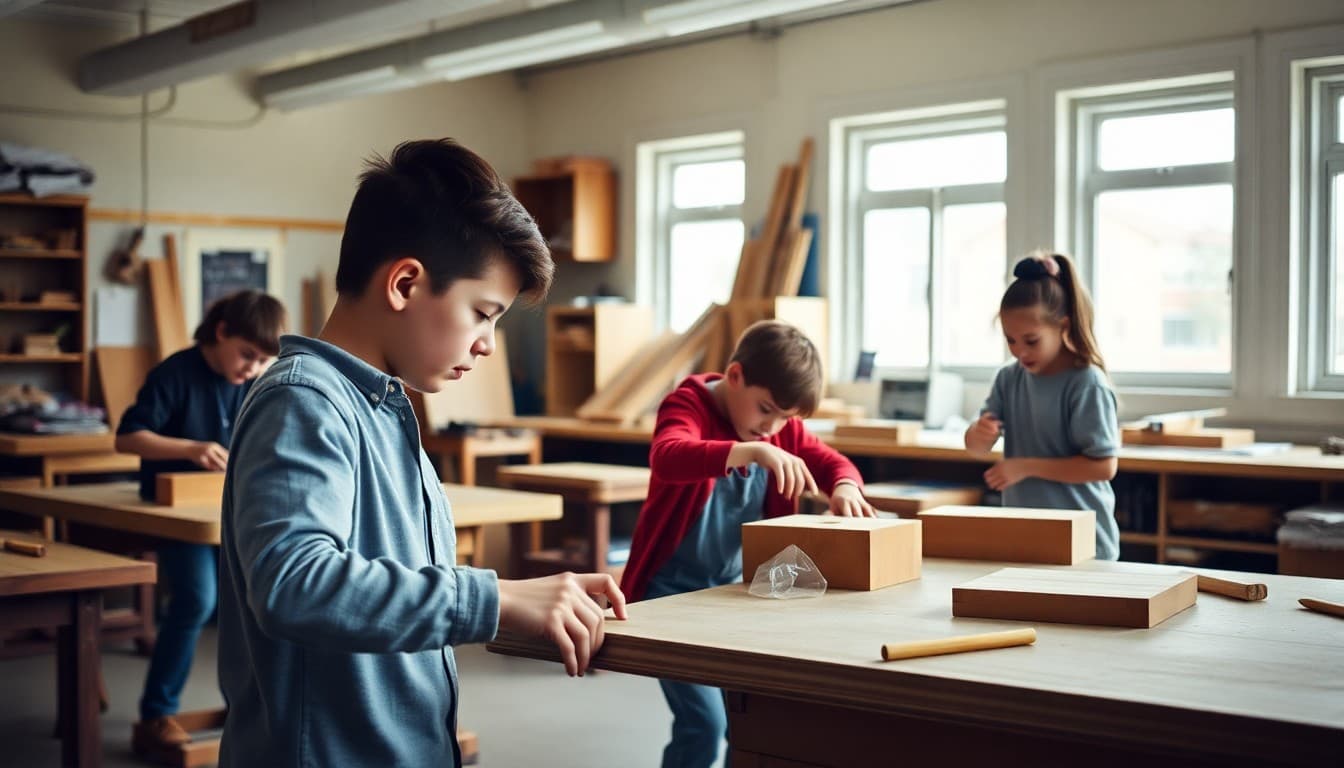
How to Write a Woodshop Newsletter to Parents
A guide for woodshop and shop class teachers on writing a parent newsletter covering project expectations, tool safety, required materials, and the technical and life skills students are building.

Teacher Newsletter for World History Units: Helping Families Connect to Global Historical Learning
How world history teachers can write newsletters introducing major units, explaining the civilizations or periods being studied, what global thinking means, and how families can connect world history to their own cultural backgrounds.

Teacher Newsletter for World Language Homework: How Families Can Support Language Practice at Home
How world language teachers can write newsletters about language homework expectations, covering what effective practice looks like, how families can help without speaking the language, and what study habits produce language acquisition.

Teacher Newsletter for Science Writing: Helping Families Support Evidence-Based Scientific Explanation
How science teachers can write newsletters explaining scientific writing expectations, covering how evidence-based explanations work, what CER writing requires, and how families can support their student through science writing assignments.
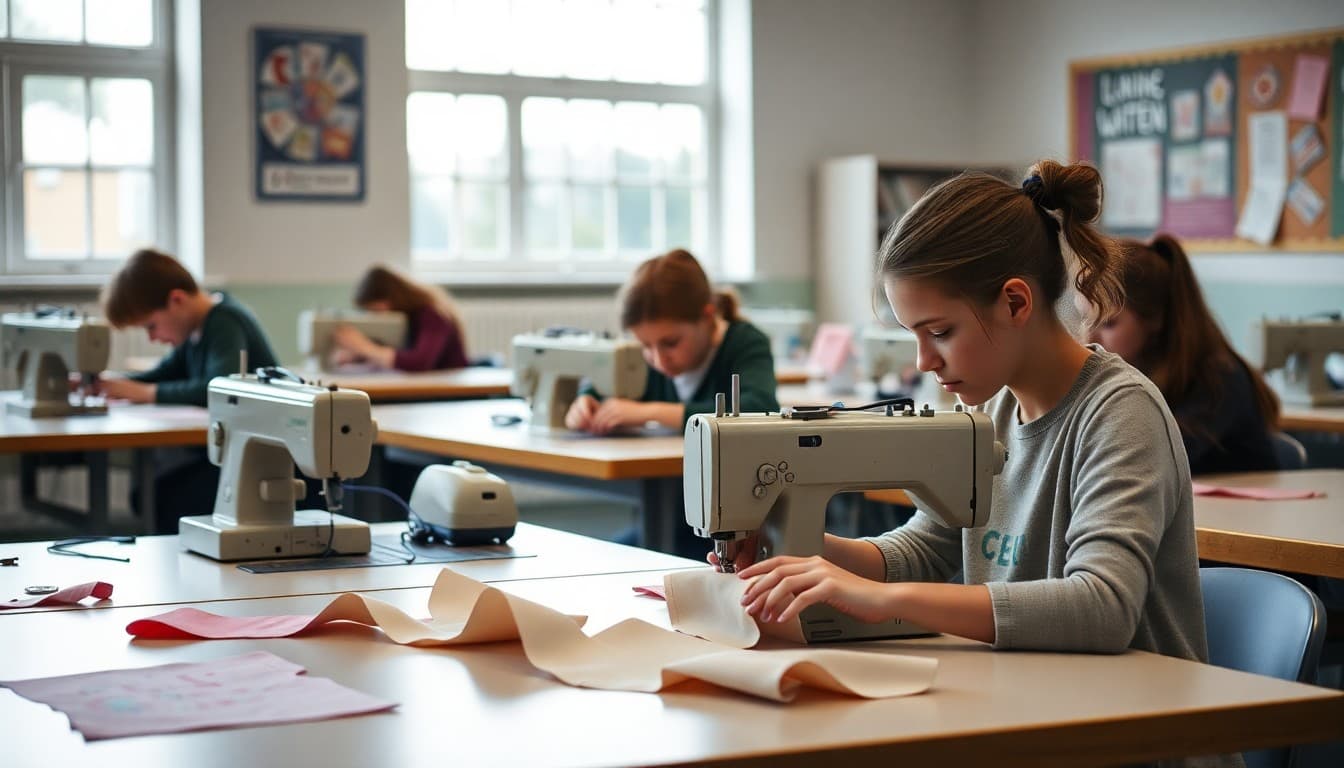
How to Write a Sewing and Textiles Newsletter to Parents
A guide for family consumer science and home economics teachers on writing a parent newsletter for the sewing and textiles unit, covering project expectations, supply requests, and skill development.

Teacher Newsletter for Spanish Unit Introductions: Preparing Families for New Spanish Learning
How Spanish teachers can write newsletters introducing new units, explaining the vocabulary, grammar, and cultural content students will study, and how families can support Spanish language acquisition at home.

Teacher Newsletter for Statistics Units: Helping Families Understand Data Analysis in Math Class
How math teachers can write newsletters introducing statistics units, explaining what data analysis involves, why statistical thinking is essential, and how families can connect statistics to everyday life.
Teacher Newsletter for Unit Introductions: How to Launch Every New Unit With Family Communication
How subject-area teachers can write newsletters introducing new units, covering learning goals, major assignments, and how to give families the context they need to support the work.
Common questions
How is a subject teacher newsletter different from a homeroom newsletter?
It is narrower and more technical. Parents want to know what skill is being taught this unit, how to support their child at home, and what the upcoming assessment looks like. Lead with the practical information and put the context second.
How often should a subject teacher send a newsletter?
Monthly is standard for most subject teachers. Weekly is appropriate during high-stakes periods: standardized testing, project deadlines, or performance season for arts teachers. If you share students with other teachers, coordinate timing so families are not receiving five newsletters in the same week.
What should a PE or arts teacher include in a newsletter?
Unit description, upcoming performance or fitness test dates, any equipment or supplies families need to provide, and one specific way to support at home. For PE, explain what active homework looks like. For arts, invite families to the performance before the flyer goes out.