

Foreign Language Teacher Newsletter: Summer Work Newsletter
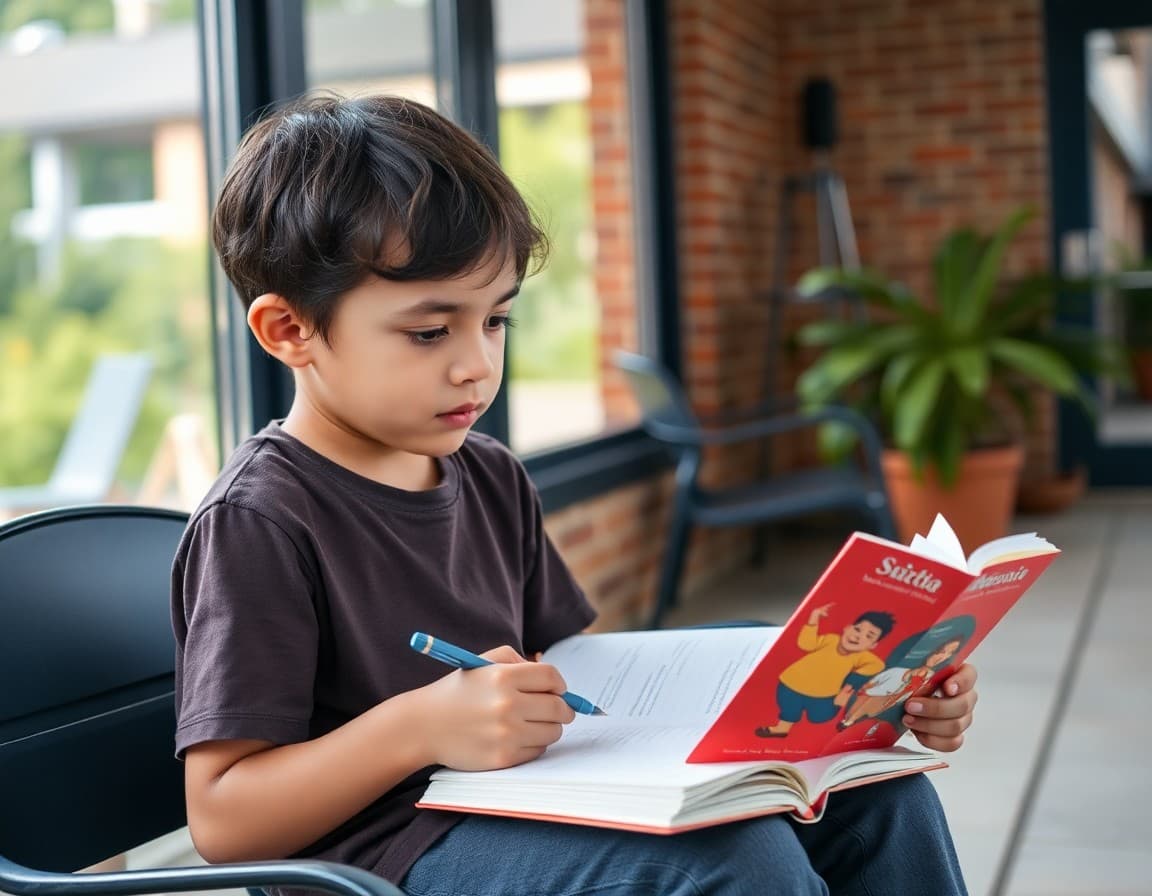
Language skills erode faster over a summer than almost any other academic skill. A student who ends Spanish 2 in June with solid present-tense and past-tense fluency can lose 30 to 40 percent of their active vocabulary by September if they have no contact with the language over the break. The summer work newsletter is not a bureaucratic formality. It is the most practical thing you can do to protect the progress your students spent a full year building.
This guide covers what summer language work is actually effective, how to write a newsletter that motivates students to do it, and how to make the assignment feel accessible rather than like a grind.
Frame the assignment around language maintenance, not new learning
Families and students respond better to summer work framed as protecting what they already know than as requiring them to learn something new during their break. "The goal of this summer assignment is to keep the Spanish you learned this year from fading before September. You are not being asked to learn anything new. You are being asked to stay in contact with what you already know." This framing is honest and motivating because it is accurate.
Assign something enjoyable, not just educational
Summer language work that feels like school gets skipped. Summer language work that feels like entertainment gets done. For French: recommend watching one or two episodes per week of a French TV series on Netflix such as "Call My Agent" or "Lupin" with French audio and English subtitles for the first viewing, then French subtitles for a second viewing of a favorite episode. For Spanish: recommend listening to one podcast episode per week from "SpanishPod101 Beginner" or watching one episode of "Extra en Español," a soap opera designed for Spanish learners. These activities use the language in an enjoyable context.

Recommend a graded reader for their current level
Graded readers are books written specifically for language learners at controlled vocabulary levels. They are engaging enough to read voluntarily and accessible enough that students can read them with a dictionary handy rather than feeling blocked every other sentence. For students completing Spanish 1: Cuéntame más series at the Novice level. For students completing French 2: a CEFR A2-level reader. Include the title, where to find it (library, Amazon, or free PDF if available), and approximately how long it will take to read. "Approximately 40 pages, most students finish in two to three sittings."
Set a clear, achievable daily or weekly practice expectation
Give students a specific frequency target. Daily contact with the language is ideal but 15 minutes per day is sustainable. "The minimum expectation is 10 to 15 minutes of Spanish practice at least five days per week. This can be Duolingo lessons, reading, watching, or any combination. The method matters less than the consistency." Students who know the expectation is 15 minutes per day rather than a multi-hour weekly session are more likely to build the habit.
Describe what completion looks like
Tell students how to show you they completed the summer work. A screenshot of their Duolingo streak, a completed Duolingo unit, a short reflection written in the target language, or a brief recording of themselves describing what they did over the summer are all workable options. If the assignment is ungraded but expected, say so and explain how you will use it in the first week of class. "On the first day back, students will complete a brief oral check-in with me describing one thing they did over the summer in Spanish. Students who maintained any practice will find this straightforward."
Share a sample summer work newsletter excerpt
Here is a brief example from a Spanish 2 summer work newsletter:
"This summer, I am asking all students entering Spanish 3 in September to complete the following before school starts: watch at least four episodes of 'Extr@ en Español' on YouTube (free, search the title), do 20 Duolingo lessons in Spanish (free app), and keep a Spanish journal with five entries of at least three sentences each. Bring the journal and your Duolingo lesson completion screenshot on the first day of class. Questions? Email me at [email]. Have a great summer."
Recommend resources by level and availability
Include a tiered resource list organized by proficiency level. For beginner-level students: Duolingo free tier, Dreaming Spanish YouTube channel at the Comprehensible Input beginner level. For intermediate students: "Extra en Español" for Spanish or "Extra en Français" for French, both available free on YouTube. For advanced students: authentic podcasts in the target language such as "Radio Ambulante" in Spanish or "Choses à Savoir" in French. Organizing by level means students can self-select the appropriate option without feeling either overwhelmed or bored.
Close with your email and a note of encouragement
End the newsletter on a genuine note. "The students who come back to Spanish class in September making jokes, asking questions, and thinking in Spanish rather than translating from English are almost always the ones who kept in contact with the language over the summer. It does not take a lot of time. It just takes consistency. I will see you in September."
Get one newsletter idea every week.
Free. For teachers. No spam.
Frequently asked questions
What summer work makes sense for a foreign language class?
The most effective summer language work uses the language actively rather than passively reviewing notes. Good options include completing a specific number of Duolingo lessons in the target language, reading a short novel or reader book written for language learners at the appropriate level, watching two or three episodes of a TV show in the target language with subtitles first and then without, or writing a journal in the target language for 10 minutes per day. Match the assignment to the level of the course students are entering in the fall.
How do you explain why language practice over the summer matters?
Language acquisition research is clear that learners who do not use a language for two to three months experience significant vocabulary and fluency loss. Name this directly: 'Students who do not practice Spanish over the summer typically spend the first two to three weeks of the fall course reviewing material from the previous year rather than moving forward. Students who maintain contact with the language over the summer, even through informal activities, start the fall significantly ahead.' This framing makes the assignment feel protective rather than burdensome.
Should summer language work include speaking practice?
If possible, yes. Reading and writing alone do not maintain speaking fluency. Suggest students find a speaking practice partner, use a free conversation exchange app like Tandem or HelloTalk, or simply read their journal entries out loud rather than silently. For students with family members who speak the target language, the summer is an ideal time to practice those conversations. Encourage it explicitly.
What free resources should a world language teacher recommend for summer practice?
Duolingo is the most accessible and available on any smartphone at no cost. Language Transfer (languagetransfer.org) offers free audio courses in Spanish, French, Italian, German, Mandarin, and others, and is particularly good for grammar internalization. Dreaming Spanish on YouTube offers comprehensible input in Spanish at multiple proficiency levels for free. Netflix and YouTube have extensive content in most world languages. For reading, many local libraries offer access to foreign-language materials through their e-reader systems at no cost.
How does Daystage help world language teachers send summer work newsletters?
Daystage lets you send a formatted summer newsletter that includes clickable links to each practice resource, a clear description of the assignment, and the fall start date. You can schedule the send for the last week of school so the newsletter arrives when families are in a planning mindset rather than weeks before anyone is thinking about fall. The open tracking feature tells you which families received and read the information.
Adi Ackerman
Author
Adi Ackerman is a former classroom teacher and curriculum writer with 8 years in K-8 schools. She writes about school communication, parent engagement, and what actually works in real classrooms.
More for Subject Teachers
Ready to send your first newsletter?
3 newsletters free. No credit card. First one ready in under 5 minutes.
Get started free