
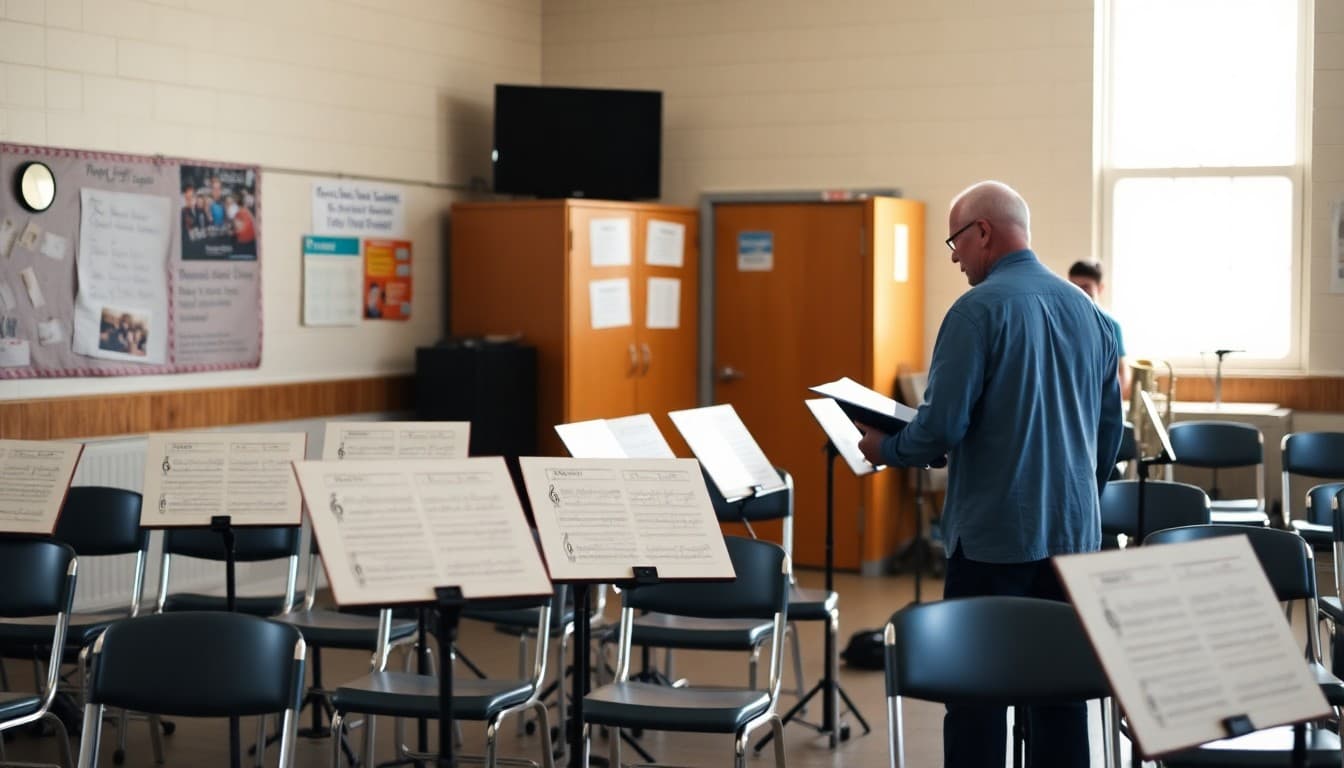
Band Teacher Newsletter: Setting Up the Year for Students and Families
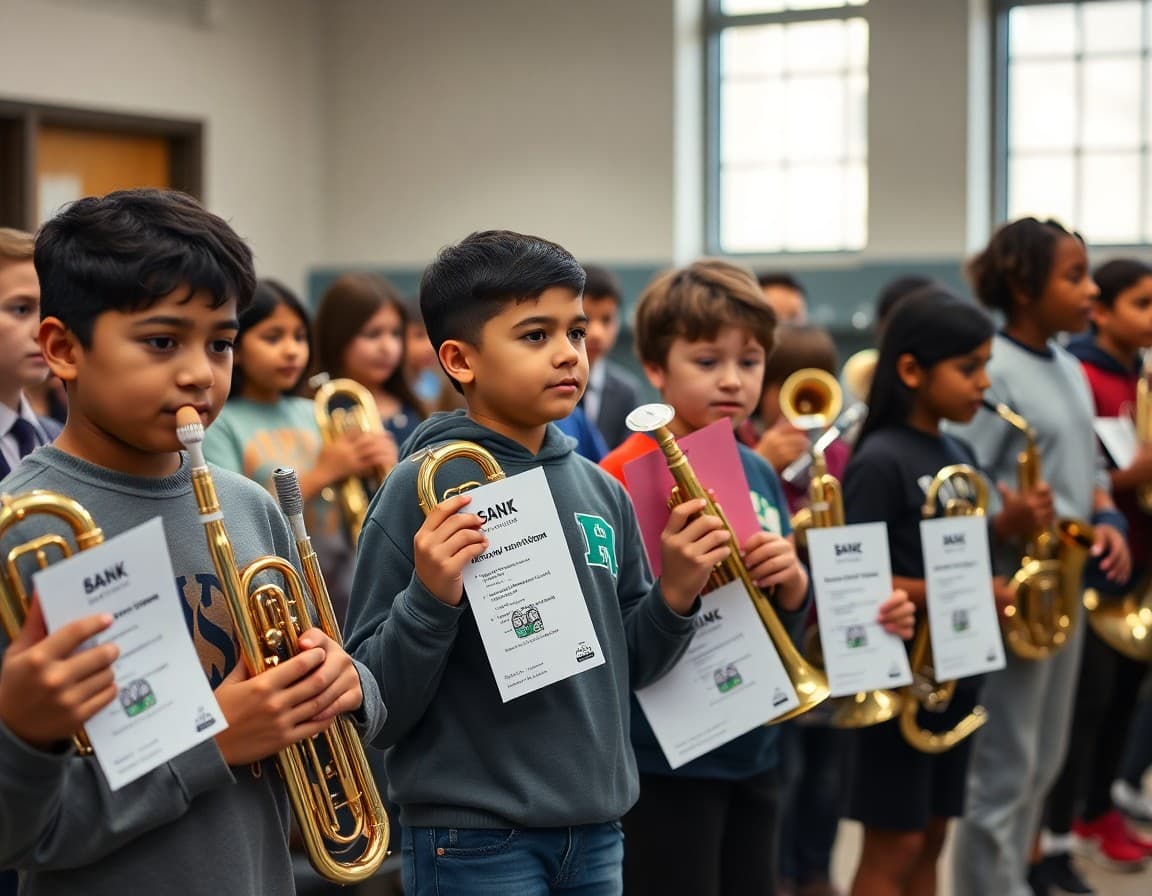
The beginning-of-year newsletter for a band program is one of the most information-dense newsletters any teacher sends. Families need to know about instrument rentals, accessories, practice requirements, performance schedules, and grading policies before the first rehearsal. A newsletter that covers all of that clearly and specifically sets the band program up for a year of productive family relationships. A newsletter that leaves gaps gets filled by confusion.
This guide covers what to include in a band beginning-of-year newsletter, how to communicate the performance commitment honestly, and what a ready-to-use template looks like.
Introduce yourself and the program's scope
Start with your name, the ensembles you direct, and two sentences on your background or philosophy. "I am Ms. Torres, and I direct the Beginning Band, Concert Band, and Wind Ensemble at Lincoln Middle School. I played French horn professionally for eight years before transitioning to education and have been directing here for five years. My goal for every student in this program is to leave band able to read music, play expressively, and know how to practice effectively on their own." A brief, confident introduction sets the tone for the year.
List instrument and accessory requirements by section
Organize this section by instrument family so families can find their student's requirements quickly. For woodwinds: reed players (clarinet, alto sax) need a box of reeds (Rico or D'Addario size 2 for beginners), cork grease, and a swab. For brass: valve oil for trumpet and baritone, slide cream and a spray bottle for trombone, French horn valve oil. For percussion: a practice pad and drumstick set for home practice (Vic Firth SD1 are appropriate for beginners). Specify each item by name and provide price ranges.

Explain instrument rental clearly
Name the local music stores that participate in school rental programs with their phone numbers, the monthly cost range, and what the rental includes. "Lakewood Music (555-0182) and Harmony Center (555-0247) both offer school rental programs. Monthly cost ranges from $18 to $35 depending on the instrument. Rental typically includes the instrument, case, one set of accessories, and a maintenance plan. The school has a limited number of loaner instruments for families who need temporary assistance; email me to get on the waiting list." Families who have this information in hand before the first rehearsal can get their student set up immediately.
State the practice expectation clearly
Name the daily practice target in minutes and break it down by ensemble level if your program spans beginning through advanced groups. Beginning band: 20 minutes per day. Concert band: 25 minutes per day. Wind ensemble: 30 to 40 minutes per day. Then explain how you verify home practice if you use a practice log or digital platform. "Students track their practice in a weekly log. I review logs on Mondays. Students who consistently complete practice logs on time earn bonus points that can offset a missed or low quiz score." Families who understand how practice connects to the grade are more likely to prioritize it.
Share the full-year performance calendar
Include every concert, festival, and community performance with date, time, location, and whether it is required or optional. "Fall Concert: Thursday, November 20 at 7 PM in the school gymnasium. Required for all band students. Students should arrive by 6:30 PM in all-black concert attire. Winter Concert: Thursday, December 18 at 7 PM in the school gymnasium. Required for all band students. Spring Band Festival: Saturday, March 14 at Lincoln High School. Required for Wind Ensemble, optional for Concert Band. End-of-Year Concert: Thursday, May 21 at 7 PM. Required for all band students." Giving families the full calendar in the first newsletter prevents the conflicts that arise when families learn about a required concert two weeks before it happens.
Describe the grading structure
Band grades often include categories families do not anticipate. Explain the major components: daily preparation and participation, practice log completion, playing assessments, and concert attendance. If concert attendance is graded and a missed concert requires a make-up assignment, state that explicitly in the first newsletter. "Concert attendance is required and graded. Students who miss a required concert without a documented family emergency will complete a make-up assignment, which involves attending a live musical performance outside of school and submitting a one-page reflection."
Tell families what great practice looks like at home
Many band parents want to help but do not know what effective practice sounds like. Give them three specific things to ask their student: Can you play your long tones for me? Can you play your scales slowly without stopping? Can you play the section of the concert piece you are working on this week? These three questions do not require any musical knowledge from the parent and give them a direct window into their student's progress.
Close with your contact information
End with your email, your response time, and a brief welcome note. Families who receive a warm, organized, specific first newsletter from a band director trust the program before the first rehearsal. That trust carries the relationship through the challenges that arise during a long performance season.
Get one newsletter idea every week.
Free. For teachers. No spam.
Frequently asked questions
What should a band beginning-of-year newsletter include?
Cover the director's introduction, the instrument and accessory requirements for each section, the practice expectation with a specific number of minutes per day, the full-year performance calendar with dates and times, the grading breakdown, and how families can reach you. If auditions or chair placements happen early in the year, include dates and what the process involves. Families who receive all of this information in the first newsletter have everything they need to support their student from the start.
How do you communicate instrument rental requirements to new families?
Name the specific local music stores that offer school rental programs, the approximate monthly cost, what the rental typically includes (instrument, case, maintenance), and whether the school has any loaners available for families who need them. Include the store names and phone numbers rather than leaving families to search. Families who wait until after the first rehearsal to start the rental process often put their student two weeks behind in practice before the year has started.
How do you explain practice requirements to families new to band?
State the daily practice requirement in minutes and explain why frequency matters more than duration. 'Twenty minutes per day every day builds muscle memory and tone faster than one 90-minute session per week. Short daily practice is how instrumental technique develops.' If you use a practice log or SmartMusic to track home practice, explain what it is and why you use it. New families follow through more consistently when they understand the purpose behind the requirement.
When should a band director send the beginning-of-year newsletter?
Send it before or on the first day of class. Instrument setup, rental arrangements, and accessory purchases all require lead time. Families who receive the newsletter a week before school starts can have their student ready for the first rehearsal. Families who receive it on the first day are often racing to catch up for the next two weeks.
How does Daystage help band directors send beginning-of-year newsletters?
Daystage lets you build a reusable beginning-of-year template that you update each August with new dates and requirements. The newsletter looks polished and organized, which matters for a first impression. Because Daystage tracks who opened the newsletter, you know which families received the instrument and practice information before the first assessment and which may need a follow-up before a student falls behind.

Adi Ackerman
Author
Adi Ackerman is a former classroom teacher and curriculum writer with 8 years in K-8 schools. She writes about school communication, parent engagement, and what actually works in real classrooms.
More for Subject Teachers
Music Teacher Newsletter Guide: Keeping Families Connected to the Music Program
Subject Teachers · 7 min read
After-School Program Newsletter Guide: Keeping Families Engaged Beyond the School Day
Subject Teachers · 6 min read
Academic Support Teacher Newsletter: Communicating Intervention Services and Progress to Families
Subject Teachers · 6 min read
Ready to send your first newsletter?
3 newsletters free. No credit card. First one ready in under 5 minutes.
Get started free