
How to Write a Japanese Class Newsletter to Parents
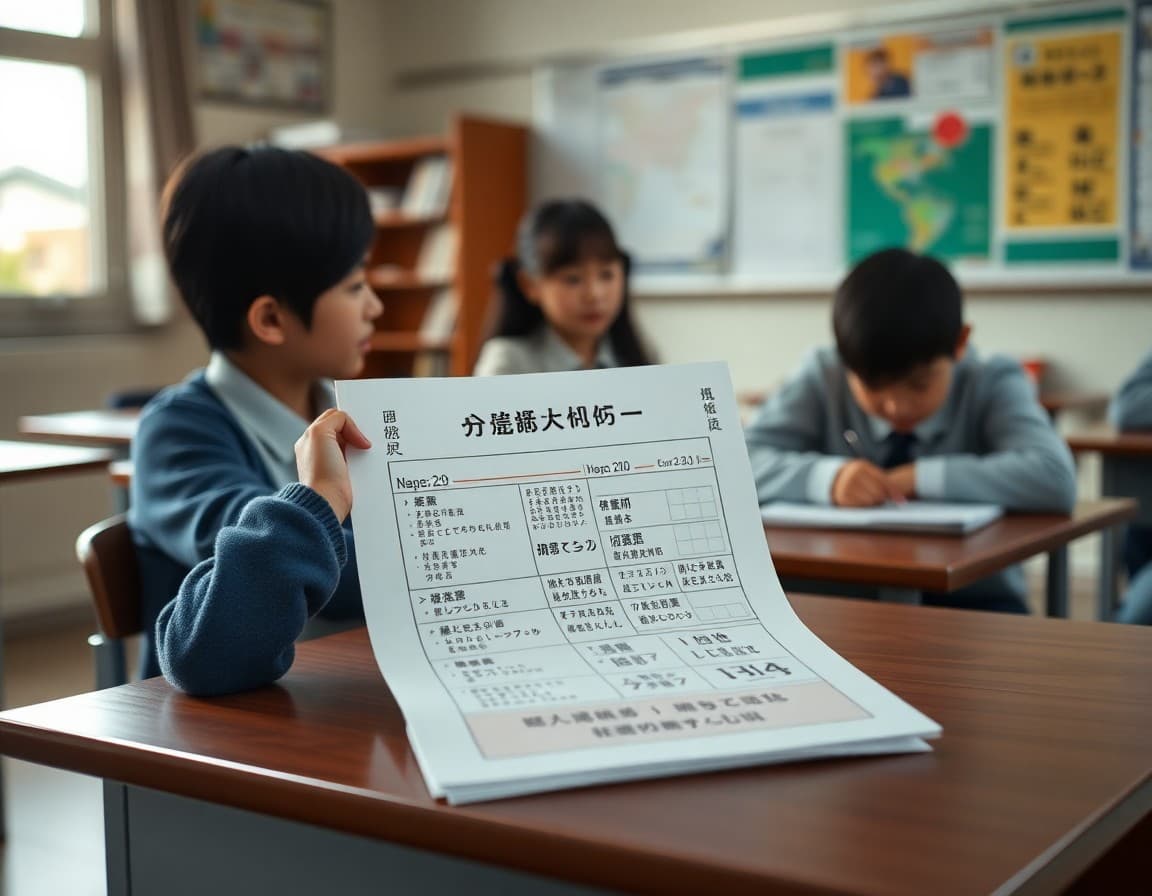
Writing a Japanese class newsletter for parents who don't speak Japanese requires a specific approach. Your job is not to teach parents the language. Your job is to make them feel connected to their child's progress and give them practical ways to support learning at home. Here is how to do that well.
Start With a Clear Subject and Opening
A specific subject line improves open rates. "Japanese Class Newsletter: October Update" works better than "Newsletter." In your opening paragraph, mention the class, the grade level, and what the newsletter covers. This takes two sentences and immediately orients parents who may be juggling multiple newsletters from different teachers.
Summarize Current Units in Plain Language
Describe what students are working on without using Japanese linguistic terminology. Instead of writing that students are learning verbal conjugation in the masu form, write that students are learning how to speak politely in Japanese, which is used in formal situations, shops, and when meeting new people. That framing is accurate and immediately meaningful to a parent.
If you are covering a specific topic like greetings, school vocabulary, or food, name it plainly and give one example sentence students have practiced.
Include a Small Vocabulary Section
Three to five words with romaji, hiragana where appropriate, and English translation give parents something tangible to interact with. Suggest that they ask their child to teach them the words, or challenge their child to use one word correctly in a sentence by the end of the week. This creates a low-stakes way for families to engage with the language regardless of their background.
Explain the Writing Systems When Relevant
Early in the year, or when students are transitioning from hiragana to katakana or starting kanji, a short explanation is genuinely useful. Parents often see their child's homework and have no frame of reference for what they are looking at. A three-sentence explanation demystifies the writing and helps parents ask better questions at home.
Highlight Cultural Connections
Japanese culture is rich with material that makes for engaging newsletter content. Festival seasons, traditional arts, food culture, and seasonal observances all connect naturally to classroom themes. If your class is studying food vocabulary, a paragraph about the role of bento culture in daily Japanese life adds depth. Keep cultural sections conversational and connected to current lessons.
List Upcoming Assessments and Key Dates
Parents need to know when tests, projects, and presentations are coming so they can support preparation at home. List upcoming assessments with dates and a one-sentence description of what students need to know or do. If there is a speaking component, note whether students will present to the class or record themselves. Clear information prevents the last-minute panic of a parent learning about a major project the night before it is due.
Give Parents Specific Ways to Help
Most parents want to help but don't know where to start with a language they don't speak. Recommend one or two free resources: a hiragana practice app, a short Japanese story on YouTube, or a simple phrase guide they can use to quiz their child. The more specific the recommendation, the more likely families are to actually use it.
Close With Contact Info and Next Steps
End with your email, preferred contact method, and any important upcoming dates. Let parents know when the next newsletter will go out. A brief, friendly sign-off is enough. Families appreciate knowing they can reach you and that communication will continue on a predictable schedule.
Get one newsletter idea every week.
Free. For teachers. No spam.
Frequently asked questions
How long should a Japanese class newsletter be?
One to two pages is the sweet spot for most Japanese teacher newsletters. Parents scan newsletters rather than read them word for word, so shorter and well-organized beats longer and comprehensive. Six to eight clear sections with short paragraphs are easier to absorb than a dense block of text. Aim for something a parent can read in three minutes.
Should I explain writing systems like hiragana and katakana to parents?
A brief orientation is helpful, especially early in the year. You might include a one-paragraph explanation that Japanese uses three writing systems and that students are currently mastering hiragana, the foundational alphabet. Avoid overwhelming parents with linguistic detail. The goal is to give them enough context to understand what their child is learning, not to teach parents Japanese.
What is the best way to share cultural content in a Japanese newsletter?
Tie cultural content to what is happening in the calendar or in class. If students are learning vocabulary related to food, a short paragraph on Japanese food culture makes the language come alive. If a Japanese cultural holiday is approaching, explain it briefly and suggest a way families might engage with it at home. Keep cultural sections short: two to four sentences plus a suggestion.
How do I communicate Japanese listening and speaking progress to English-speaking parents?
Describe what students are doing rather than grading linguistic milestones. Write that students practiced ordering food in Japanese using polite forms this week instead of saying students worked on the masu verb form. Give parents something concrete to ask their child about. The more observable the description, the more useful it is for families who cannot evaluate Japanese proficiency themselves.
What tool works best for subject teacher newsletters?
Daystage is a strong choice for Japanese teachers because it lets you build a reusable template and update it each newsletter cycle. You can add vocabulary sections, embed cultural images, and format everything cleanly without design experience. Families get a consistent, easy-to-read communication every time.

Adi Ackerman
Author
Adi Ackerman is a former classroom teacher and curriculum writer with 8 years in K-8 schools. She writes about school communication, parent engagement, and what actually works in real classrooms.
More for Subject Teachers
Ready to send your first newsletter?
3 newsletters free. No credit card. First one ready in under 5 minutes.
Get started free