
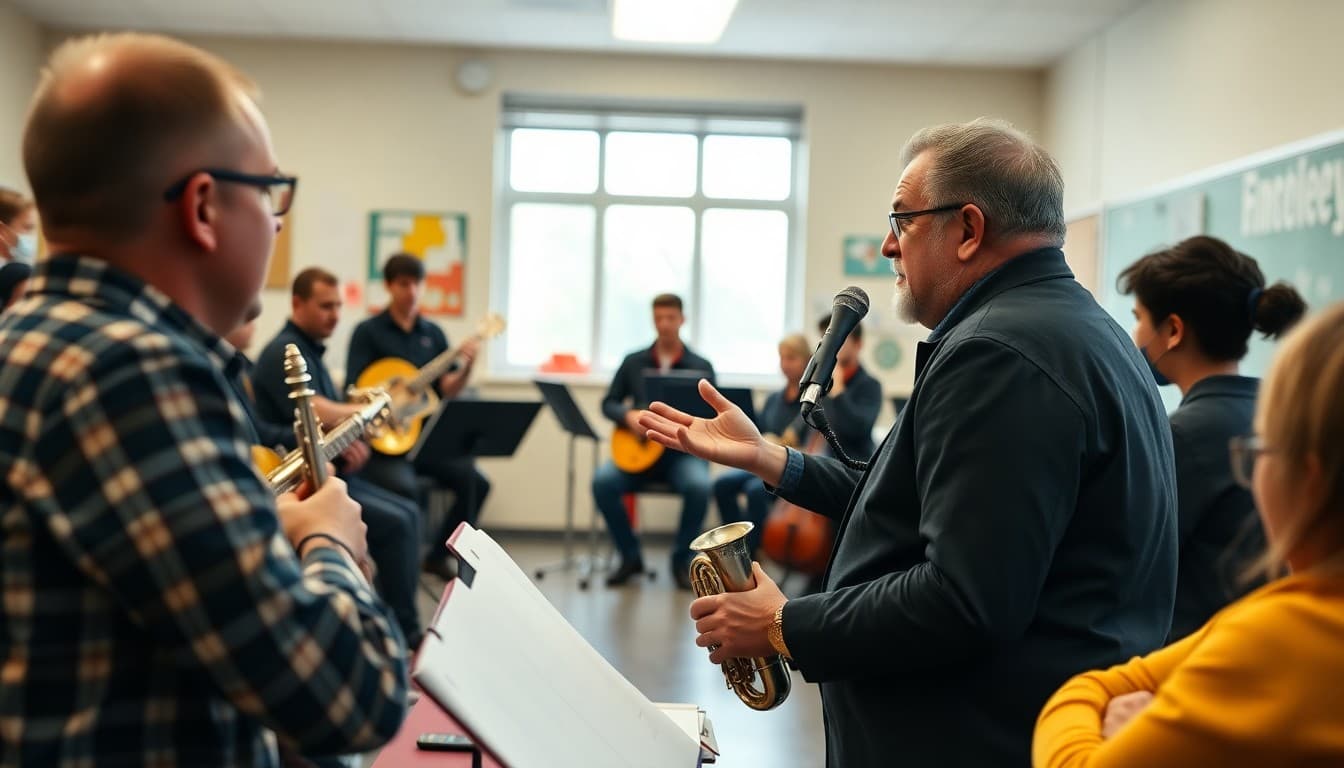
Band Teacher Newsletter: Communicating Curriculum Changes to Parents
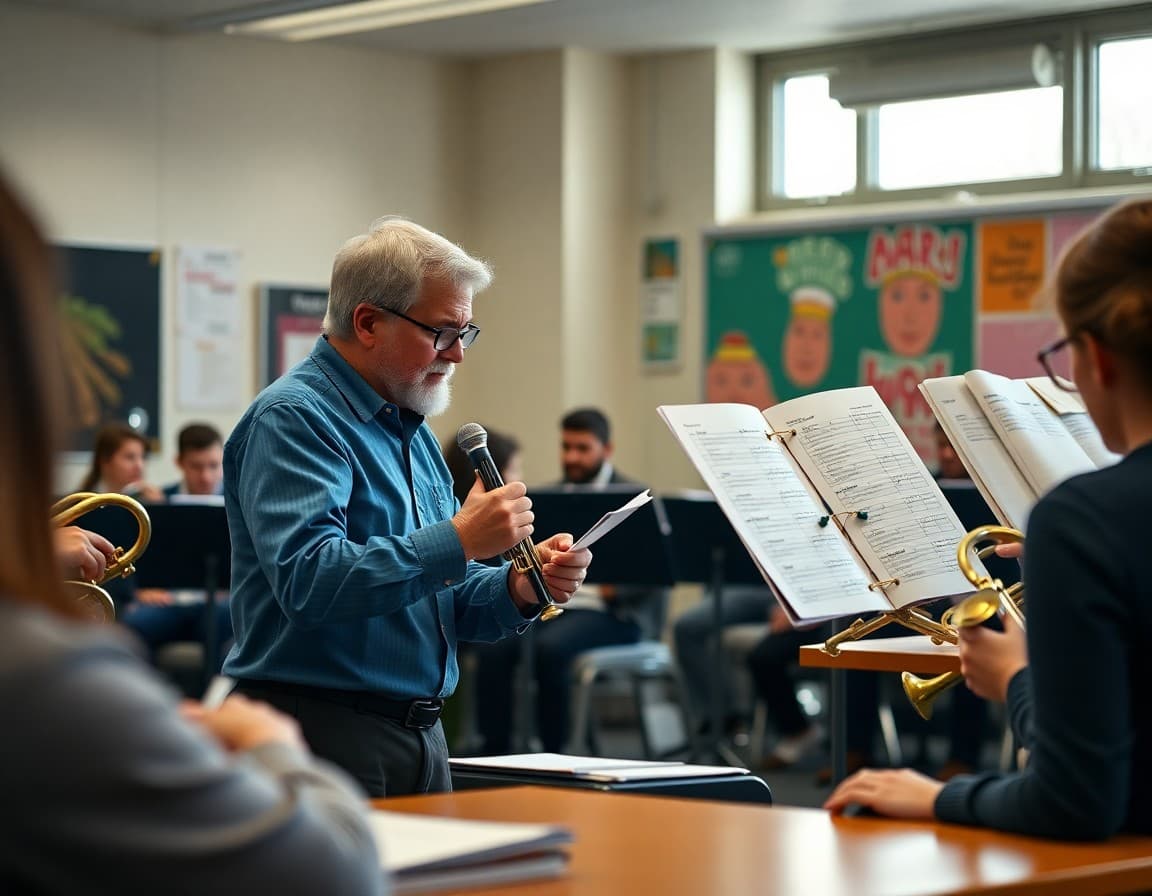
Band program changes can generate strong family reactions because instrumental music families are often deeply invested in the program's structure. A family that has watched their student move from Beginning Band to Concert Band to Wind Ensemble has a clear picture of how the program works. Any change to that structure requires communication that is direct, honest, and specific about what the change means and why it was made.
This guide covers how to write a band curriculum change newsletter that explains the change clearly, addresses the concerns families are most likely to have, and maintains the trust that takes a full school year to build.
Lead with the change in the first paragraph
Name the change at the top of the newsletter without softening it to the point of obscurity. "Starting this fall, the band program will restructure from three ensemble levels to two: a Beginning Band for students in their first or second year of playing and a Concert Band for all students beyond that. The separate Wind Ensemble level is being absorbed into Concert Band." That is clear, specific, and honest. Families who know immediately what has changed are far less anxious than families who have to search for the change in a paragraph of context.
Explain the reason for the change
Give the actual reason. If enrollment dropped enough that the Wind Ensemble no longer had sufficient instrumentation, say that. If the district administration required a change to the program structure, say that. If the director made an artistic decision that a single advanced ensemble would develop more cohesion than two smaller ones, say that. Honest reasons, even when they are not ideal, generate more trust than vague language about "program optimization."

Name what stays the same
Curriculum changes in band programs rarely change everything. Tell families explicitly what is not changing: the performance calendar, the method of grading, the practice requirements, or the quality of repertoire. "The performance calendar for this year remains unchanged: fall concert in November, winter concert in December, and spring concert in May. The repertoire for each concert will continue to be selected at the level appropriate for the ensemble. The change is in structure, not in the quality or scope of music we will perform."
Address the specific impact on students currently in the program
Families want to know what the change means for their specific student. Address the most common scenario. "Students who were previously in Wind Ensemble will be placed in Concert Band beginning this fall. They will continue to be challenged appropriately; I will select Concert Band repertoire that includes pieces at the advanced level that the full ensemble can work on. Advanced players in Concert Band also serve as section leaders, which develops their leadership and listening skills in ways that a more homogeneous ensemble does not."
If grading is changing, explain the new system clearly
If the curriculum change includes a change to how grades are calculated, dedicate a full section to it. "Starting this fall, chair rankings will no longer be a component of the band grade. Instead, playing assessments will be graded on a rubric that measures tone quality, technical accuracy, rhythmic precision, and musical expression. Every student will receive specific feedback on each criterion rather than a rank relative to other students. I believe this approach develops better musicians over the long term and removes the anxiety that chair ranking creates for students who are progressing but not ranked first."
Include a brief template excerpt from a band curriculum change newsletter
Here is a short example:
"I am writing to let you know about a change to the band program this fall. After three years of directing three separate ensembles, I am restructuring to two: Beginning Band and Concert Band. The primary reason is that the Wind Ensemble enrollment has declined to the point where we no longer have full instrumentation. Rather than producing an ensemble that is missing critical voices, I am combining the advanced players into a stronger Concert Band that can perform more ambitious literature with full instrumentation. The fall concert date remains November 20. Questions? Please email me at [email]."
Offer a Q and A option for families who need more information
For a significant structural change, offer a brief optional meeting where families can ask questions. "I will hold an optional informational session on September 10 at 6:30 PM in the music room for families who want to discuss the restructuring. I will also be available for individual calls by appointment; email me to schedule a 15-minute call if you have specific questions about your student's placement."
Close with your contact information
End with your email and your typical response time. Band program changes generate more family communication than most other curriculum changes because the investment in instruments and the time families have put into supporting practice makes the stakes feel higher. Making yourself easy to reach and responsive is the most practical thing you can do to manage the transition well.
Get one newsletter idea every week.
Free. For teachers. No spam.
Frequently asked questions
What kinds of changes require a family communication for a band program?
Common triggers include restructuring the ensemble levels (for example, combining or splitting Concert Band and Wind Ensemble), changing the method book used for beginning band, adopting a new approach to grading such as shifting from chair rankings to proficiency-based assessment, changing the concert schedule or eliminating or adding a performance, introducing a new genre such as jazz or pop to the traditional concert band program, or changing the instrument combinations in the ensemble.
How do you explain removing chair rankings from a band program to families?
Address the concern that some families have that chair rankings motivate students and that removing them will reduce competitive drive. 'Chair rankings create a single winner for every chair and leave most students feeling ranked below their potential. Proficiency-based assessment tells every student specifically what they are doing well and what to work on next. Students who are curious about how they compare to their peers still receive that information through playing assessments, but the primary feedback is individualized rather than comparative. Research on motivation in instrumental music consistently supports individualized feedback over ranking for long-term engagement in music.'
How do you explain a repertoire change to families who are accustomed to a traditional concert band program?
Name the pieces you are adding and explain their artistic value in accessible terms. 'This year, we are adding an arrangement of 'In the Mood' by Glenn Miller to our fall concert program alongside our traditional concert literature. Jazz-style pieces develop rhythmic precision and listening skills that benefit students' overall musicianship in ways that traditional concert band literature does not always demand. Both styles are valuable, and students who can play in both idioms are better musicians for it.'
How do you address families who resist a change to their child's ensemble level?
Acknowledge the concern specifically before explaining the placement. 'I understand that this placement change is unexpected, and I want to walk you through the reasoning. The decision is based on what I observed in playing assessments over the last two months: your student's tone development and sight-reading are strong, and they are ready for the repertoire and pace of the upper ensemble. Staying in the current ensemble would mean not challenging them appropriately.' Specific, evidence-based reasoning is more persuasive than generic reassurance.
How does Daystage help band directors communicate program changes?
Daystage lets you send a structured newsletter with clear sections for what is changing, why it is changing, and what it means in practice for students this semester. The delivery tracking shows which families read the newsletter, which is especially important for a curriculum change that affects ensemble placement or grading structure, where every family needs to have received the information before questions start arriving.

Adi Ackerman
Author
Adi Ackerman is a former classroom teacher and curriculum writer with 8 years in K-8 schools. She writes about school communication, parent engagement, and what actually works in real classrooms.
More for Subject Teachers
Music Teacher Newsletter Guide: Keeping Families Connected to the Music Program
Subject Teachers · 7 min read
After-School Program Newsletter Guide: Keeping Families Engaged Beyond the School Day
Subject Teachers · 6 min read
Academic Support Teacher Newsletter: Communicating Intervention Services and Progress to Families
Subject Teachers · 6 min read
Ready to send your first newsletter?
3 newsletters free. No credit card. First one ready in under 5 minutes.
Get started free