
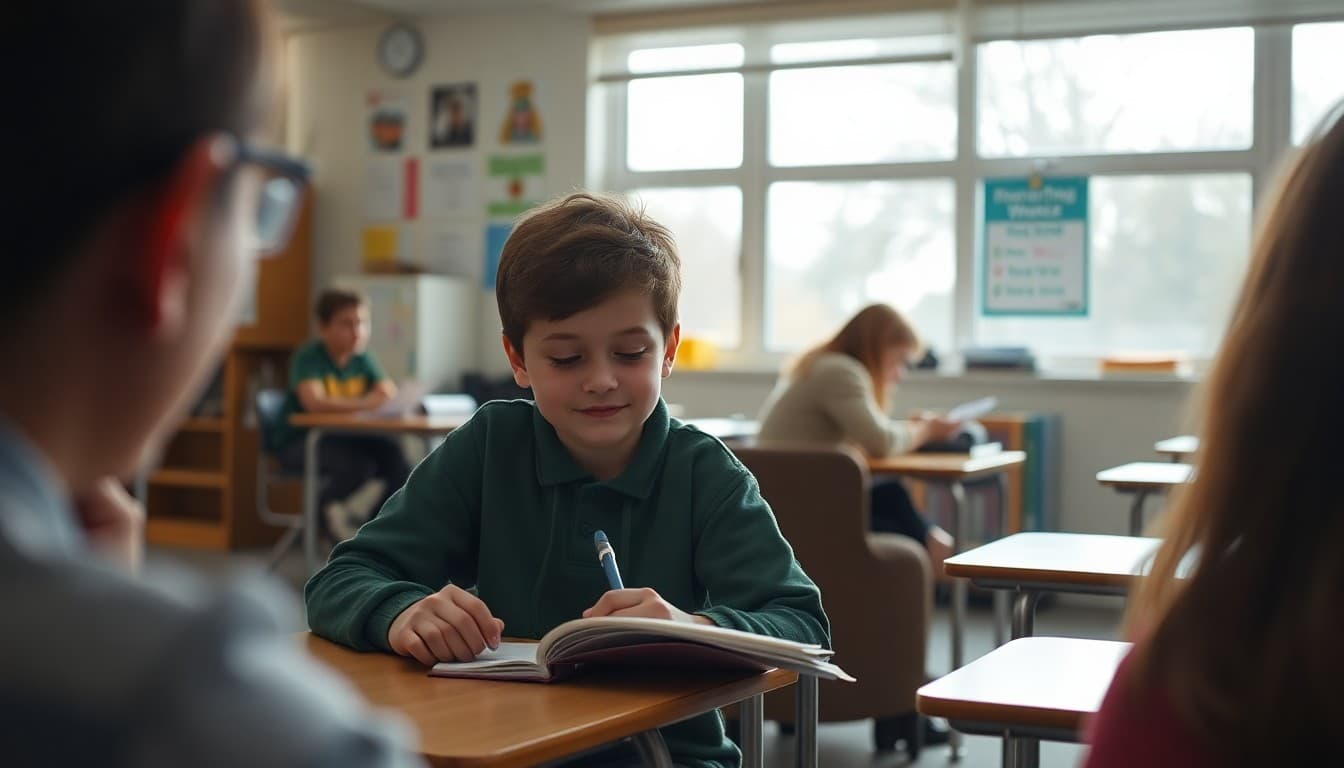
Teacher Newsletter for Writing Workshop: What Families Need to Know About the Writing Process in Class
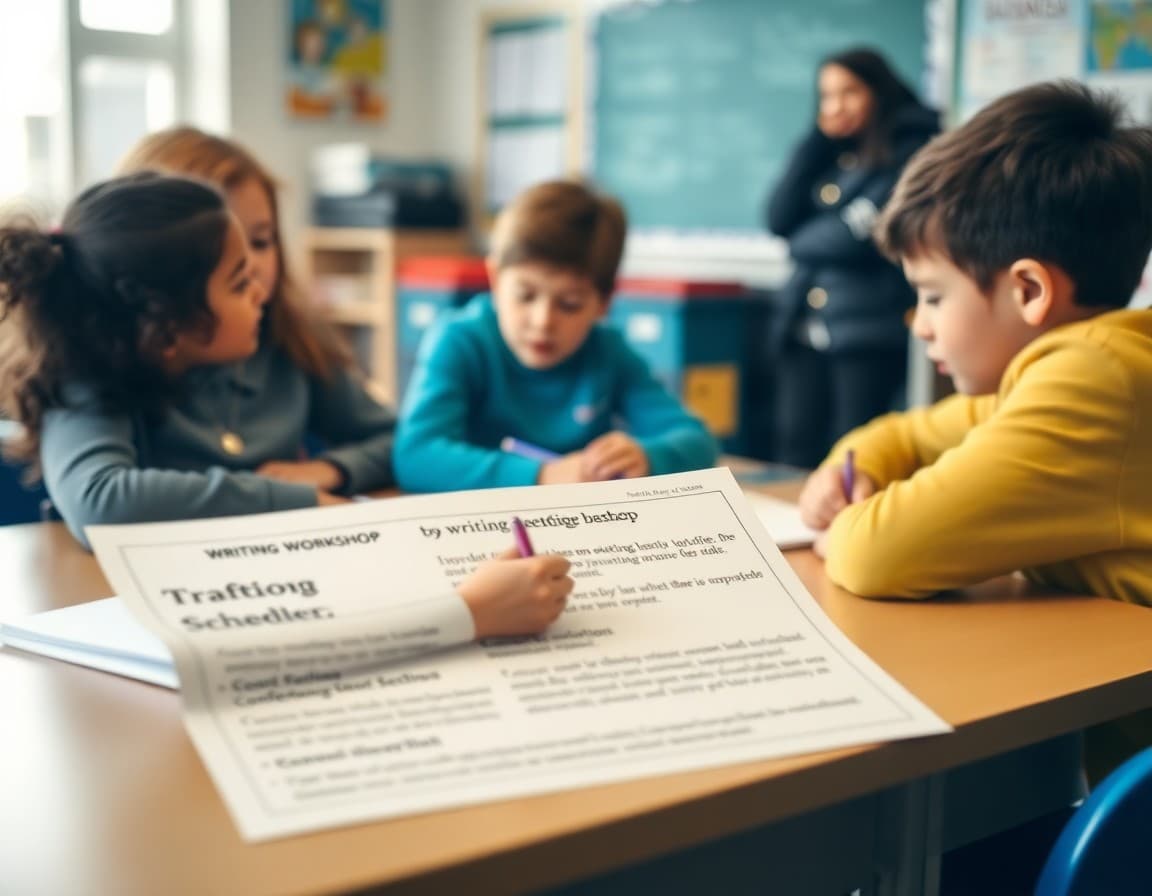
Writing Workshop Is Not What Most Families Expect
Many families picture writing class as a teacher assigning a prompt and students filling pages. Writing workshop runs differently: students develop pieces across multiple sessions, receive individual feedback through conferences, revise with purpose, and eventually publish work for an audience. A newsletter that explains this structure at the start of a workshop unit prevents confusion about why students have the same draft for two weeks, what happens during conference days, and why the finished piece looks different from the first draft.
The Writing Process Your Students Are Learning
A strong writing workshop newsletter names the phases of the process the class is using. Prewriting generates ideas through brainstorming, quick-writes, or mentor text study. Drafting gets ideas on paper without stopping to polish. Revision improves the content, structure, and clarity of the draft. Editing addresses grammar, spelling, and mechanics. Publishing produces a finished piece for a real audience. Families who know these phases understand why their student might say "we are revising" rather than "we are writing," and they can ask better questions about where in the process the student currently is.
What Happens During a Conference Day
Conference days are some of the most valuable instruction in writing workshop, and they often look nothing like traditional teaching. While most students write independently, the teacher sits with one student at a time for three to five minutes of focused conversation about that student's specific draft. The teacher asks what the writer is working on, listens, and responds to the actual text in front of them. Families who understand this do not worry that their student is unsupervised during conferences. They understand that every student gets targeted instruction that a whole-class lesson cannot provide.
The Current Genre and What the Final Piece Will Look Like
Writing workshop covers different genres throughout the year, and each genre has its own craft moves and assessment expectations. A newsletter that names the current genre, explains what distinguishes strong work in that genre, and describes what the published piece will look like gives families a specific target to understand. Whether the class is writing personal narratives, argument essays, feature articles, or poetry collections, families who know the form can appreciate the work their student brings home rather than wondering what standard it is meant to meet.
Peer Feedback: What It Is and What It Is Not
Peer feedback is a structured part of many writing workshops, and families sometimes misread it as students grading each other. Structured peer response focuses on specific craft elements rather than overall evaluation: a partner identifies where they wanted to know more, names a moment that was vivid, or asks a question the writing raised. Families who understand this see peer response as another form of instruction rather than social comparison.
How Families Can Support the Writing Without Taking Over
The most common mistake families make with writing workshop is treating homework drafts as documents to be corrected before submission. When a family edits a student's draft, the teacher loses the ability to see where the student actually is and conference toward real growth. The most useful family support is listening: ask your student to read the draft aloud, ask what they were trying to say in each section, and ask which part they are most unsatisfied with. This kind of conversation builds the metacognitive awareness that writing instruction aims for.
Consistent Writing Communication Through Daystage
Teachers who use Daystage for writing workshop newsletters give families a window into a process that otherwise feels invisible from home. Regular updates on where students are in the drafting cycle, what the current feedback focus is, and when publishing celebrations will happen transform writing workshop from a mystery into a process families can follow and support throughout the year.
Get one newsletter idea every week.
Free. For teachers. No spam.
Frequently asked questions
What should a writing workshop newsletter explain to families?
A writing workshop newsletter should explain the writing process the class is using, including how drafting, peer feedback, revision, and publishing work in sequence. It should name the current genre, describe what a writing conference is and why it matters, explain what finished work looks like, and tell families how to support the writing process at home without taking over.
What is a writing conference and how should families understand it?
A writing conference is a one-on-one or small-group meeting between the teacher and a student to discuss the student's current draft. The teacher asks questions, listens to the student's intentions, and responds to the specific challenges in that draft rather than teaching a general lesson. Families who understand this see conferences as targeted instruction rather than extra help.
How can families support writing at home without doing the work for the student?
Families can support writing by asking their student to read their draft aloud and listening without correcting, asking what the piece is trying to say and whether the current draft says it, and providing a distraction-free environment during drafting periods. The most helpful thing families can do is show genuine interest in what the student is writing about, which sustains motivation better than editorial feedback.
Why do writing workshop classes produce drafts over multiple days instead of completing writing in a single class period?
Writing workshop recognizes that strong writing emerges through cycles of drafting, distance, and revision rather than single-session completion. Students who return to a draft after a night away see it differently than they did when they wrote it. Multi-day drafting also mirrors the way professional writers work and teaches students that revision is a normal part of writing rather than a sign of failure.
What tool helps writing teachers send newsletters efficiently?
Daystage is built for school communication. Writing and ELA teachers use it to send formatted writing workshop newsletters with drafting schedules, publishing celebrations, and family support suggestions directly to parent email lists.

Adi Ackerman
Author
Adi Ackerman is a former classroom teacher and curriculum writer with 8 years in K-8 schools. She writes about school communication, parent engagement, and what actually works in real classrooms.
More for Subject Teachers
ELA Teacher Newsletter: Communicating Reading and Writing Goals to Families
Subject Teachers · 6 min read
Teacher Newsletter for Unit Introductions: How to Launch Every New Unit With Family Communication
Subject Teachers · 6 min read
Teacher Newsletter for Peer Review: What Families Need to Know Before Peer Feedback Days
Subject Teachers · 6 min read
Ready to send your first newsletter?
3 newsletters free. No credit card. First one ready in under 5 minutes.
Get started free