
Speech-Language Therapist Newsletter to Parents: What to Include and How to Build Home Practice
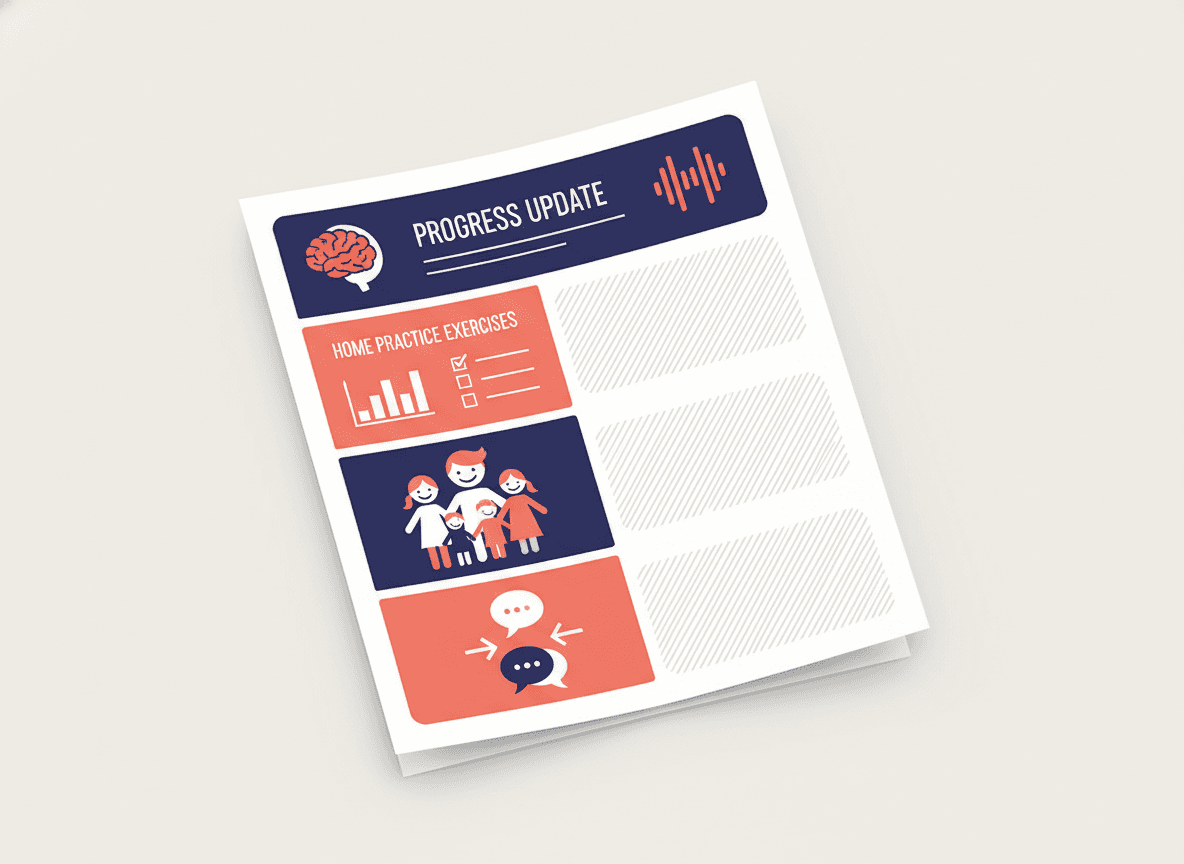
Speech-language therapy progress accelerates dramatically when home practice is consistent and effective. The problem is that most families do not know how to practice speech and language goals at home. They want to help, but without guidance, their efforts can be inconsistent or even counterproductive.
A well-written SLP newsletter solves this. It tells families what their child is working on, how to practice it correctly, and why the home environment is as important as the therapy session. This guide covers what to include, how to write about speech goals in accessible language, and how to build the family partnership that makes your work more effective.
Why SLP newsletters are different from classroom newsletters
Most school newsletters communicate general curriculum information to a whole class of families. An SLP newsletter often communicates about services that are part of an Individualized Education Program, which means families have specific rights and expectations. Your newsletter is not a substitute for IEP communication, but it is a valuable supplement.
The newsletter also serves a different function than an IEP update or progress report. It is not a formal document. It is relationship-building. Families who receive warm, specific, practical communication from their child's SLP feel like partners in the work, not just recipients of services.
How often to send an SLP newsletter
Monthly newsletters to families on your caseload work well for most school SLPs. If you work with very young children (early intervention or preschool), bi-weekly may be more appropriate, since language development at that age moves quickly and families benefit from more frequent guidance.
Many SLPs also find it useful to send a newsletter at the start of each school year to introduce themselves, explain the therapy schedule, and set expectations for family communication. That first newsletter does a lot of trust-building work that saves you time and phone calls later.
What to include in an SLP newsletter
- The current focus area for your caseload. If most of your caseload is working on similar goals (articulation, language, fluency, pragmatics), describe that area and why it matters. If your caseload is diverse, organize by goal area. "This month, students working on articulation are focused on their target sounds in spontaneous speech, moving beyond drills into real conversation." That framing helps families understand where their child is in the therapy progression.
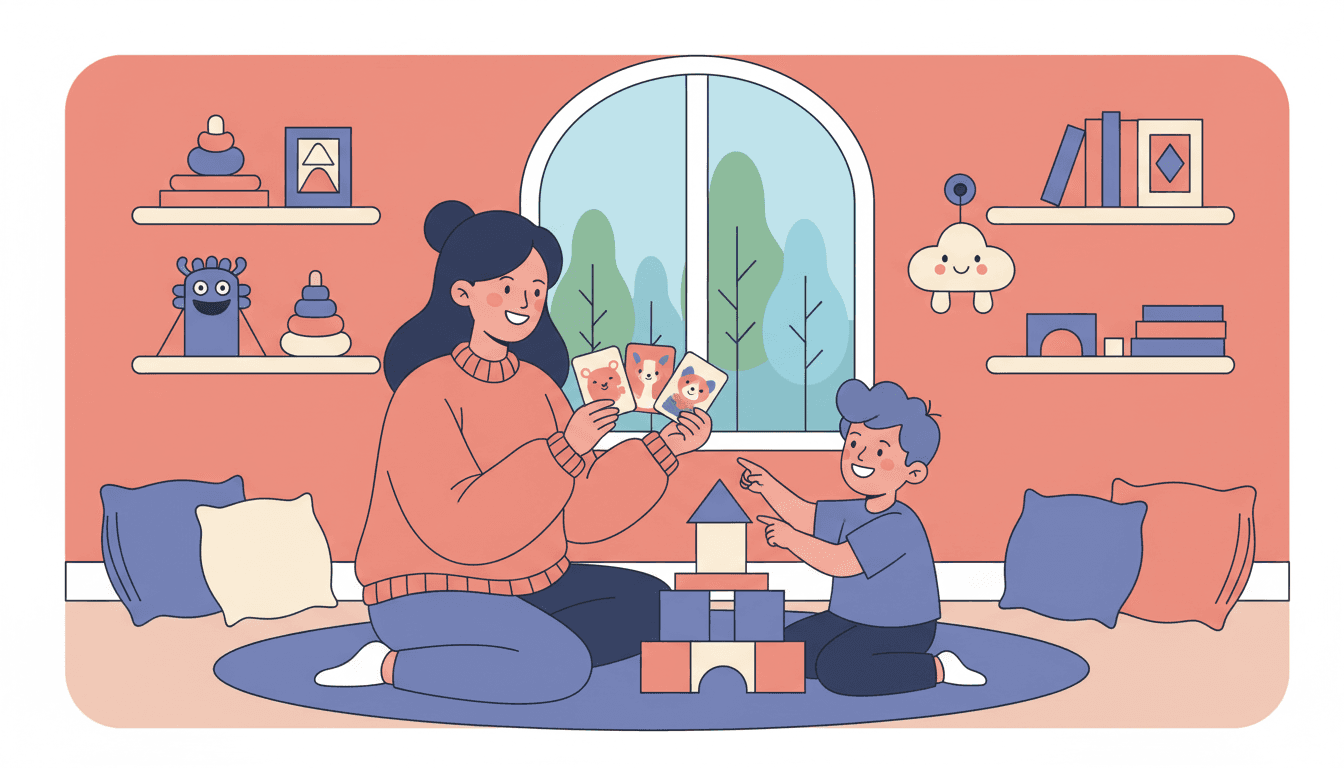
- One specific home practice activity. This is the most valuable section. Give families one specific, concrete activity they can do at home to support speech or language goals. Not general advice ("talk to your child more"), but something actionable. "If your child is working on the /r/ sound, try practicing it during car rides: take turns reading road signs and focusing on any /r/ sounds in the words. Three to five minutes of focused practice is more effective than thirty minutes of distracted practice." That level of detail is what families actually need.
- What to do (and what not to do) when a child makes an error. One of the most common mistakes families make is either correcting every error or ignoring errors entirely. The newsletter is the right place to give families a calibrated approach. "When your child uses an incorrect sound or grammatical form, the most helpful response is to model the correct version naturally in your response, without drawing attention to the error. If they say 'I wun to the store,' you might say 'Oh, you ran to the store! What did you get?'" That kind of specific guidance is what separates informed family support from counterproductive correction.
- A celebration of what students are accomplishing. Share a general milestone or achievement without identifying individual students. "Students in early articulation intervention typically start hearing their target sound in other people's speech before they can produce it consistently themselves. That awareness is a major step forward, and many of our students are right there." Progress feels good. Celebrate it.
- Therapy schedule reminders. When therapy sessions are scheduled, how to communicate a scheduling conflict, how to support generalization after sessions: practical logistics that reduce friction for families. Many SLPs lose therapy time to scheduling confusion that a clear newsletter reminder could prevent.
Explaining speech and language goals in plain language
SLP jargon is some of the most technical in education. Pragmatics, prosody, phonological awareness, morphosyntax: these terms are precise and necessary in clinical documentation, but they are barriers to family understanding in a newsletter.
For every clinical term you use, add a plain-language translation in parentheses or in the next sentence. "We are working on phonological awareness (the ability to hear and manipulate sounds in words, separate from reading) using rhyming games and sound-sorting activities." Families who understand the vocabulary are more likely to use it accurately at home and more likely to feel like partners rather than bystanders.
Addressing family anxiety about speech and language delays
Families whose children receive speech therapy often carry worry about long-term outcomes. Will my child always have a speech difference? Will they be teased? Will it affect their reading?
The newsletter is not the place to answer individual prognosis questions, but it is the right place to normalize the range of outcomes. "Most articulation goals are fully achievable with consistent therapy and practice. The timeline varies by goal, child, and the amount of practice happening between sessions. That is why home practice matters so much." That framing is honest, reassuring, and motivating.
Using Daystage for SLP newsletter communication
School SLPs often manage large caseloads across multiple schools or grade levels with limited administrative support. Building and sending newsletters manually is a time burden that most SLPs cannot afford.
Daystage makes the drafting fast. Set up one subscriber list per school or caseload group, build the newsletter in blocks (focus area, home practice, guidance, milestone celebration, logistics), and send. The formatted email arrives directly in family inboxes, which is more reliable than sending materials home in backpacks.
The families who practice at home accelerate progress for everyone
Research on speech and language intervention consistently shows that the frequency and quality of practice matters. Thirty minutes in a weekly therapy session is not enough to build the neural pathways that support lasting change. Home practice is where consolidation happens.
Your newsletter is the instruction manual for that home practice. The more clearly you write it, the more effectively families can use it, and the faster your students progress. Write it every month. The compound effect on your caseload's progress over a school year is significant.
Get one newsletter idea every week.
Free. For teachers. No spam.
Frequently asked questions
When should speech therapists send newsletters to parents?
Monthly newsletters to families on your caseload work well for most school SLPs. For early intervention or preschool caseloads, bi-weekly may be more appropriate since language development at that age moves quickly. Send an introductory newsletter at the start of each school year to introduce yourself, explain the therapy schedule, and set expectations for family communication.
What should a speech therapist newsletter include?
Describe the current focus area for your caseload in plain language. Give one specific, concrete home practice activity: not 'talk to your child more' but a named activity with a time estimate and the exact prompts to use. Explain what to do and what to avoid when a child makes an error. Share a general milestone celebration without identifying individual students. Include therapy schedule logistics and how to communicate a scheduling conflict.
How often should speech therapists communicate with parents by newsletter?
Monthly is the recommended cadence. The newsletter handles general communication for all caseload families so your individual communication bandwidth goes to the students who need the most direct contact. Research on speech and language intervention consistently shows that home practice frequency and quality matter, and the newsletter is the instruction manual for that practice.
What are common mistakes speech therapists make in parent newsletters?
Using clinical jargon without translation is the most common mistake. Pragmatics, prosody, phonological awareness, and morphosyntax are precise terms, but they are barriers to family understanding in a newsletter. For every clinical term, add a plain-language translation immediately after. A second mistake is giving vague home practice guidance: families who are told to 'practice at home' without specific instructions often do things that contradict the therapy approach.
What tool helps speech therapists send newsletters across multiple schools or caseloads?
Daystage lets you set up one subscriber list per school or caseload group, build the newsletter in blocks (focus area, home practice activity, guidance on error response, milestone celebration, logistics), and send formatted emails that arrive directly in family inboxes rather than in backpacks where they go missing.

Adi Ackerman
Author
Adi Ackerman is a former classroom teacher and curriculum writer with 8 years in K-8 schools. She writes about school communication, parent engagement, and what actually works in real classrooms.
More for Subject Teachers
School Registrar Newsletter Guide: Communicating Enrollment, Records, and Deadlines to Families
Subject Teachers · 6 min read
Academic Support Teacher Newsletter: Communicating Intervention Services and Progress to Families
Subject Teachers · 6 min read
Extracurricular Advisor Newsletter: Communicating Club Activities and Student Achievements to Families
Subject Teachers · 6 min read
Ready to send your first newsletter?
3 newsletters free. No credit card. First one ready in under 5 minutes.
Get started free