Blog /
School Nurses
Health office newsletters: illness policies, immunizations, mental health, and student wellness communication
School nurse communication has to carry medical information to a non-medical audience while managing anxiety, legal requirements, and the competing interests of families whose children have very different health needs. The articles here address those specific constraints. You will find guides for communicating illness policies, explaining medication procedures to families, writing clear and calm letters about disease outbreaks, and addressing the mental health aspect of the nurse's role. There are also templates for the sensitive communications that school nurses handle alone: the letter home about a head lice case, the immunization compliance reminder, and the return-to-school protocol after a serious illness.

Substance Abuse Prevention Newsletter from the Health Office: What School Nurses Can Communicate
How school nurses can write substance abuse prevention newsletters that give families accurate information about risks, warning signs, and how to start the conversation with their child.

Vision Correction Assistance Newsletter: Helping Families Access Glasses and Eye Care
How school nurses can write vision correction assistance newsletters that connect families to free or low-cost glasses programs and ensure students who need vision correction get it.

Vision Screening Newsletter: How to Prepare Families Before and After School Eye Screenings
A guide for school nurses on writing vision screening newsletters that prepare families, explain the process, and ensure referrals are followed through after screenings.

Nurse's Weekly Health Tips Newsletter: A Format That Keeps Families Engaged Year-Round
How school nurses can create a recurring weekly health tips newsletter that builds a regular readership, keeps families engaged with health office communication, and requires minimal preparation time each week.

Seasonal Illness Prevention Newsletter: Fall, Winter, and Spring Health Tips for School Families
How school nurses can write effective seasonal illness prevention newsletters that give families practical steps to reduce illness at home and keep attendance up.

September School Nurse Newsletter: What to Communicate
What school nurses should communicate in September: first illness season preparation, head lice prevention, asthma action plan reminders, and back-to-school health screenings.

Skin Condition Newsletter: How Schools Communicate Ringworm, Rashes, and Other Skin Issues
A guide for school nurses on writing skin condition newsletters that help families identify common school-related skin issues, understand exclusion policies, and know when to seek medical care.

Sports Physical Requirements Newsletter: Getting Student Athletes Cleared Before the Season
How school nurses and health staff can write sports physical newsletters that get athletes cleared on time, explain the required forms, and prevent the first-week participation rush.

Student Medication Policy Newsletter: How to Communicate Medication Rules to Families
How school nurses can write medication policy newsletters that explain storage, administration, and authorization requirements so families follow the correct procedures every time.

Sports Safety at School: What the Nurse Needs Families to Know Before the Season Starts
Student athletes face real health risks that pre-participation physicals, proper hydration, and concussion protocols are designed to prevent. Here is what school nurses communicate before sports seasons begin.
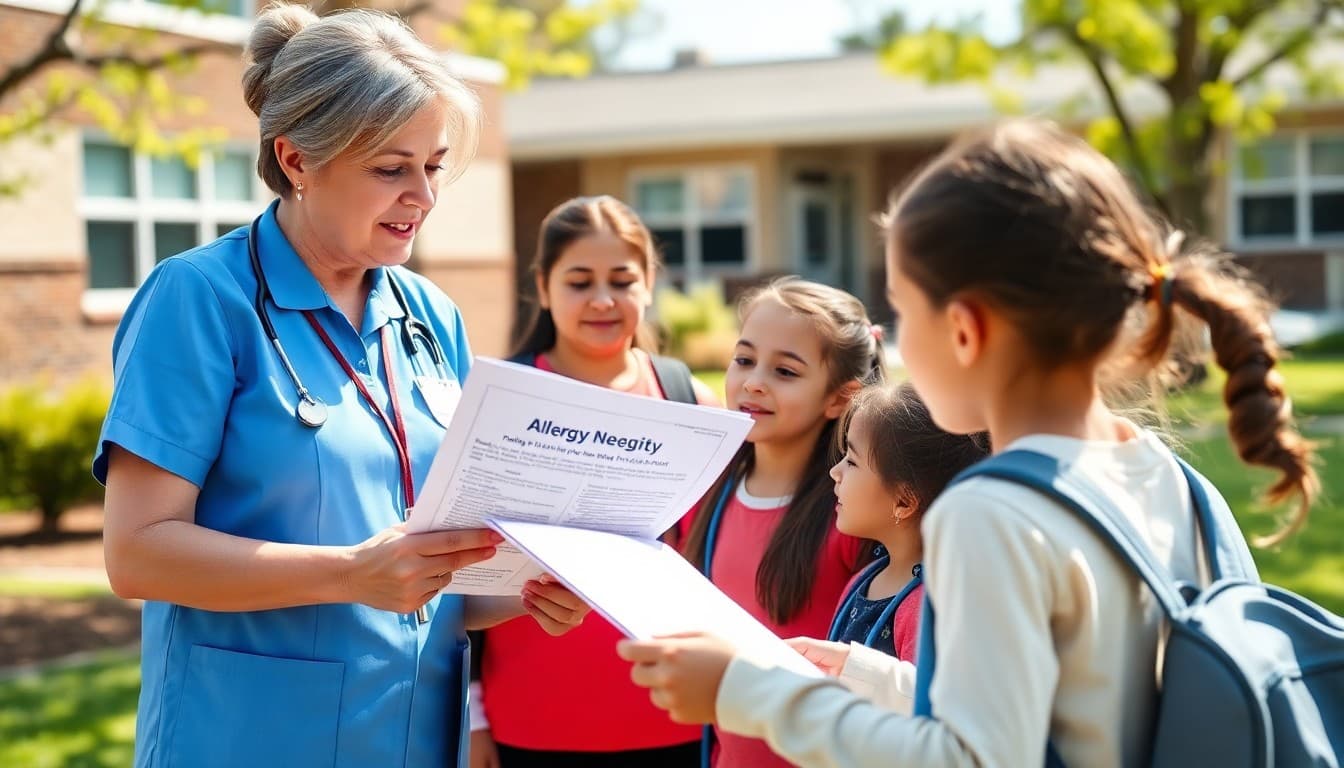
School Nurse Spring Newsletter: Allergies and Warm Weather Tips
Send a school nurse spring newsletter covering seasonal allergies, outdoor safety, tick prevention, sunscreen policies, hydration, and end-of-year health reminders.

School Nurse Mental Health Newsletter: Body and Mind Together
Send a school nurse mental health newsletter that connects physical health to emotional wellbeing, describes school support resources, and guides families toward appropriate help.

Supporting Transgender and Gender-Diverse Students: The School Nurse's Role
Transgender and gender-diverse students have specific health needs and face elevated mental health risks. Here is what school nurses communicate to families and how the health office provides affirming care.

School Nurse Well-Visit Reminder Newsletter: Annual Checkup Time
Send a school nurse well-visit reminder newsletter encouraging families to schedule annual checkups, update immunizations, submit health forms, and prepare for health screenings.
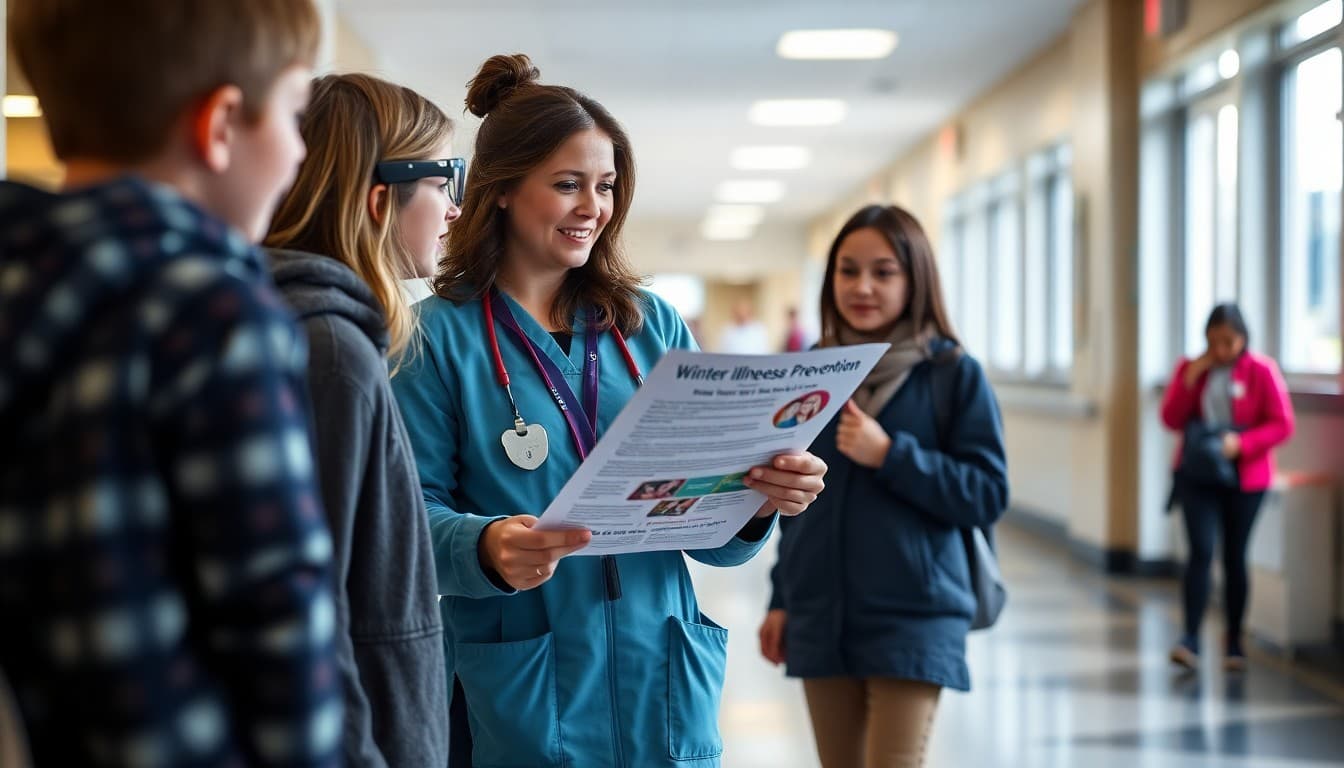
School Nurse Winter Newsletter: Cold and Flu Season Tips
Send a school nurse winter newsletter with practical cold and flu prevention tips, exclusion policies, medication reminders, and mental health notes for the dark months.

School Nurse Pink Eye Newsletter: Signs, Treatment, and Return
Send a school nurse pink eye newsletter that covers conjunctivitis signs, bacterial versus viral types, exclusion rules, treatment timelines, and when students can return to class.

School Nurse Ringworm Newsletter: Protocol and Treatment
Send a school nurse ringworm newsletter covering what ringworm is, how it spreads, the school exclusion policy, treatment options, and when students can return to class.

School Nurse Scoliosis Update Newsletter: Screening and Referral
Send a school nurse scoliosis update newsletter covering screening grades, what scoliosis is, how the Adams forward bend test works, what a referral means, and next steps.

School Nurse Seizure Disorder Newsletter: Protocols and Support
Send a school nurse seizure disorder newsletter covering seizure action plans, staff training, first aid steps, rescue medication, and how the school supports affected students.
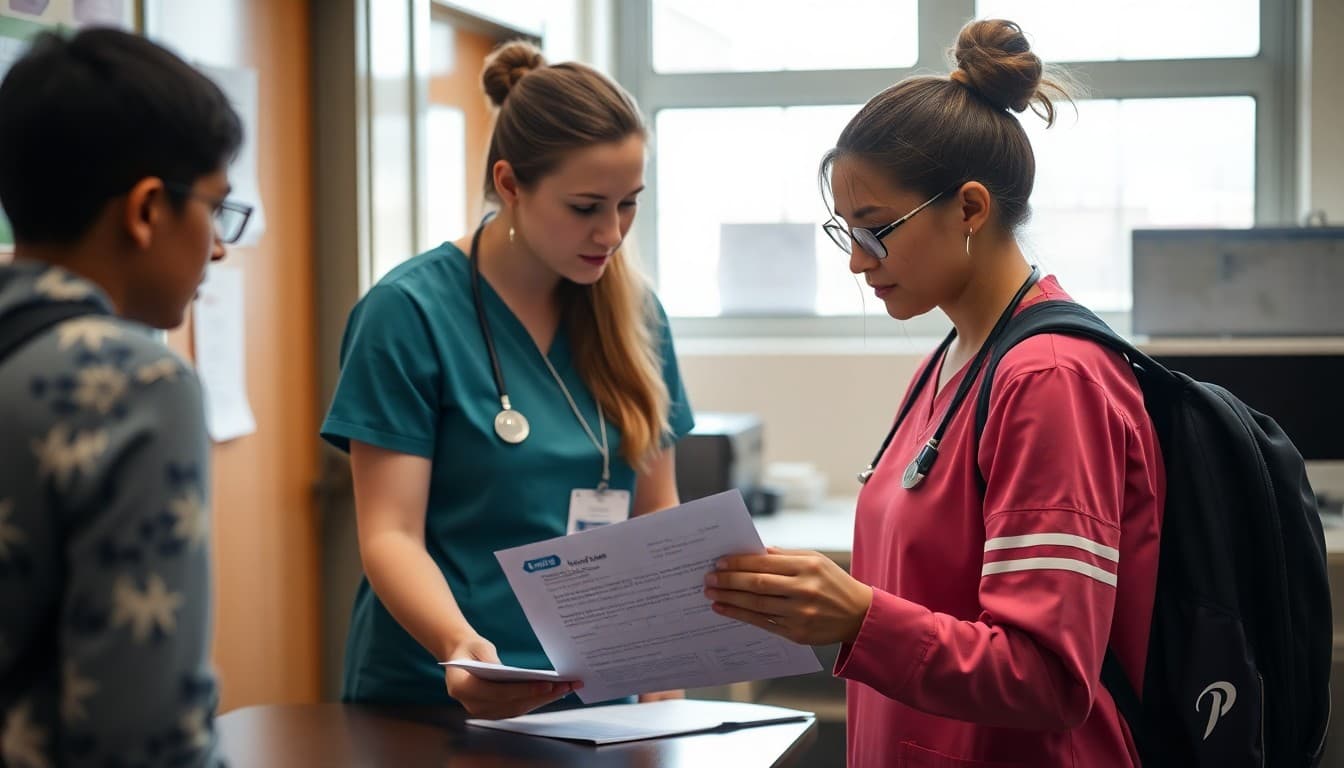
School Nurse Sports Clearance Newsletter: Athletic Health Requirements
Send a school nurse sports clearance newsletter covering required physical forms, exam timing, chronic condition documentation, and what student athletes need before tryouts.

School Nurse Sports Injury Newsletter: Protocols and Return
Send a school nurse sports injury newsletter covering common injury types, initial response protocols, return-to-play requirements, concussion integration, and what families must know.

School Nurse Medication Policy Newsletter: Rules for School Meds
Send a school nurse medication policy newsletter covering authorization forms, prescription and OTC rules, self-carry policies, controlled substances, and storage requirements.

Mental Health First Aid in Schools: What the Nurse Wants Families to Know
School nurses play a growing role in mental health support and crisis response. Here is what families should understand about how the health office handles mental health concerns and when to reach out.

School Nurse Newsletter Guide: How to Communicate Health Information to Families
A practical school nurse newsletter guide covering frequency, structure, and content that keeps families informed about student health without creating unnecessary alarm.

Opioid Awareness in Schools: What Families Need to Know
Opioid misuse affects students and families in every type of community. Here is how school nurses communicate prevention information, naloxone access, and warning signs in a way that reaches families without stigma.

Parent Health Education: What School Nurses Want Every Family to Understand
School nurses have knowledge that would help families make better health decisions for their children. Here is how to share that knowledge through parent education communications that families actually read.

Epilepsy and Seizures at School: What Families and Staff Need to Know
Students with epilepsy and seizure disorders attend school safely when staff are trained and the right plans are in place. Here is what school nurses need from families and what schools must prepare for.

School Nurse EpiPen Newsletter: Allergy Emergency Preparation
Send a school nurse EpiPen newsletter that covers anaphylaxis recognition, epinephrine auto-injector protocols, staff training, self-carry authorization, and family requirements.
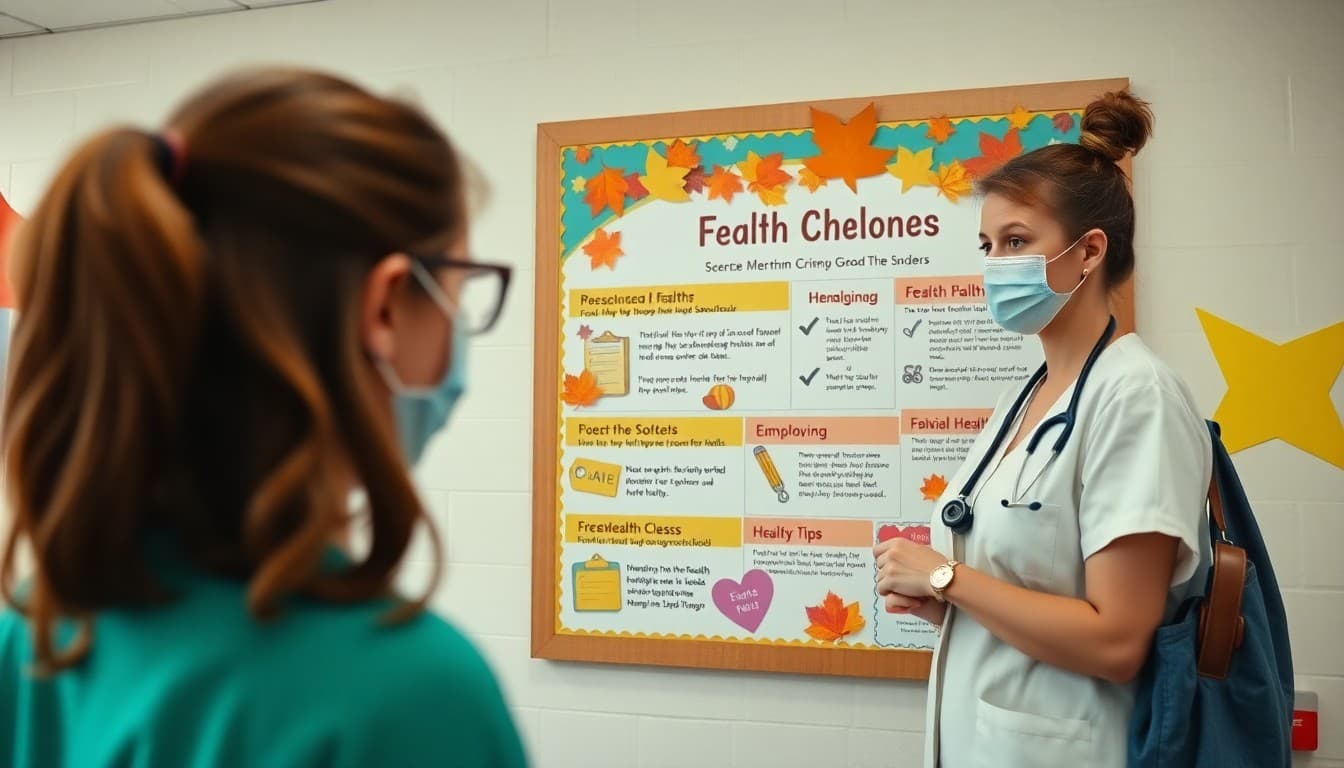
School Nurse Fall Newsletter: Health Tips for Autumn Season
Send a school nurse fall newsletter covering hand hygiene, seasonal illness prevention, asthma triggers, outdoor safety, and what families should do before cold season begins.

How to Plan and Communicate a School Health Fair That Families Actually Attend
A school health fair connects families to screenings, resources, and health professionals they might not otherwise access. Here is how school nurses plan and communicate one that draws real participation.

School Nurse Hearing and Vision Newsletter: Screening Results
Send a school nurse hearing and vision newsletter explaining screening procedures, how results are communicated, what a referral means, and next steps for families.

School Nurse Immunocompromised Student Newsletter: Special Protocols
Send a school nurse immunocompromised student newsletter covering illness notification protocols, modified attendance plans, staff training, family communication, and emergency procedures.

Managing Diabetes at School: A Guide for Families and Staff
Students with Type 1 and Type 2 diabetes can participate fully in school life with the right health plan and staff preparation. Here is what school nurses need families to know.

School Nurse Diabetes Newsletter: Supporting Diabetic Students
Send a school nurse diabetes newsletter covering diabetes management plans, blood glucose monitoring, hypoglycemia response, staff training, and what families must submit.

School Nurse Eating Disorder Newsletter: Early Signs and Support
Send a school nurse eating disorder newsletter covering early warning signs, how staff respond, medical management at school, family communication, and referral resources.

School Nurse Eczema Newsletter: Skin Care at School
Send a school nurse eczema newsletter covering school-day triggers, moisturizer authorization, PE accommodations, flare management, and what families need to submit.

Why Your Child's Emergency Contact Information Matters More Than You Think
Outdated or incomplete emergency contact information is one of the most common problems school nurses face. Here is how to communicate why accurate contacts matter and how families can keep them current.

Cold and Flu Season: What Schools Need Families to Know
When cold and flu season arrives, clear communication from the school nurse reduces absences, prevents spread, and helps families make better decisions about when to keep a child home.

How School Nurses Connect Families to Community Health Resources
School nurses see health needs that extend beyond what schools can address alone. Here is how to communicate the community health resources available to families and break down the barriers to accessing them.
School Nurse Concussion Newsletter: Return to Learn Protocol
Send a school nurse concussion newsletter covering concussion recognition, return-to-learn steps, academic accommodations, sports clearance, and what families must report.

School COVID Protocols: What Families Need to Know This Year
COVID-19 protocols in schools continue to evolve. Here is how school nurses can communicate current testing, isolation, and notification procedures clearly so families know exactly what to expect.

School Nurse COVID Testing Newsletter: At-School Testing Protocol
Send a school nurse COVID testing newsletter covering at-school test procedures, consent requirements, result handling, return-to-school guidelines, and family notification.
School Nurse Depression Newsletter: Recognizing Warning Signs
Send a school nurse depression newsletter that helps families and staff recognize depression warning signs, understand school support options, and know when to seek outside help.

School Nurse Anxiety Newsletter: When Stomachaches Aren't Physical
Send a school nurse anxiety newsletter that helps families recognize somatic anxiety symptoms, explains the school's support approach, and bridges health office and counseling care.

Asthma at School: What Every Family Needs to Have on File
Asthma is one of the most common chronic conditions affecting school-age children. Here is what school nurses need families to submit and what staff need to know to keep students with asthma safe.

School Nurse Asthma Newsletter: Managing Asthma at School
Send a school nurse asthma newsletter that covers action plans, rescue inhaler protocols, trigger identification, PE accommodations, and what staff and families must know.

The School Nurse Back-to-School Health Checklist for Families
Before the first day of school, families have health tasks to complete that directly affect how well the nurse's office can support their child. Here is what to communicate and when.
School Nurse BMI Newsletter: Body Mass Index Screening Guide
Send a school nurse BMI newsletter that explains the screening process, how results are communicated privately, what BMI measures and does not measure, and family next steps.
Common questions
What should a school health newsletter include?
Current illness season update, a wellness tip for the month, a reminder of the illness exclusion policy, and a direct contact for health questions. School nurses are underutilized communication resources. A monthly newsletter establishes a health information channel that families will use when their child is sick.
How do I send a head lice notification without creating panic?
Be factual, not alarming. Identify that a case was found in the school, explain the school's response, describe what parents should check for at home, and state that lice are a common school occurrence unrelated to hygiene. Neutral, informative language prevents the overreaction that makes school nurses' weeks harder.
How do I communicate an immunization deadline to families who have not complied?
Give specific dates and specific consequences. "Students without an updated immunization record on file by October 1 will not be permitted to attend school until records are submitted" is clearer than "please update your child's records at your earliest convenience." The firm language is necessary.