
School Nurse Concussion Newsletter: Return to Learn Protocol
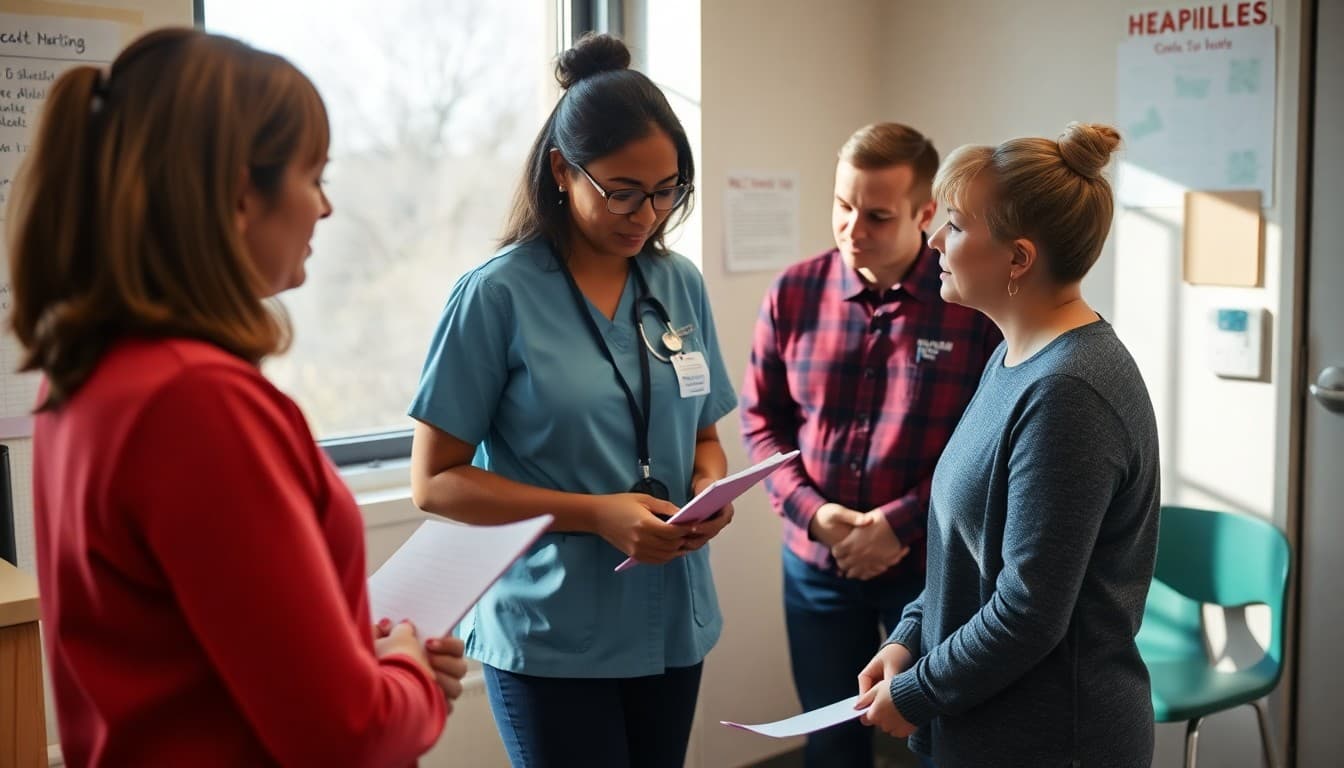
Concussion management at school has changed significantly in the last decade. States have enacted return-to-play and return-to-learn laws, and research has clarified that cognitive rest and graduated return are more effective than immediate full resumption of academic demands. A nurse who communicates the school's concussion protocol to families and staff before a head injury occurs is in a far stronger position when one does.
Explain What Concussion Is and Is Not
A concussion is a traumatic brain injury caused by a bump, blow, or jolt to the head that causes the brain to move rapidly inside the skull. A concussion does not require loss of consciousness: most concussions occur without the student blacking out at all. A normal-appearing CT scan or MRI does not rule out a concussion because concussions are a functional injury rather than a structural one. Families who understand this are less likely to dismiss a head injury because their child "seemed fine" or because the scan was negative.
Identify the Symptoms Families and Staff Should Watch For
List the specific symptoms: headache, pressure in the head, nausea or vomiting, dizziness, balance problems, blurred or double vision, sensitivity to light or noise, feeling slowed down or foggy, difficulty concentrating, memory difficulty, sleep changes, and mood changes. Note that some symptoms appear immediately and others may not emerge until 24 to 48 hours after the injury. Families should not assume a student is concussion-free just because they appeared normal at the sideline.
Describe the Required Reporting Process
Families must notify the school nurse any time a student sustains a head injury, whether at school, at a sporting event, or at home over the weekend. This allows the nurse to monitor the student's academic performance and coordinate accommodations from the day the student returns. Students who return to school without disclosure sometimes struggle academically for weeks before anyone connects their difficulty concentrating to an unmanaged concussion. Early notification makes early support possible.
Walk Through the Five Stages of Return to Learn
Stage 1 is complete rest at home with minimal screen time, reading, or mental effort. Stage 2 introduces light cognitive activity for short periods: 10 to 15 minutes of reading with breaks. Stage 3 involves moderate activity such as attending school for part of the day or completing lighter academic tasks. Stage 4 is return to full school attendance with accommodations such as extended time, reduced homework, and rest breaks. Stage 5 is full academic participation without accommodations. Students should not advance to the next stage while experiencing significant symptoms at the current stage.
Template Excerpt: Concussion Return-to-Learn Family Notice
Here is a section you can adapt for the newsletter:
"If your student has been evaluated for a concussion and is cleared to return to school, please notify the nurse before their first day back. We will coordinate accommodations with teachers including extended deadlines, reduced screen time, and permission to rest as needed. A physician clearance note is required before your student can return to any physical education class or school sport. Contact Nurse Johnson at nurse@school.edu or (555) 221-4400 to initiate the return-to-learn plan."
Cover the Academic Accommodations Available During Recovery
Name the specific accommodations the nurse can coordinate: extended time on all assignments and assessments, reduced daily homework volume, permission to use dark mode on devices, alternative testing formats, rest periods during the school day, and excusal from standardized testing during the acute recovery phase. These accommodations are not permanent and do not require an IEP or 504 plan for temporary concussion management in most states. The nurse initiates them and teachers implement them.
Explain the Separate Return-to-Play Protocol
Return to academic activity and return to physical activity are separate protocols. A student may return to full school participation academically before they are cleared for sports. The return-to-play protocol requires medical clearance from a physician and a graduated increase in physical activity under coach supervision before full contact sport participation resumes. No student should return to a contact or collision sport without written medical clearance, regardless of how they feel. This is required by law in nearly every U.S. state.
Close With the Nurse's Role and Contact
End with a clear description of the nurse's role as the central coordinator: the nurse receives the medical documentation, communicates the accommodation plan to all teachers, monitors the student's progress through each protocol stage, and updates families as the plan changes. Give the nurse's phone number and email. A family whose student has just sustained a concussion needs to know who to call and that that person has a specific plan for helping their child return to school successfully.
Get one newsletter idea every week.
Free. For teachers. No spam.
Frequently asked questions
What should a school nurse concussion newsletter include?
Cover the signs and symptoms of concussion that staff and families should recognize, the requirement to report any suspected concussion to the nurse, the five-stage return-to-learn protocol, the academic accommodations typically needed during recovery, the separate return-to-play protocol required before athletic participation, and what the nurse's role is in coordinating the recovery plan across teachers. Every school that has athletes or students who experience head injuries needs this communication before an injury occurs.
What are the signs of a concussion families should watch for?
Common concussion symptoms include headache (the most common), pressure in the head, nausea, vomiting, dizziness, blurred or double vision, sensitivity to light or noise, feeling slowed down or 'in a fog,' difficulty concentrating, memory problems, sleep changes, and mood changes including irritability. Symptoms can appear immediately or up to 48 hours after a head impact. Families who observe any of these following a head injury should seek medical evaluation before allowing the student to return to school or physical activity.
What is the return-to-learn protocol?
The return-to-learn protocol is a graduated five-stage process: (1) complete cognitive rest at home; (2) light cognitive activity like reading for short periods; (3) moderate cognitive work, resuming some school activity; (4) return to school part-time with accommodations; (5) full return to school. The pace depends on symptom resolution and medical clearance. Most students with uncomplicated concussions complete the process in 7 to 21 days. Students with prolonged symptoms may need extended accommodations.
What academic accommodations are appropriate during concussion recovery?
Common accommodations include extended time on assignments and tests, reduced homework load, rest breaks during the school day, permission to leave class if symptoms worsen, darkened screen settings on devices, seating away from bright light, excusal from standardized testing during the recovery period, and gradual reintroduction of challenging cognitive tasks. The nurse coordinates these accommodations with classroom teachers and communicates updated guidance as the student progresses through the protocol stages.
Can Daystage help nurses communicate concussion protocol updates to families quickly?
Yes. When a student is recovering from a concussion and the nurse needs to update the family with protocol progression notes or accommodation changes, Daystage makes it fast to send a formatted message. The nurse can also send a general concussion awareness newsletter to all sports team families at the start of each season so parents know the protocol before a head injury happens.

Adi Ackerman
Author
Adi Ackerman is a former classroom teacher and curriculum writer with 8 years in K-8 schools. She writes about school communication, parent engagement, and what actually works in real classrooms.
More for School Nurses
Chronic Condition Management Newsletter: Communicating Asthma, Diabetes, and Epilepsy Protocols
School Nurses · 6 min read
School Nurse Back-to-School Health Newsletter: Everything to Cover in August
School Nurses · 7 min read
AED and Emergency Equipment Newsletter: Communicating School Emergency Readiness to Families
School Nurses · 5 min read
Ready to send your first newsletter?
3 newsletters free. No credit card. First one ready in under 5 minutes.
Get started free