
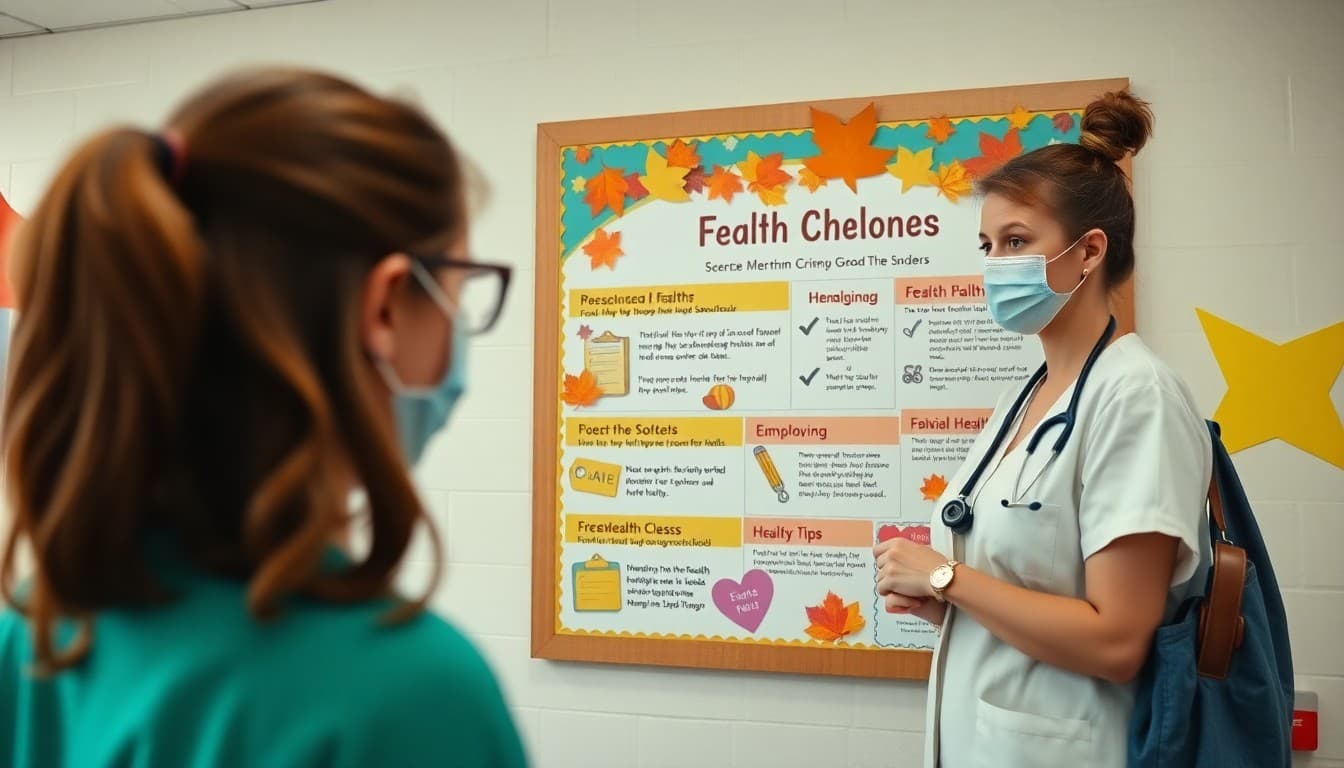
School Nurse Fall Newsletter: Health Tips for Autumn Season

Fall is when illness season starts in most school buildings. Students return from summer with varying levels of immunity, gather in close quarters, and share every respiratory bug that circulates from September through November. A fall health newsletter that gives families practical, specific guidance before the first wave reduces illness-related absences and keeps the nurse's office from becoming overwhelmed in October.
Remind Families About Hand Hygiene Basics
Hand hygiene is the single most effective illness prevention behavior, and it needs re-teaching every fall because summer habits are different from school habits. Remind students and families: wash hands with soap for at least 20 seconds before eating, after using the restroom, after blowing or touching the nose, and after outdoor recess where shared equipment is touched. Hand sanitizer dispensers are available at classroom entrances. Encourage families to practice the handwashing routine at home before school starts so it is already a habit.
Explain Seasonal Allergy Versus Illness Symptoms
In fall, ragweed and mold spore counts peak in many parts of the country, causing symptoms that families sometimes mistake for a cold or flu. Give families a practical guide: clear runny nose, sneezing, and itchy watery eyes without fever or fatigue typically indicate seasonal allergies. Colored discharge, fever above 100.4 degrees, body aches, or significant fatigue more likely indicate a viral illness. A student who feels well and has only allergy symptoms can generally attend school. A student with fever, vomiting, or severe fatigue should stay home.
Address Fall Asthma Triggers
Fall is a high-risk season for asthma flare-ups. Common triggers in autumn include leaf mold, cold dry air, increased time spent indoors where dust and animal dander accumulate, and the early flu and cold viruses. Remind families of students with asthma to review the child's action plan, confirm the rescue inhaler at school is current and not expired, and contact the nurse if the child's prescription has changed over the summer. A student whose asthma is poorly managed in October tends to miss more school days than any other chronic condition group.
Encourage Fall Flu Vaccination
State your district's recommendation on flu vaccination clearly: the CDC recommends annual flu vaccination for all individuals six months and older. Include the dates and location of any on-site flu vaccine clinics the school or district is hosting. If no school clinic is scheduled, provide the link to the county health department's vaccine finder. Note that flu vaccination is most effective when completed before November, and that protection builds over two weeks after the shot.
Template Excerpt: Fall Health Checklist for Families
Here is a checklist section you can include in the newsletter:
"Before cold and flu season peaks, please take five minutes to: (1) Verify your emergency contacts are current in the parent portal. (2) Confirm your student's prescription medications at school (EpiPen, inhaler) have not expired. (3) Schedule a flu vaccine for your student if not yet done. (4) Submit an updated asthma or allergy action plan if your student's treatment changed this summer. Contact Nurse Alvarez at nurse@school.edu with any questions."
Cover Outdoor Recess Safety in Cooler Weather
Remind families to dress students appropriately for outdoor recess as temperatures drop: a coat, closed-toe shoes, and layers for early morning recess on cold days. Note that outdoor recess typically continues through fall and into early winter unless temperatures fall below a specific threshold (varies by district; typically 20 to 25 degrees Fahrenheit). Students who arrive without appropriate clothing on cold days cannot always access lost-and-found spares. A practical note about layering prevents cold-weather discomfort that distracts from learning.
Explain the Head Lice Check Protocol
Fall is the most common time for head lice to spread in school settings as students resume close contact after summer. Briefly describe the school's protocol: what happens when lice is identified, the exclusion and return policy, and the recommended treatment approach. Families who know the process in advance react with less alarm when their child's class receives a lice notification. A calm, factual two-paragraph description prevents the panic that accompanies a lice notice sent without context.
Close With the Illness Exclusion Reminder and Nurse Contact
End with the key exclusion criteria (fever, vomiting, diarrhea, unknown rash) and the 24-hour symptom-free rule before returning. Give the nurse's direct phone number and email and note that families can call before 8:00 AM on school days with questions about whether to send a child in. A nurse who is reachable before drop-off is a genuine resource for families making the "is my child sick enough to stay home?" call at 7:00 AM.
Get one newsletter idea every week.
Free. For teachers. No spam.
Frequently asked questions
What should a school nurse fall newsletter cover?
Cover hand hygiene reminders as illness rates climb in October and November, seasonal allergy symptoms versus cold symptoms, asthma triggers that worsen in fall (mold, leaf debris, cold air), when to keep a child home versus send them to school, flu vaccination reminders, and the process for updating emergency health forms before the season changes. A fall newsletter that addresses these six areas covers most of what families will ask about between September and November.
When should the fall health newsletter go out?
Send it in the first week of October, before illness rates peak in most school populations. This gives families time to schedule flu shots, review their child's asthma action plan, and update any health forms before the first major illness wave. A newsletter sent in November after three students have already been absent for a week is less useful than one that arrives while families can still take preventive action.
How should a school nurse explain the difference between cold and allergy symptoms?
A helpful distinction for families: allergies typically cause clear runny nose, sneezing, and itchy eyes without fever and without the student feeling generally unwell. A cold or virus typically includes fever, colored mucus, fatigue, body aches, or a sore throat. A student with allergy symptoms but no fever and who feels fine can usually attend school. A student with fever, vomiting, or significant fatigue should stay home.
What should parents update before fall illness season?
Families should verify that their emergency contact information is current, confirm that any prescription medications kept at school (including EpiPens and asthma inhalers) have not expired, submit an updated asthma action plan if the child's treatment has changed over the summer, and schedule a well-child visit if the annual checkup has not yet happened. Listing these four items in the newsletter gives families a concrete fall health checklist.
Can Daystage help school nurses send the fall health newsletter to all families?
Yes. Daystage lets school nurses send a formatted fall health newsletter to the whole school family list in minutes. You can embed links to flu vaccine clinic schedules, the health form update portal, and the district's illness exclusion policy all in one message. Most nurses find they spend about 15 minutes creating and sending a professional newsletter through Daystage.

Adi Ackerman
Author
Adi Ackerman is a former classroom teacher and curriculum writer with 8 years in K-8 schools. She writes about school communication, parent engagement, and what actually works in real classrooms.
More for School Nurses
AED and Emergency Equipment Newsletter: Communicating School Emergency Readiness to Families
School Nurses · 5 min read
Allergy Awareness Newsletter: How to Communicate Food and Environmental Allergies to School Families
School Nurses · 6 min read
School Nurse Back-to-School Health Newsletter: Everything to Cover in August
School Nurses · 7 min read
Ready to send your first newsletter?
3 newsletters free. No credit card. First one ready in under 5 minutes.
Get started free