
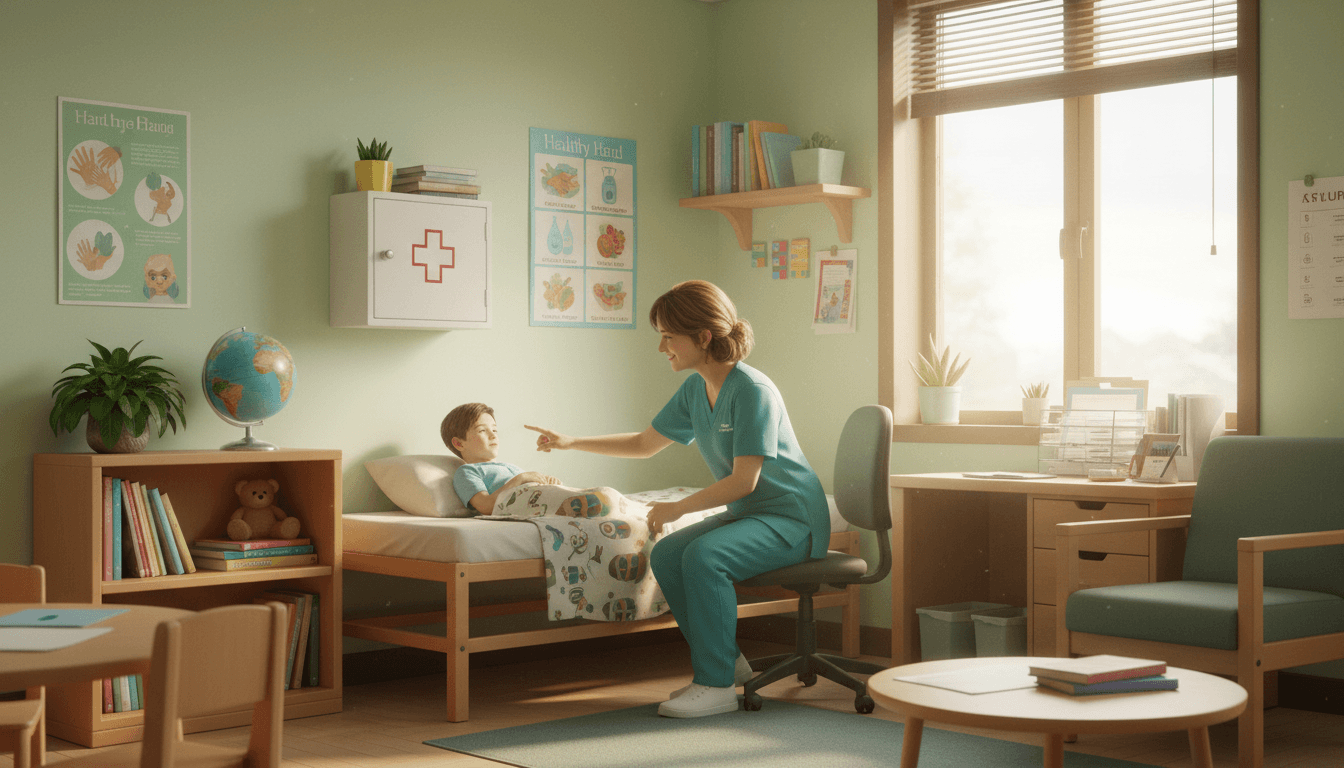
How to Plan and Communicate a School Health Fair That Families Actually Attend
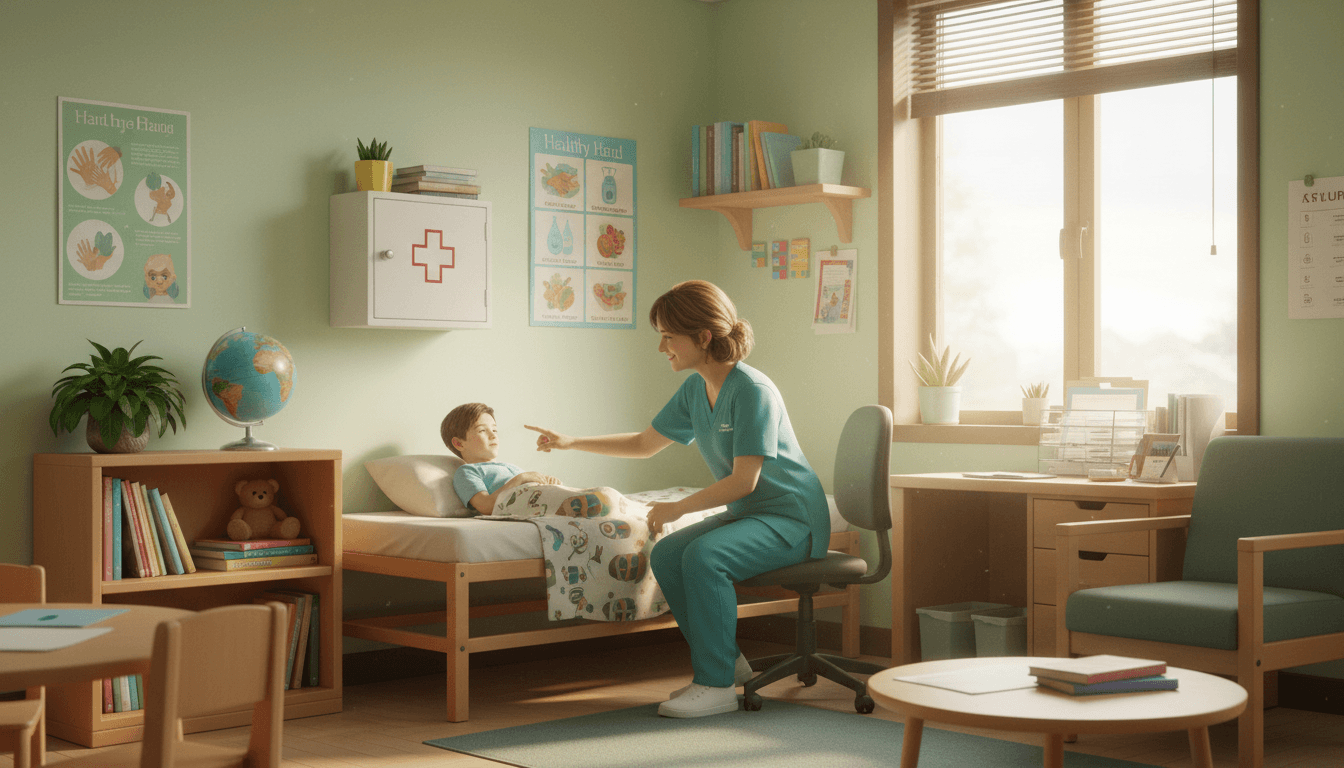
A school health fair done well is one of the highest-impact events a school nurse can organize. It brings screenings, resources, and health professionals directly to families who may not otherwise access them, and it positions the school as a genuine community health resource rather than just an academic institution.
The quality of the communication around the event determines whether it achieves that potential or becomes a well-organized event that only twenty families attend.
Design the event around access barriers
Before planning the program, think about what keeps families from getting health services in your community. Is it cost? Transportation? Work schedules? Language barriers? The health fair's design should address the specific barriers that exist in your school's community.
An evening event with bilingual staff, free screenings, and a children's activity area while parents visit booths addresses multiple barriers at once. A Saturday morning event with food served eliminates the "I do not want to deal with a hungry child" friction that keeps some families away. Design for attendance, not for convenience of the organizers.
Build the partner list early
The value of a health fair depends on the quality of what is offered. Start recruiting community partners at least two months before the event. Contact your local hospital's community benefit coordinator, the county public health department, local federally qualified health centers, dental clinics that do outreach, and optometry programs. University nursing and public health programs often look for community engagement sites and will send students to staff screenings.
Confirm commitments in writing and specify what each partner will provide: the specific screenings or services, the number of staff attending, any setup requirements, and whether they will bring supplies. A partner who confirms verbally but fails to show on the day of the event creates gaps that undermine the event's credibility.
Communicate specifically, not generically
The event announcement should name what families will get access to, not just say "come to our health fair." "Free vision screening, blood pressure check, blood glucose screening, dental evaluation, and information about free health insurance for children" is a reason to attend. "Join us for our annual health fair" is not.
Communicate in the languages your school community speaks. A health fair announcement that only one third of your families can read will produce one third of the attendance that would otherwise be possible. Translation is not a nice-to-have for multilingual school communities.
Make insurance enrollment available on site
Many uninsured or underinsured families in school communities qualify for Medicaid or CHIP but have not enrolled. Having an enrollment navigator or a public health insurance outreach worker at your health fair turns a health screening event into a life-changing connection for some families.
Include this option prominently in your communications. Families who are uninsured or uncertain about their coverage status are exactly the families who most need a health fair.
Follow up after the event
A post-event communication that summarizes attendance, what screenings were conducted, and what referrals were made (without identifying information) demonstrates impact and builds community investment in future events. Include a thank-you to community partners by name. A health fair that ends with a summary communication rather than silence is one that the community will come back to next year.
Get one newsletter idea every week.
Free. For teachers. No spam.
Frequently asked questions
What services are typically offered at a school health fair?
School health fairs commonly offer blood pressure screenings, vision and hearing screenings, BMI assessments, dental health checks, mental health resource information, nutrition guidance, immunization information, blood glucose screenings, and connections to local healthcare providers and community health programs. Many health fairs include local hospital or clinic partners who provide screenings and information. The specific offerings depend on the school's health priorities and the community partners willing to participate.
Who should be invited to a school health fair?
School health fairs are most valuable when they are open to the entire family, not just students. Parents and caregivers who are not connected to regular healthcare, who may lack insurance or transportation to medical appointments, or who are from communities with limited health literacy benefit significantly from accessible screenings and information. Some schools extend invitations to the broader community beyond enrolled families. The more accessible the event in terms of timing, language, and location, the more families who need it most will attend.
How do schools secure community partners for health fairs?
Community health fair partners typically include local hospital systems and federally qualified health centers (FQHCs) that conduct outreach, local dentists and optometrists who provide screenings, public health departments, health insurance enrollment organizations, community mental health programs, and university nursing or health programs seeking clinical experience for students. Outreach to these partners should begin at least two months before the event. Many organizations have community benefit obligations that make school partnerships appealing.
When is the best time to hold a school health fair?
The most successful school health fairs are scheduled in the evening or on a weekend so working parents can attend, and timed to precede key health deadlines like sports physicals season, back-to-school immunization requirements, or enrollment periods for public health insurance programs. Holding a health fair in late summer or early fall, just before back-to-school health requirements are due, maximizes the practical value for families who can get screenings done on the spot rather than scheduling separate appointments.
How can Daystage help school nurses communicate a health fair to families?
Daystage lets school nurses send a health fair announcement directly to every family with event details, available screenings, partner organizations, and registration or walk-in instructions. A clear direct communication that reaches every family's inbox produces significantly higher attendance than flyers sent home in backpacks.

Adi Ackerman
Author
Adi Ackerman is a former classroom teacher and curriculum writer with 8 years in K-8 schools. She writes about school communication, parent engagement, and what actually works in real classrooms.
More for School Nurses
Sports Safety at School: What the Nurse Needs Families to Know Before the Season Starts
School Nurses · 5 min read
Allergy Awareness Newsletter: How to Communicate Food and Environmental Allergies to School Families
School Nurses · 6 min read
Health Emergency Drill Newsletter: What Families Should Know About School Health Drills
School Nurses · 5 min read
Ready to send your first newsletter?
3 newsletters free. No credit card. First one ready in under 5 minutes.
Get started free