
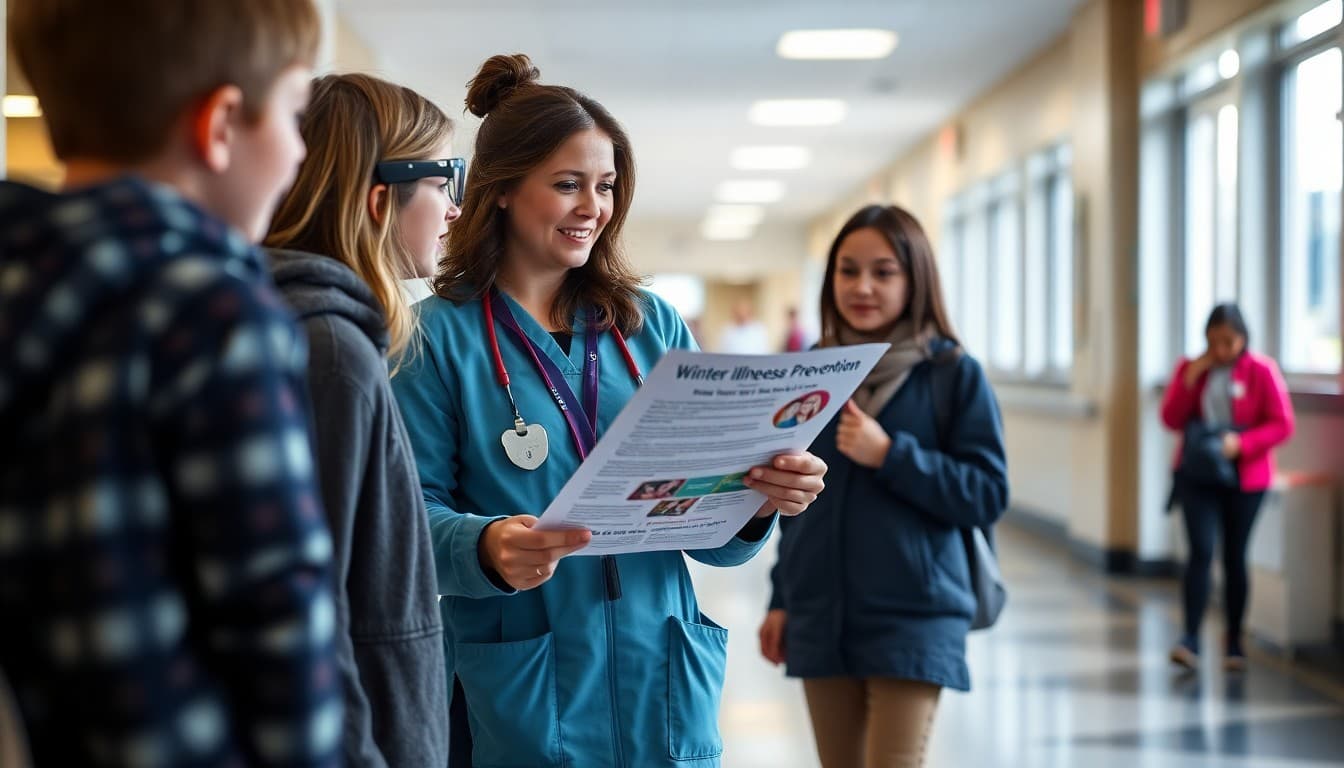
School Nurse Winter Newsletter: Cold and Flu Season Tips
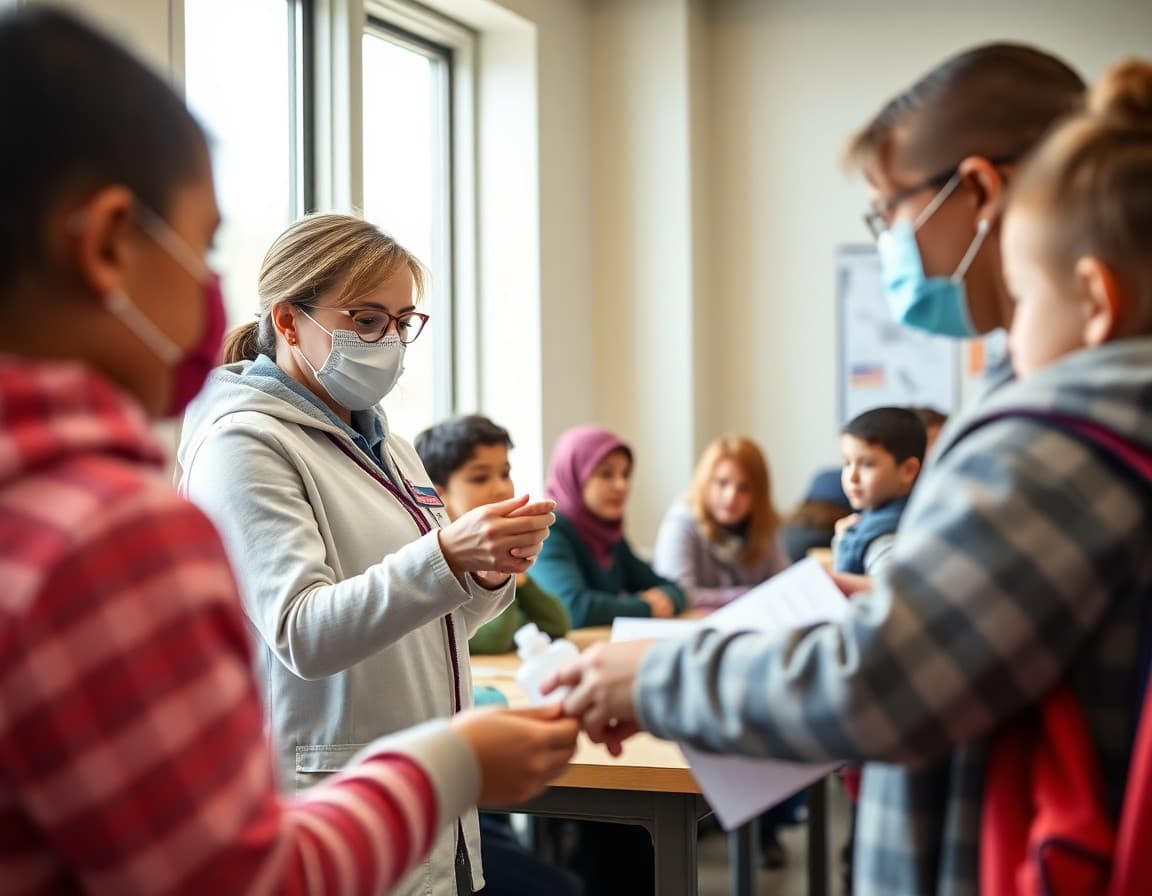
Winter is the highest-illness season in most school buildings. Influenza, RSV, norovirus, and the common cold circulate simultaneously from December through February, and students who are isolated in cold indoor air with limited ventilation are prime candidates for transmission. A winter health newsletter that is specific and practical helps families make better decisions and reduces the burden on the nurse's office during the busiest health months of the year.
Update Families on Current Illness Trends
Open with the current health picture at the school. If flu activity is elevated in your community, say so. If several classes have had a stomach bug circulate in the last two weeks, note that. Families who receive general wellness information in January but have no context for what is actually circulating in the school are less likely to act on it. Current, specific information is more actionable than evergreen tips.
Reinforce the Illness Exclusion Policy
Restate the exclusion criteria clearly: fever of 100.4 degrees Fahrenheit or higher, vomiting or diarrhea within the past 24 hours, or a diagnosis of a contagious illness like influenza or strep throat. Remind families of the 24-hour fever-free rule. In winter, the most common reason a sick child ends up at school is a parent who gave the child ibuprofen at 7:00 AM and assumed they were fine because the fever broke. The newsletter is the right place to address that scenario directly and non-judgmentally.
Address Medication Administration at School
Remind families that over-the-counter medications like Tylenol, Advil, or Benadryl cannot be given at school without a signed medication authorization form and the original labeled medication container. If a student has been home sick and is returning to school, verify that any prescription medication being given during school hours has current authorization on file. The nurse cannot administer medication without written permission, and this reminder prevents the "but I just need you to give them one dose" conversation at drop-off.
Cover Sleep, Nutrition, and Immune Function
Research consistently shows that students who get fewer than 8 to 10 hours of sleep per night and who eat irregular meals have measurably weaker immune responses than those who do not. This is not a lecture section; it is one paragraph with two specific suggestions: maintain bedtime within 30 minutes of the usual school-year bedtime even over winter break, and ensure students eat breakfast before school rather than arriving hungry and then loading up at the snack machine.
Template Excerpt: Flu Season Family Reminder
Here is a paragraph you can adapt:
"Flu activity in our area is currently elevated. Please keep your student home if they have a fever, body aches, headache, vomiting, or are significantly fatigued. Students must be fever-free without fever-reducing medication for at least 24 hours before returning. If your student tests positive for influenza at home or at the doctor, please call the nurse at (555) 412-3300 so we can monitor for additional cases. Thank you for helping keep our community healthy."
Explain the Nurse's Office Protocol During Peak Season
During high-illness months, the nurse's office becomes a triage point. Tell families what happens when a student comes to the nurse: temperature is taken, symptoms are assessed, and a parent is called if the student meets the exclusion criteria. Students who have a fever at school but whose parent cannot be reached within 30 minutes may be isolated in a designated rest area until contact is made. Families who know this process in advance are less surprised by the mid-day pickup call.
Note Seasonal Mental Health Signals
Winter affects mood and energy for many students, particularly those in northern climates where natural light is limited from November through February. Name the signs worth paying attention to: persistent sadness, irritability, changes in sleep beyond normal winter tiredness, withdrawal from friends, or declining academic effort that is out of character. Remind families that the school counselor and the nurse are both available as first contacts for these concerns, and that reaching out early is always better than waiting.
Close With the Prevention Checklist and Contact
End with three actionable items: schedule a flu vaccine if not yet done, confirm that expired medications at school have been replaced, and call before 8:00 AM on any morning you are unsure whether to send your student in. Close with the nurse's phone number and email. A winter health newsletter that ends with a clear action list and a direct contact is more likely to change behavior than one that ends with a generic "stay healthy."
Get one newsletter idea every week.
Free. For teachers. No spam.
Frequently asked questions
What should a school nurse winter newsletter cover?
Cover cold and flu prevention strategies, the illness exclusion and return policy, medication administration reminders, the impact of poor sleep and nutrition on winter immune function, signs of seasonal depression or winter sadness in students, and any active outbreak information relevant to the school community. A winter newsletter that goes beyond hand hygiene into the full picture of winter wellness gives families information they can actually use.
How should schools handle flu outbreaks in the newsletter?
Be direct and factual. State the number of confirmed or suspected flu cases without naming students, the steps the school is taking (increased cleaning, exclusion enforcement, notification to the health department if required), and what families should do if their child shows symptoms. Vague outbreak notifications create more anxiety than clear ones. Families who receive specific information make better decisions.
What is the appropriate exclusion period for flu?
The CDC recommends staying home until at least 24 hours after fever resolves without the use of fever-reducing medication. Many districts follow this guideline, though some require 48 hours. State your school's specific policy so families are not guessing. For confirmed influenza, some schools ask families to notify the nurse so contact tracing can occur if needed. Include that request in the newsletter.
How do I address seasonal depression or winter sadness in a school health newsletter?
Include a brief section noting that shorter days and less sunlight affect mood and energy for many students and adults. Name specific signs families should watch for: persistent low mood for more than two weeks, loss of interest in activities, significant changes in sleep or appetite, or withdrawal from friends. Include the school counselor's contact and remind families that the nurse is a first point of contact for any health concern including mental health.
Can Daystage help school nurses send timely winter health updates?
Yes. During active illness outbreaks, Daystage lets nurses send quick update messages to all families within minutes. A formatted newsletter with the current case count, exclusion reminders, and prevention steps reaches every family at once rather than trickling out through notes home in backpacks.

Adi Ackerman
Author
Adi Ackerman is a former classroom teacher and curriculum writer with 8 years in K-8 schools. She writes about school communication, parent engagement, and what actually works in real classrooms.
More for School Nurses
Allergy Awareness Newsletter: How to Communicate Food and Environmental Allergies to School Families
School Nurses · 6 min read
School Nurse Back-to-School Health Newsletter: Everything to Cover in August
School Nurses · 7 min read
Communicable Disease Outbreak Newsletter: What Schools Should Communicate During Active Outbreaks
School Nurses · 6 min read
Ready to send your first newsletter?
3 newsletters free. No credit card. First one ready in under 5 minutes.
Get started free