

School Nurse Diabetes Newsletter: Supporting Diabetic Students
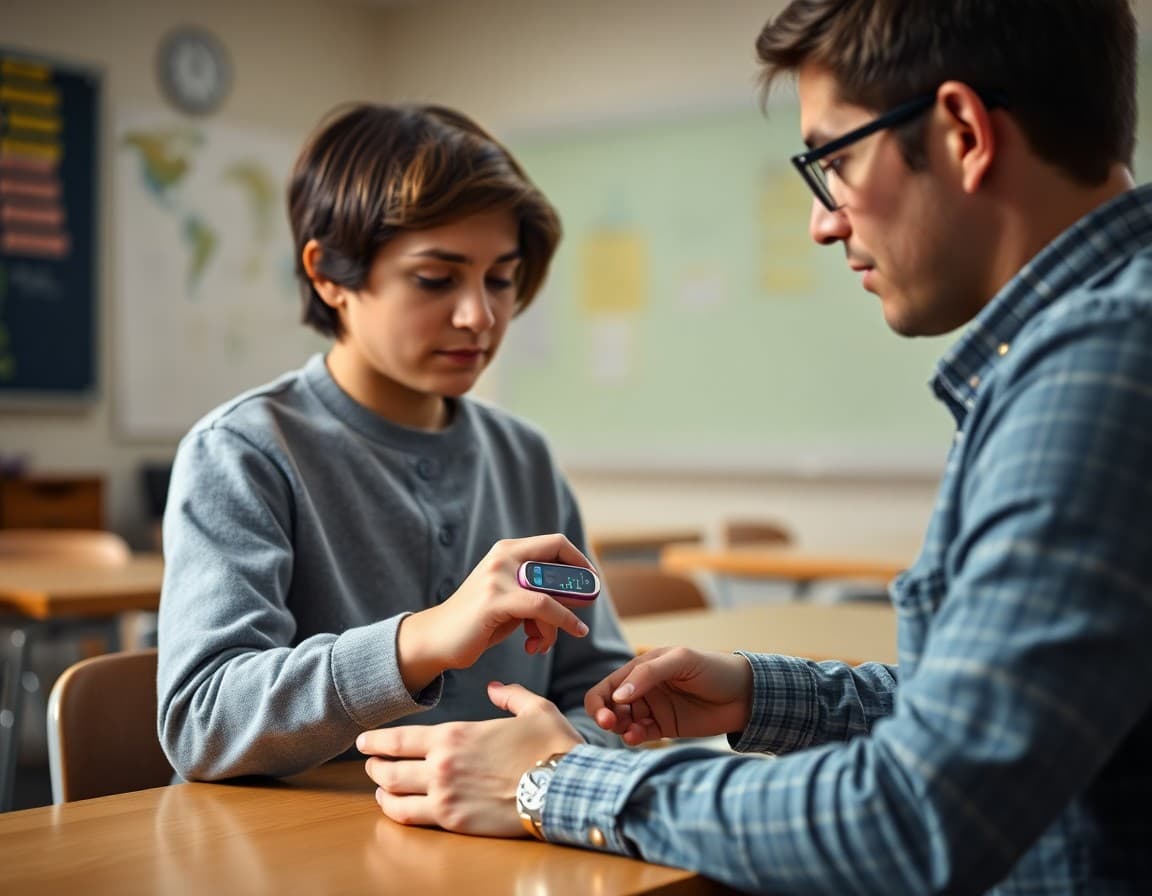
A student with well-managed diabetes attends school, participates in physical education, goes on field trips, and experiences a full school day. A student whose management plan is incomplete or whose school staff is inadequately trained misses academic time, experiences unnecessary emergency interventions, and arrives at each school day with more stress than their peers. This newsletter exists to close that gap.
Explain the Diabetes Medical Management Plan Requirement
Every student with Type 1 or Type 2 diabetes who manages their condition at school must have a current diabetes medical management plan (DMMP) on file. This plan is completed by the student's endocrinologist and specifies individual blood glucose targets, the monitoring schedule, insulin type and dosing instructions, the carbohydrate-to-insulin ratio, hypoglycemia and hyperglycemia treatment steps, and emergency procedures. Plans must be updated annually or when treatment changes. A DMMP from last year that no longer reflects the student's current treatment is not usable for medication administration.
Describe the Nurse's Role During the School Day
The school nurse is the primary coordinator of diabetes management during the school day. This includes reviewing the DMMP and communicating the student's specific needs to teachers and any trained unlicensed assistive personnel, maintaining the student's supplies at school (glucose meter, test strips, insulin, glucagon, juice boxes), responding to blood sugar readings outside the target range, and documenting all glucose checks and insulin doses. For students with continuous glucose monitors (CGMs) or insulin pumps, the nurse ensures designated staff understand the device basics.
Cover the Hypoglycemia Response Protocol
Low blood sugar is the most common in-school diabetes emergency and the situation where immediate response matters most. The standard treatment for a conscious student with a glucose reading below their individualized low threshold is 15 grams of fast-acting carbohydrates: four glucose tablets, 4 ounces of regular juice or non-diet soda, or a glucose gel packet. Wait 15 minutes, recheck glucose. If the student remains below target, repeat the treatment. If the student is unconscious, call 911 immediately and administer glucagon if it is on file and a trained person is available. Never leave a student showing hypoglycemia symptoms alone.
Address Self-Management Rights for Older Students
Most states have laws specifically protecting the right of students with diabetes to self-manage their condition at school. For a student with physician-documented competency and parent authorization, this means checking glucose in the classroom rather than only at the nurse's office, carrying and dosing insulin via pump or pen, and treating mild low blood sugar with supplies kept at their desk. The nurse role for these students is supervision, documentation, and emergency support rather than routine hands-on administration. Include the self-management authorization form link in the newsletter.
Template Excerpt: Diabetes Support Communication to Families
Here is a section you can adapt:
"To support your student's diabetes management this school year, please submit the following before the first day: (1) A current DMMP signed by your student's physician or endocrinologist. (2) Supplies to keep at school: glucose meter and strips, lancets, insulin, and at least two sources of fast-acting sugar (juice boxes or glucose tablets). (3) Glucagon emergency kit if prescribed. (4) Self-management authorization forms if your student will check glucose or dose insulin independently. Contact Nurse Chen at nurse@school.edu with any questions."
Explain Field Trip and Extracurricular Accommodations
Students with diabetes have the right under Section 504 to participate in field trips and after-school activities with appropriate medical support. This means a trained adult accompanies the student's diabetes supplies on every field trip, and the nurse or designated trained staff is available during after-school events. Families should submit a field trip accommodation plan at the start of the year so routine trips do not require a last-minute emergency form. For overnight field trips or extended off-campus programs, a more detailed plan is needed and should be initiated at least four weeks in advance.
Describe Training for Teachers and Staff
Federal law requires that at least one trained adult beyond the nurse be available to support a student with diabetes during every activity throughout the school day. This means teachers who have that student in their class receive basic training on recognizing low and high blood sugar symptoms, the immediate response to a hypoglycemic episode, and how to reach the nurse quickly. Families can ask the nurse to confirm which staff members have been trained and whether any refresher training is scheduled before the year begins.
Close With an Invitation for a Start-of-Year Meeting
Offer families of students with diabetes the option of a brief meeting with the nurse before or during the first week of school to review the DMMP, verify supplies are in place, and make sure the student's homeroom teacher has been briefed. A 20-minute meeting at the start of the year prevents 20 separate phone calls during the year. Give the nurse's contact and note that appointment slots are available in the week before school starts.
Get one newsletter idea every week.
Free. For teachers. No spam.
Frequently asked questions
What should a school nurse diabetes newsletter include?
Cover the diabetes medical management plan requirements, the roles of the nurse and trained staff in glucose monitoring and insulin administration, the protocol for hypoglycemia (low blood sugar), how the school accommodates diabetes management during the school day, what happens during field trips, and the process for updating the management plan when a student's treatment changes. Include the forms families need to complete and the submission deadline.
What is a diabetes medical management plan and who creates it?
A diabetes medical management plan (DMMP) is a detailed document completed by the student's endocrinologist or diabetes care team that specifies blood glucose targets, the schedule for checking glucose, insulin doses, carbohydrate ratios, correction formulas, hypoglycemia treatment steps, and emergency contact procedures. The plan is specific to each student and must be updated at least annually or when treatment changes. Schools cannot manage diabetes effectively without one.
Can students with Type 1 diabetes check their glucose and dose insulin independently at school?
Yes, with appropriate authorization. Many states have laws protecting students' rights to self-manage diabetes with parent and physician authorization. A student who is trained and assessed as competent by their diabetes care team can check glucose, dose insulin via pen or pump, and treat mild hypoglycemia independently. The nurse's role is oversight, documentation, and emergency response rather than routine administration for self-managing students.
How should schools handle a hypoglycemic episode?
A blood glucose reading below the student's individualized low threshold (typically under 70 mg/dL) requires immediate treatment with 15 grams of fast-acting carbohydrates: four glucose tablets, 4 ounces of regular juice, or glucose gel. Recheck blood sugar after 15 minutes. If the student is unconscious or unable to swallow, call 911 immediately and administer glucagon if available and authorized. Never leave a hypoglycemic student alone.
Can Daystage help school nurses communicate with families of diabetic students?
Yes. Daystage lets nurses send a targeted health newsletter to only the families of students with diabetes on record. You can include links to the DMMP form, the self-management authorization, and the field trip accommodation request, which is more appropriate and more useful than sending medical management details school-wide.

Adi Ackerman
Author
Adi Ackerman is a former classroom teacher and curriculum writer with 8 years in K-8 schools. She writes about school communication, parent engagement, and what actually works in real classrooms.
More for School Nurses
Chronic Condition Management Newsletter: Communicating Asthma, Diabetes, and Epilepsy Protocols
School Nurses · 6 min read
School Nurse Back-to-School Health Newsletter: Everything to Cover in August
School Nurses · 7 min read
Allergy Awareness Newsletter: How to Communicate Food and Environmental Allergies to School Families
School Nurses · 6 min read
Ready to send your first newsletter?
3 newsletters free. No credit card. First one ready in under 5 minutes.
Get started free