

School Nurse Immunocompromised Student Newsletter: Special Protocols
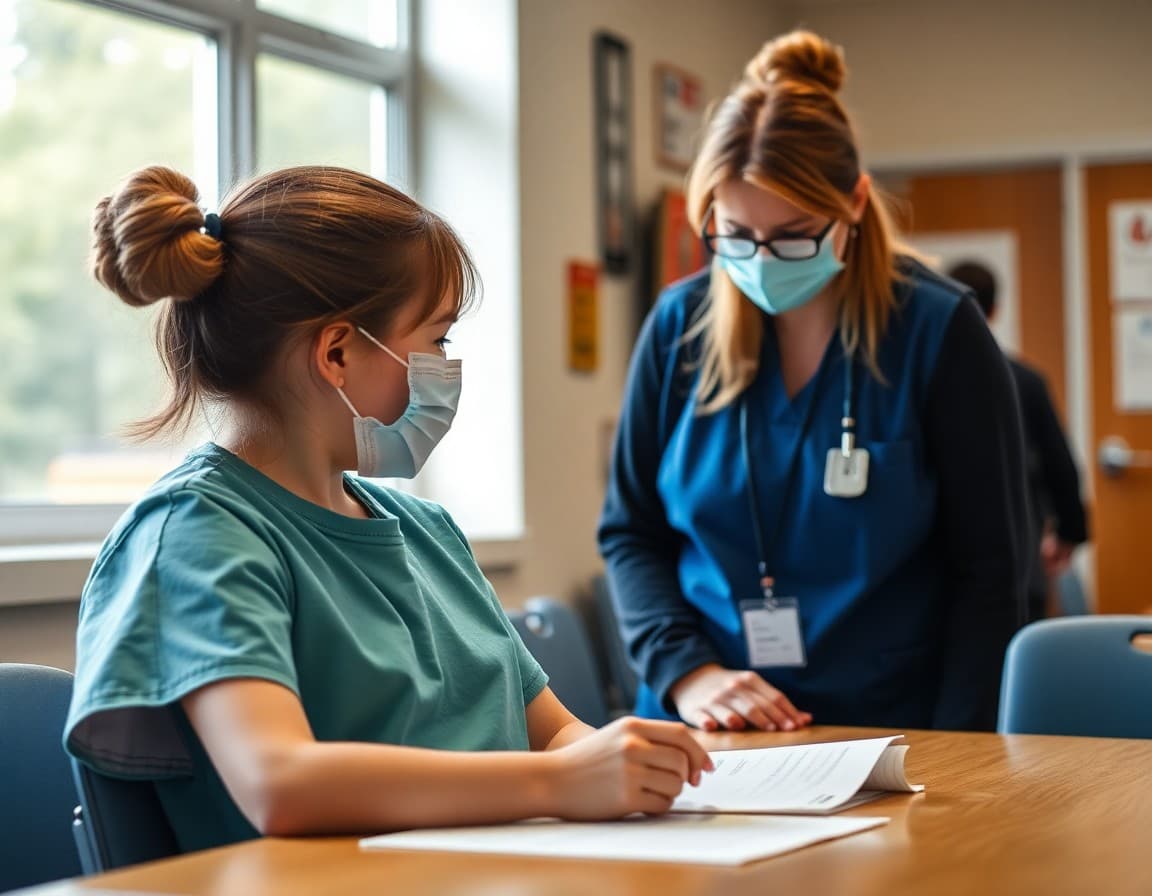
A student undergoing chemotherapy, living with a primary immune deficiency, or recovering from a transplant faces a school environment that is a genuine health risk during illness outbreaks. The nurse who manages this student's care is not just coordinating paperwork; they are part of a network that keeps a medically vulnerable child safe enough to attend school and maintain the developmental and social experiences that matter for their wellbeing. This newsletter sets up that coordination from the start.
Identify the Conditions That Affect Immune Function at School
Conditions that may require special school health protocols include: active cancer treatment (chemotherapy, targeted therapy, immunotherapy); bone marrow or solid organ transplant with active immunosuppressive therapy; primary immune deficiency disorders like common variable immunodeficiency or SCID; HIV with low CD4 counts; long-term high-dose corticosteroid use for autoimmune conditions; and asplenia or functional asplenia (including sickle cell disease). The nurse cannot know a student's immune status without family disclosure and physician documentation. Invite families with relevant conditions to contact the nurse before the school year begins.
Describe the School's Outbreak Notification Protocol
When a communicable illness is identified in the school, the nurse notifies the families of students with known immune compromise before the general school notification goes out. This early alert allows the family and the student's treating physician to make time-sensitive decisions: whether to keep the student home during the exposure window, whether prophylactic medication is warranted, or whether enhanced protective measures are sufficient. Name the illnesses that trigger this early notification: influenza, chickenpox (varicella), pertussis, measles, norovirus during a classroom outbreak, and any other communicable illness with significant risk to immunocompromised individuals.
Explain the Individual Health Care Plan Process
Each immunocompromised student should have a written individual health care plan (IHCP) on file with the nurse, developed in collaboration with the family and the student's treating physician. The plan specifies the student's diagnosis and treatment phase, the current level of immune compromise, accommodations in place, the protocol for exposure notification, emergency contact procedures, and any medications kept at school. The plan is reviewed at the start of each year and updated when the student's treatment changes.
Describe Staff Training and Communication
Teachers and staff working directly with an immunocompromised student receive training from the nurse on the key points they need to know: the illness exclusion criteria that apply to all students in the class, the importance of reporting illness symptoms among classmates to the nurse early, how to handle a classroom outbreak, and who to call if the student shows signs of fever or distress. Staff should not be told the student's diagnosis without the family's consent, but they can be given enough information to fulfill their role in keeping the classroom environment as safe as possible.
Template Excerpt: Immunocompromised Student Family Communication
Here is a section you can adapt:
"If your student is immunocompromised due to a medical condition or treatment, please contact the school nurse before the first day of school to discuss a coordinated health care plan. We will work with you and your student's physician to put appropriate accommodations in place, ensure early notification of any illness outbreaks in the school community, and establish an emergency response protocol. Confidentiality is maintained throughout. Contact Nurse Allen at nurse@school.edu or (555) 216-4400."
Cover Remote Learning and Modified Attendance Options
During periods of elevated illness in the school (a flu outbreak affecting 15 percent of the student body, for example), a student in active chemotherapy may need to transition to temporary remote learning rather than risk exposure. The school's process for activating this accommodation should be in the IHCP before it is needed. State how the family requests the temporary remote option, how quickly the school can activate it, and how long it remains in place. A family who knows the process in advance can make the call quickly and without bureaucratic friction during a time when they have other things to manage.
Address Emergency Response at School
Immunocompromised students who develop fever at school require faster response than the standard "rest and call parent" approach. A fever in a neutropenic patient may indicate a serious infection that requires same-day emergency evaluation. The IHCP should specify the fever threshold that triggers a parent call, the expectation for how quickly the parent will arrive or the school will initiate transport, and whether the student should go directly to a specific emergency room rather than the nearest urgent care. The nurse, the family, and the treating physician should agree on these thresholds before the year begins.
Close With Confidentiality Assurance and Nurse Contact
End with a brief statement of confidentiality: the student's medical diagnosis and treatment status are shared only with staff who need the information to fulfill their role, and only with family consent. Give the nurse's phone number and email. A family managing a child's serious illness is making the choice to send their student to school with the hope that the school can provide a safe and supportive environment. That trust deserves a clear, direct, and compassionate response from the beginning of the year.
Get one newsletter idea every week.
Free. For teachers. No spam.
Frequently asked questions
What should a school nurse immunocompromised student newsletter include?
Cover the categories of conditions that may compromise immune function in students, the special protocols the school puts in place for affected students, how illness outbreaks in the school community are communicated to the families of immunocompromised students, the process for adjusting attendance during high-illness periods, staff training for emergency response, and what families should communicate to the nurse about their student's current treatment and risk level.
What conditions make a student immunocompromised for school health planning purposes?
Conditions that may compromise immune function include active chemotherapy or radiation for cancer, bone marrow or organ transplant, HIV/AIDS, severe combined immunodeficiency (SCID) and other primary immune deficiency disorders, long-term high-dose corticosteroid treatment, certain autoimmune conditions on immunosuppressive therapy, and asplenia (absence of spleen). The level of immunosuppression varies significantly by condition and treatment phase. The student's physician defines the risk level and the school accommodates based on that guidance.
How should the school handle an outbreak when an immunocompromised student is enrolled?
When a communicable illness (influenza, chickenpox, measles, pertussis, or others) is identified in the school, the nurse should notify the families of immunocompromised students immediately, even before a broader school-wide notification is sent. This early notification allows the family and treating physician to make an informed decision about attendance, additional protective measures, or prophylactic treatment. The nurse's role is to communicate the outbreak; the treatment decision belongs to the family and physician.
What accommodations can schools provide for immunocompromised students during illness season?
Accommodations may include: remote learning during high-illness periods or active outbreaks; a dedicated seating arrangement away from heavily trafficked areas; early release before dismissal crowding; adjusted cafeteria seating; enhanced cleaning of shared surfaces in the student's primary spaces; and a daily health check-in with the nurse. The specific accommodations depend on the student's medical situation and are documented in a 504 plan or health care plan developed with family and physician input.
Can Daystage help nurses send urgent outbreak notifications to families of immunocompromised students before the general community?
Yes. Daystage lets nurses maintain a separate recipient group for families of medically fragile students and send targeted, early notifications when a communicable illness is identified. A one-hour head start on outbreak information for these families can meaningfully affect the decisions they make for their child's protection.

Adi Ackerman
Author
Adi Ackerman is a former classroom teacher and curriculum writer with 8 years in K-8 schools. She writes about school communication, parent engagement, and what actually works in real classrooms.
More for School Nurses
Communicable Disease Outbreak Newsletter: What Schools Should Communicate During Active Outbreaks
School Nurses · 6 min read
School Nurse Back-to-School Health Newsletter: Everything to Cover in August
School Nurses · 7 min read
Chronic Condition Management Newsletter: Communicating Asthma, Diabetes, and Epilepsy Protocols
School Nurses · 6 min read
Ready to send your first newsletter?
3 newsletters free. No credit card. First one ready in under 5 minutes.
Get started free