Blog /
School Safety
Newsletter guides for principals, safety coordinators, and emergency communication leads in K-12
Safety communication is the highest-stakes category in school newsletters. Get it wrong in either direction and you lose something important: too much detail and you spread panic; too little and you lose trust. The articles here address that narrow target. You will find guides for routine safety communication that builds familiarity without anxiety, and for acute safety incidents where families need information fast, accurately, and calmly. There are also resources for mental health threat assessments, communicating about weapons incidents, and working with law enforcement on public statements. The goal is communication that keeps families informed without making your school feel unsafe.
Washington School Safety Newsletter: Earthquakes, Wildfires, and Family Communication
A guide for Washington principals and safety coordinators on writing school safety newsletters that address Cascadia earthquake risk, wildfire smoke, flooding, lockdown drills, and family emergency communication.

School Newsletter: Water Quality Testing Results and Next Steps
How to communicate school water quality testing results to families. What to include, how to address health concerns, and how to explain remediation steps clearly.
Wisconsin School Safety Newsletter: Blizzards, Tornadoes, and Family Communication
A guide for Wisconsin principals and safety coordinators on writing school safety newsletters that address severe blizzards, tornado risk, lockdown drills, visitor policies, and family emergency communication.

West Virginia School Safety Newsletter: Flash Flooding, Remote Schools, and Family Communication
A guide for West Virginia principals and safety coordinators on writing school safety newsletters that address flash flooding, mountain road hazards, winter weather, lockdown drills, and family emergency communication.
Wyoming School Safety Newsletter: Blizzards, Remote Schools, and Family Communication
A guide for Wyoming principals and safety coordinators on writing school safety newsletters that address severe blizzards, remote emergency response, wildfire risk, lockdown drills, and family emergency communication.
Vaping and E-Cigarette Policy Newsletter: What Schools Tell Families About the Nicotine Crisis in Schools
How school administrators communicate vaping policies, health risks, detection methods, and parent conversation tools to address the growing prevalence of student vaping.

School Newsletter: Addressing Vaping and E-Cigarette Use Among Students
How to write a school newsletter addressing student vaping. What families need to know about health risks, school policy enforcement, and how to have conversations at home.

School Newsletter: When a Student Video Goes Viral
How to communicate with families when a video involving students goes viral. What to address, how to protect affected students, and how to restore a sense of safety and trust.
School Visitor Policy Newsletter: Who Can Enter Our Building
Communicate your school's visitor policy clearly with a newsletter that explains check-in procedures, ID requirements, and why controlled access protects every student.
Vermont School Safety Newsletter: Flooding, Winter Storms, and Family Communication
A guide for Vermont principals and safety coordinators on writing school safety newsletters that address flooding, severe winter weather, lockdown drills, and family emergency communication in rural communities.

School Threat Assessment Newsletter: How We Evaluate Threats
Explain your school's threat assessment process to families clearly and calmly. This guide covers what to include, how to set the right tone, and sample language for your newsletter.

Tennessee School Safety Newsletter: Tornadoes, Flooding, and Family Communication
A guide for Tennessee principals and safety coordinators on writing school safety newsletters that address tornado risk, flash flooding, lockdown drills, and family emergency communication throughout the school year.

School Tornado Safety Newsletter: Severe Weather Procedures
Explain your school's tornado and severe weather safety procedures to families. Covers shelter locations, drill schedules, how families are notified, and what students do during a warning.
Texas School Safety Newsletter: Tornadoes, Extreme Heat, and Family Communication
A guide for Texas principals and safety coordinators on writing school safety newsletters that address tornado risk, extreme heat, hurricanes, winter storms, and emergency communication with families.
Utah School Safety Newsletter: Earthquakes, Wildfires, and Family Communication
A guide for Utah principals and safety coordinators on writing school safety newsletters that address earthquake risk, wildfire smoke, winter avalanche hazards, lockdown drills, and family emergency communication.

Virginia School Safety Newsletter: Flooding, Drills, and Family Communication
A guide for Virginia principals and safety coordinators on writing school safety newsletters that address flooding, tornadoes, coastal storms, lockdown drills, and family emergency communication.

School Newsletter: Addressing Our Substitute Teacher Shortage
How to communicate about substitute teacher shortages to families. What to explain about supervision and safety protocols, and how to maintain family confidence during staffing gaps.
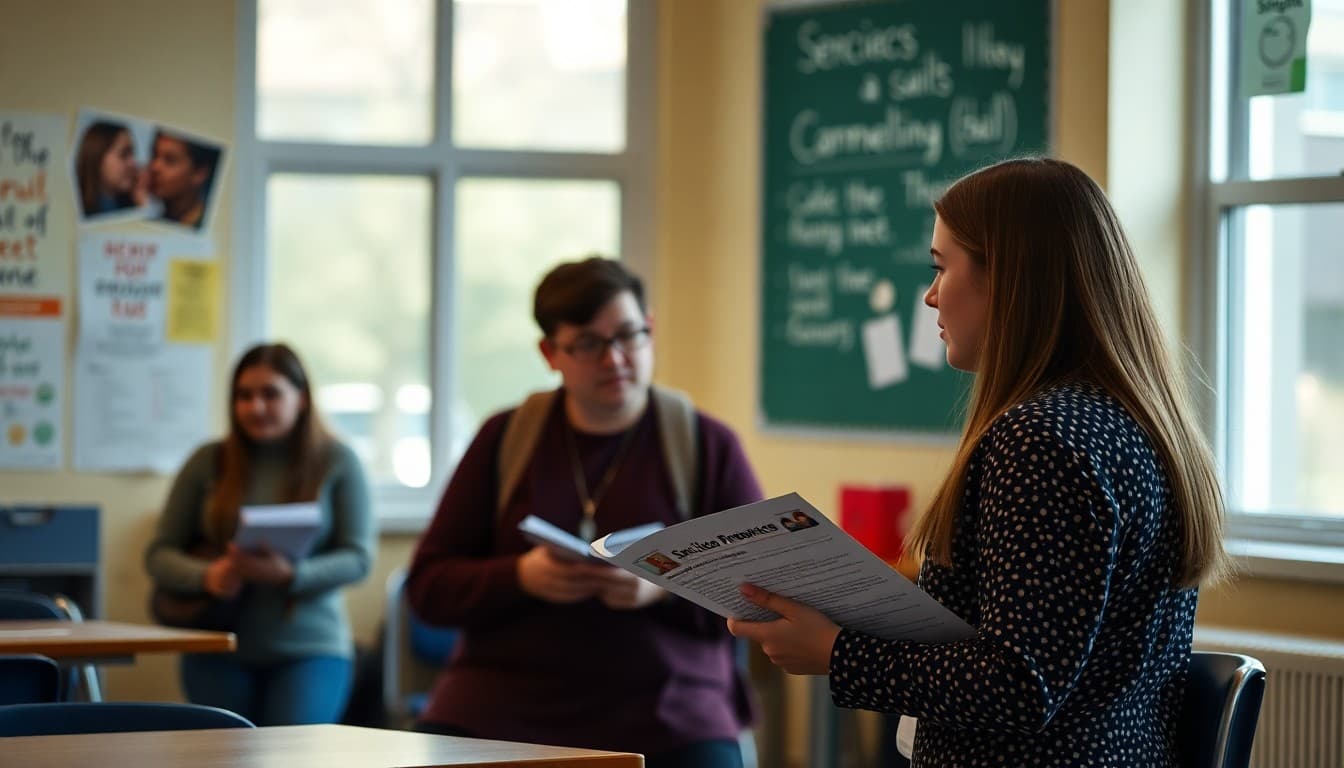
School Suicide Prevention Protocol Newsletter for Families
Communicate your school's suicide prevention protocol to families with care and clarity. Covers warning signs, staff training, reporting procedures, and how schools and families can work together.

School Newsletter: Communicating a Teacher Misconduct Allegation
How to write a parent letter when a teacher misconduct allegation surfaces. What information to share, what to withhold, and how to reassure families while protecting due process.

How to Write a Parent Letter When a Teacher Is Removed
Step-by-step guide to writing a parent letter when a teacher is removed from the classroom. What families need to know, what to keep private, and how to address class continuity.
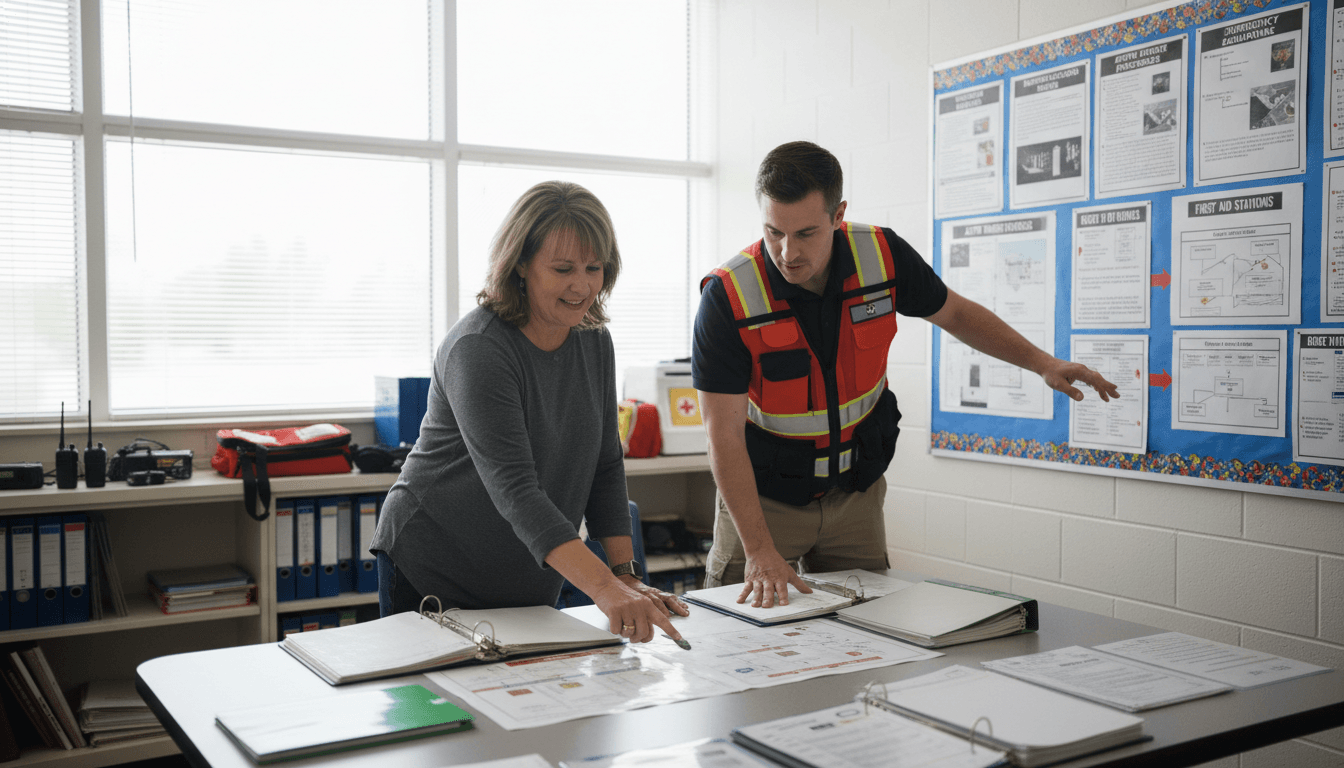
Threat Assessment Communication Newsletter: What Families Need to Know About School Threat Reporting
How safety coordinators communicate threat assessment processes to families in ways that encourage reporting, build trust, and reduce the stigma that prevents students from speaking up.

School Newsletter: Responding to a Social Media Crisis
How to write a school newsletter when a social media crisis involves your school community. What to address, how to correct misinformation, and how to manage ongoing communication.
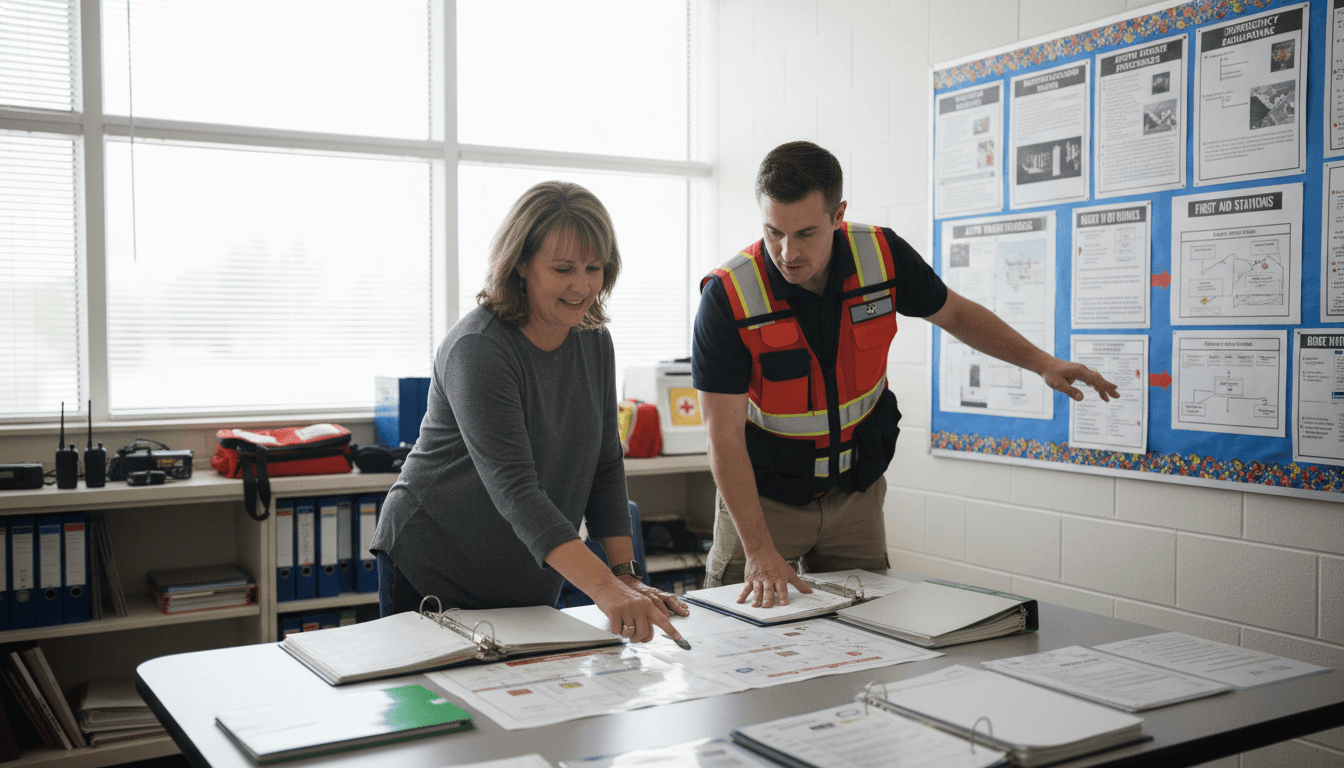
Social Media Safety Newsletter: What Schools Communicate to Families About Student Online Safety
How school safety coordinators use newsletters to educate families about social media risks, platform age requirements, privacy settings, and their role in monitoring student online activity.
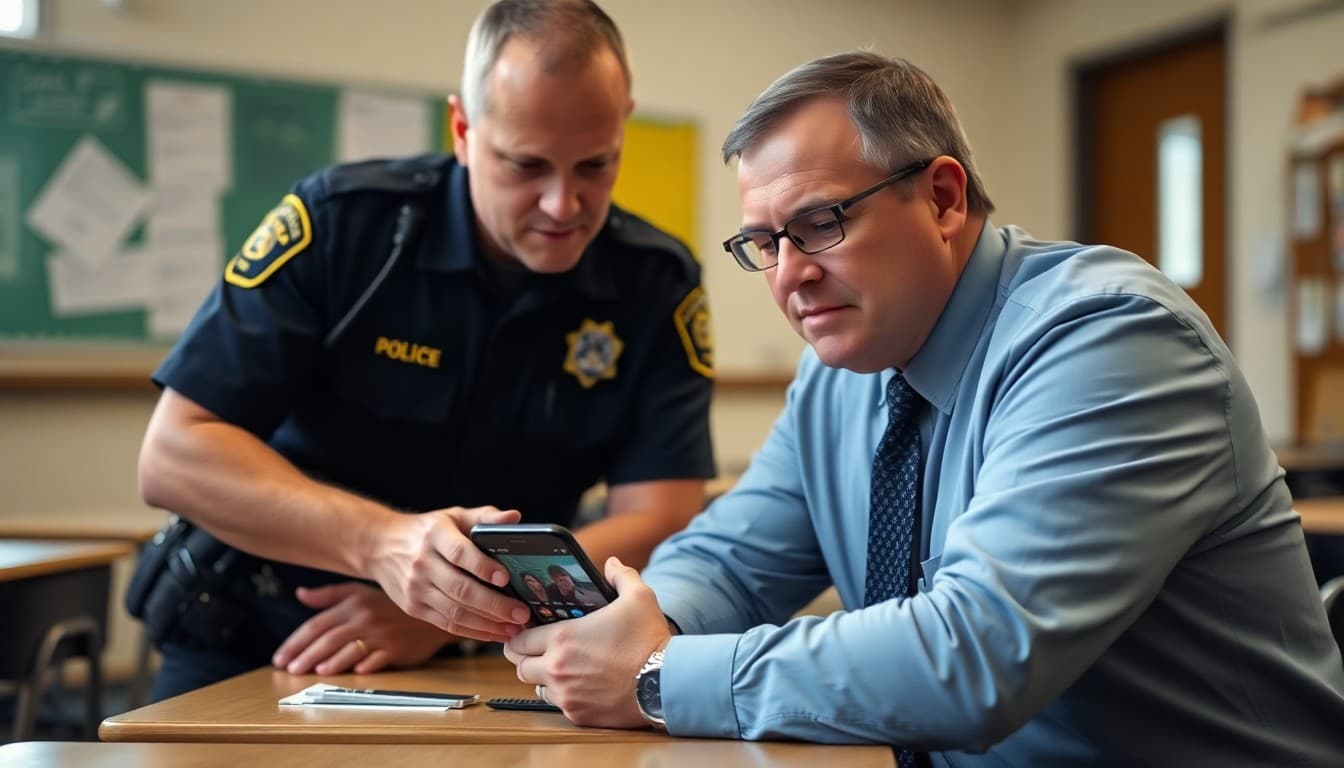
School Newsletter: Responding to a Student Social Media Threat
How to communicate with families after a student social media threat. What to say, how to describe the school's response, and how to guide families through the uncertainty.

How to Talk to Families After the Death of a Student
A guide for school leaders on communicating with families after a student death. What to say, what to avoid, how to support the community, and when to send each message.
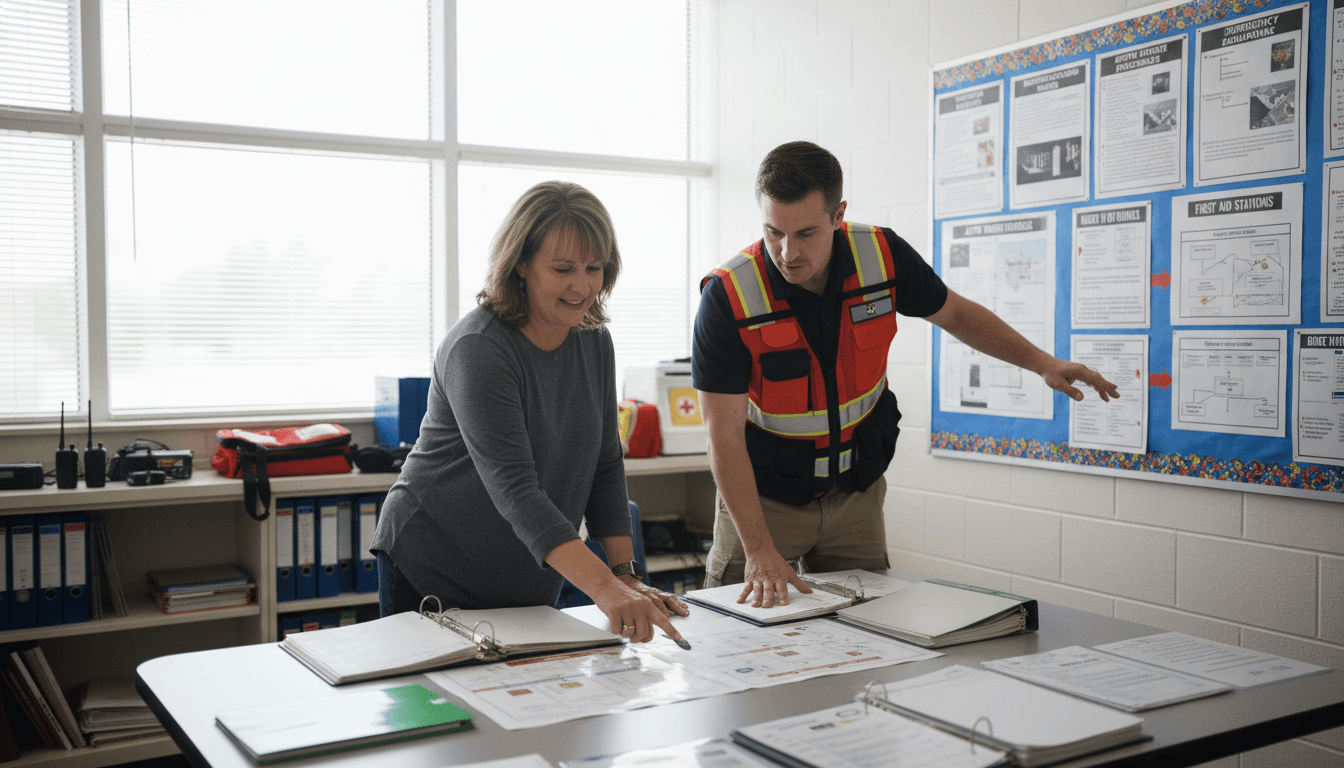
Student ID Policy Newsletter: Communicating ID Requirements and Security Rationale to Families
How schools explain student ID badge policies to families, build compliance, and connect identification requirements to the broader school safety system families care about.

Substance Abuse Prevention Plan Newsletter for Families
Communicate your school's substance abuse prevention plan to families. Covers curriculum, early warning signs, reporting procedures, and how families and schools work together on prevention.
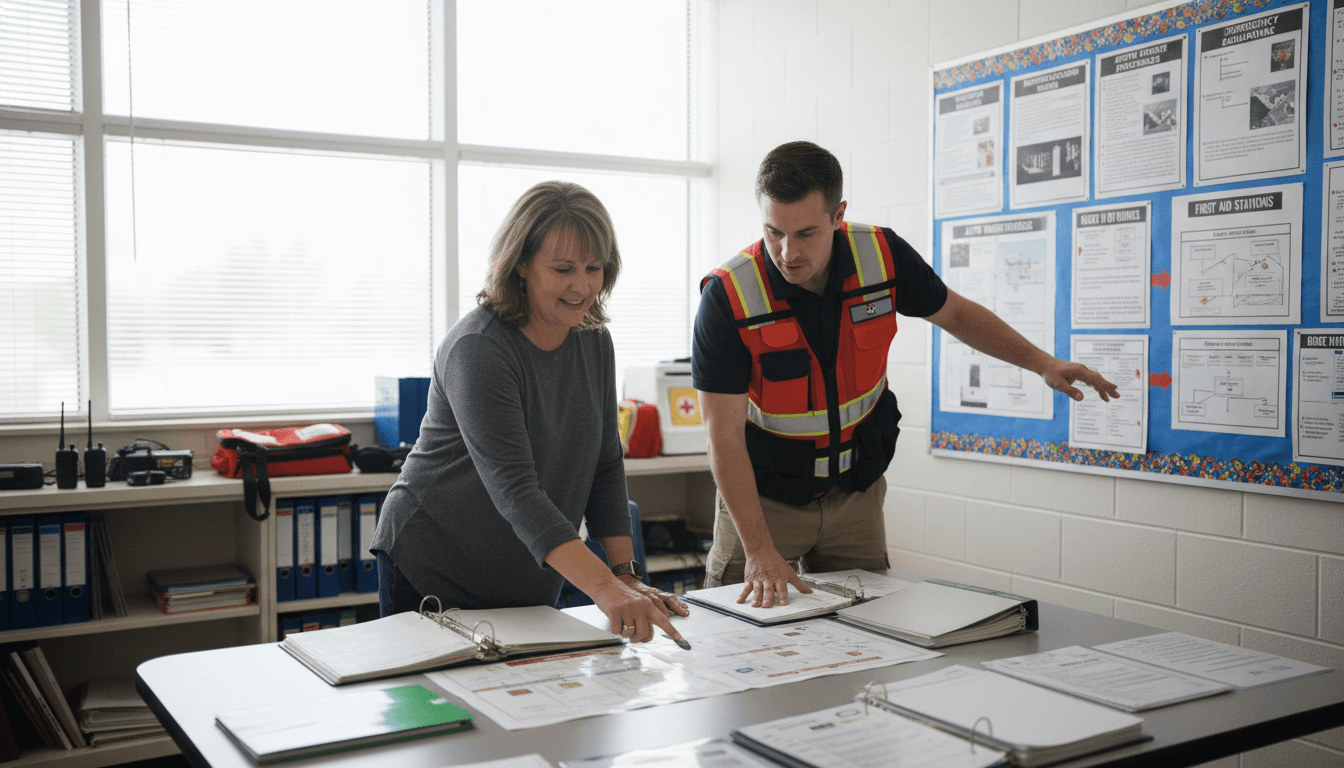
School Weather Emergency Communication: What Families Need to Know Before a Storm Closes School
How principals and safety coordinators communicate school closure procedures, severe weather protocols, and family action steps before and during weather emergencies.
South Dakota School Safety Newsletter: Blizzards, Tornadoes, and Family Communication
A guide for South Dakota principals and safety coordinators on writing school safety newsletters that address severe blizzards, tornado risk, remote school challenges, and family emergency communication.
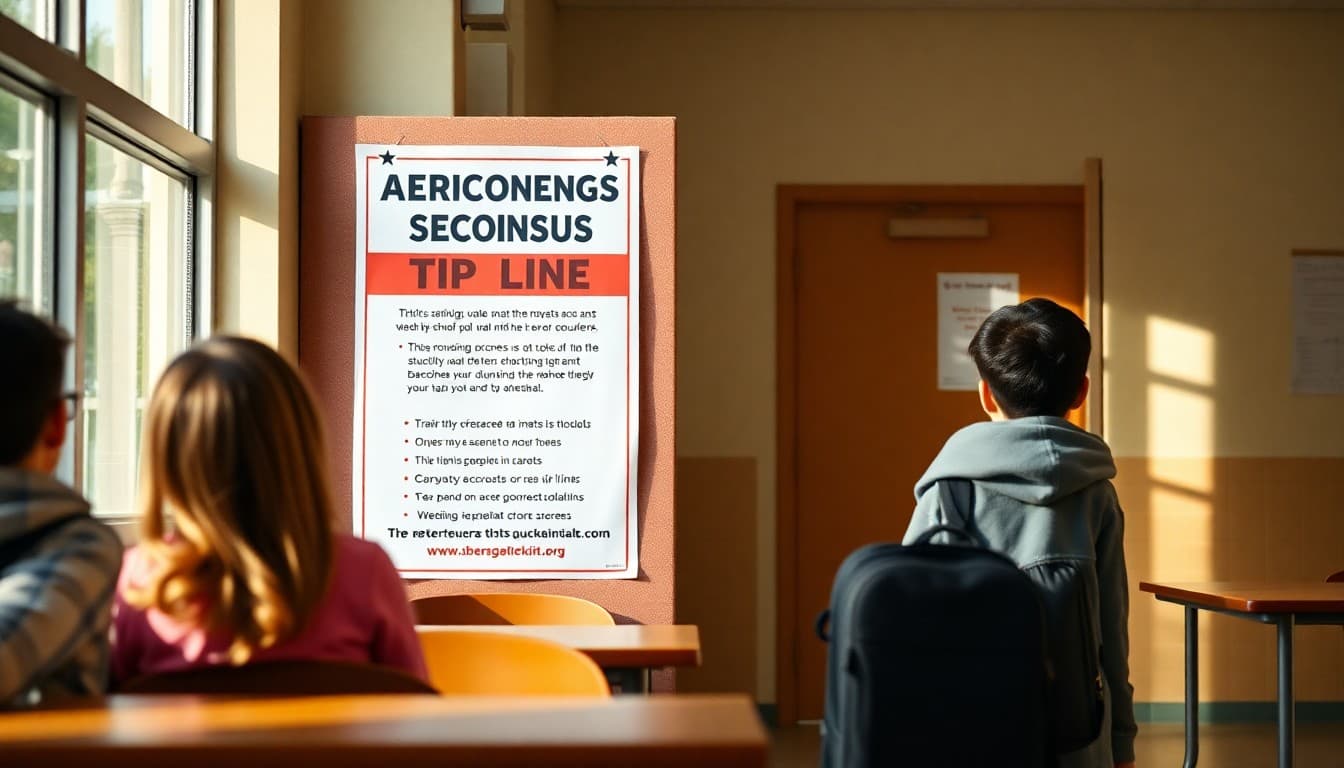
See Something Say Something School Newsletter: Reporting Concerns
A practical guide to writing a See Something Say Something school newsletter. Encourage reporting, reduce hesitation, and give families and students clear steps to speak up.
September Safety Update Newsletter for School Families
Send a September safety update newsletter that recaps early drills, addresses back-to-school concerns, and keeps families informed about school safety practices.
School Newsletter: Sex Offender Notification Requirements for Families
How schools communicate sex offender notifications to families. Legal requirements, what information to share, how to protect the school legally, and how to reassure families.

Shelter-in-Place Procedures Newsletter for School Families
Explain shelter-in-place procedures to school families with clarity and confidence. Covers when it's used, what students do, how families are notified, and what not to do during the event.

School Newsletter: Tornado Drill Recap and Severe Weather Safety
How to write a tornado drill recap newsletter for school families. What families should know about shelter procedures, how to prepare children, and what to do if dismissal is delayed.
School Traffic Safety Newsletter: Communicating Arrival and Dismissal Safety to Families Who Drive and Walk
How schools communicate traffic safety rules to families during arrival and dismissal, covering speed limits near school zones, crosswalk expectations, distracted driving, and how to report traffic concerns near the school.

School Newsletter: Responding to School Vandalism
How to write a family notification after school vandalism. What to include, how to address the school community, and how to describe the response and prevention measures.
School Violence Prevention Newsletter: Communicating Prevention Culture Without Creating Fear
How principals and safety coordinators communicate about school violence prevention in ways that build a culture of safety, encourage reporting, and give families realistic expectations without amplifying fear.
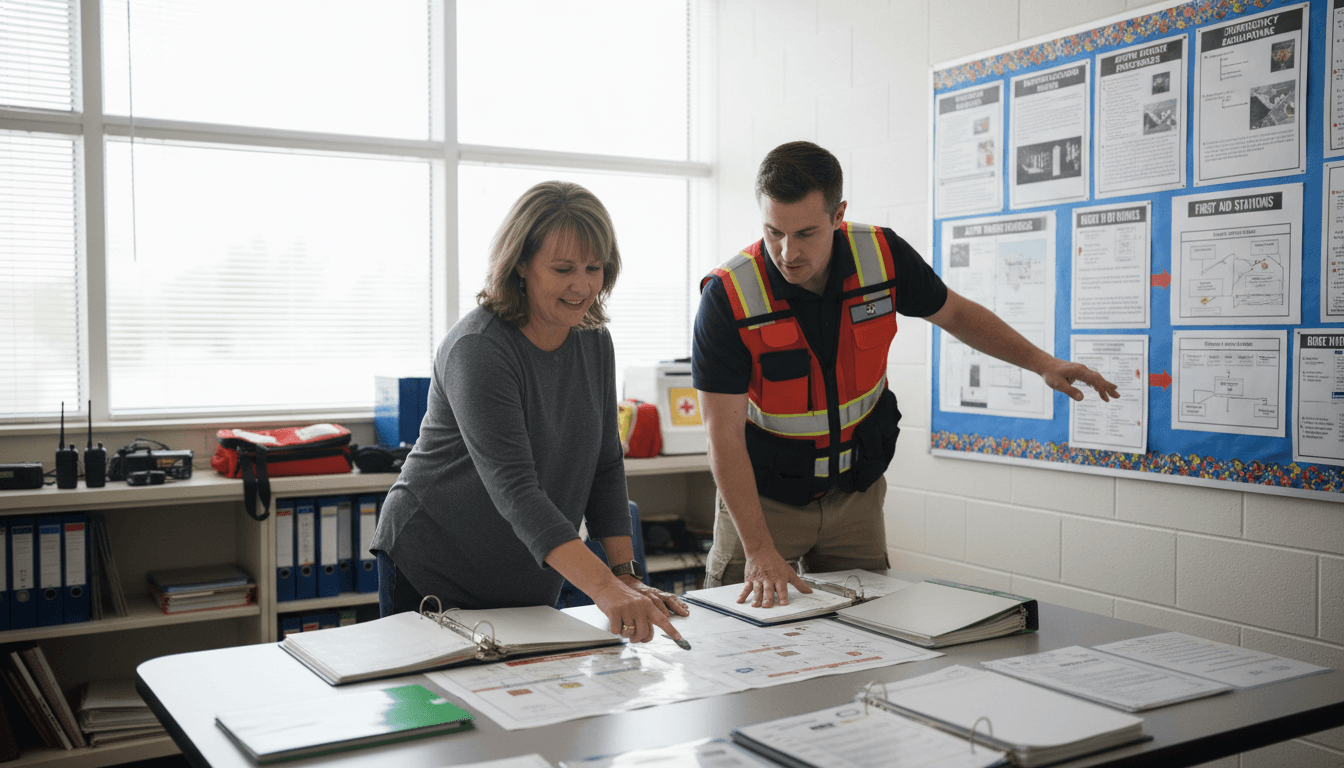
School Visitor Policy Newsletter: Communicating Access Procedures That Families Actually Follow
How principals communicate visitor policies, sign-in procedures, and access control rules in ways that get family compliance and reduce entry-point security gaps.

School Safety Plan Newsletter: Our Emergency Procedures
Write a school safety plan newsletter that explains emergency procedures to families clearly, builds confidence in your protocols, and keeps communication open all year.
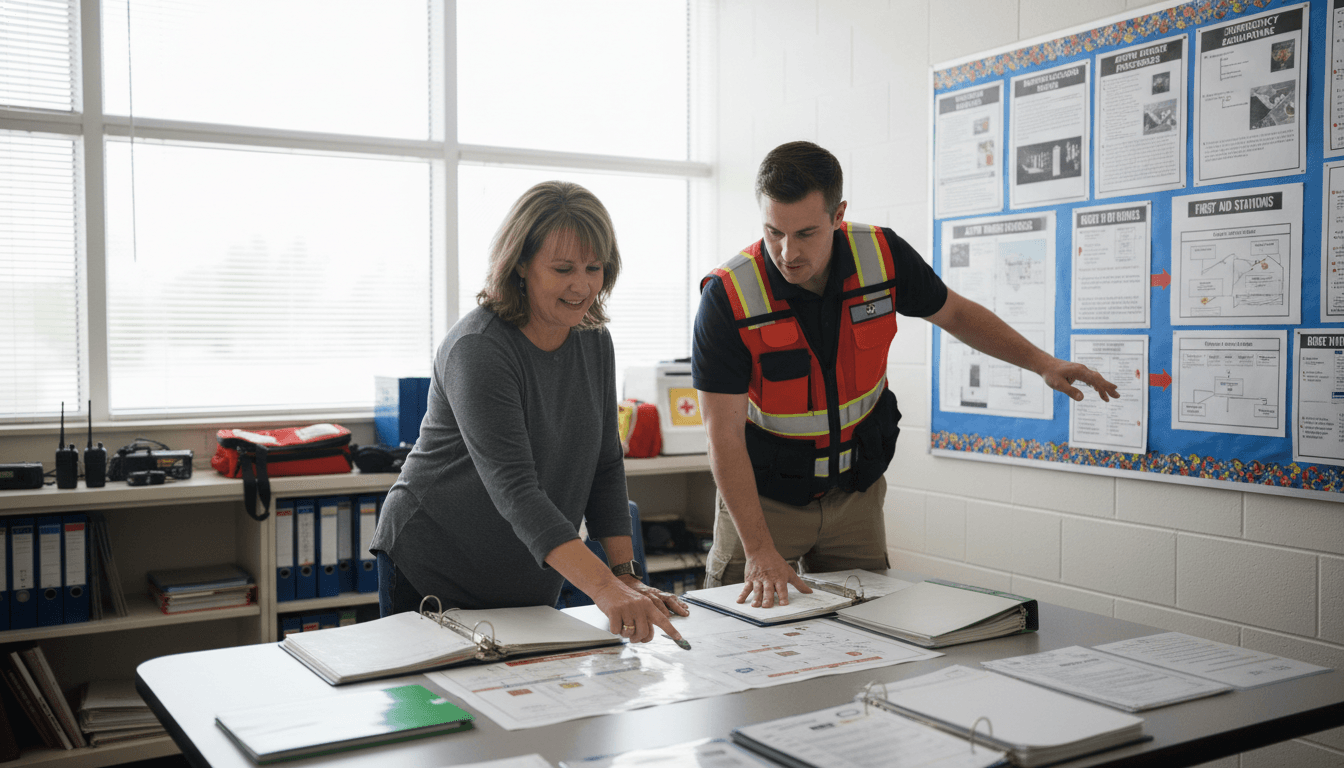
School Safety Team Newsletter: Coordinating Roles, Training, and Communication Across Your Safety Team
How safety team coordinators use newsletters to keep school safety personnel aligned, document drill outcomes, and maintain readiness across the team throughout the year.
School Security Camera Policy Newsletter: Communicating Surveillance Systems Transparently to Families
How principals communicate school security camera systems to families in ways that build trust, address privacy concerns, and explain how video footage supports school safety.

School Newsletter: Our Commitment to School Safety and Violence Prevention
How to write a proactive school violence prevention newsletter that builds family confidence in the school's safety practices without creating fear or anxiety.
School Resource Officer Newsletter: Introducing SRO Programs and Building Community Trust
How schools and SRO programs use newsletters to introduce resource officers to families, explain their role, and build the community relationships that make SRO programs effective.
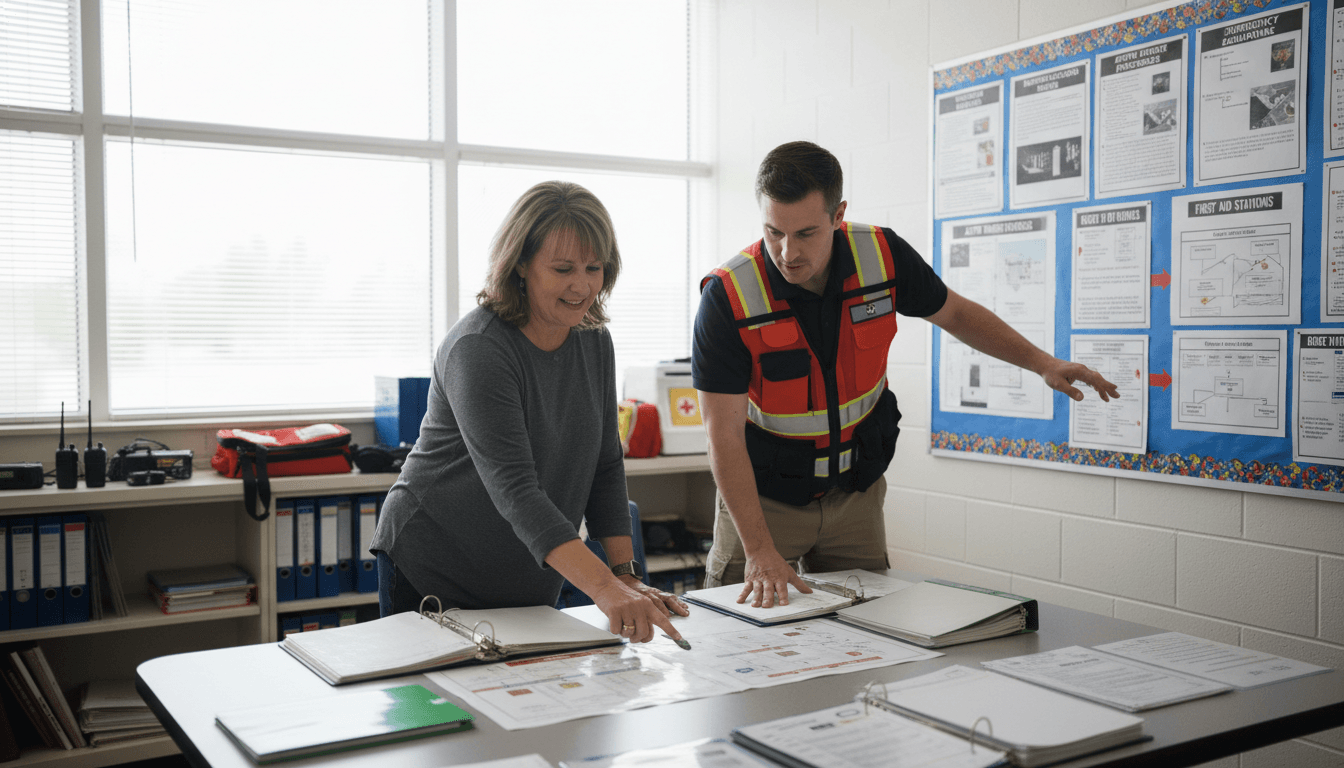
School Threat Hotline Newsletter: Communicating Your State's Anonymous Safety Tip Line to Families
How schools communicate state and local school threat hotlines to families, build awareness of anonymous reporting tools, and connect community knowledge to safety action.
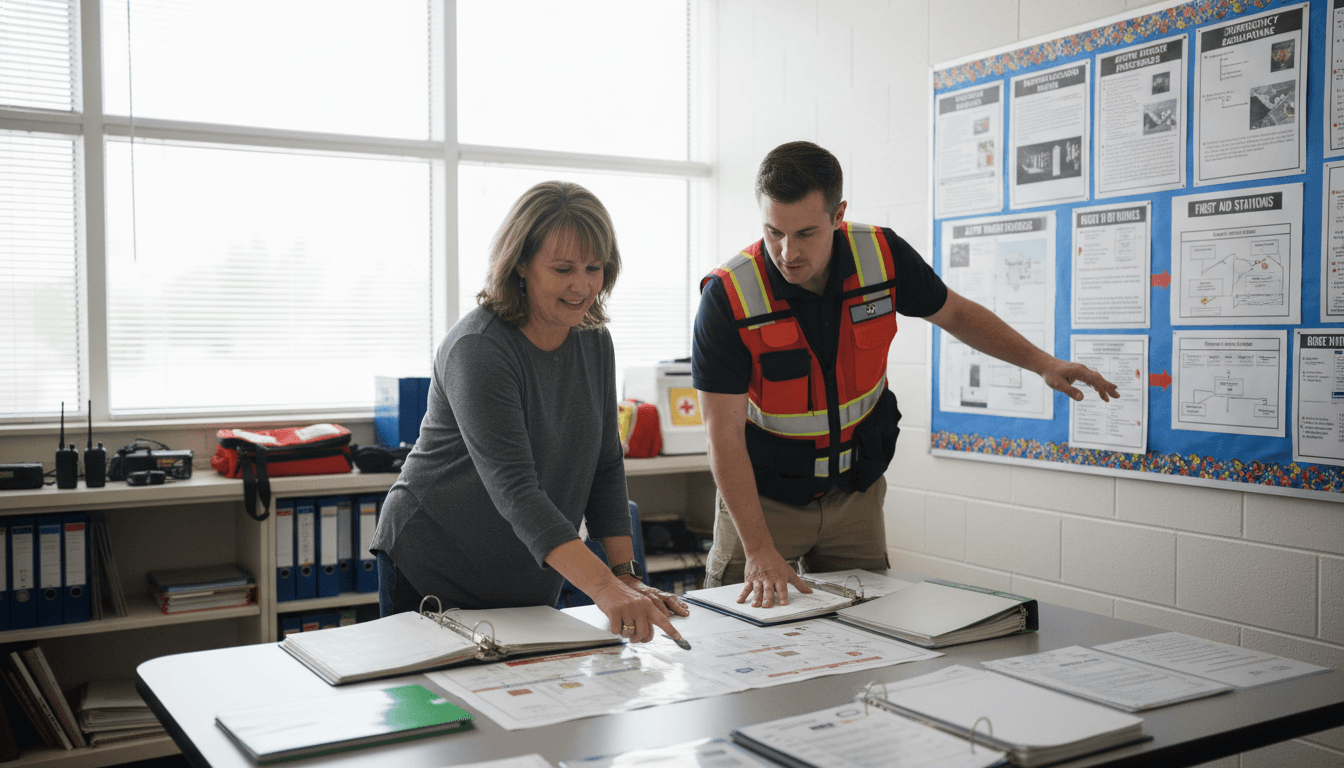
Safe Touch and Abuse Prevention Newsletter: Communicating Body Safety Education to School Families
How school counselors and administrators communicate age-appropriate body safety education to families, explain what is taught in class, and support parents in continuing these conversations at home.
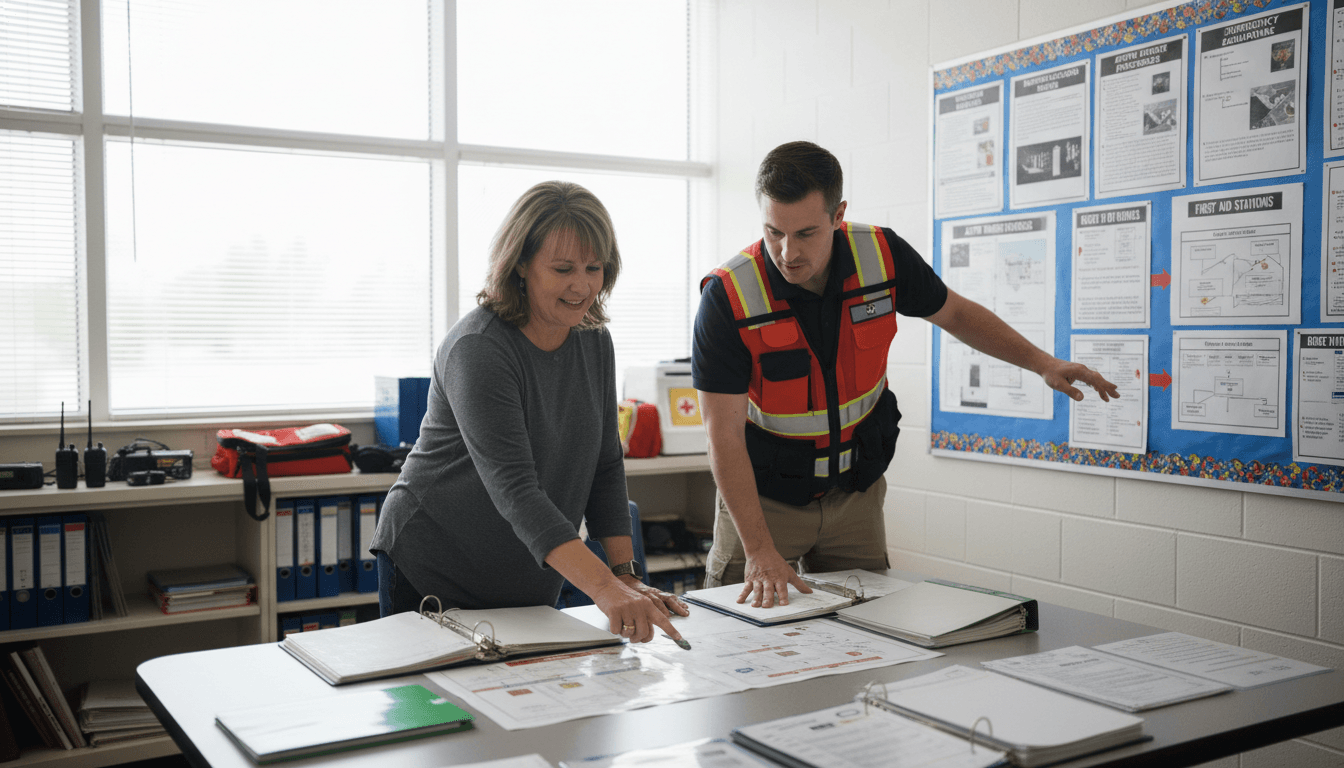
School Safety Audit Newsletter: Communicating Audit Findings and Improvement Plans to Families
How school safety coordinators communicate the results of school safety audits to families in ways that are transparent about vulnerabilities while building confidence in the improvement process.

School Safety Committee Newsletter: Keeping Our School Secure
Learn how to write a school safety committee newsletter that builds community trust, communicates protocols clearly, and keeps families informed about campus security efforts.

School Newsletter: Safety Drill Recap and What Families Should Know
How to write a safety drill recap newsletter that keeps families informed, prepares children for future drills, and explains what each drill procedure teaches students.
Common questions
How do I communicate about a school safety incident without creating panic?
State the facts you know. Name what the school is doing in response. Tell families when they will receive the next update. Do not speculate about what you do not know. Families who receive one clear, accurate communication handle an incident better than families who receive five partial ones.
What should a school safety newsletter include at the start of the year?
Your drill schedule and what each drill type involves, your visitor policy, how to contact the school during an emergency, and the name of the school safety coordinator. Families who understand the safety systems before an incident stay calmer during one.
How do I communicate about a student threat assessment?
You generally do not, unless a specific threat was made publicly. If a threat was made to a large group, communicate that the threat was taken seriously, that the school is working with law enforcement, and that safety measures are in place. Do not reveal the identity of the student who made the threat or the outcome of the assessment.