
See Something Say Something School Newsletter: Reporting Concerns
Research on school violence consistently shows the same pattern: most attackers communicated their intentions to at least one person before acting, and that person stayed silent. A See Something Say Something newsletter is your school's direct response to that pattern. It breaks the silence before a crisis happens.
Explain the Purpose Without Overstating the Threat
Start by explaining what See Something Say Something is and what it's designed to accomplish. Keep it grounded: this is not a program built around fear of mass violence. It's a reporting culture that helps troubled students get support early. Most referrals lead to counseling, not crisis. The newsletter should communicate urgency without creating anxiety.
Name Specific Behaviors Worth Reporting
Vague instructions to "report anything suspicious" create confusion and paralysis. Give families and students a concrete list. Include: direct or indirect threats toward a person or group, statements about not wanting to be alive, social media content expressing plans to harm, a peer who mentions having or wanting access to a weapon, someone who talks about revenge against specific people, and sudden severe changes in mood or behavior combined with withdrawal. Specificity increases reporting rates.
Address the "What If I'm Wrong?" Fear Directly
The single biggest barrier to reporting is the fear of being wrong. Write about this explicitly. Tell families and students that it is better to report and be wrong than to stay silent. Tell them that the school's job is to assess the situation, and that's what trained staff are for. A student who reports a concern and turns out to be mistaken has done the right thing. That message needs to be in the newsletter.
Protect Reporter Identity and Explain How
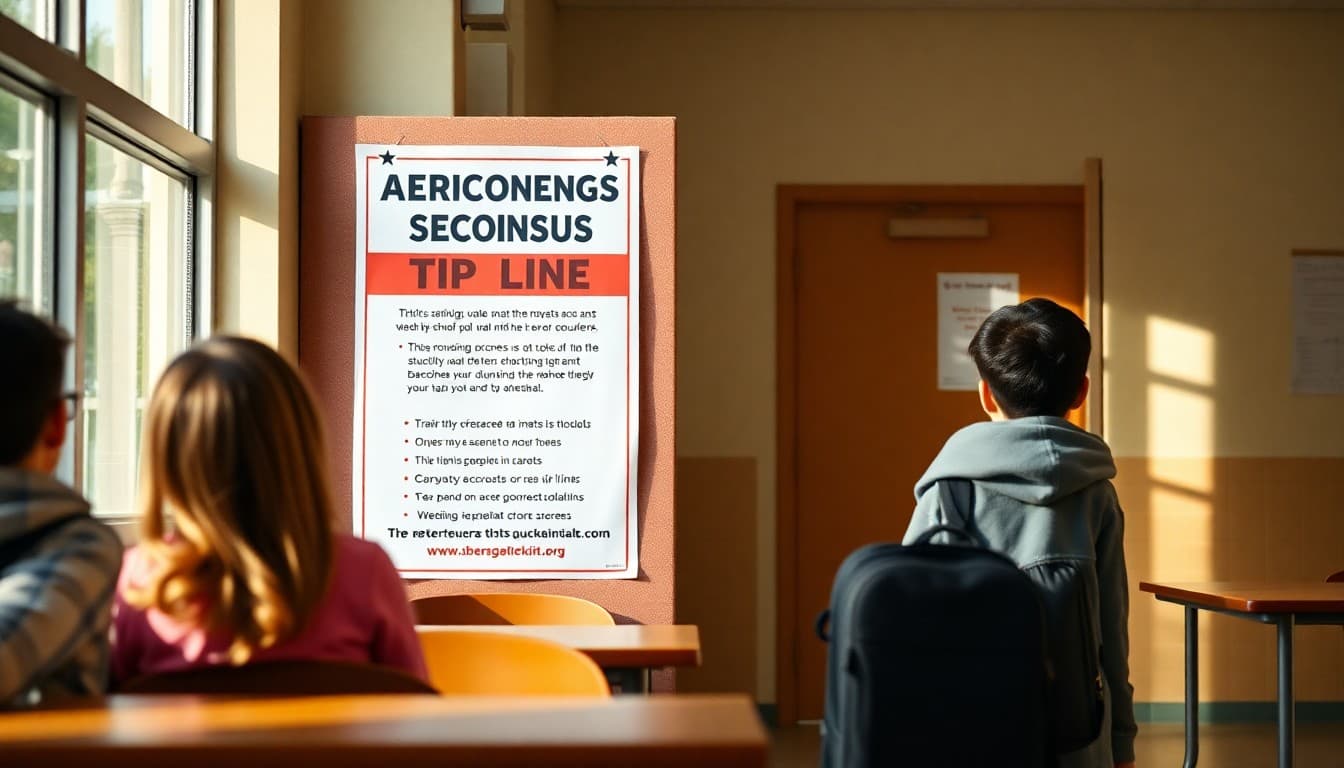
Anonymous reporting options dramatically increase reporting rates. If your school has a tip line or an anonymous submission form, feature it prominently in the newsletter. Explain exactly what anonymous means in your system: who receives the report, how it's investigated without identifying the reporter, and what protections are in place. Families who trust the system report more.
Use a Template Reporting Section
Here is a section that works in any See Something Say Something newsletter:
"If you or your child sees or hears something concerning, here is how to report it: Call the front office at [number]. Email [principal or counselor name] at [email]. Submit an anonymous tip at [link or number]. Text [keyword] to [number] for our anonymous text line. You do not need to be certain something is dangerous to report it. Our team reviews every concern and follows up quickly."
Tell Students What Happens After They Report
Students are more likely to report when they know their concern will actually be addressed. Be transparent: when a concern is reported, a staff member reviews it the same day. If needed, the principal, counselor, or school resource officer follows up. The person who is reported may receive support, a conversation, or additional monitoring. Students are notified that their report was received, though outcome details are kept confidential. This removes the fear that reporting leads to nothing or leads to unfair consequences.
Make the Connection to Student Wellbeing, Not Just Safety
See Something Say Something works best when students see it as a way to help a struggling peer, not a way to get someone in trouble. Frame it in those terms. When a friend is talking about hurting themselves, saying something to an adult is an act of care, not betrayal. This reframing matters especially for middle and high school students who have strong peer loyalty.
Close with Visible, Easy-to-Find Contact Options
End the newsletter with every reporting option in bold, large font. Phone, email, anonymous tip line, and any mobile app your district uses. Families should not have to search for this information. If the newsletter does only one thing, it should make reporting as easy as sending a text message.
Get one newsletter idea every week.
Free. For teachers. No spam.
Frequently asked questions
What does See Something Say Something mean in a school context?
In schools, See Something Say Something is a reporting culture where students, staff, and families are encouraged to share concerns about behaviors, statements, or situations that suggest someone may be at risk of harming themselves or others. It's not about policing peers but about making sure troubled students get support before a crisis occurs. Most school shootings involve warning signs that were seen but not reported.
Why are students reluctant to report concerns about peers?
The most common reasons are fear of being wrong, fear of being seen as a snitch, not knowing what exactly to report, and not trusting that adults will handle it well. A good newsletter addresses all four directly. Normalize uncertainty about whether something is serious enough to report, protect reporter identity, and explain clearly what happens after a report.
What specifically should families encourage their children to report?
Direct or indirect threats, statements about wanting to hurt someone or themselves, talk of bringing a weapon to school, social media posts that express hopelessness or violence, sudden and severe behavior changes in a friend, and any situation where a student feels physically unsafe. The message to students: if you're unsure whether something is worth reporting, report it and let an adult decide.
How do schools protect students who report concerns?
Most schools have anonymous reporting options so that the student's identity is never disclosed to the person they reported. Even for non-anonymous reports, staff are expected to protect the reporter's identity to the maximum extent possible. Explain this clearly in your newsletter because fear of retaliation is the biggest barrier to reporting.
Can Daystage help schools reinforce See Something Say Something messaging year-round?
Yes. You can set up a recurring newsletter in Daystage that goes out at the start of each semester reminding families and students of reporting channels. Consistent messaging throughout the year is more effective than a single campaign. Daystage lets you save the template and send it again with minimal updates.

Adi Ackerman
Author
Adi Ackerman is a former classroom teacher and curriculum writer with 8 years in K-8 schools. She writes about school communication, parent engagement, and what actually works in real classrooms.
More for School Safety
Ready to send your first newsletter?
3 newsletters free. No credit card. First one ready in under 5 minutes.
Get started free