
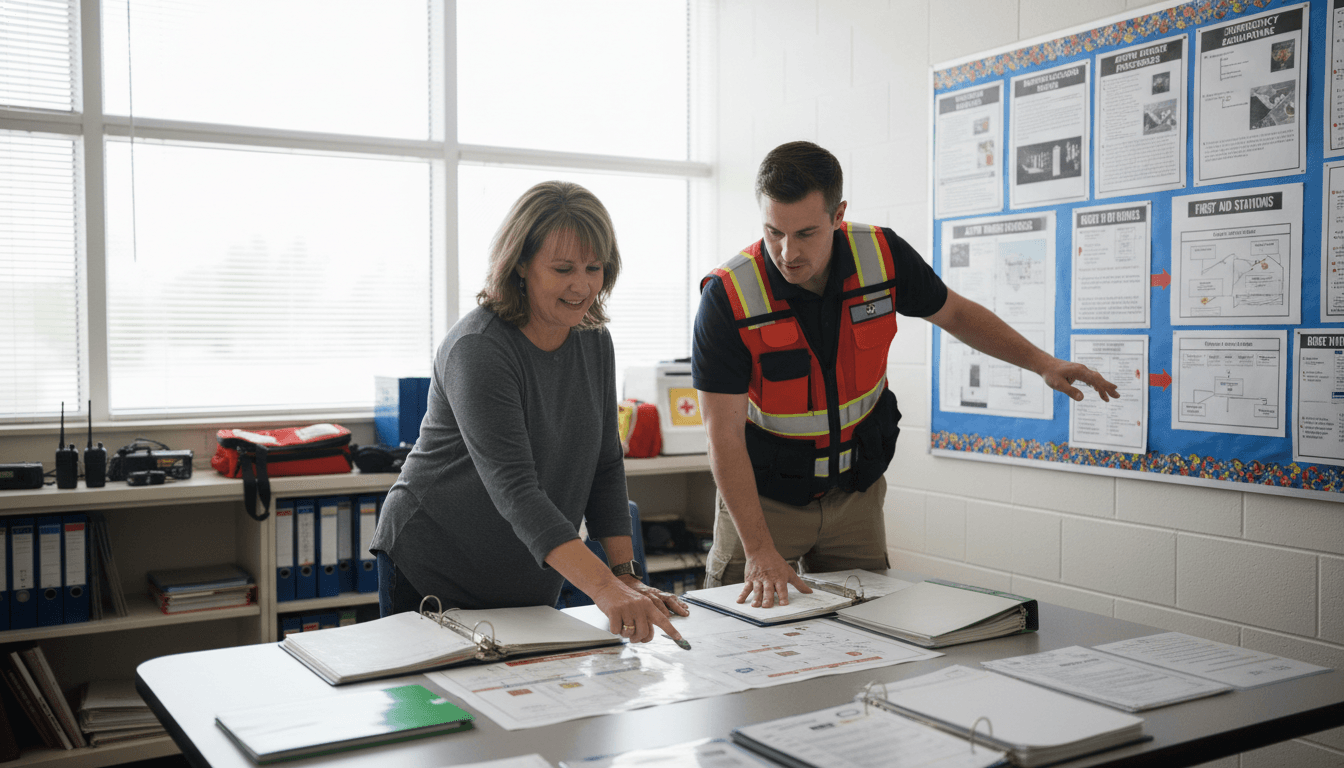
School Resource Officer Newsletter: Introducing SRO Programs and Building Community Trust
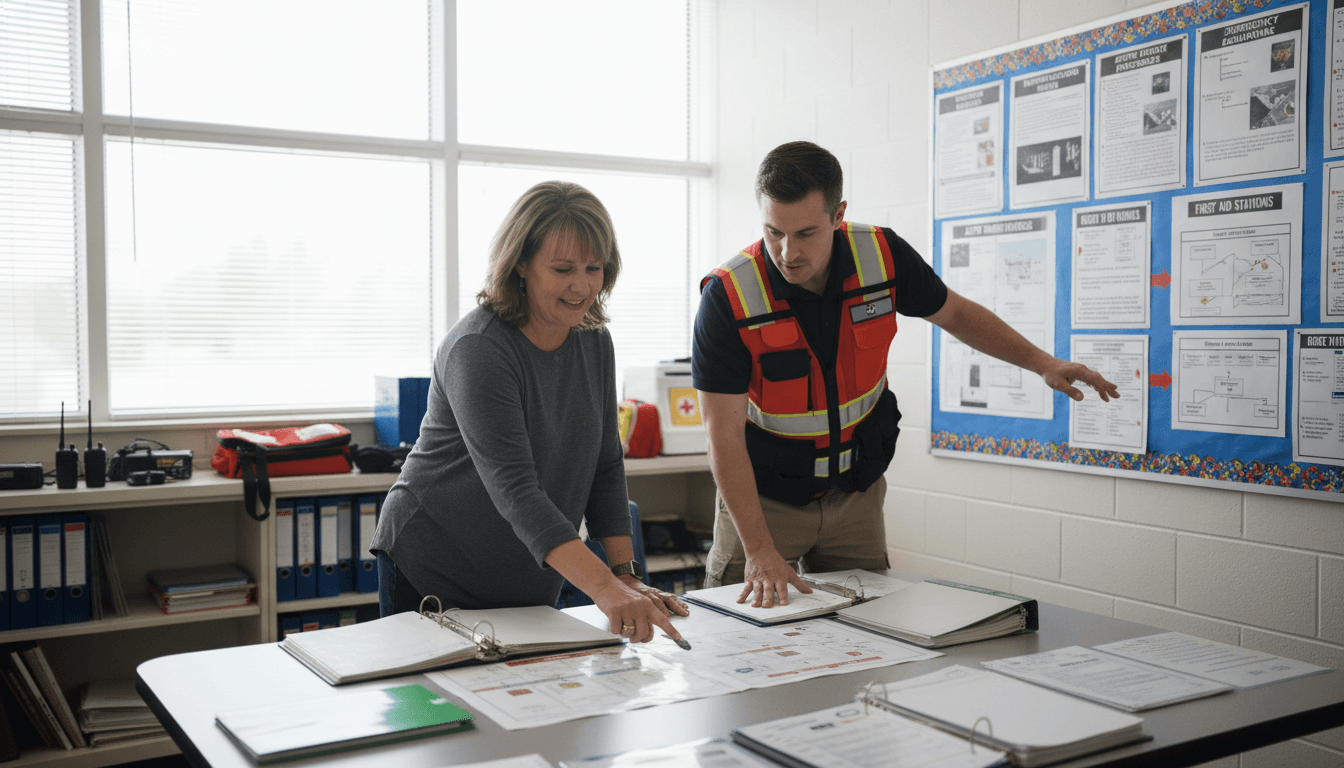
School resource officer programs operate in one of the most contested spaces in school safety. SROs can build valuable relationships that improve school climate and provide a safety resource that school staff alone cannot offer. They can also criminalize student behavior that would otherwise be handled within the school, disproportionately affect specific student populations, and create environments where students feel policed rather than educated.
How a school communicates about its SRO program significantly affects which of these outcomes is more likely.
Introducing the Officer as a Person
The most effective SRO newsletter introduces the officer as an individual. Name, background, why they chose to work with young people, and what they hope to contribute to the school community. This humanizing introduction changes the initial relationship from institutional authority figure to community member.
Students and families who know that the SRO coached youth sports for five years before joining the school assignment respond differently to seeing the officer in the hallway than those who only know they are a police officer.
Clarifying the Role
Most SRO communication failures happen when families are unclear on what the SRO does and does not do. An effective role description covers: what the SRO handles (serious safety threats, investigation support for criminal matters, community relationship building) and what the SRO does not handle (routine school discipline, attendance issues, minor behavior infractions, conversations that are not safety-related).
Schools whose SROs are involved in routine discipline decisions rather than genuine safety situations tend to have the most family concerns. The newsletter communication can establish the appropriate role from the beginning.
Building Access and Trust
Provide contact information for the SRO and explain how students and families can reach them directly with safety concerns. An SRO who families can contact is a partner. An SRO who is only visible when responding to incidents is a presence rather than a resource.
Accountability Communication
Annual communication about the SRO program's outcomes, including data on the types of situations the SRO handled and how they were resolved, builds accountability and demonstrates that the program is functioning as intended.
Get one newsletter idea every week.
Free. For teachers. No spam.
Frequently asked questions
Why is it important to communicate about the SRO program to families?
Families who do not understand the SRO's role may fear or misunderstand police presence in a school. Families who understand that the SRO is a relationship-based safety partner trained to work with young people in educational environments respond differently to their child's description of interacting with the officer. Introduction and explanation prevent the distrust that undermines program effectiveness.
What should an SRO introduction newsletter include?
The officer's name and a brief personal introduction, what the SRO's role is in the school (safety partner, not school discipline officer), what the SRO can and cannot do, how students and families can contact the SRO with concerns, and what the SRO does on a typical day. Specific, human-centered communication builds more trust than a description of official duties.
How do you communicate about SRO programs in communities where police relationships are strained?
Acknowledge the broader context without dismissing it. 'We know that police relationships in our community are complicated, and we are committed to an SRO program that builds trust rather than surveillance. Here is how we have structured the role and how we will hold it accountable' demonstrates awareness and builds more trust than ignoring the tension.
What complaints about SRO programs should be addressed in newsletter communication?
Common concerns include worries that the SRO will criminalize normal student behavior, target specific student populations, or undermine the school's restorative approaches to discipline. Addressing each specifically with reference to the program's structure and oversight mechanism is more effective than general reassurances.
How does Daystage support SRO program communication?
School safety coordinators and principals use Daystage to send SRO introduction newsletters at the start of the year and program update newsletters throughout the year. Consistent communication keeps the SRO's role visible and builds the community familiarity that makes the program effective.

Adi Ackerman
Author
Adi Ackerman is a former classroom teacher and curriculum writer with 8 years in K-8 schools. She writes about school communication, parent engagement, and what actually works in real classrooms.
More for School Safety
Earthquake Preparedness Newsletter: Communicating Drop-Cover-Hold On Procedures to School Families
School Safety · 5 min read
School Bathroom Supervision Newsletter: Communicating Student Safety Policies in Unsupervised Spaces
School Safety · 5 min read
School First Aid and AED Newsletter: Communicating Medical Emergency Preparedness to Families
School Safety · 5 min read
Ready to send your first newsletter?
3 newsletters free. No credit card. First one ready in under 5 minutes.
Get started free