

September Safety Update Newsletter for School Families
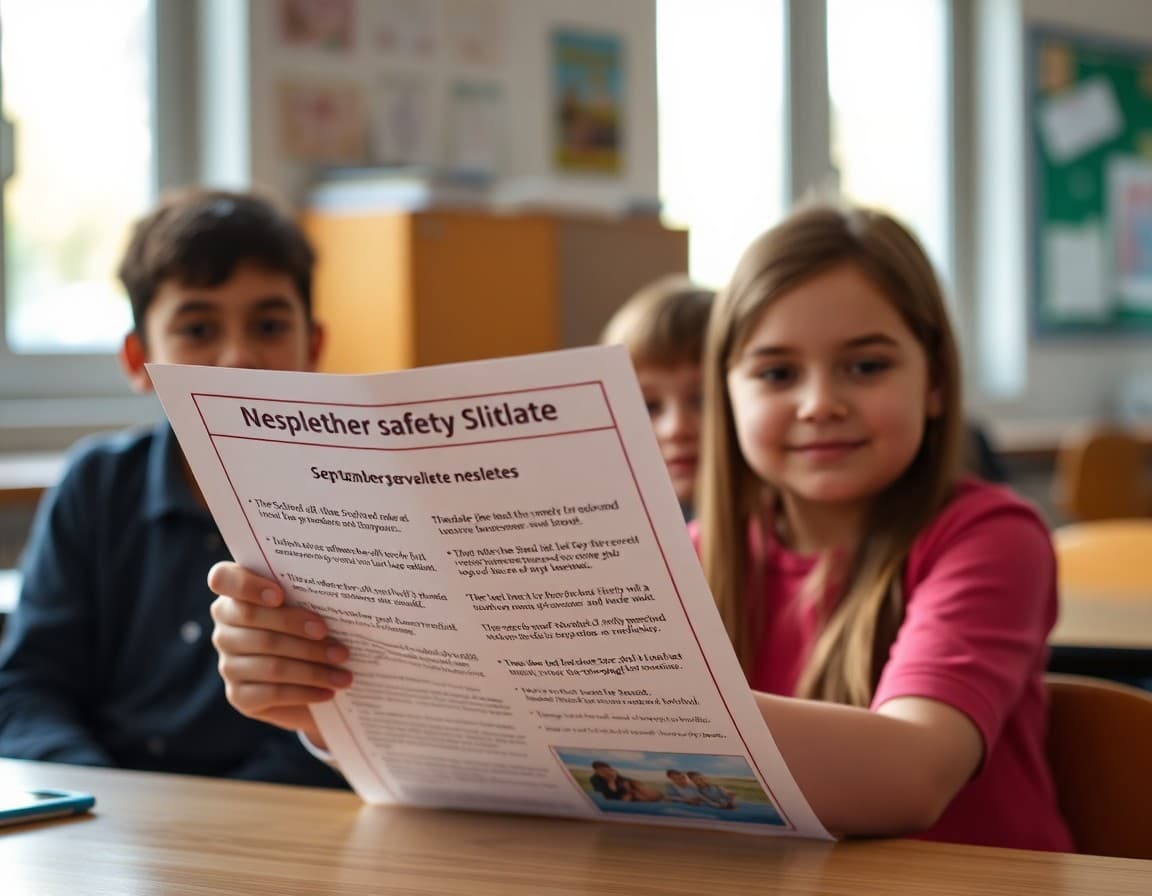
September is a critical communication window. School is in session, routines are forming, and families are still paying close attention to what is happening on campus. A safety update newsletter in September builds on your August communication, closes gaps, and answers the questions that always come up in the first weeks of a new year.
Recap Any Drills Already Completed
If your school ran a fire drill or lockdown drill in the first weeks of September, let families know it happened and how it went. A brief, factual recap tells parents their children practiced the procedures and that staff responded appropriately. This is reassuring, especially for families of younger students or children who may have found the drill stressful.
Address Traffic and Drop-Off Patterns
The first few weeks always surface traffic issues. If certain intersections are backing up, if families are using the wrong entrance, or if pick-up lines are running long, address it directly. A specific, polite correction in a newsletter reaches more families than a sign on the road and creates fewer confrontations.
Confirm Emergency Contact Status
By September, you know which families still have not updated their emergency contacts. A short note asking them to complete this before the end of the month, with the link or form attached, typically produces a final wave of updates. Frame it as a practical step, not a compliance demand.
Introduce or Re-Introduce Reporting Channels
Some families miss the August newsletter entirely. September is a good time to re-introduce your anonymous tip line, the process for reporting safety concerns, and who to contact directly. Include the phone number and any app or website the district uses for reports.
Highlight Bus Safety Rules
Bus incidents peak early in the year when behavior expectations are still being established. A short paragraph covering expected conduct, the consequences for unsafe behavior on the bus, and how parents can report concerns keeps this front of mind for families. If your district added new bus routes or stops, confirm those here as well.
Mention the Upcoming Drill Schedule
Share the approximate dates of any drills planned for October or November. Families with children who experience anxiety benefit from advance notice. You do not need to give exact times, but a general heads-up prevents unnecessary calls to the office on drill days.
Invite Questions and Feedback
A safety newsletter that feels like a one-way broadcast misses an opportunity. Include a line inviting families to send questions or concerns to the school office. When families feel heard, they are more likely to report concerns through proper channels rather than spreading unverified information through social media or parent group chats.
Keep It Short and Easy to Read
September newsletters compete with homework calendars, sports schedules, and fundraiser forms. Keep the safety update focused and scannable. Use Daystage to format the newsletter with clear section headers and a readable layout so families can find the information that applies to them quickly and move on.
A consistent September safety update shows families that school safety is a managed, ongoing process, not something that only gets attention after something goes wrong. That consistency builds the trust needed when you have to communicate about something serious.
Get one newsletter idea every week.
Free. For teachers. No spam.
Frequently asked questions
What safety topics are most relevant in September?
September is the time to recap any drills that happened in the first weeks of school, remind families about drop-off traffic rules, and address any early-year concerns that have come up. It is also a good time to confirm that emergency contact updates have been received.
How often should schools send safety newsletters?
Monthly updates during the school year keep safety top of mind without overwhelming families. A brief September update after the first month helps close any gaps from the August pre-school communication and gives parents a chance to ask questions.
Should September newsletters address bus safety?
Yes, especially in the first month. Bus behavior, crossing guard locations, and stop procedures are relevant for families new to the school. A brief reminder in September reduces incidents during the period when routines are still forming.
How do you handle questions or concerns from families in the newsletter?
Include a clear point of contact for safety questions, whether that is the principal, the office, or a safety coordinator. You can also add a short FAQ based on questions that came in during the first weeks of school.
What tool helps schools send polished monthly safety newsletters?
Daystage makes it straightforward to build and send a monthly safety update with sections for drill recaps, reminders, and contacts. You can reuse a template each month and update only the relevant sections, which keeps the process fast without sacrificing quality.

Adi Ackerman
Author
Adi Ackerman is a former classroom teacher and curriculum writer with 8 years in K-8 schools. She writes about school communication, parent engagement, and what actually works in real classrooms.
More for School Safety
Ready to send your first newsletter?
3 newsletters free. No credit card. First one ready in under 5 minutes.
Get started free