
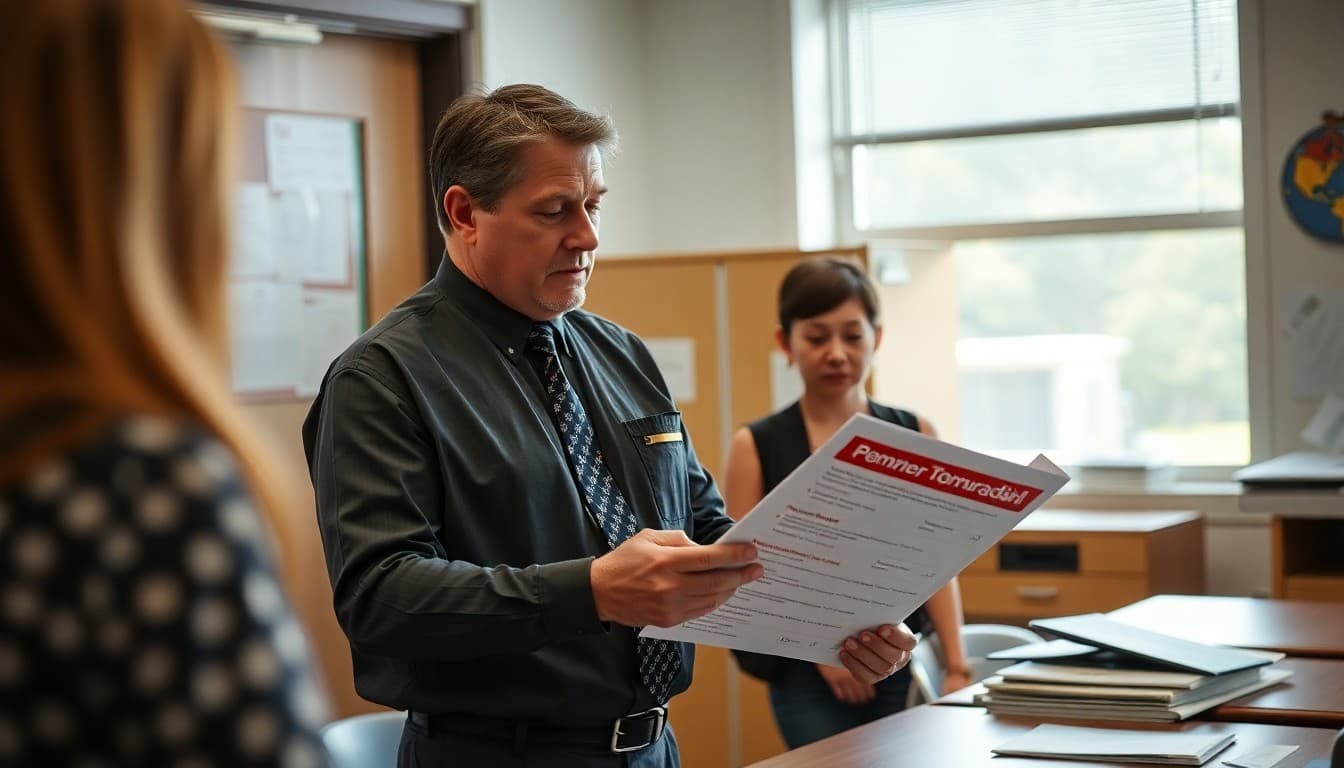
Texas School Safety Newsletter: Tornadoes, Extreme Heat, and Family Communication
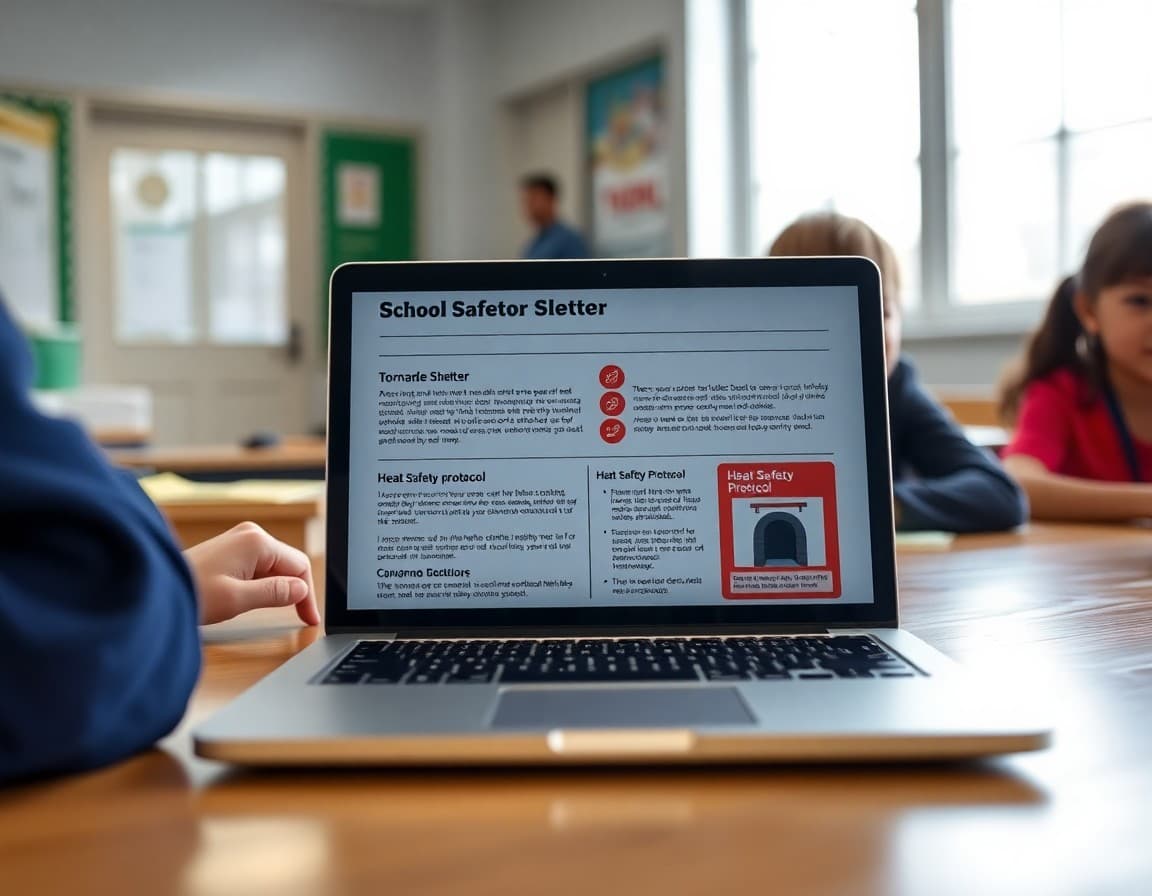
Texas school safety communication operates under a specific weight since Uvalde. Families across the state are more attuned than ever to what their school has prepared, what security measures are in place, and how the school will communicate during an emergency. At the same time, Texas schools manage a broader range of natural hazards than most states: tornadoes, hurricanes, extreme heat, and in recent years, devastating winter storms. The safety newsletter has to address all of it.
Here is how Texas school administrators can build safety communication that meets the moment.
Post-Uvalde Security Communication
Texas SB 11, passed after Uvalde, significantly expanded school safety requirements. Safety newsletters should communicate what has changed at your school: the new or enhanced safety and security audit results, changes to access control, the school marshal program if applicable, mental health resource expansions, and changes to active threat response training.
Texas families are not looking for reassurance that safety is a priority. They are looking for evidence of specific actions taken. Name them.
Tornado Protocol Communication Before Spring Season
Texas sees more total tornadoes than any other state. Send a tornado protocol communication in early March. Name the shelter locations. Explain the county warning system. Describe the procedure for outdoor students. Tell families exactly how they will receive updates if a tornado warning occurs during school hours.
Texas Panhandle and DFW families take tornado season communication as seriously as any other school safety topic. Specific, operational information is what they are reading for.
Extreme Heat Communication at Back-to-School
Texas school years begin in late July in temperatures that regularly exceed 105 degrees. Send a heat protocol notice before school starts. Cover the outdoor activity threshold, water access policies, portable classroom management, and the signs of heat illness. Houston, San Antonio, and Laredo families deal with dangerous heat index values that combine temperature and humidity into a more severe risk than temperature alone conveys.
Hurricane and Tropical Storm Communication for Coastal Schools
Texas Gulf Coast schools should send a hurricane season protocol notice before June 1. Cover how closure decisions are made, the notification timeline, and what families in evacuation zones should know. Reference the Texas Division of Emergency Management as the authoritative source for evacuation guidance.
Winter Storm Communication
The 2021 Texas winter storm demonstrated that even mild-winter Texas schools need winter weather protocols. Send a winter weather communication in your fall safety newsletter. Cover the criteria for school closings, the notification channels, and what families should do if conditions change rapidly during school hours.
Lockdown Drill Communication
Send advance notice before every lockdown drill. Include the date, what students will practice, that teachers prepare students beforehand, and counselor availability. In Texas, where communities are acutely aware of the events of May 24, 2022, drill communication that is specific, factual, and preparation-focused is more important than ever.
Daystage for Texas Safety Communication
Texas principals who use Daystage for safety newsletters maintain consistent communication across one of the country's most complex safety communication calendars. From spring tornado protocols to August heat notices to Gulf Coast hurricane season and post-Uvalde security updates, a reliable platform keeps every family informed.
Get one newsletter idea every week.
Free. For teachers. No spam.
Frequently asked questions
What safety topics should Texas school newsletters address?
Texas schools face tornado and severe weather risk statewide, extreme heat at the start and end of the school year, hurricane and tropical storm risk for coastal communities, winter storms in the northern panhandle, and the full range of security protocols. Texas was the site of the Uvalde school shooting in 2022, and families across the state have heightened awareness of school security communication.
How should Texas schools communicate tornado protocols to families?
Texas leads the country in total tornado count. Send a tornado protocol communication in early spring before the most active season. Name the specific shelter locations in the building, the warning system, and the procedure for outdoor students. Texas families from the Panhandle to DFW to Houston are accustomed to tornado risk and expect specific, operational information.
What Texas school safety requirements affect family communication following Uvalde?
Following the 2022 Uvalde shooting, Texas passed Senate Bill 11, which significantly expanded school safety requirements including required safety and security audits, enhanced mental health resources, school marshals, and improved active shooter response training. Safety newsletters should reflect how the school has implemented these requirements, including what has changed and what new resources are available.
How do Texas schools communicate heat safety to families?
Texas school years begin in late July and early August in extreme heat. Back-to-school safety newsletters should cover outdoor activity modification thresholds, water access policies, how portable classrooms are managed during heat advisories, and the signs of heat illness. In cities like Houston and San Antonio where temperatures and humidity combine for dangerous heat indices, specific threshold communication is essential.
What platform helps Texas schools send consistent safety newsletters?
Texas principals and safety coordinators use Daystage to send structured safety newsletters with consistent format throughout the year. For large Texas districts managing thousands of families, a reliable and scalable communication platform ensures safety messages reach every family on time.

Adi Ackerman
Author
Adi Ackerman is a former classroom teacher and curriculum writer with 8 years in K-8 schools. She writes about school communication, parent engagement, and what actually works in real classrooms.
More for School Safety
School Safety Newsletter Guide: What Principals and Safety Coordinators Should Be Communicating All Year
School Safety · 7 min read
School Tornado Safety Newsletter: Severe Weather Procedures
School Safety · 6 min read
Lockdown Drill Communication Newsletter: What to Tell Families Before, During, and After
School Safety · 6 min read
Ready to send your first newsletter?
3 newsletters free. No credit card. First one ready in under 5 minutes.
Get started free