
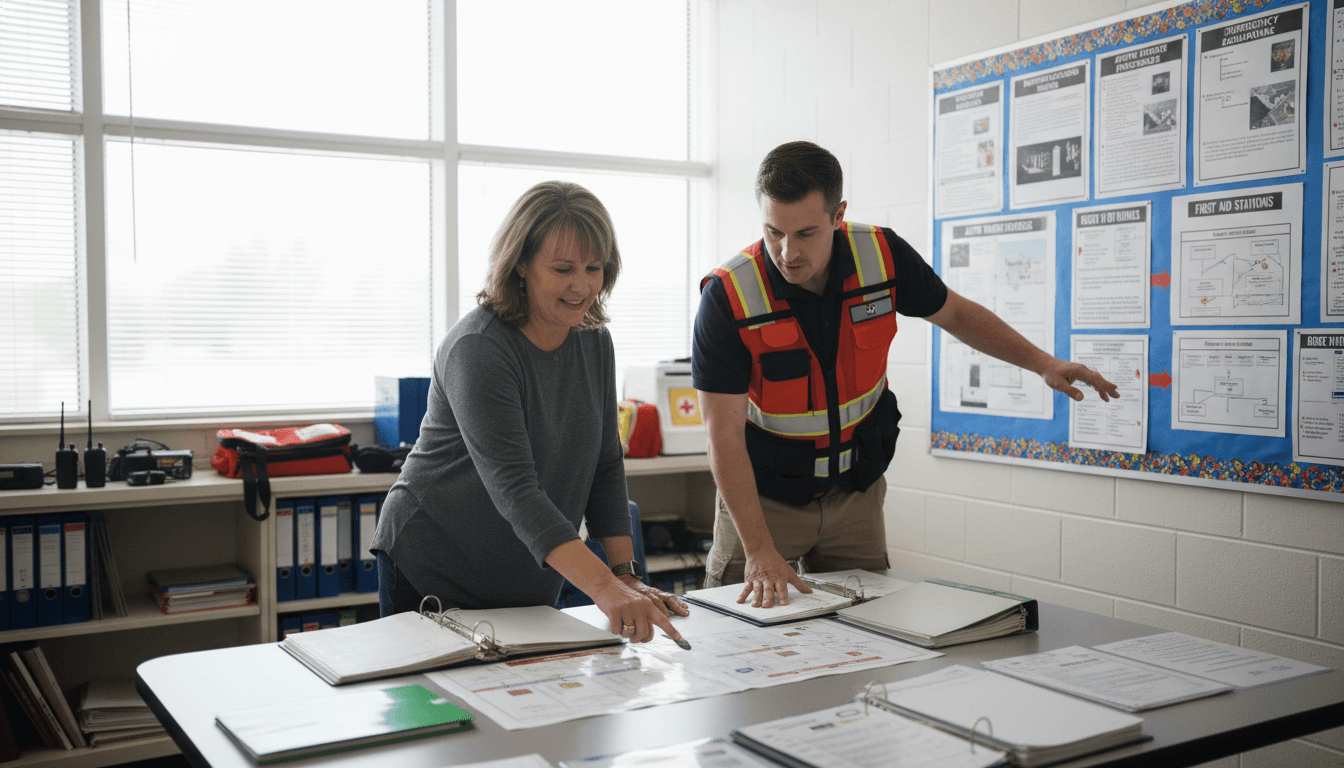
School Violence Prevention Newsletter: Communicating Prevention Culture Without Creating Fear
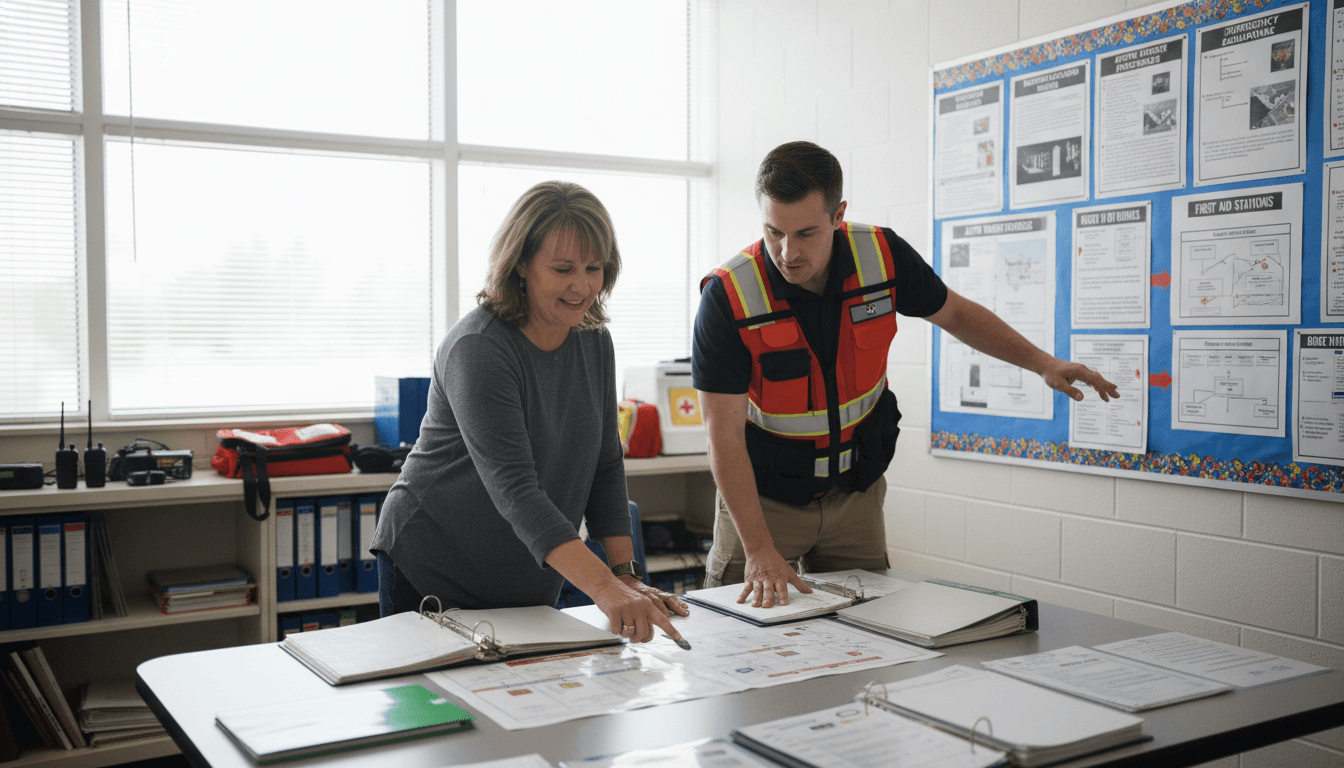
School violence prevention communication exists in a specific tension: it must be serious enough to motivate reporting and engagement, but measured enough that it does not amplify the anxiety that makes the school community feel unsafe. Most schools err in one direction or the other. They either communicate too little and miss prevention opportunities, or they communicate in ways that make every student and family member feel like a threat is imminent.
Effective violence prevention communication builds a culture of safety rather than a culture of fear.
Prevention Culture vs. Fear Culture
A culture of safety is one where community members feel confident in the school's systems, know what to do when they see something concerning, and believe that reporting leads to genuine support for struggling students. A culture of fear is one where community members are alert to threats without having any mechanism for addressing them and feel that violence is both likely and poorly managed.
The difference between these two cultures is largely built through communication. Schools that regularly describe their prevention infrastructure in concrete terms build confidence. Schools that communicate only reactively, after incidents, build fear.
Describing Prevention Systems
Name the prevention systems the school has in place: a trained threat assessment team, a counseling staff, a mental health partnership, an anonymous reporting system, restorative practices, and positive behavior programs. Families who know these systems exist feel safer than families who have no visibility into what the school is doing.
What to Ask Families to Report
Be specific about warning signs. Families who receive vague guidance ("report anything concerning") do not know what to report. Families who receive specific behavioral indicators, social changes, and communication patterns that warrant a report can identify concerning situations accurately.
Addressing National News
When school violence is in national news, families want to hear from their school. A proactive newsletter that says "you may have seen news about a school incident in another state. Here is what our school does to maintain safety" is more reassuring than silence while families wonder whether to send their children to school.
Get one newsletter idea every week.
Free. For teachers. No spam.
Frequently asked questions
How do you write about violence prevention without alarming families?
Focus on what the school is doing rather than on what it is preventing. A newsletter built around 'here are our prevention programs, here is how we build a safe culture, here is how to report a concern' is action-oriented and confidence-building. A newsletter built around threat scenarios is alarming. The same information, framed differently, produces entirely different family responses.
What violence prevention programs are worth communicating about?
Threat assessment teams, positive behavioral interventions and supports, restorative practices, mental health screening programs, and anonymous tip lines are all worth naming. Families who know these systems exist feel more confident in the school's safety approach than those who have no visibility into prevention infrastructure.
What warning signs should schools ask families to report?
Significant changes in behavior or mood, social withdrawal, expressions of hopelessness or worthlessness, preoccupation with violence or weapons, explicit or implicit threats, and sudden changes in peer groups. The newsletter should emphasize that reporting these signs is an act of concern for a struggling student, not an accusation.
How often should schools communicate about violence prevention?
Once a year as part of the annual safety communication calendar, with additional touches when national news brings school violence into public conversation. Reactive communication that is not grounded in the school's specific prevention work is less useful than a planned communication that builds on consistent messaging.
How does Daystage help with violence prevention communication?
Principals use Daystage to send annual violence prevention newsletters with a consistent format that presents the school's prevention infrastructure clearly and gives families specific actions they can take to support a safe school community.

Adi Ackerman
Author
Adi Ackerman is a former classroom teacher and curriculum writer with 8 years in K-8 schools. She writes about school communication, parent engagement, and what actually works in real classrooms.
More for School Safety
School Anonymous Tip Line Newsletter: Getting Students and Families to Actually Use It
School Safety · 5 min read
School Field Trip Safety Newsletter: What Families Need to Know Before Students Leave Campus
School Safety · 5 min read
School Safety Audit Newsletter: Communicating Audit Findings and Improvement Plans to Families
School Safety · 6 min read
Ready to send your first newsletter?
3 newsletters free. No credit card. First one ready in under 5 minutes.
Get started free