
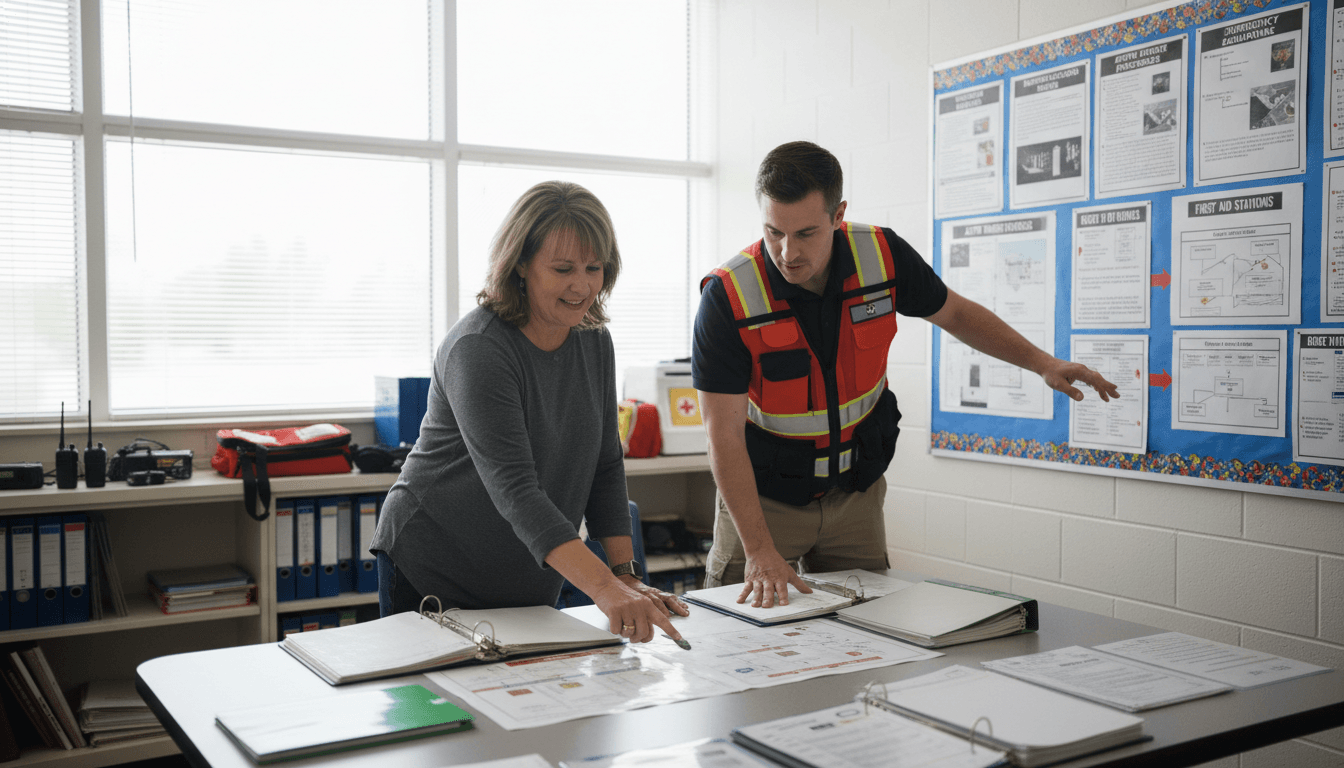
Threat Assessment Communication Newsletter: What Families Need to Know About School Threat Reporting
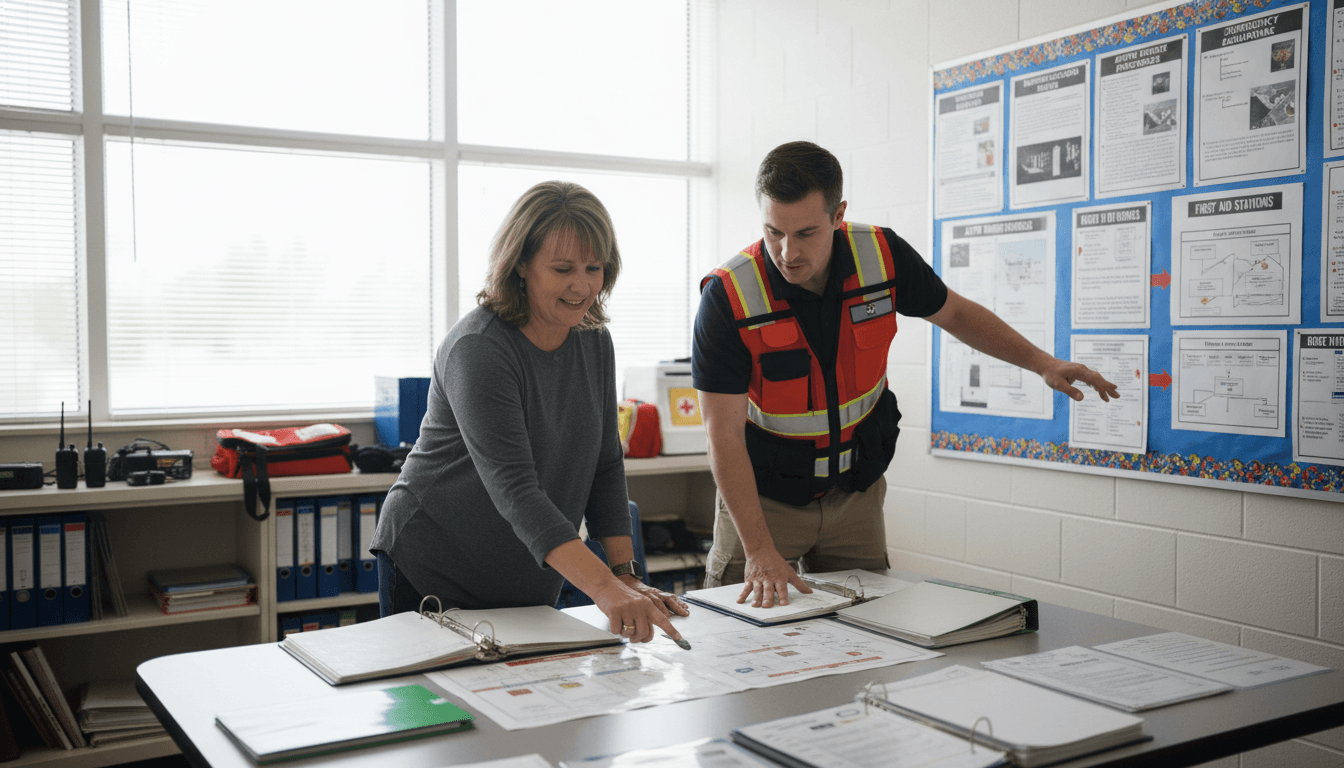
Most acts of targeted school violence are preceded by warning signs. In the majority of cases, someone in the school community knew something was wrong. The gap between knowing and reporting is where prevention fails. Communication that builds a culture of reporting is one of the most important things a school can do to reduce the risk of violence.
Why Students Do Not Report
Research consistently shows that the biggest barriers to student reporting are fear of being wrong, fear of social consequences, and uncertainty about who to tell and what will happen. Each of these is addressable through communication.
A newsletter that directly names these barriers and addresses each one is more effective than a general "if you see something, say something" message that provides no guidance about what actually happens when someone reports.
What Families Should Know About Reporting
Name the reporting mechanism clearly. Anonymous tip line, school counselor, online reporting form, or direct contact with the principal. Many families assume reporting means confronting someone directly or filing a formal complaint. Explaining that concerned reports are confidential and handled by a trained team removes that barrier.
Explain what happens after a report. A trained team reviews it. They determine whether it requires action. They provide support to students who need it. They take protective action if warranted. The reporter is not responsible for determining whether the concern is serious. That is the team's job.
Protecting Privacy While Building Trust
One of the reasons families do not report concerns is fear that their child will be identified as the reporter. Communicate confidentiality protections clearly. What the school does to protect reporter identity. The limits of that protection (in some circumstances, maintaining confidentiality is not possible). The fact that reporting is an act of care, not accusation.
After an Incident Communication
When the school has conducted a threat assessment and taken action, families often become aware through student conversation before official communication arrives. A prompt, factual newsletter that acknowledges the situation, confirms that the school responded, and points to support resources is better than silence that leaves families filling in gaps with speculation.
Get one newsletter idea every week.
Free. For teachers. No spam.
Frequently asked questions
What should families know about the school's threat assessment process?
Families should know that the school has a team trained to assess reported concerns, how to report a concern (specific contact or reporting system), that reports can be made confidentially, and what happens after a report is made. Families should not know the specific assessment criteria or procedures, which are operational and could be gamed if publicly known.
How do you encourage students and families to report concerns without causing panic?
Normalize reporting as a normal part of school safety. 'If you see or hear something that worries you about a student's safety, tell a trusted adult or use the reporting system. You will not be in trouble for reporting. Most reports turn out to involve a student who needs support, not a student who is a threat.' This framing encourages reporting by addressing the two biggest barriers: fear of being wrong and fear of getting someone in trouble.
How do you communicate about threat assessment after an incident has occurred?
Acknowledge that an assessment was conducted, that the school took it seriously, that appropriate action was taken, and that support resources are available. Do not name the student, describe the specific concern, or detail the resolution. Privacy protections apply to both the reporting student and the assessed student.
What is the most common gap in school threat assessment communication?
Families and students often do not know that a reporting system exists or how to access it. A newsletter that specifically names the reporting mechanism and how to use it addresses the most practical barrier to reporting.
How does Daystage support threat assessment communication?
Safety coordinators use Daystage to send annual threat assessment awareness newsletters and update families when reporting systems or processes change. The consistent format ensures that every family in the school receives the same clear information about how to report a concern.

Adi Ackerman
Author
Adi Ackerman is a former classroom teacher and curriculum writer with 8 years in K-8 schools. She writes about school communication, parent engagement, and what actually works in real classrooms.
More for School Safety
School Climate and Safety Survey Newsletter: Communicating Survey Findings and Building Trust
School Safety · 5 min read
School Knife and Weapon Policy Newsletter: What Families and Students Need to Understand
School Safety · 5 min read
School Resource Officer Newsletter: Introducing SRO Programs and Building Community Trust
School Safety · 6 min read
Ready to send your first newsletter?
3 newsletters free. No credit card. First one ready in under 5 minutes.
Get started free