
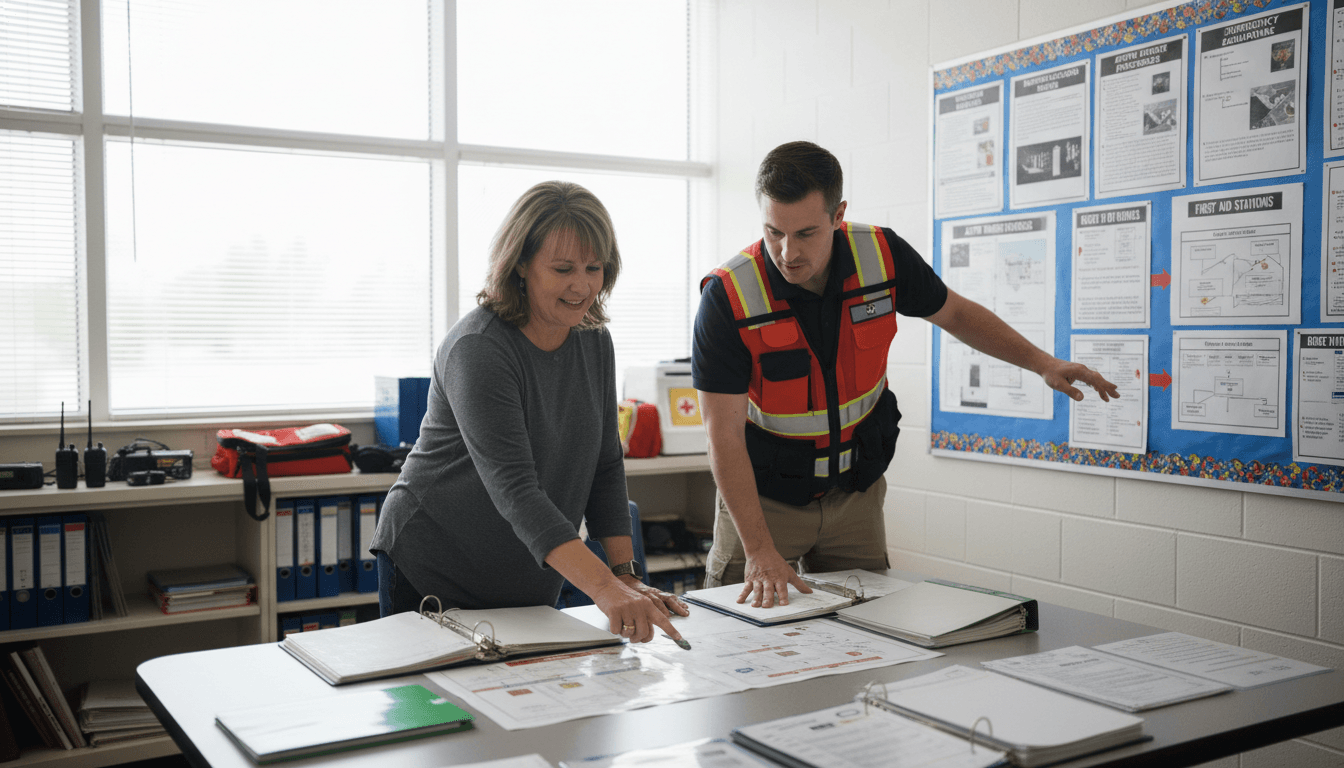
School Safety Audit Newsletter: Communicating Audit Findings and Improvement Plans to Families
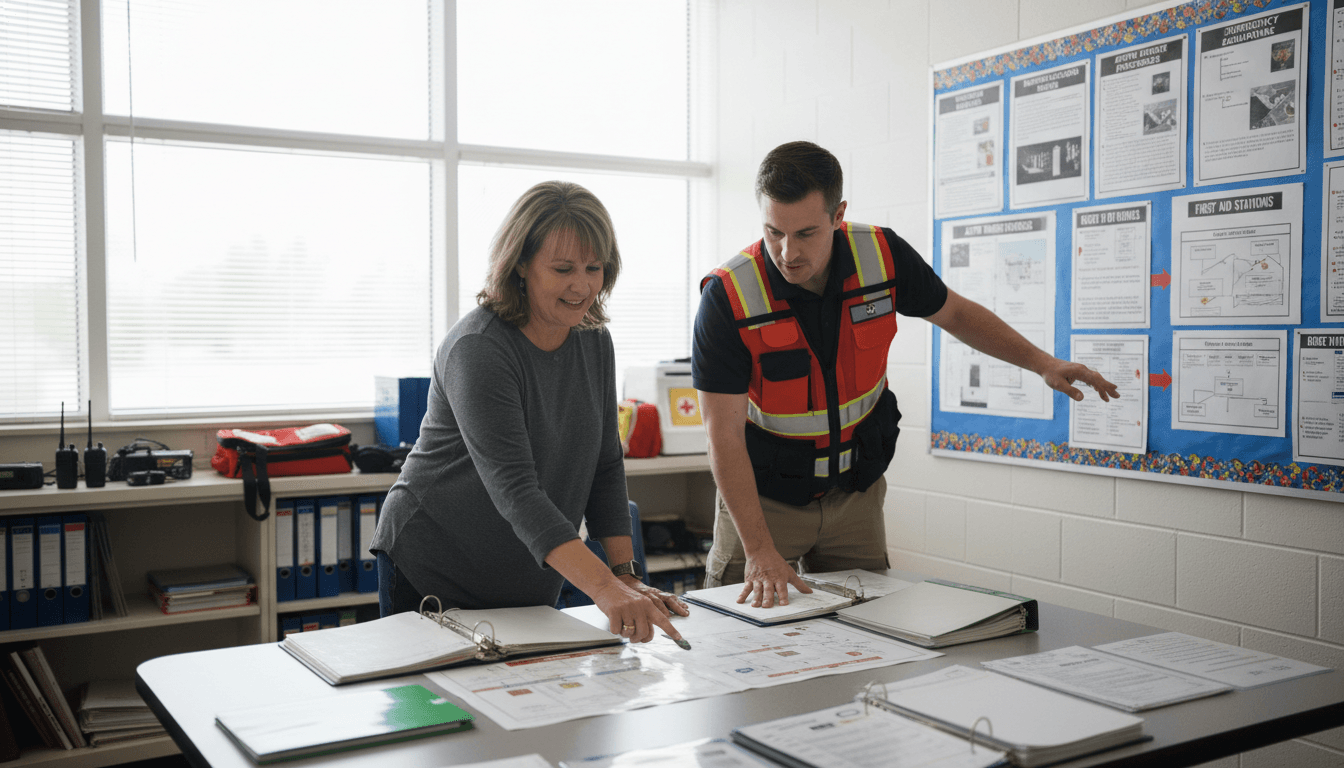
Schools conduct safety audits to identify gaps and improve preparedness. But the audit findings often go directly into the emergency operations plan and never reach families. Families who are aware that their school undergoes regular safety review feel more confident about their child's safety than families who have no visibility into the school's safety assessment process.
What Families Should Know About the Audit Process
Explain that the school conducts a formal safety audit on a regular schedule, who conducts it (internal staff, district safety team, or independent security consultant), what areas are reviewed, and what the school does with the findings. Families who understand the audit process view safety communication with more trust.
The General Findings Summary
After each audit, share a brief summary of general findings. Strength areas: what the audit confirmed is working well. Improvement areas: what the audit identified as needing attention, described in terms of the improvement plan rather than the specific gap.
"Our audit confirmed strong performance in visitor access control, emergency drill compliance, and staff crisis training. It identified opportunities to improve afternoon supervision at secondary exits and to update our family emergency communication protocol. Both improvements are underway." This communicates the substance of the audit without disclosing operational vulnerabilities.
The Improvement Plan
Name specific improvements, who is responsible, and the target timeline. Families who see an improvement plan with specific commitments trust that the audit is driving action. Families who see a summary of problems without a plan see an audit that justifies budget requests without changing practice.
Ongoing Review
Explain that safety planning is an ongoing process, not a periodic event. Describe how the school incorporates safety improvements throughout the year and how the annual internal review connects to the formal periodic audit.
Get one newsletter idea every week.
Free. For teachers. No spam.
Frequently asked questions
Should schools share safety audit results with families?
Yes, in a summarized form that describes overall findings and the improvement plan without disclosing specific vulnerabilities that could be exploited. Families deserve to know that the school conducted an audit, what it found in general terms, and what the school is doing to address findings. The detailed operational findings stay in the internal safety plan.
What from a safety audit should not be shared publicly?
Specific physical vulnerabilities like entry points that are not covered by cameras, specific gaps in monitoring procedures, or detailed descriptions of security system weaknesses. These details are operationally sensitive. Sharing them publicly in a newsletter makes the school less safe, not more transparent.
How do you communicate that an audit found serious gaps without alarming families?
Frame the finding in terms of the improvement plan. 'Our audit identified that our secondary entrance was not consistently monitored during afternoon dismissal. We have addressed this by adding a staff member to that post daily from 2:30 to 3:15 pm and upgrading the camera coverage' is better than 'our audit found a significant security gap at the secondary entrance.' The improvement plan transforms a vulnerability into a resolved issue.
How often should schools conduct safety audits and communicate about them?
Most school safety experts recommend a formal audit every two to three years, with an internal review annually. Communicate publicly after each formal audit and whenever the audit findings lead to significant changes families will notice.
Does Daystage help with safety audit communication?
Yes. Safety coordinators use Daystage to send post-audit summary newsletters with a consistent format that builds family confidence in the school's safety review process. The structured format separates the summary of findings from the improvement plan clearly.

Adi Ackerman
Author
Adi Ackerman is a former classroom teacher and curriculum writer with 8 years in K-8 schools. She writes about school communication, parent engagement, and what actually works in real classrooms.
More for School Safety
School Anonymous Tip Line Newsletter: Getting Students and Families to Actually Use It
School Safety · 5 min read
School Field Trip Safety Newsletter: What Families Need to Know Before Students Leave Campus
School Safety · 5 min read
School Safety Newsletter Guide: What Principals and Safety Coordinators Should Be Communicating All Year
School Safety · 7 min read
Ready to send your first newsletter?
3 newsletters free. No credit card. First one ready in under 5 minutes.
Get started free