
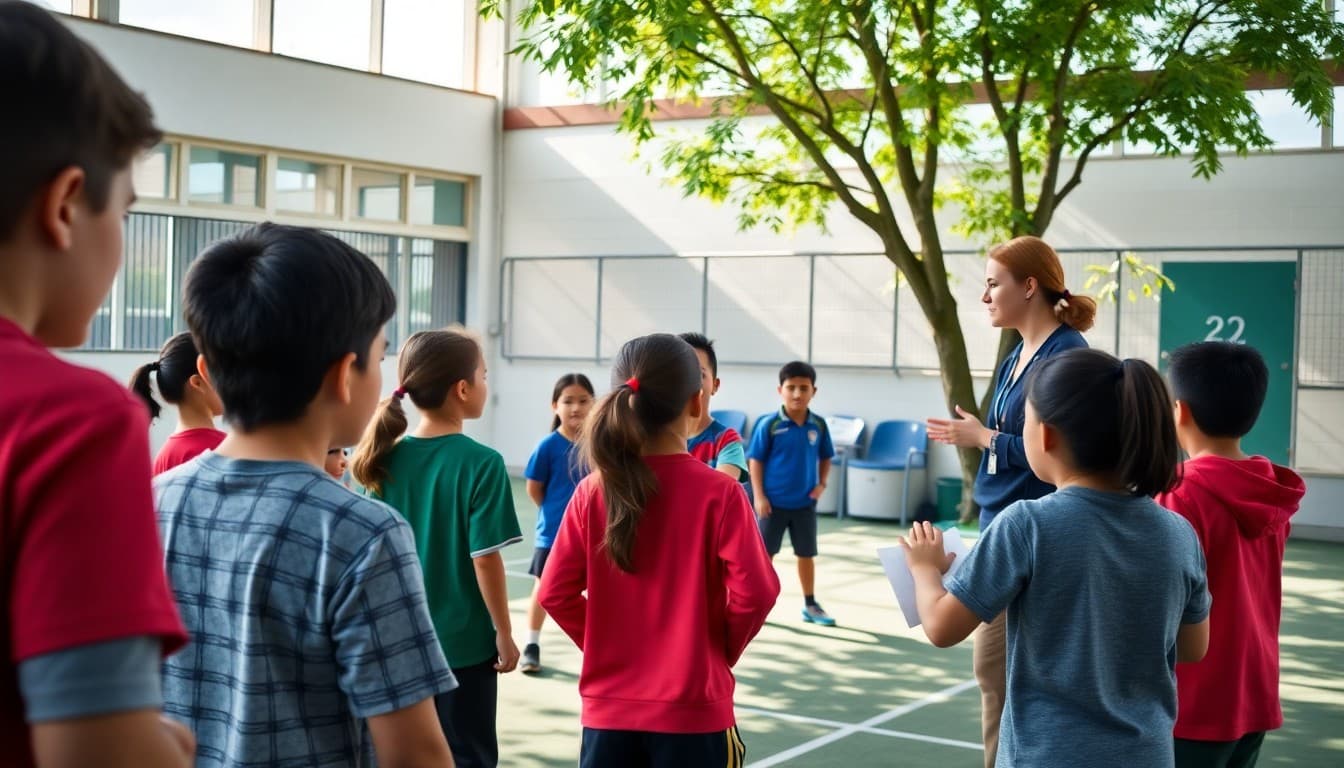
Teacher Newsletter for PE Class: What Families Need to Know About Physical Education
Physical Education Is Academic, Not Just Athletic
PE is sometimes treated as a break from academic learning, but physical education at its best teaches health literacy, movement competency, fitness principles, teamwork, and the lifelong habit of physical activity. A newsletter that explains the academic dimensions of PE, what health concepts students are learning, what motor skills they are developing, and what fitness principles underlie the programming, helps families see it as a course worth engaging with rather than a scheduling requirement.
What the PE Program Covers This Semester
PE programs are organized around units just like academic classes. A semester might include units on cardiovascular fitness, team sports, individual lifetime activities like tennis or swimming, dance or movement arts, and health concepts like nutrition and injury prevention. A newsletter that describes the units for the semester and explains what students will develop in each one gives families the overview they need to understand why their student is playing volleyball one week and doing yoga the next.
Fitness Standards and Personal Goals
Many PE programs include fitness assessments that measure cardiovascular endurance, muscular strength, flexibility, and body composition against age-referenced standards. A newsletter that explains how these assessments are used, as tools for personal goal-setting rather than competitive ranking, and describes how students set and track their own fitness goals during the semester helps families understand that PE is measuring progress toward personal standards rather than comparing students to each other.
Equipment and Dress Requirements
Being unprepared for PE, whether because of wrong shoes, no water bottle, or missing athletic clothing, prevents a student from fully participating and may affect their grade. A newsletter that states the requirements specifically, explains why each is required, and tells families what to do if a student forgets their equipment on a given day prevents the misunderstanding and frustration that comes when requirements are discovered only after a student is marked unprepared.
Medical Accommodations and Modified Participation
Students with injuries, medical conditions, or temporary health limitations can often still participate in PE in modified ways. A newsletter that explains how medical accommodation works, what documentation is required, and how the teacher works with students who have restrictions ensures families know there is a path to continued PE participation rather than full excuse from class. Students who participate in a modified form learn more and develop better habits than those who sit out entirely.
Extending PE to Family Physical Activity
The habits PE aims to build, daily physical activity, body awareness, enjoyment of movement, are most durable when families reinforce them outside school. A newsletter that suggests specific family activities connected to the current PE unit, a walk after dinner during a cardiovascular unit, a backyard game during a team sport unit, stretching together in the morning during a flexibility unit, transforms PE content into family engagement rather than leaving physical activity entirely within the school day.
PE Communication Through Daystage
PE teachers who use Daystage to communicate about the program give families a clear picture of the academic, physical, and health goals the course is working toward. Regular PE newsletters bridge the gap between what students experience in the gym and what families can support and reinforce at home.
Get one newsletter idea every week.
Free. For teachers. No spam.
Frequently asked questions
What should a PE overview newsletter include?
A PE overview newsletter should describe the units and activities planned for the semester, explain the fitness standards and skills being developed, name what students need to wear and bring to class, describe how PE is graded and what participation expectations look like, address how medical accommodations work, and give families specific ways to support physical activity and healthy habits at home alongside the school program.
How is physical education graded and what should families know about participation grades?
PE grading typically includes components for effort and participation, skill development and demonstrated competency, fitness assessment performance, and sometimes written work on health and fitness concepts. A newsletter that explains what each component involves and how it is weighted helps families understand that PE grades reflect more than athletic ability. Students who demonstrate effort, sportsmanship, and engagement in learning physical skills earn strong grades even if natural athleticism is not their strength.
What should students wear and bring to PE class?
Most PE programs require athletic shoes with rubber soles (no slip-on shoes or open-toed footwear), athletic clothing that allows free movement, and a water bottle. Some programs require a change of clothes or a specific uniform. A newsletter that states the requirements clearly and explains why each requirement exists, rubber-sole shoes for grip and safety, water for hydration during activity, prevents the confusion that leads to students arriving unprepared on the days they participate in physical activity.
How should families handle a student who wants to avoid PE due to self-consciousness or past negative experience?
PE reluctance often comes from past negative experiences with competitive sports, body self-consciousness, or coordination anxiety. A newsletter that describes the class culture, emphasizing that PE focuses on personal improvement and lifelong fitness skills rather than athletic competition, reassures both students and families. Families who reinforce this framing at home help students approach PE differently than those who inadvertently validate the avoidance.
What tool helps PE teachers send newsletters efficiently?
Daystage is built for school communication. PE teachers use it to send formatted overview newsletters with unit descriptions, participation requirements, equipment guidelines, and family fitness suggestions directly to parent email lists.

Adi Ackerman
Author
Adi Ackerman is a former classroom teacher and curriculum writer with 8 years in K-8 schools. She writes about school communication, parent engagement, and what actually works in real classrooms.
More for Subject Teachers
Teacher Newsletter for Music Class Performances: Preparing Families for Concerts and Recitals
Subject Teachers · 6 min read
Teacher Newsletter for Art Class Supplies: What Families Need to Know About Materials and Costs
Subject Teachers · 6 min read
Teacher Newsletter for Unit Introductions: How to Launch Every New Unit With Family Communication
Subject Teachers · 6 min read
Ready to send your first newsletter?
3 newsletters free. No credit card. First one ready in under 5 minutes.
Get started free