

Teacher Newsletter for Art Class Supplies: What Families Need to Know About Materials and Costs
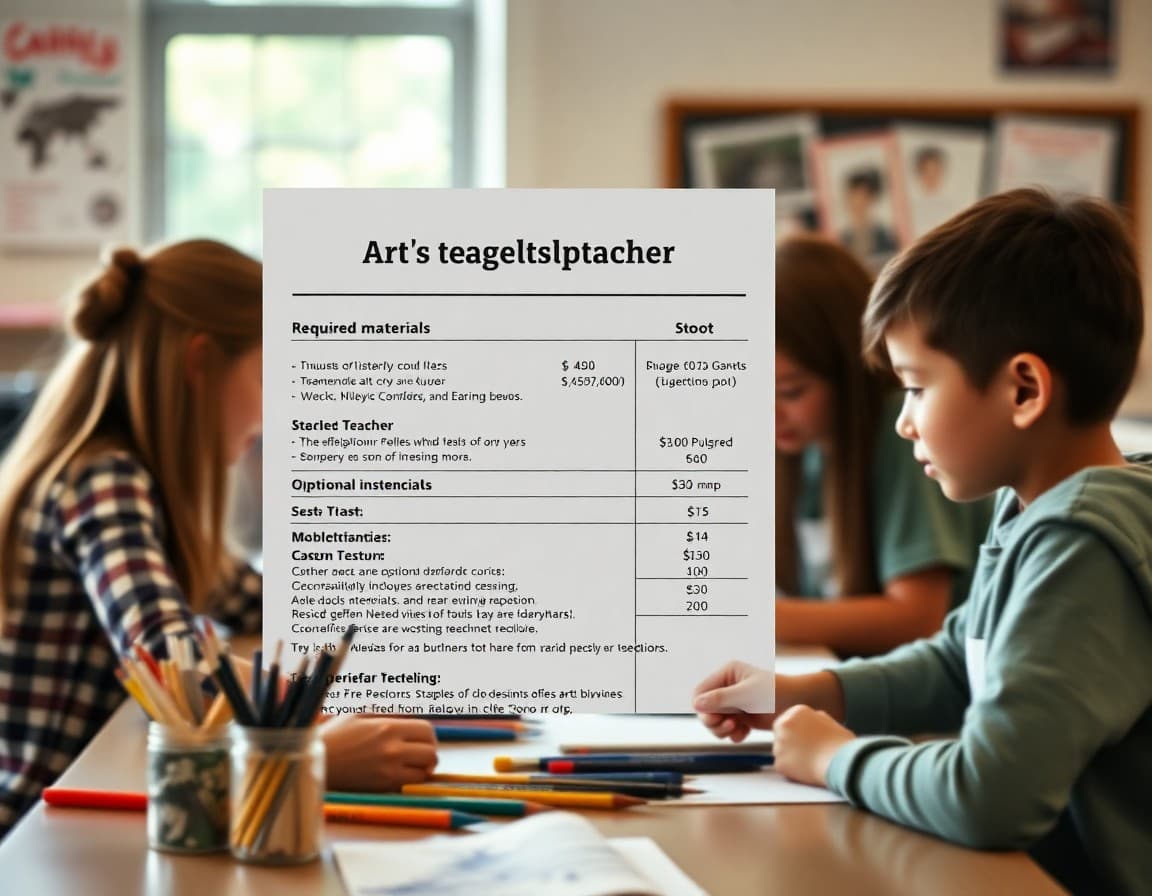
Art Supplies Are Educational Materials, Not Extras
Families who receive a supply list from an art teacher sometimes experience it as an unexpected cost rather than as a necessary part of the course. A newsletter that explains why specific materials are required for specific techniques and what students will be learning to do with each material transforms the supply list from a request into a curriculum document. A student who owns a set of quality colored pencils is learning with the same tools a professional illustrator uses. A student who owns a sketchbook has a creative practice space that lasts beyond the class period.
What the School Provides and What Students Need to Bring
School-provided materials typically include equipment like easels, printing presses, and kilns, and shared consumables like acrylic paints and clay. Materials that are personal, like sketchbooks and specific drawing tools, are often most effective when individually owned. A newsletter that clearly separates the provided list from the requested list prevents the confusion that leads some families to purchase materials the school will supply and other families to assume the school will provide everything.
What Each Material Is Used For
A supply list with no explanation is a less compelling request than a supply list that connects each material to the specific skill or project it supports. "A 9x12 sketchbook with 90-pound paper is needed for this semester's drawing and watercolor units because lighter paper buckles when wet" is more useful than "sketchbook required." Families who understand why each material is on the list are more likely to purchase the right item rather than a substitution that will not work as intended.
Budget-Friendly Options and Substitutions
Art supplies range dramatically in quality and price. A newsletter that names acceptable budget-friendly alternatives for each item, or identifies which items are worth investing in versus which generic versions work just as well, helps families make informed purchases without overspending. Knowing that student-grade acrylic paints work for the course but professional-grade are not required, or that a $4 sketchbook from a craft store is adequate, makes the supply list less intimidating for families with tighter budgets.
Financial Assistance for Supply Costs
Some families face genuine financial barriers to purchasing art materials. A newsletter that mentions any available assistance, whether the school has a supply fund, whether community donations cover some materials, or whether the teacher can be contacted directly about any student who needs support, ensures that supply cost does not become a barrier to art participation. Naming this option discreetly in the newsletter is more effective than requiring families to ask individually.
Supporting Art Practice at Home
The most significant thing families can do to support an art student beyond purchasing supplies is to treat art practice at home with the same seriousness as math homework. A quiet space, time to work, and genuine interest in what the student is making all contribute to artistic development. A newsletter that suggests specific home practice activities, whether observational drawing, experimenting with the new technique introduced in class, or filling a sketchbook page daily, gives families a concrete way to support the work between class sessions.
Art Supply Communication Through Daystage
Art teachers who use Daystage for supply newsletters give families clear, purposeful information that turns a materials request into an educational conversation. Regular communication about what students are making and what they need to make it builds the family engagement that art education benefits from throughout the year.
Get one newsletter idea every week.
Free. For teachers. No spam.
Frequently asked questions
What should an art supplies newsletter include?
An art supplies newsletter should specify exactly which materials are required for the current or upcoming unit, distinguish between materials the school provides and those students need to bring, give price range guidance and suggested sources for purchasing materials, explain what substitutions are acceptable when specific brands are not available, and name any financial assistance the school can provide for families who need it.
Why do art teachers often ask students to bring their own materials?
School art supply budgets are often limited, and individual-use materials like sketchbooks, personal brushes, and drawing pencils are more practical and hygienic when owned individually rather than shared. Art materials that belong to the student also travel home, allowing students to continue practicing outside class. A newsletter that explains the reasoning behind the supply request helps families understand the educational purpose rather than seeing the request as a budget transfer.
What is the most essential art supply for most school art courses?
A sketchbook is the single most important personal supply for most art courses. The sketchbook is where students develop ideas, practice techniques, and build the visual vocabulary that feeds into finished work. A sketchbook that the student owns and takes home becomes a private creative space and a record of growth over the course. A newsletter that explains what size and paper weight work for the current unit's media helps families purchase something that will serve their student well.
How can families support art practice at home without a full supply budget?
Art practice at home does not require expensive materials. A regular pencil, any kind of paper, and the habit of observational drawing are sufficient for most foundational practice. Families who provide a sketchbook and encourage their student to draw one thing from observation each day support art development at essentially no cost. A newsletter that names this practice option respects the range of family financial situations while making home art practice accessible to everyone.
What tool helps art teachers send supply newsletters efficiently?
Daystage is built for school communication. Art teachers use it to send formatted supply request newsletters with itemized materials lists, cost guidance, and financial assistance information directly to parent email lists.

Adi Ackerman
Author
Adi Ackerman is a former classroom teacher and curriculum writer with 8 years in K-8 schools. She writes about school communication, parent engagement, and what actually works in real classrooms.
More for Subject Teachers
Teacher Newsletter for Music Class Performances: Preparing Families for Concerts and Recitals
Subject Teachers · 6 min read
Teacher Newsletter for Project Rubrics: How to Share Grading Criteria With Families Before a Project Begins
Subject Teachers · 6 min read
Teacher Newsletter for Unit Introductions: How to Launch Every New Unit With Family Communication
Subject Teachers · 6 min read
Ready to send your first newsletter?
3 newsletters free. No credit card. First one ready in under 5 minutes.
Get started free