

November Reading Class Newsletter: What We Are Learning
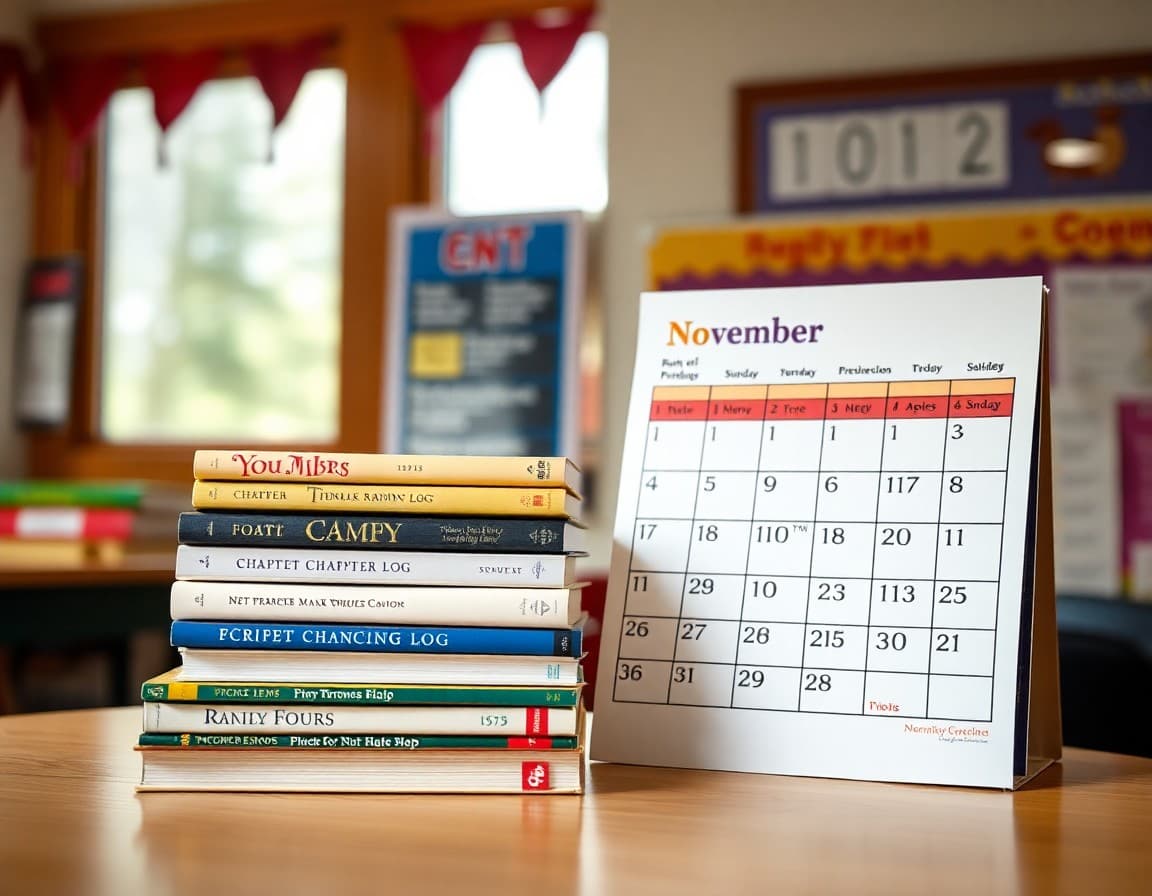
November is a month of competing demands. Report cards may be going home, parent-teacher conferences are wrapping up or just starting, and the holidays are close enough to distract students from serious work. At the same time, November is a rich month for reading instruction. A clear newsletter keeps parents connected to what is happening academically, even as family schedules get complicated.
Open With a Progress Note
Start by briefly naming the reading growth you have seen since September. Not a full assessment report, just a sentence or two about what the class can do now that they could not do in September. Parents who hear specific evidence of progress feel confident in the classroom, which makes every other part of the newsletter easier to deliver.
Name the November Comprehension Focus
Tell parents what reading skill is at the center of instruction this month. Whether that is point of view, synthesizing information across texts, analyzing character change, or evaluating an author's argument, name it specifically and describe what skilled practice looks like. "Understanding point of view means students can read the same scene written by two different characters and explain why each account differs."
Describe the Texts Students Are Working With
Name what students are reading and why. If you are using a class novel, short story set, or nonfiction articles, tell parents the title and one sentence about why you chose it. When families know the reading material, they can connect to it at home and ask meaningful questions.
A Template Excerpt for November
Here is a section to adapt:
"This month we are working on point of view. Students are reading two different accounts of the same historical event and asking: whose perspective is represented, and whose is missing? That critical lens is at the heart of strong reading in any subject. In our class novel, we are also tracking how the narrator's understanding shifts chapter by chapter. Ask your child this week: who is telling the story, and do you trust them? The conversation that follows will be worth having."
Address Report Cards or Grades
If report cards go home in November, use your newsletter to contextualize the reading grade. Explain briefly how you assess reading, what the marks mean, and what a family should do if they are concerned. An informed parent handles a difficult grade more productively than a surprised one.
Keep Home Reading Strong Before the Break
Tell parents that the three weeks before winter break are not a coast-out period. November is one of the best months to push reading stamina because kids can sustain longer texts with fewer interruptions than they will have in December. Suggest that families protect their evening reading routine and not let it slip as holiday activities ramp up.
Recommend One Book for Thanksgiving Break
If your school has a Thanksgiving break, suggest one strong title a child could start or finish during that time. A specific recommendation with a one-sentence reason is far more useful than "encourage your child to read over the break."
Close With an Invitation to Connect
November is conference season for many schools. End your newsletter by inviting parents who want to discuss their child's reading progress to reach out or schedule time to talk. If conferences have already happened, remind families of your regular contact method and office hours.
Get one newsletter idea every week.
Free. For teachers. No spam.
Frequently asked questions
What should I include in a November reading newsletter?
Cover the current comprehension skill, what students are reading, any assessments or reading conferences coming before winter break, and a suggestion for keeping reading going through Thanksgiving. November is also a good month to share specific titles for family reading time, since many families are looking for book recommendations for the holiday season.
How do I talk about report cards in my November reading newsletter?
If grades come home in November, use your newsletter to explain what reading grades reflect. Are they based on comprehension assessments, reading fluency, written responses to text, or participation in discussion? Parents who understand how grades are determined interpret them more accurately and bring more useful questions to parent-teacher conferences.
Should I recommend Thanksgiving-themed books in my November newsletter?
Only if you are reading them in class or they are genuinely good. A reading teacher who recommends one strong title with a brief reason why is more credible than one who shares a generic holiday reading list. If you are not doing seasonal books, skip it and focus on what you are actually teaching.
How do I address students who are significantly below grade level in a general newsletter?
Keep the newsletter general, but add a clear, warm invitation for parents of struggling readers to schedule a call. Something like: if you have specific questions about your child's progress this month, I would love to connect before the holidays. That targeted invitation works better than discussing individual challenges in a group newsletter.
What is a good way to send my November reading newsletter?
Daystage lets you write and send your newsletter to your class parent list in one place, without any email formatting or list management. You can update last November's template in about 15 minutes and send it in time for the first week of the month.

Adi Ackerman
Author
Adi Ackerman is a former classroom teacher and curriculum writer with 8 years in K-8 schools. She writes about school communication, parent engagement, and what actually works in real classrooms.
More for Subject Teachers
Ready to send your first newsletter?
3 newsletters free. No credit card. First one ready in under 5 minutes.
Get started free