
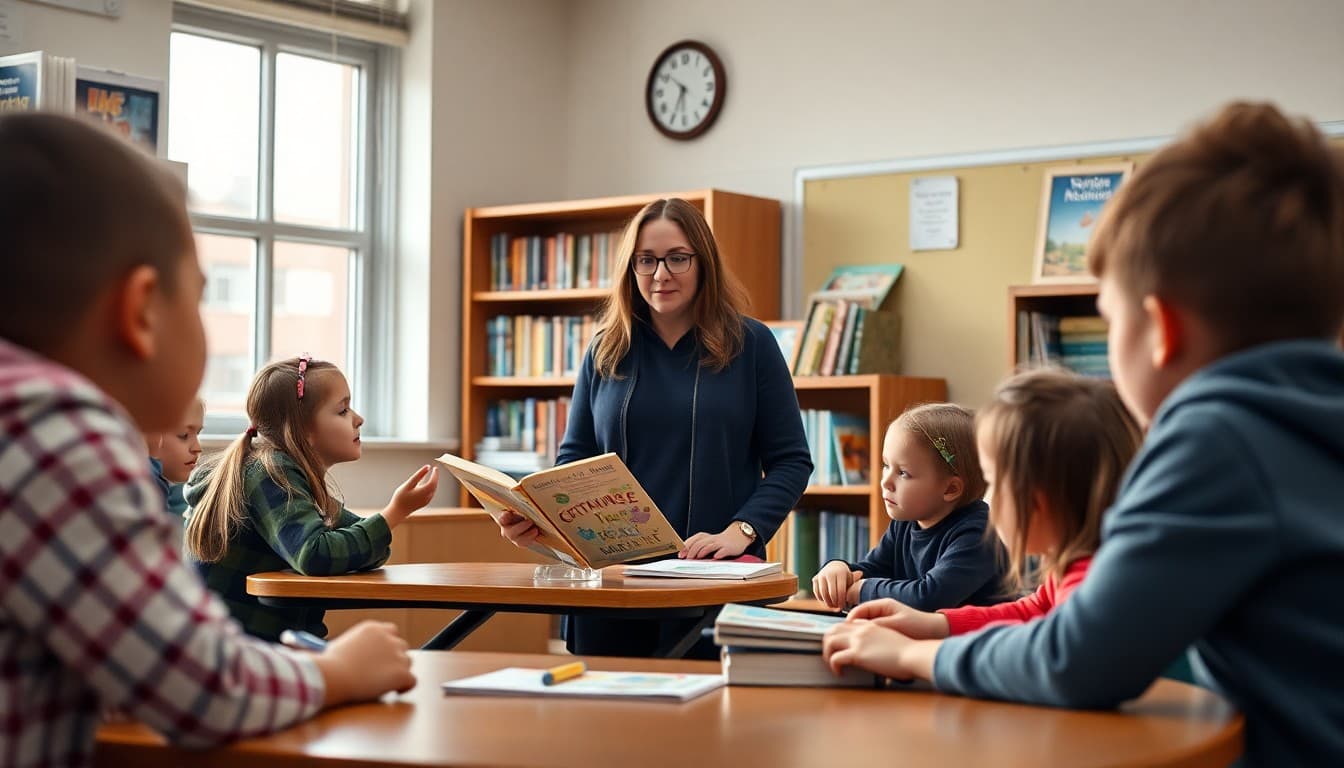
January Reading Class Newsletter: What We Are Learning

January reading instruction is a fresh start, but the students who walk back into your classroom are not the same readers they were in September. They have had two weeks of unstructured time, some read a lot, some read nothing, and most need a few days to rebuild focus and stamina. Your January newsletter sets the tone for the second semester, reminds families of the home reading routine, and gives parents a clear picture of what is ahead.
Acknowledge the Break Without a Long Introduction
One sentence is enough: "Welcome back, and I hope everyone had a restful winter break." Then move forward. Parents want information, not a paragraph of pleasantries. Starting with the content signal shows confidence and respects their time.
Name the January Skill and Why It Matters
Tell parents what you are focusing on this month and why it is the right skill to build now. If you are moving into informational text after a semester of fiction, explain that shift. "In January we are switching to nonfiction reading, because the skills for extracting information, identifying author's purpose, and reading charts and diagrams are different from fiction comprehension, and students need strong practice in both." That kind of explanation earns parent buy-in.
Describe What Students Are Reading
Name the texts or type of texts students will work with in January. If you are starting a class novel, share the title and a brief description. If students choose their own books for a genre study, describe the genre and give two or three example titles families could look for at the library. Concrete book information gives parents something to act on immediately.
A Template Excerpt for January
Here is a section to adapt:
"We are starting January with a nonfiction reading unit. Students will be reading short articles, feature pieces, and two longer texts about topics connected to our social studies curriculum. Our focus skill is understanding text structure: how authors organize informational writing using compare and contrast, cause and effect, problem and solution, and sequence. At home, try reading a news article or magazine piece together and asking your child: how did the author organize this? That one question builds exactly the skill we are developing."
Re-Establish the Home Reading Routine
January is the ideal time to reset home reading expectations. Remind families of your nightly reading expectation, the reading log if you use one, and what to do if their child has become resistant to reading. Offer one practical strategy: choosing books together at the library, using audiobooks alongside print for reluctant readers, or committing to a family reading time rather than individual reading.
Preview the Second Semester
Give parents a brief roadmap of what reading class will cover January through June. Name two or three major units or genres, any significant projects, and roughly when each will happen. Families who can see the whole arc feel more like partners in the learning journey.
Address Any New Classroom Expectations
If you are changing how reading groups work, adding book clubs, or shifting the format of homework in the second semester, say so now. January is the cleanest moment to introduce changes because parents expect a fresh start.
Close With an Invitation to Connect
End with your contact information and a specific invitation: "If you have questions about where your child is as a reader heading into the second semester, or if you would like suggestions for books at home, reach out anytime." Specific offers get more response than generic open doors.
Get one newsletter idea every week.
Free. For teachers. No spam.
Frequently asked questions
What should I cover in a January reading newsletter after winter break?
Acknowledge the break briefly, then move forward. Tell parents the new unit or skill you are starting, what books or texts students will be reading in the second semester, and how to re-establish the home reading routine if it slipped over the holidays. January is also a good time to remind families of the reading log expectations if you use one.
How do I address the reading slide after winter break?
Be practical rather than alarming. Note that most students need a few days to rebuild reading stamina and focus after two weeks away, and suggest a simple warm-up routine at home for the first week back. Pointing families to a familiar book or series the child already loves is often the fastest way to rebuild reading momentum.
Is January a good time to introduce new book choices or genres?
Yes. Many reading teachers use January as a fresh start for independent reading. If you are introducing a new genre study or book clubs, explain it in the newsletter. Parents who understand the structure can support their child's book selection and follow-through at home.
How do I preview the second semester in a reading newsletter?
Name two or three big reading skills or units coming between January and June. You do not need a full syllabus, just enough to help parents see the trajectory. Knowing that students will move from personal narrative reading to informational texts to argument writing helps families feel like partners in a plan.
What platform do reading teachers use for monthly newsletters?
Daystage is designed for this exact workflow. You write the newsletter, select your parent list, and send it in one place. Templates carry forward from year to year, so your January newsletter takes about 15 minutes to update and send each new school year.

Adi Ackerman
Author
Adi Ackerman is a former classroom teacher and curriculum writer with 8 years in K-8 schools. She writes about school communication, parent engagement, and what actually works in real classrooms.
More for Subject Teachers
Ready to send your first newsletter?
3 newsletters free. No credit card. First one ready in under 5 minutes.
Get started free