
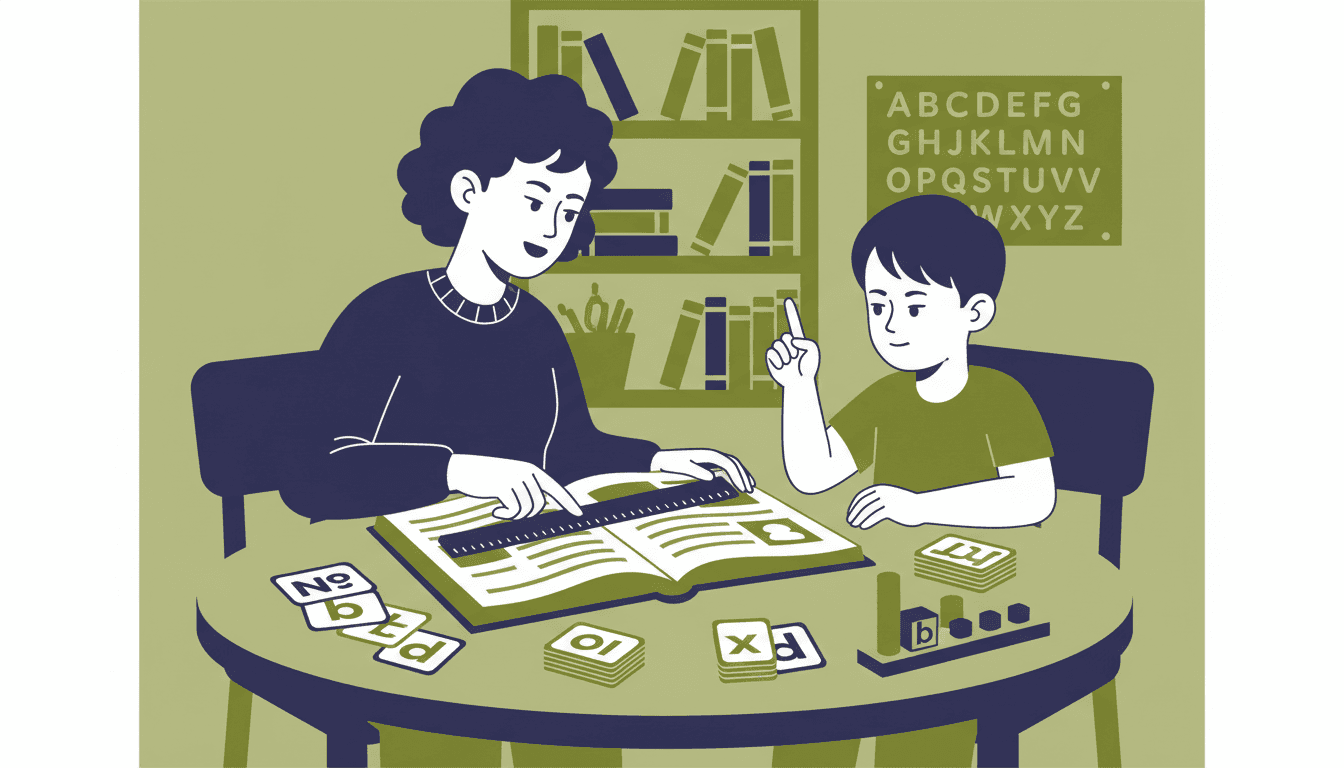
Reading Specialist Newsletter: How to Communicate Literacy Intervention With Families
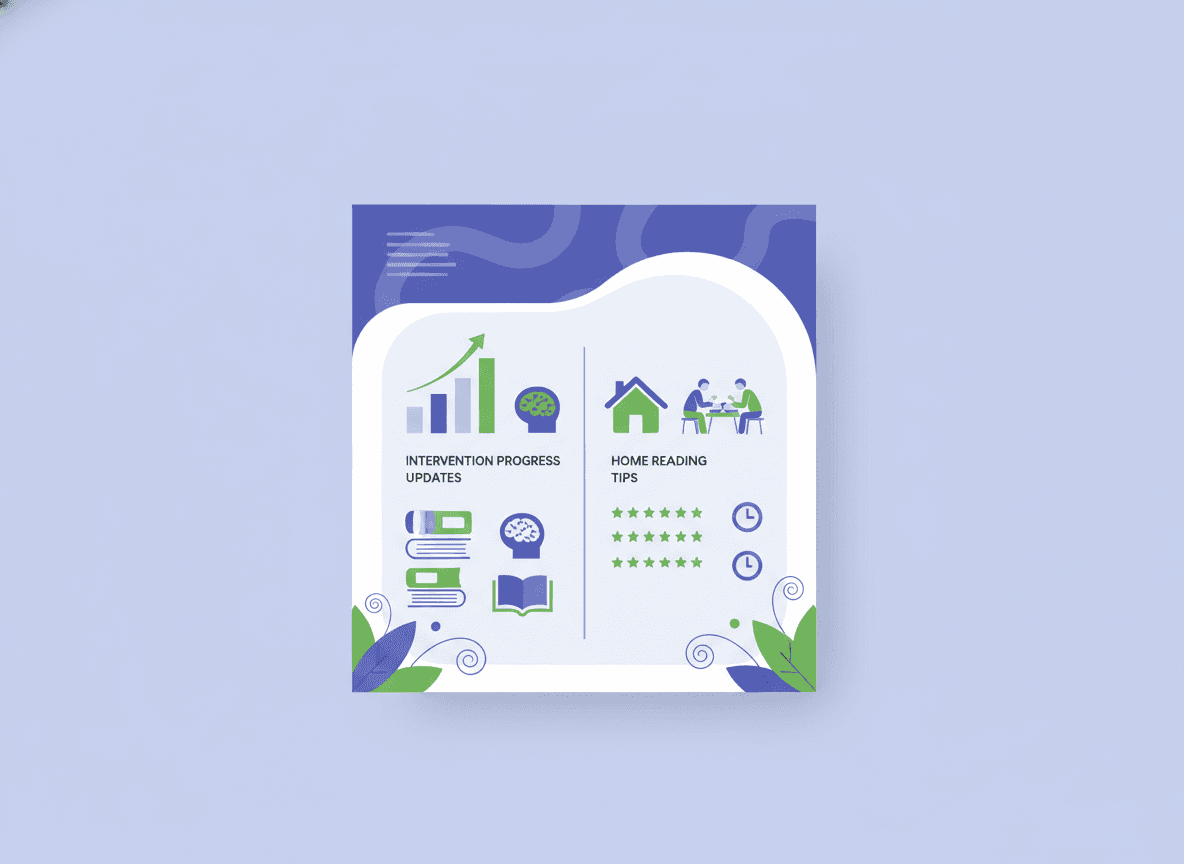
Reading specialists work with students who need the most support and with families who carry the most anxiety. A parent whose child is receiving reading intervention has real worries: Is my child falling behind? Will they catch up? What can I do at home? A thoughtful reading specialist newsletter addresses all of these questions, builds trust, and makes families genuine partners in the work.
This guide covers what to include in a reading support newsletter, how to communicate about intervention without stigma, and how to guide families toward home practices that actually help.
The stakes are higher for reading specialist communication
When a student is receiving extra reading support, the family is paying closer attention than almost any other group of parents in the school. They are worried. They read your communications carefully and sometimes anxiously.
This means that every word in your newsletter carries more weight than in a general classroom newsletter. Ambiguous language will be interpreted pessimistically. Vague progress reports will be assumed to mean no progress. Warm, specific, and honest communication is not just good practice. It is essential for maintaining the family partnership that makes your intervention work.
How often to send a reading specialist newsletter
Monthly newsletters to families of students in your caseload is the right cadence. Monthly is frequent enough to keep families informed and engaged without creating communication overload.
Some reading specialists send a brief bi-weekly or weekly note to families of students who are early in intervention or who have expressed high concern. That level of contact is valuable for building trust but requires a manageable format. A three-paragraph update is more sustainable than a full newsletter every two weeks.
What to include in a reading specialist newsletter
- What reading skills you are currently working on. Name the skill and explain it in plain language. "We are working on phonemic awareness: the ability to hear and manipulate individual sounds in words. This is the foundation for decoding, and it is where many early readers need the most support." That explanation helps families understand why you are doing what you are doing, rather than wondering why their child is still working on sounds when they seem to be reading books already.
- The intervention approach or program you use. If you use a structured literacy program, an Orton-Gillingham approach, a specific phonics sequence, or a fluency-based method, name it. Explain in one sentence what makes it effective for the students you serve. Families who know the name of the program can research it, feel confident in its research base, and use its terminology at home. That alignment between home and school is powerful.
- What progress looks like right now. Be careful here. You are writing a newsletter that may be read by multiple families, so you cannot describe individual student progress. Instead, describe what progress looks like at this stage of intervention generally. "Students who have been in intervention for four to six weeks typically begin to show more consistent sound-letter correspondence and take fewer guessing attempts when they encounter unfamiliar words." That framing is honest without being individual-specific.
- One specific home reading practice. This is the most valuable section for families. Give one concrete, specific thing families can do during home reading to support what you are working on in intervention. Not a vague "read together every night" suggestion, but something specific: "When your child gets stuck on a word, resist the urge to tell them the word immediately. Instead, ask: what sound does it start with? Cover up the end of the word and look at the first part. These prompts help your child use the decoding strategies we are practicing."
- What families should avoid. Families often inadvertently undermine intervention by doing what felt natural in their own reading experience. Telling a struggling reader to just skip hard words, or reading books that are too far above their level because they love the story, can work against the systematic skill-building happening in intervention. A brief note about what to avoid is as valuable as any tip about what to do.
Communicating about intervention without stigma
Students in reading intervention are sensitive to being singled out. Families are sensitive too. The newsletter should communicate urgency about the work without communicating shame about the need for it.
Language that works: "Students who receive extra reading support are getting more practice, more individualized attention, and a more explicit approach than is possible in a whole-class setting. That is a real advantage." That framing positions intervention as a resource, not a punishment.
Language to avoid: any framing that implies a student is behind, below, or failing. Describe where students are in terms of what they are building toward, not what they have not yet reached.
Read-aloud and home reading guidance
One of the most important things a reading specialist newsletter can do is remind families that reading aloud to children matters, even when children are struggling readers and even when they are old enough to read independently.
A parent reading a high-interest book aloud to a struggling third grader every night is not giving up on that child's independence. They are building vocabulary, comprehension, and a love of story that will serve the child's reading development long-term. Framing this correctly in your newsletter removes parental guilt and encourages a practice that genuinely helps.
Using Daystage for reading specialist communication
Reading specialists often work across multiple classrooms, grade levels, or even schools. Managing separate email lists and building newsletters manually is a significant administrative burden.
Daystage lets you maintain subscriber lists for each caseload or school, build newsletters quickly in blocks, and send formatted emails that look professional. The platform delivers your newsletter directly to family inboxes, which is important for families who might not consistently check paper communication.
Consistent communication is the intervention tool families need
The best reading intervention happens at school and at home. The families who read your newsletter, implement your guidance, and stay in regular contact with you are the ones whose children make the fastest progress.
That is not coincidental. Literacy is built through repetition, and repetition requires consistent home practice. Your newsletter is what makes that home practice informed and effective. Keep writing it.
Get one newsletter idea every week.
Free. For teachers. No spam.
Frequently asked questions
When should reading specialists send newsletters to parents?
Monthly newsletters to families on your caseload is the right cadence. Some reading specialists also send a brief bi-weekly or weekly note to families of students who are early in intervention or who have expressed significant concern. A three-paragraph update every two weeks is more sustainable than a full newsletter, but more frequent than monthly for families who are anxious.
What should a reading specialist newsletter include?
Name the current reading skill and explain it in plain language, describe your intervention approach or program in one sentence, explain what progress looks like at this stage of intervention generally (without identifying individual students), give one specific home reading strategy families can use tonight, and include what families should avoid (skipping hard words, reading books far above level) since inadvertent home practices often undermine systematic skill-building.
How often should reading specialists communicate with parents by newsletter?
Monthly is the recommended frequency. The newsletter handles the communication load for all caseload families, so your individual communication bandwidth goes to the students who need the most direct contact. Families receiving literacy intervention are paying close attention and read your communications carefully, so quality and honesty matter more than frequency.
What are common mistakes reading specialists make in parent newsletters?
Vague progress language is the most common mistake. When families who are worried about their child's reading receive an ambiguous update, they interpret it pessimistically. Specific, honest, and warm language about what students are building works far better than cautious generalities. A second mistake is framing the newsletter around what students cannot do rather than what they are gaining.
What tool helps reading specialists send newsletters across multiple schools or caseloads?
Daystage lets you maintain subscriber lists for each caseload or school, build newsletters quickly in blocks, and send formatted emails directly to family inboxes. This is important for families who might not consistently check paper communication, and it is more reliable than sending materials home in backpacks.

Adi Ackerman
Author
Adi Ackerman is a former classroom teacher and curriculum writer with 8 years in K-8 schools. She writes about school communication, parent engagement, and what actually works in real classrooms.
More for Subject Teachers
Math Teacher Newsletter to Parents: What to Include and How to Make Math Approachable
Subject Teachers · 7 min read
School Nurse Newsletter Guide: How to Communicate Health Information to Families
School Nurses · 6 min read
Substitute Teacher Communication Newsletter: What Schools Can Send to Families About Sub Days
Subject Teachers · 6 min read
Ready to send your first newsletter?
3 newsletters free. No credit card. First one ready in under 5 minutes.
Get started free