
Teacher Newsletter Speech Therapy: What Families Need to Know

Speech-language pathology is one of the most common special education services in schools, and one of the least understood by families. Many parents know their student sees the speech therapist but are not sure what happens in those sessions or how they can support the goals at home. A newsletter that explains speech therapy clearly builds the family partnership that makes therapy more effective.
Speech therapy is more than articulation
Most families think speech therapy is about pronunciation. In school settings, SLPs address a much wider range of communication skills. "Speech-language pathology in schools addresses: articulation (producing speech sounds clearly), language development (vocabulary, grammar, sentence structure, following directions), social communication (understanding conversational rules, turn-taking, reading social cues), fluency (for students who stutter), and augmentative and alternative communication (AAC devices and systems for students who do not communicate primarily through speech). The specific goals for each student depend on their individual evaluation and IEP."
What happens in a speech therapy session
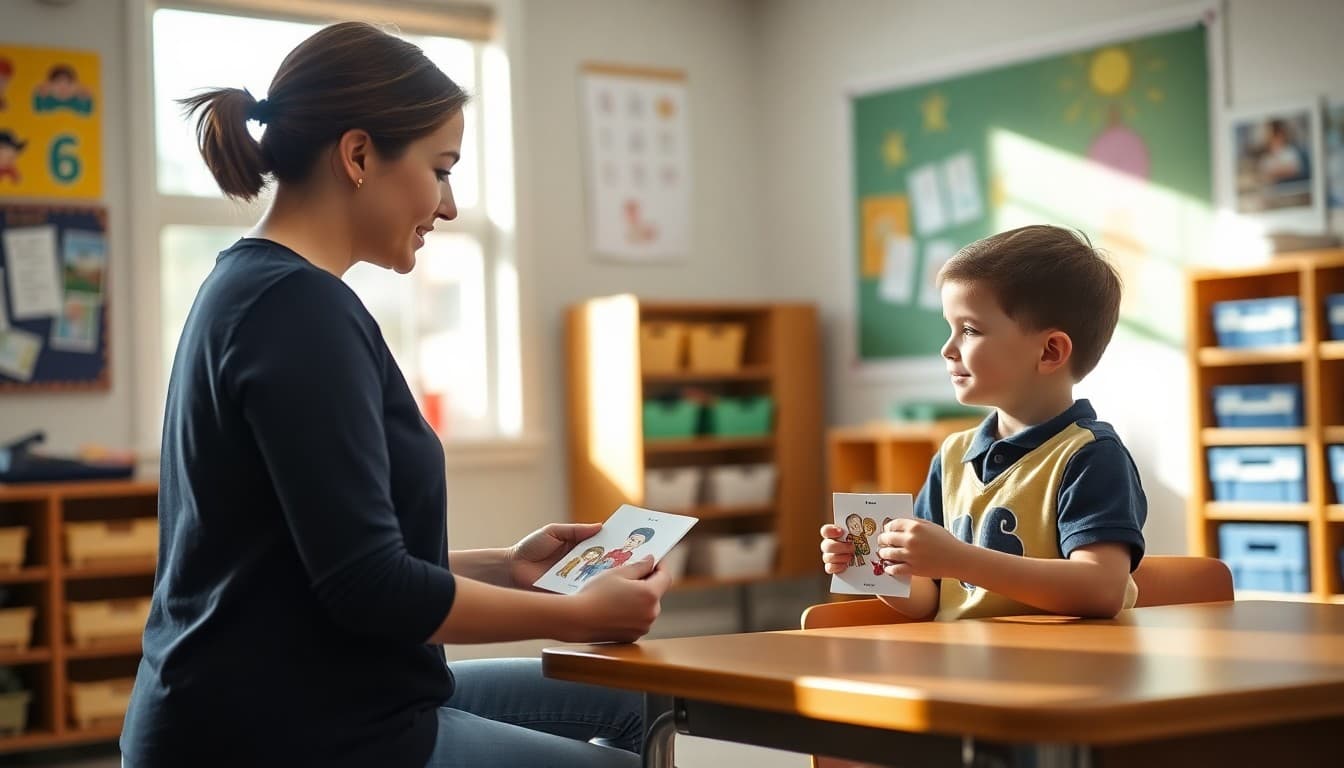
Families who have never observed a session often have no idea what speech therapy looks like. A brief description demystifies the process. "A typical session lasts 20-45 minutes, either in a small group or individually. The SLP uses structured activities, games, stories, and conversation to target the student's specific goals. Sessions are play-based for younger students and more task-based for older students. The SLP measures progress during each session and uses that data to adjust therapy strategies and report progress to families and the IEP team."
How families can support speech goals at home
Home practice is one of the most powerful factors in how quickly students make progress on speech and language goals. For articulation: practice target sounds in words during daily conversations, not in drills. Read aloud together and point out words with the target sound. For language goals: read daily, ask open-ended questions, play games that involve following verbal directions. For social communication: practice turn-taking in conversation at mealtimes. For fluency: give your student time to speak without interruption or finishing their sentences. Even five minutes of intentional practice daily makes a real difference over months.
How teachers reinforce speech goals in the classroom
Teachers play an important role in generalizing speech therapy goals from the therapy room to the classroom. Provide a language-rich environment with explicit vocabulary instruction. Model clear articulation. Allow students to answer questions and participate in discussions without time pressure. Support AAC device use according to the SLP's guidance. Communicate with the SLP about when target vocabulary or social communication goals appear naturally in classroom activities so the SLP can reinforce them in sessions.
Template: speech therapy newsletter section for families
"Speech-Language Therapy Update , [Month] This month in speech therapy, students are working on [goal area in plain language]. [2-3 sentences describing the skill and why it matters for school participation]. Practice at home: [One specific activity connected to the current goal area]. Even 5-10 minutes a few times a week makes a difference. Progress reports for students receiving speech services will be sent home by [date]. Questions? Reach [SLP name] at [email]."
Normalize speech therapy as part of the school program
Some students are embarrassed about receiving speech services. A newsletter that treats speech therapy as a normal, valuable part of what the school offers, rather than something unusual or remedial, contributes to a school culture where students are not ashamed of receiving support. This matters most for students who are old enough to notice that they leave class for a service that their peers do not have.
Daystage makes it easy to send coordinated speech therapy newsletters with embedded links to home practice resources that families can access immediately.
Get one newsletter idea every week.
Free. For teachers. No spam.
Frequently asked questions
What should a newsletter about speech therapy explain to families?
A newsletter about speech therapy should explain: what speech-language pathologists do in school settings (it is broader than just articulation), what types of goals students work on, what a typical session looks like in practical terms, how families can support communication goals at home, how often progress is reported, and how to contact the SLP with questions. Many families have only vague knowledge of what school speech therapy involves.
How should teachers describe speech therapy goals in a newsletter without disclosing confidential information?
Describe goal areas at the group level. 'Students in our program work on goals in several areas: articulation (producing speech sounds clearly), language development (vocabulary, grammar, following directions), social communication (understanding conversational rules, taking turns, reading social cues), and fluency (for students who stutter). Individual goal details are included in each student's IEP progress report.' This gives families useful context without identifying individual students.
What home practice strategies should newsletters recommend for speech therapy goals?
For articulation goals: practice target sounds in words during daily conversations. Name objects, read aloud, and point out the target sound in everyday words. For language goals: read together daily and ask open-ended questions about the story. Play board games that require following verbal directions. For social communication: practice turn-taking in conversation during family meals. For fluency: reduce time pressure in conversation and praise content rather than delivery. Even five minutes daily makes a significant difference.
How can teachers reinforce speech therapy goals in the classroom without training as an SLP?
Teachers can reinforce speech therapy goals by providing language-rich instruction, modeling clear articulation, giving students opportunities to practice target vocabulary in context, supporting AAC device use according to the SLP's guidance, allowing students to answer questions and participate in discussions without time pressure, and communicating with the SLP about when target goals appear naturally in classroom activities. Consistency between the therapy room and the classroom accelerates progress.
How does Daystage support newsletters about speech therapy from teachers and SLPs?
Daystage lets SLPs and classroom teachers send coordinated newsletters about speech therapy goals, with embedded links to home practice activity guides, ASHA family resources, and recommended apps. Families who receive a speech therapy newsletter through Daystage have links to resources they can access immediately rather than printed lists they have to search for. This increases the likelihood that families actually implement the home practice strategies shared in the newsletter.

Adi Ackerman
Author
Adi Ackerman is a former classroom teacher and curriculum writer with 8 years in K-8 schools. She writes about school communication, parent engagement, and what actually works in real classrooms.
More for Special Education
Ready to send your first newsletter?
3 newsletters free. No credit card. First one ready in under 5 minutes.
Get started free