

Speech Therapist Parent Resources Newsletter: Tools and Guides
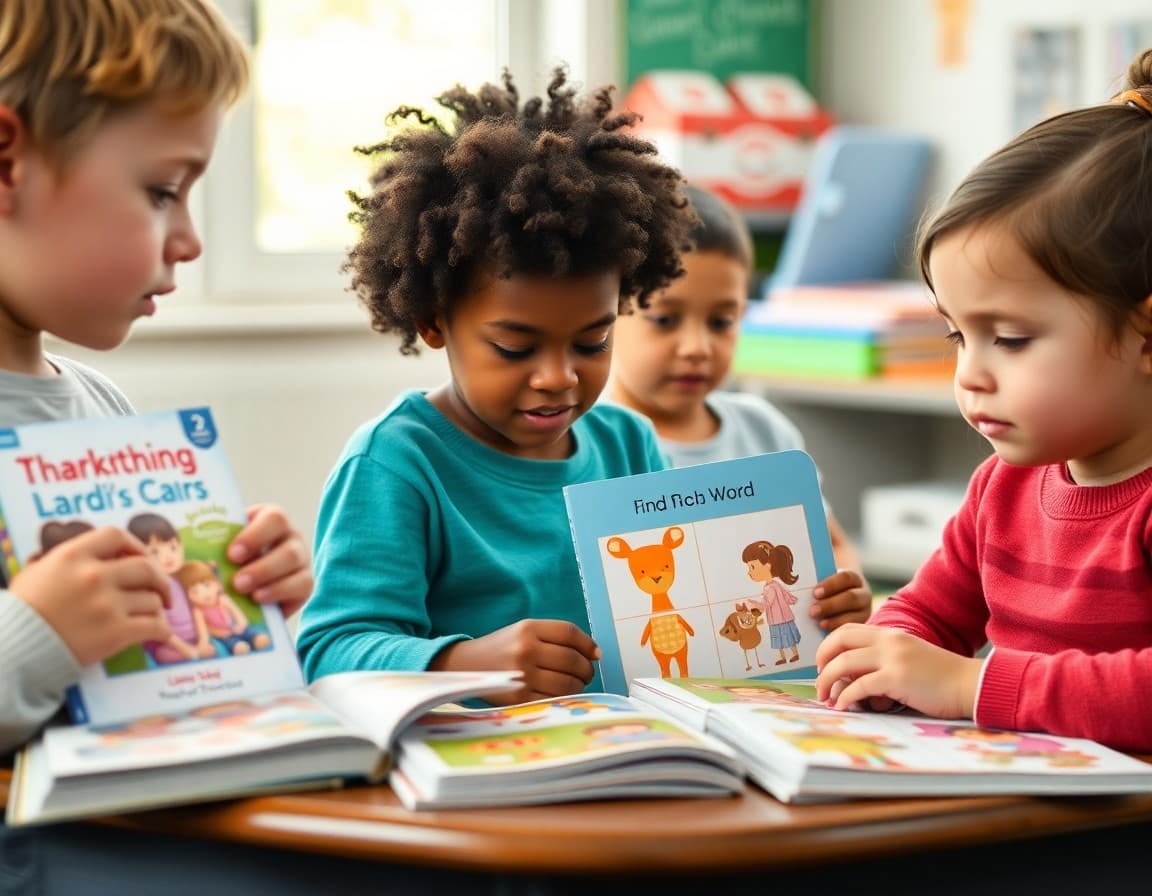
Parents want to help. When families understand that daily practice accelerates their student's progress, most are willing to try. What they need is specific guidance about what to do, not just encouragement to practice. A resources newsletter from the SLP gives families the actual tools to make home practice work, organized by goal area and accessible without any background in speech-language pathology.
Organize resources by goal area, not by diagnosis
When presenting resources to families whose students have different goals, organize by what students are working on rather than what condition they have. "Resources for articulation practice," "resources for building language and vocabulary," "resources for social communication practice," and "resources for AAC users" gives each family a clear section to look at without requiring them to see or disclose their student's diagnosis.
Free and low-cost apps that SLPs can confidently recommend
For articulation: Articulation Station (paid but comprehensive), Speech Blubs (free version available) for sound production. For language: Language Builder: Sentence Builder from Stages Learning Materials, and Endless Wordplay by Night and Day Studios. For social communication: Social Adventures (paid) and Feel Electric! for emotion recognition. For AAC-connected families: Snap Core First and TouchChat HD have demonstration modes available. Always indicate whether an app is free, freemium, or paid.
ASHA and credible online resources
The American Speech-Language-Hearing Association's public website (asha.org/public) has free, well-written guides for families on topics including language development milestones, what to expect at a speech evaluation, and how to support a child who stutters. These are credible, current, and free. Sharing a specific ASHA URL for the topic most relevant to your current caseload focus is more useful than a general "visit ASHA.org" recommendation.
Books families can use without specialized training
Recommending books should be reserved for resources that are genuinely accessible to non-professionals. "The Out-of-Sync Child" is accessible for sensory concerns. "The Explosive Child" by Ross Greene is helpful for families navigating behavior and communication challenges. "Thinking in Pictures" by Temple Grandin gives insight into autistic communication styles. For younger children, research-based read-aloud guides like "Bringing Words to Life" by Beck et al. help families support vocabulary development.
Template: SLP parent resources newsletter section
"Resources this month for families of students working on social communication: (1) Feel Electric! app (iOS and Android, free) helps students recognize facial expressions through interactive games. (2) asha.org/public/speech has an article called 'Social Communication and Pragmatics' written for families. (3) At home: try playing 'emotion charades.' Act out a feeling without speaking and have your student guess it. Then switch. This builds the skill of reading nonverbal communication cues in a game format that feels fun rather than like practice."
Daily conversation strategies that do not require any tools
The most powerful resources are not apps or books. They are conversation strategies that families can use during routines they already have. Shared book reading with open-ended questions builds vocabulary and comprehension. Narrating activities builds language in young children. Following a child's conversational lead rather than directing topics builds pragmatic skills. These strategies cost nothing and can be done every day.
Daystage makes sharing these resources easy: include links to apps, ASHA pages, and other tools directly in the newsletter so families can access them in one tap rather than searching for resources on their own.
Get one newsletter idea every week.
Free. For teachers. No spam.
Frequently asked questions
What types of resources should SLPs share with families in a newsletter?
SLPs can share apps for articulation and language practice, websites with free parent resources, books about communication development, social stories for students who need them, community programs or camps for students with communication challenges, and ASHA consumer resources. The best resources are free or low-cost, accessible without specialized training, and directly connected to the goals students are currently working on.
What free apps can SLPs recommend for articulation practice?
Speech Blubs and Articulation Station are popular articulation apps. SpeechEasy and Fluency Tracker help with fluency. For language development, Endless Wordplay and Language Builder from Stages Learning are accessible at home. For AAC support, Snap Core First and TouchChat HD have free trial versions. Most of these apps are available on iOS and Android. Always note whether an app is free or paid in your newsletter recommendation.
What ASHA resources are appropriate to share with families in a newsletter?
The American Speech-Language-Hearing Association consumer resources at ASHA.org/public are excellent for families. ASHA has fact sheets on common communication disorders, language development milestones, tips for helping children with communication difficulties at home, and guidance on what to do if a family suspects a delay. These are credible, free, and written for general audiences.
How should SLPs handle resource recommendations for different disability types?
Group resources by goal area or communication type rather than by disability label when possible. 'Resources for students working on articulation,' 'resources for students working on social communication,' and 'resources for students using AAC devices' are more useful than labeling by diagnosis. This approach also protects student privacy when a newsletter goes to the whole caseload.
How can Daystage help SLPs share resources with families?
Daystage lets SLPs include embedded links to apps, websites, and downloadable resources directly in the newsletter. Families can tap or click directly from the newsletter email to access a recommended app or website. This is significantly more effective than a text list of resource names that families have to search for separately. A resource newsletter sent through Daystage with active links gets much higher utilization than a printed resource list.

Adi Ackerman
Author
Adi Ackerman is a former classroom teacher and curriculum writer with 8 years in K-8 schools. She writes about school communication, parent engagement, and what actually works in real classrooms.
More for Special Education
Ready to send your first newsletter?
3 newsletters free. No credit card. First one ready in under 5 minutes.
Get started free