
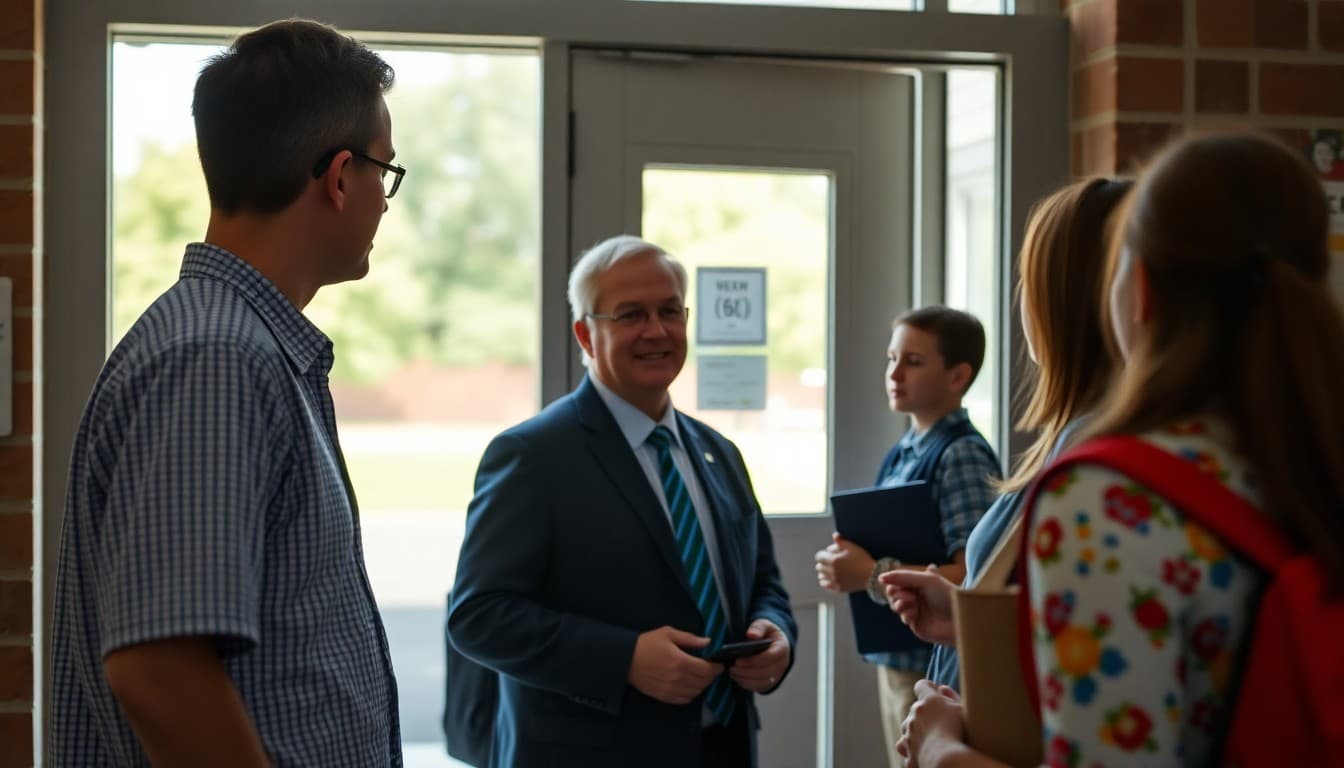
August Safety Update Newsletter for School Families
August is the right moment to set expectations with families before the year begins. A clear safety update newsletter sent before the first day tells families exactly what to expect, reduces confusion at drop-off, and reinforces that the school takes safety seriously as a year-round practice, not just a response to incidents.
Why August Is the Best Time for a Safety Update
Families are paying attention in August. They are reviewing school supplies lists, filling out forms, and mentally preparing for the transition. A safety newsletter sent now lands in an attentive inbox. The same message sent in October, buried between field trip permission slips and fundraiser notices, gets far less attention.
Cover Visitor and Entry Procedures
Explain your current visitor policy clearly. Describe where parents should enter, what ID they need to bring, and how the check-in process works. If you have added a new buzzer system, camera, or badge printer since last year, mention it specifically. Families who know what to expect move through entry faster and with less friction.
Describe Drop-Off and Pick-Up Safety Rules
Traffic around schools is one of the most consistent daily safety concerns. Outline the designated drop-off zones, the times that work best, and what happens if a parent arrives outside those windows. If a child is not picked up by a certain time, describe the procedure. Families appreciate knowing exactly what will happen in edge cases.
Announce Upcoming Safety Drills
Let families know that lockdown, fire, and severe weather drills are scheduled throughout the year. Share the approximate timing of the first drill so parents can prepare younger children who may find drills stressful. Explain that teachers are trained to handle student anxiety during drills and that follow-up conversations at home can help.
Update Emergency Contact Information
Ask families to verify their emergency contacts before the first day of school. Include the deadline for submitting updates and the form or link they need to use. Outdated contacts are one of the most common obstacles in a real emergency, and a direct reminder in August typically produces better response rates than a generic back-to-school packet.
Introduce New Safety Staff or Protocols
If you have a new school resource officer, a new counselor, or a new reporting system, introduce them here. A name and a brief description of their role builds familiarity. Families are more likely to trust and use safety resources when they know who is responsible for them.
Share Mental Health and Reporting Resources
Include a short paragraph about how the school handles mental health concerns and how students or parents can report worries confidentially. If your district uses an anonymous tip line, include the number or link. Covering mental health alongside physical safety signals that your approach is comprehensive.
Make the Newsletter Easy to Act On
Every safety newsletter should include at least one clear action item for families: update emergency contacts, review the attached safety card, or save the school office number. Newsletters that only inform without prompting action get skimmed and forgotten. Using Daystage, you can embed forms, links, and action buttons directly in the newsletter so families can complete the steps without hunting for a separate website.
An August safety update newsletter done well does more than share information. It builds the trust that makes families cooperative partners when an actual safety situation arises. Start the year by communicating clearly, and families will respond in kind throughout the year.
Get one newsletter idea every week.
Free. For teachers. No spam.
Frequently asked questions
When should schools send an August safety update newsletter?
Send it one to two weeks before school starts. Families need enough time to review procedures, update emergency contacts, and prepare their children for any new protocols. Sending too close to the first day means many families will miss it entirely.
What should an August safety newsletter include?
Cover visitor sign-in procedures, drop-off and pick-up rules, lockdown and evacuation drill schedules, emergency contact update deadlines, and any new security equipment or staff. Also include who to call for safety questions.
How do you strike the right tone in a safety newsletter?
Be direct and informative without creating alarm. State the facts, explain what each procedure protects against, and reassure families that these are standard practices across districts. Avoid vague language that leaves parents guessing.
Should the safety newsletter address mental health protocols?
Yes. A brief mention of counseling resources and how the school responds to mental health concerns shows families a complete picture of your safety approach. It also reduces stigma around students seeking help.
What tool makes it easy to send a formatted safety newsletter?
Daystage lets you build a professional August safety update newsletter with sections for each protocol, embedded links to forms, and one-click delivery to all school families. Templates designed for school communications save significant preparation time.

Adi Ackerman
Author
Adi Ackerman is a former classroom teacher and curriculum writer with 8 years in K-8 schools. She writes about school communication, parent engagement, and what actually works in real classrooms.
More for School Safety
Ready to send your first newsletter?
3 newsletters free. No credit card. First one ready in under 5 minutes.
Get started free