
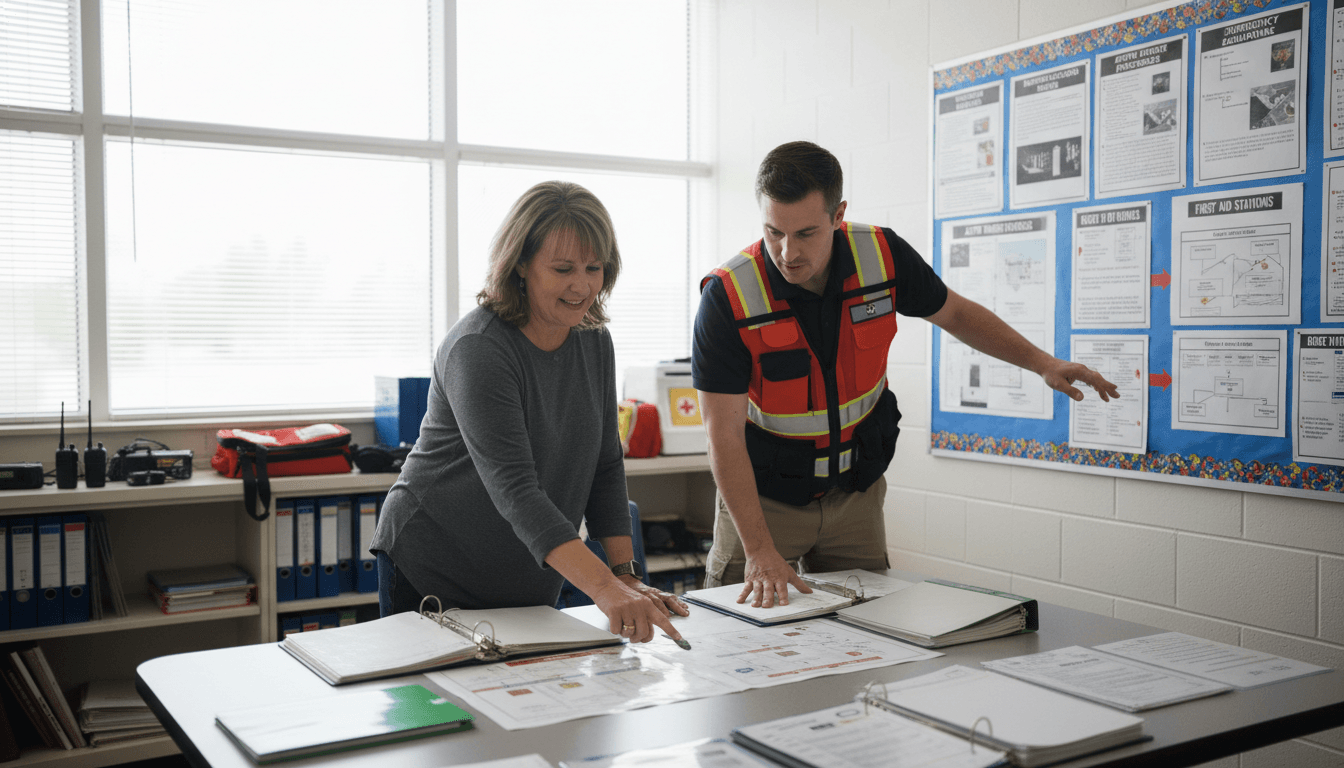
Lockdown Drill Communication Newsletter: What to Tell Families Before, During, and After
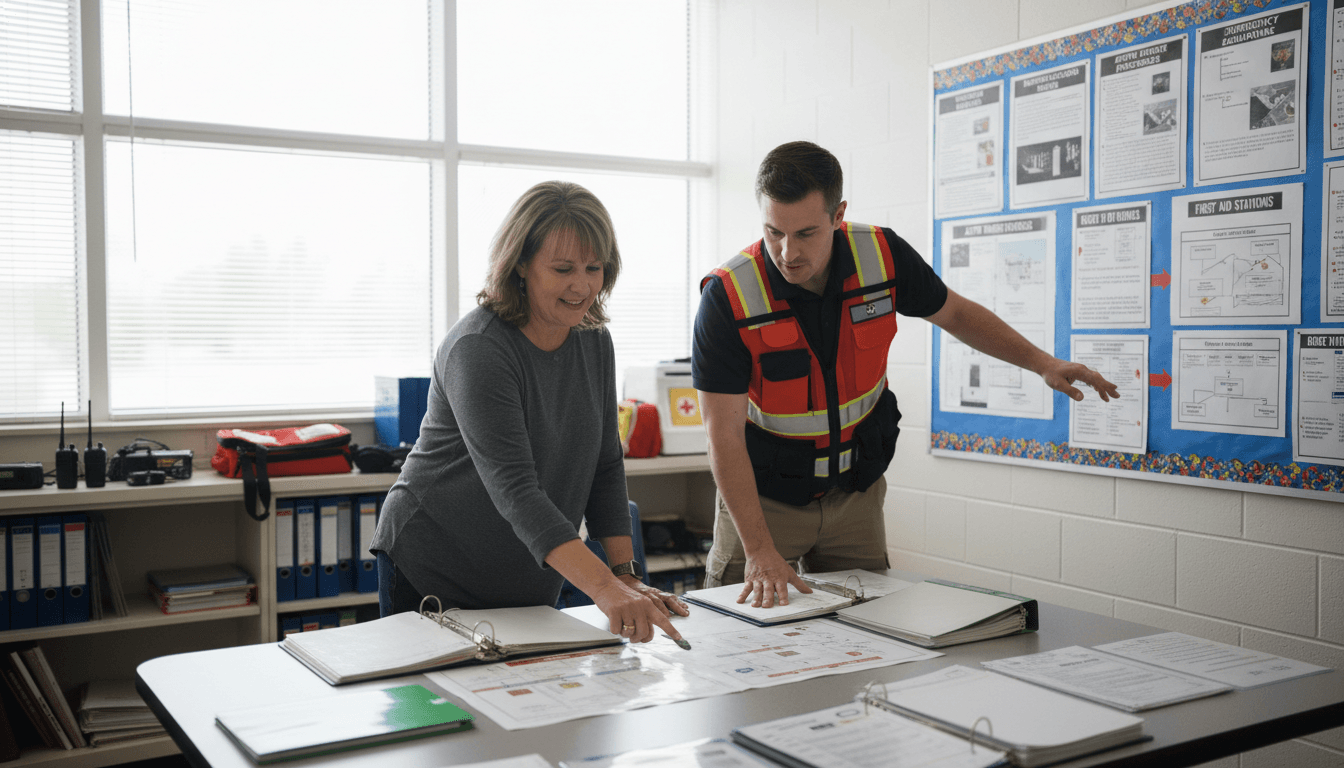
Lockdown drills are one of the most anxiety-provoking elements of the school year for students, families, and staff. They are also necessary. The goal of communication is not to eliminate that tension but to manage it responsibly by ensuring everyone has the information they need to participate in the drill without being traumatized by it.
The Case for Advance Notification
The argument against advance notification is that real emergencies are not announced. That is true. But school safety practice is now clear that for most drills, the benefits of advance notification outweigh the benefits of surprise. Students who know a drill is scheduled take it seriously. Students who experience an unannounced lockdown drill are more likely to experience genuine fear responses that interfere with learning for days after the drill.
Advance notification does not make the drill less effective. It makes it safer for the students and families who have prior trauma histories.
What to Include in the Pre-Drill Newsletter
Start with the fact of the drill: when it is occurring and what type of drill it is. Then explain in simple terms what students will do during the drill. This does not need to be detailed. "Students will follow their teacher's guidance to move to a secure area of the classroom and remain quiet until the all-clear signal is given" is sufficient.
Address student anxiety directly. Many students have absorbed news coverage of school violence and may not be able to separate a drill from a genuine emergency when it is happening. Acknowledge this in the newsletter and give families language to use with their children.
Remind families how emergency communication works. What platform the school uses. What a real emergency message would say. What families should and should not do during a genuine lockdown.
The Post-Drill Newsletter
Send a brief post-drill communication the same day or the next morning. Confirm that the drill was completed. Note one or two things that went well. If the drill revealed a gap that will be addressed, name it without creating alarm. Acknowledge that some students may have had strong emotional responses and provide the school counselor's contact information.
Supporting Anxious Students
Every drill communication should reference support for students who are anxious about drills. Some students, particularly those with prior trauma exposure or anxiety disorders, need additional preparation and support. The newsletter should tell families specifically what they can request from the school for their child before the next drill.
Get one newsletter idea every week.
Free. For teachers. No spam.
Frequently asked questions
Should schools notify families before a lockdown drill?
Yes, for most drills. While some argue that surprise drills are more realistic, the research on student trauma and anxiety supports advance notification. Students who know a drill is coming can mentally prepare. Students who experience an unexpected lockdown drill may have genuine trauma responses that affect them for weeks. Most school safety experts now recommend advance notification.
What should a pre-drill newsletter say?
Explain that a lockdown drill will occur, what day or week it is scheduled, what students and staff will do during the drill, and how to support a child who feels anxious about the drill. Include a sentence about why drills matter and a note about how to reach the school if a family has concerns.
What should a post-drill newsletter say?
Confirm the drill occurred, note that it went well or describe what was learned, and remind families of the support resources available for students who felt anxious during the drill. Include a brief note about the next steps in the safety program.
How do you communicate about lockdown drills without alarming families unnecessarily?
Ground the communication in preparation, not in threat. 'We practice lockdown procedures for the same reason we practice fire drills: to ensure everyone knows what to do if an emergency occurs' normalizes the practice without minimizing its significance. Avoid vivid threat language in family communications.
How does Daystage help schools send drill notifications?
Principals use Daystage to send pre-drill and post-drill newsletters with a consistent format that families recognize. The consistent structure reduces the cognitive load of writing safety communications during an already busy week.

Adi Ackerman
Author
Adi Ackerman is a former classroom teacher and curriculum writer with 8 years in K-8 schools. She writes about school communication, parent engagement, and what actually works in real classrooms.
More for School Safety
School Traffic Safety Newsletter: Communicating Arrival and Dismissal Safety to Families Who Drive and Walk
School Safety · 5 min read
Fentanyl Awareness Parent Newsletter: What Every School Family Needs to Know Right Now
School Safety · 7 min read
School Climate and Safety Survey Newsletter: Communicating Survey Findings and Building Trust
School Safety · 5 min read
Ready to send your first newsletter?
3 newsletters free. No credit card. First one ready in under 5 minutes.
Get started free