
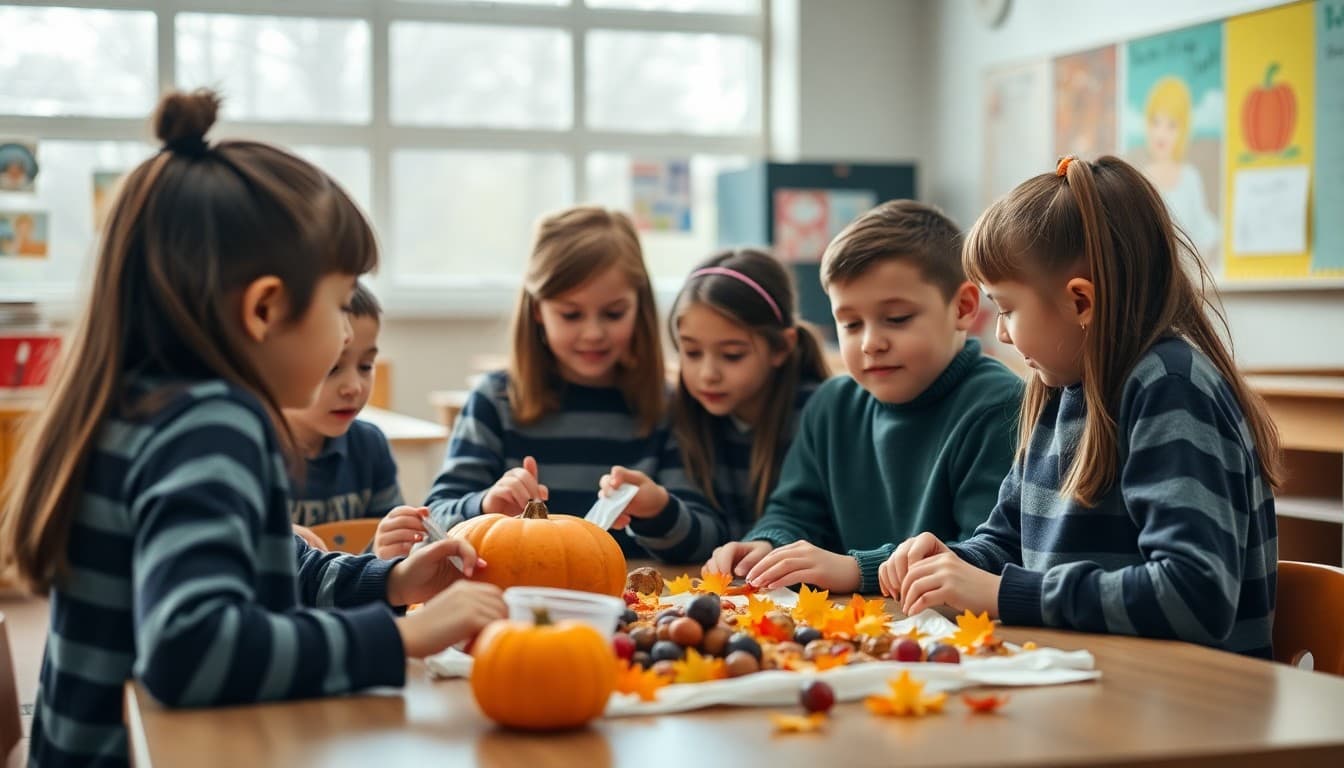
November Friendship Skills Newsletter for School Families
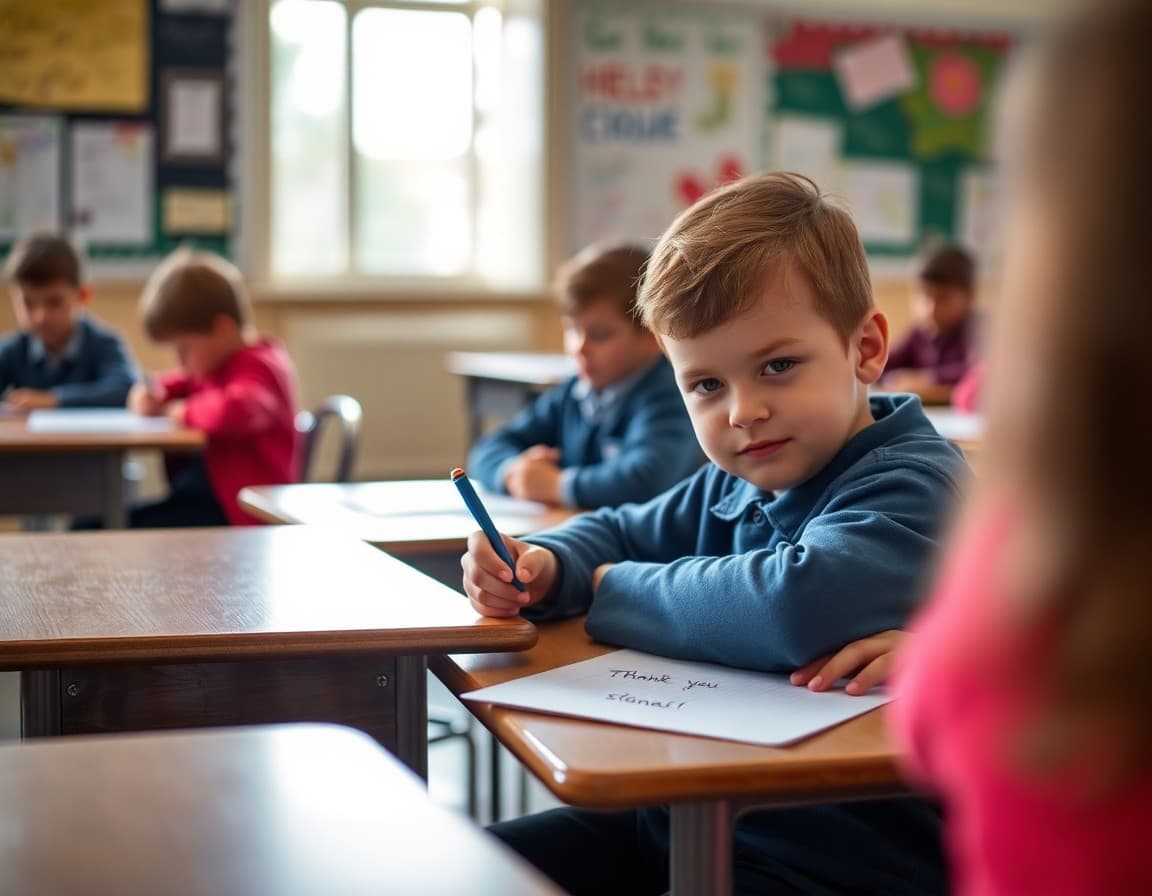
November arrives with a built-in cultural theme: gratitude. For school counselors, that theme is a natural bridge to friendship skills. Teaching students to notice and express appreciation for the people in their lives is not just a Thanksgiving activity. It is one of the most effective social tools you can give them.
Why November Is a Hard Month for Friendships
By November, the social stamina of the first semester is wearing thin. Students who started the year as close friends have now lived through two months of daily proximity, and the small irritations are adding up. Conflict rates often rise in November and December before school breaks, partly from fatigue and partly from the social stress that the holidays themselves introduce. Your newsletter can give families a heads-up about this pattern and help them prepare their children for it.
Gratitude as a Friendship Practice
Research on positive psychology consistently shows that expressing gratitude to others strengthens relationships and increases wellbeing for both parties. In November, give students and families a concrete way to do this: write a three-sentence note to a friend or classmate telling them something specific you appreciate. Not "you're nice" but "I appreciate that you saved me a seat last week when I was running late." Specificity is what makes gratitude land as genuine rather than obligatory.
Maintaining Friendships Across Breaks
Thanksgiving break is the first test of whether a student's school friendships survive outside of school. Some friendships are entirely context-dependent and dissolve the moment the shared context disappears. Help families understand that a child who does not have a sleepover during break has not lost their friends. But families can actively support friendships by arranging one low-key connection: a shared activity, a video call, or even a simple text exchange that maintains the thread.
Conflict Before the Break
The week before Thanksgiving break often sees a spike in friendship conflict. Students are tired, anticipating a change in routine, and sometimes acting out the stress they feel at home around the holidays. Give families language to help their child navigate pre-break conflict without burning down a friendship: "Maybe this is a good time to take a break from each other for a few days. You can catch up after the holiday." Sometimes a break is genuinely what a friendship needs.
Teaching Kindness as a Habit, Not an Event
November's kindness focus sometimes reduces to a one-week campaign that has no lasting impact. Your newsletter can help families take a different approach: make one specific kind gesture per day for the rest of November. Not grand gestures but small ones. Holding a door, complimenting a classmate's work, inviting someone who is alone to join a group. Habits formed through small repeated actions are more durable than any single awareness event.
Friendships Across Differences
November is also a good time to address cross-cultural friendships, which can face additional strain during holidays that not all families celebrate the same way. Give students and families permission to acknowledge that their peers celebrate Thanksgiving, or any other November holiday, differently. Curiosity about those differences is the foundation of genuine cross-cultural connection, and it is a friendship skill worth explicitly teaching.
What Classroom Guidance Covers in November
Tell families what your November guidance lessons include. If you are covering gratitude practices, conflict resolution, or community-building activities, say so. When families know what you are teaching, they can reinforce it at home with a "What did you talk about in guidance today?" conversation that extends the lesson beyond the classroom door.
Staying Consistent Through the Holiday Stretch
November and December are the two months most counselors skip their newsletter because they are busy. That inconsistency is exactly when families disengage from the habit of opening it. If you use Daystage, build your November and December issues in October and schedule them both while you have the momentum. Your readership will stay intact through the holiday season, and January will not feel like starting over.
Get one newsletter idea every week.
Free. For teachers. No spam.
Frequently asked questions
How does gratitude connect to friendship skills in November?
Gratitude is one of the most evidence-based ways to strengthen social bonds. When students express appreciation for their friends, it deepens the relationship for both the giver and the recipient. November's natural focus on thankfulness gives counselors a culturally resonant entry point for this conversation.
What friendship challenges show up in November?
Pre-break social fatigue is real. Students who have been together since August are sometimes at each other's nerves by November. Conflict rates often rise before school breaks. Your newsletter can help families prepare their children for this dynamic and give them strategies to maintain their friendships through a difficult social stretch.
How can families use the holidays to support their child's social development?
Invite a classmate for a holiday activity outside of school. Encourage your child to write a short note of appreciation to a friend or teacher. These actions reinforce positive social bonds and give students who are more naturally introverted a structured way to express connection.
What if a student does not feel they have any friends to be grateful for?
This is worth a counselor conversation. A student who feels genuinely friendless by November has been struggling for most of the semester. Referral to a social skills group, observation during unstructured time, and a plan for social re-engagement are all appropriate next steps.
How do counselors keep newsletter engagement high heading into the holiday season?
Daystage open-rate data helps counselors see when families are disengaging so they can adjust subject lines or content themes. A Thanksgiving-themed friendship newsletter with a gratitude activity attached often outperforms standard issues because it gives families something to do together.

Adi Ackerman
Author
Adi Ackerman is a former classroom teacher and curriculum writer with 8 years in K-8 schools. She writes about school communication, parent engagement, and what actually works in real classrooms.
More for School Counselors
Ready to send your first newsletter?
3 newsletters free. No credit card. First one ready in under 5 minutes.
Get started free