
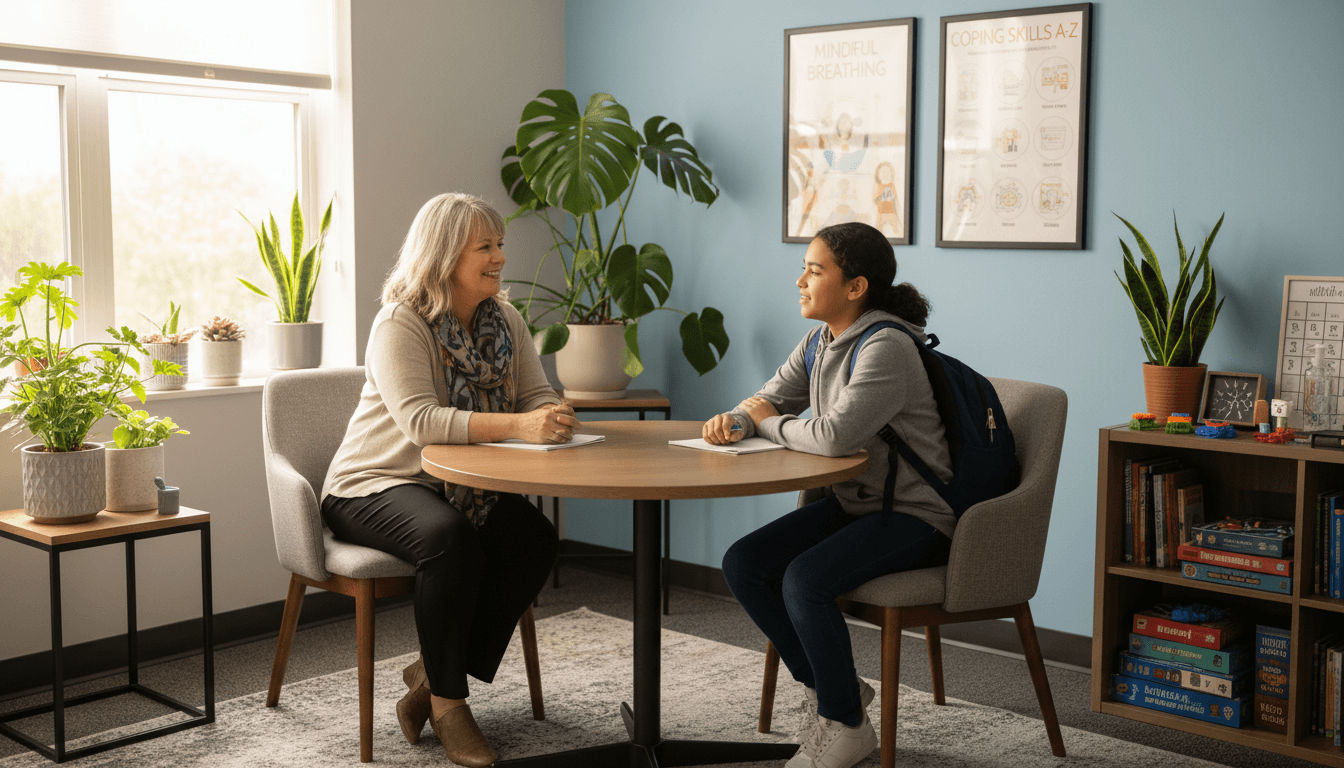
School Counselor Friendship Skills Newsletter for Families
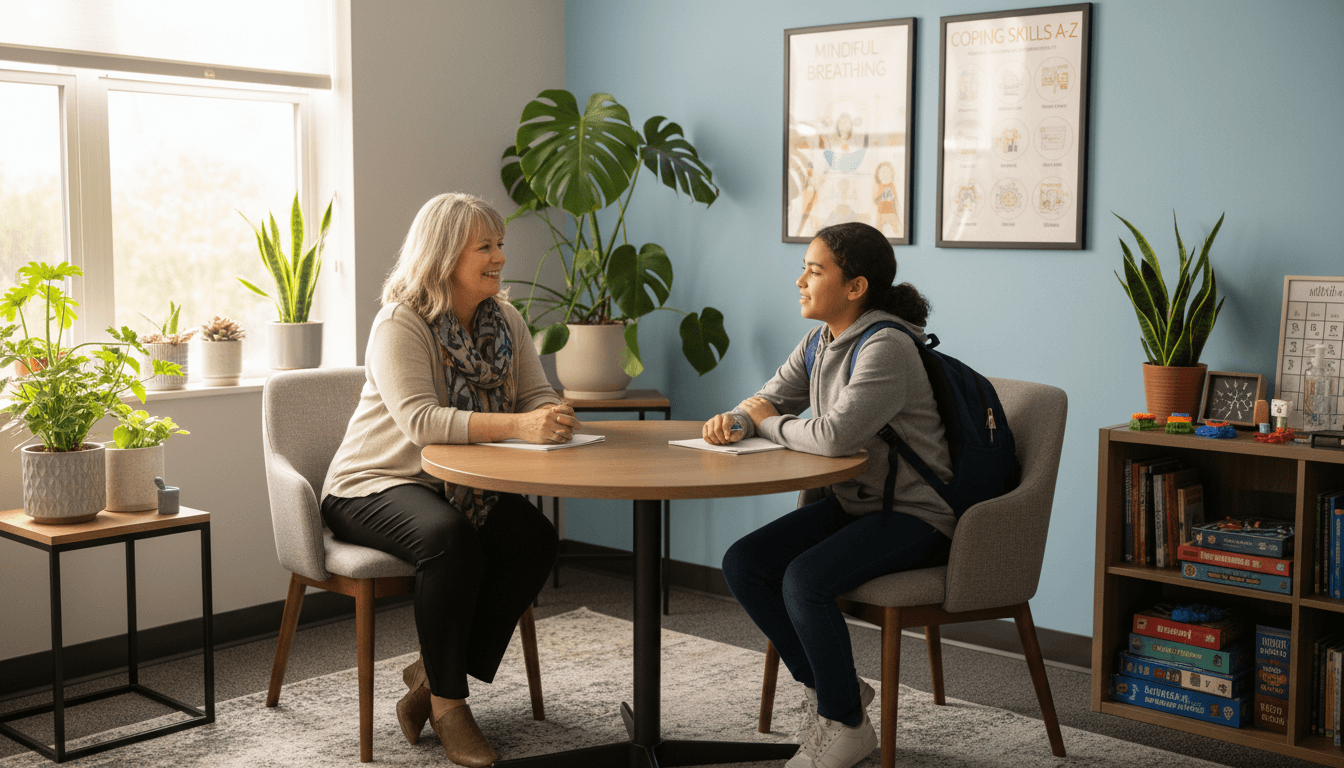
Friendship is not incidental to school. It is central to how students experience it. A student with strong peer connections feels safer, more engaged, and more willing to take academic risks. A student who is isolated experiences school differently, and often performs differently. Your newsletter is an opportunity to help families understand the social skills that make friendship possible and to support students who need explicit instruction in them.
Name the skills friendship requires
Friendship does not happen automatically. It requires specific skills that some students develop easily and others need to learn explicitly. Initiating: approaching someone and starting a conversation. Sustaining: listening, asking follow-up questions, showing genuine interest. Repairing: knowing how to come back after a conflict without either aggression or complete withdrawal. These are teachable skills, not personality traits.
Explain what normal social difficulty looks like by age
Many families worry when their child mentions a social conflict without knowing whether it is typical development or something to address. Give them context. Elementary students frequently argue, fall out, and reconnect within days. Middle school students navigate shifting loyalties and exclusion as part of identity formation. High school students deal with more complex relational dynamics including romantic feelings and deeper friendship expectations. Normal does not mean painless.
Help families coach rather than rescue
When a student comes home upset about a social situation, the natural parental instinct is to fix it. Call the other parent. Go to the teacher. Remove the obstacle. This approach, while well-intentioned, prevents students from developing the skills they need. Give families a coaching script instead. "What happened? What do you think you could do? What might the other person be feeling?" These questions develop perspective-taking and problem-solving without taking the situation away from the student.
Address the student who feels consistently left out
Some students are not just navigating normal social friction. They are genuinely isolated, and that isolation carries real consequences for wellbeing and academic engagement. Tell families the signs to watch: consistent reluctance to go to school, no mention of any peers, visible sadness after school, or direct statements about having no friends. These signals warrant a conversation with the counselor, not just reassurance that things will get better.
Name the support available at school
Close with what you offer. Friendship groups. Individual counseling for students who struggle socially. Classroom guidance lessons on peer relationships. Lunch buddy programs. Families who know these resources exist can connect their child to them. Families who never knew they were available cannot.
Get one newsletter idea every week.
Free. For teachers. No spam.
Frequently asked questions
What friendship skills should a school counselor newsletter cover?
Initiating contact without fear of rejection, reading social cues, maintaining conversations through listening and follow-up questions, repairing after a conflict, and knowing the difference between a friendship and a situation where one person is consistently taking without giving.
How do you address the student who says they have no friends in a newsletter?
Gently and specifically. Isolation is painful and parents who hear it need concrete next steps. Suggest reaching out to the counselor for individual or group support, and give families specific conversation starters to use at home. The newsletter should also normalize that many students feel this way at various points.
Should the newsletter differentiate by age group?
If possible, yes. Elementary friendships revolve around shared play. Middle school friendships navigate identity and loyalty. High school friendships involve deeper emotional disclosure and more complex social networks. A newsletter written for the specific grade band your students are in is more useful than a generic message about the importance of friendship.
How do you help families support social development at home without overinvolving themselves?
Teach families the difference between coaching and rescuing. Coaching is asking questions that help a student think through a social situation. Rescuing is solving the situation for them. Adolescents in particular need to navigate social difficulties themselves, with guidance available, not intervention as the default.
How does Daystage help counselors reach families about peer relationships?
Daystage makes it easy to send regular newsletters on social development topics so families receive consistent, proactive guidance rather than only hearing from the counselor when something goes wrong.

Adi Ackerman
Author
Adi Ackerman is a former classroom teacher and curriculum writer with 8 years in K-8 schools. She writes about school communication, parent engagement, and what actually works in real classrooms.
More for School Counselors
Substance Prevention Newsletter from School Counselor for Families
School Counselors · 6 min read
Attendance and Truancy Newsletter from School Counselor
School Counselors · 6 min read
School Counselor FAFSA and Financial Aid Newsletter: What Every Senior Family Needs to Know
School Counselors · 6 min read
Ready to send your first newsletter?
3 newsletters free. No credit card. First one ready in under 5 minutes.
Get started free