
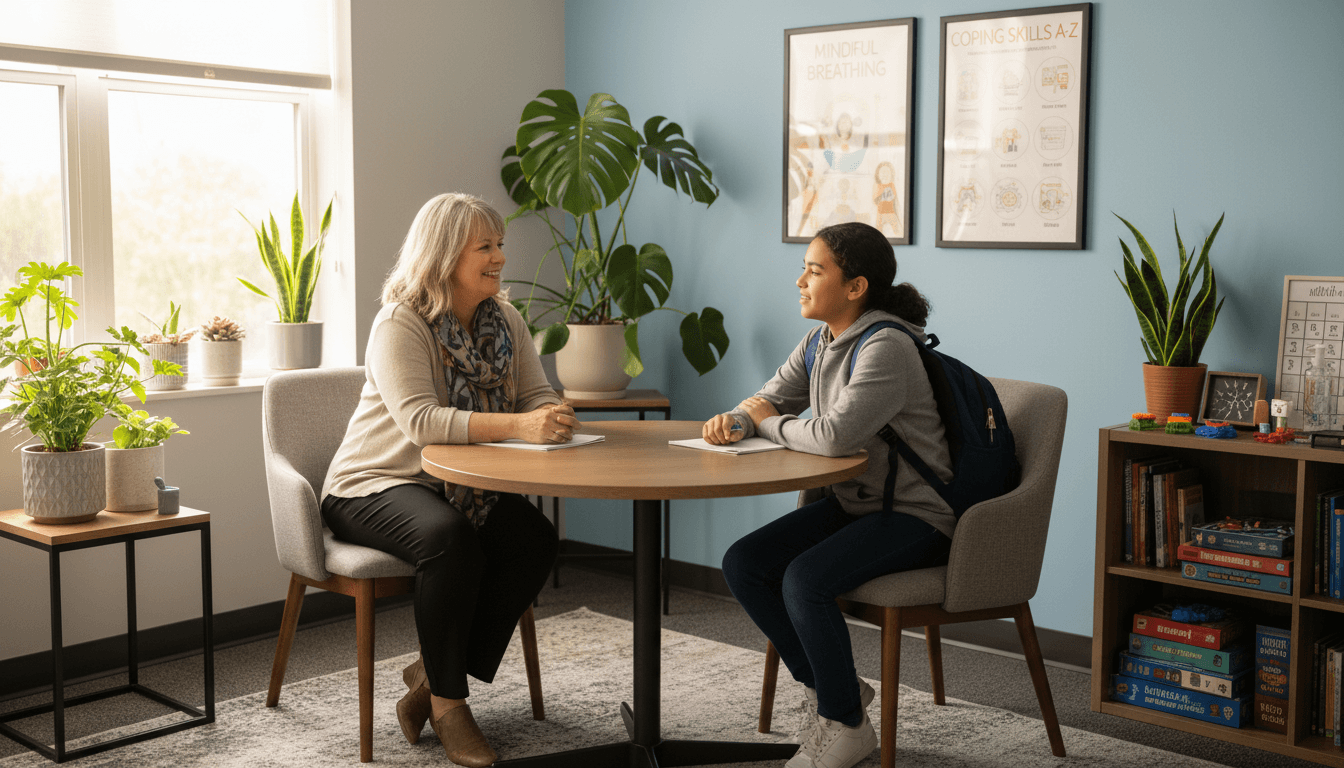
Social-Emotional Learning Newsletter from School Counselor
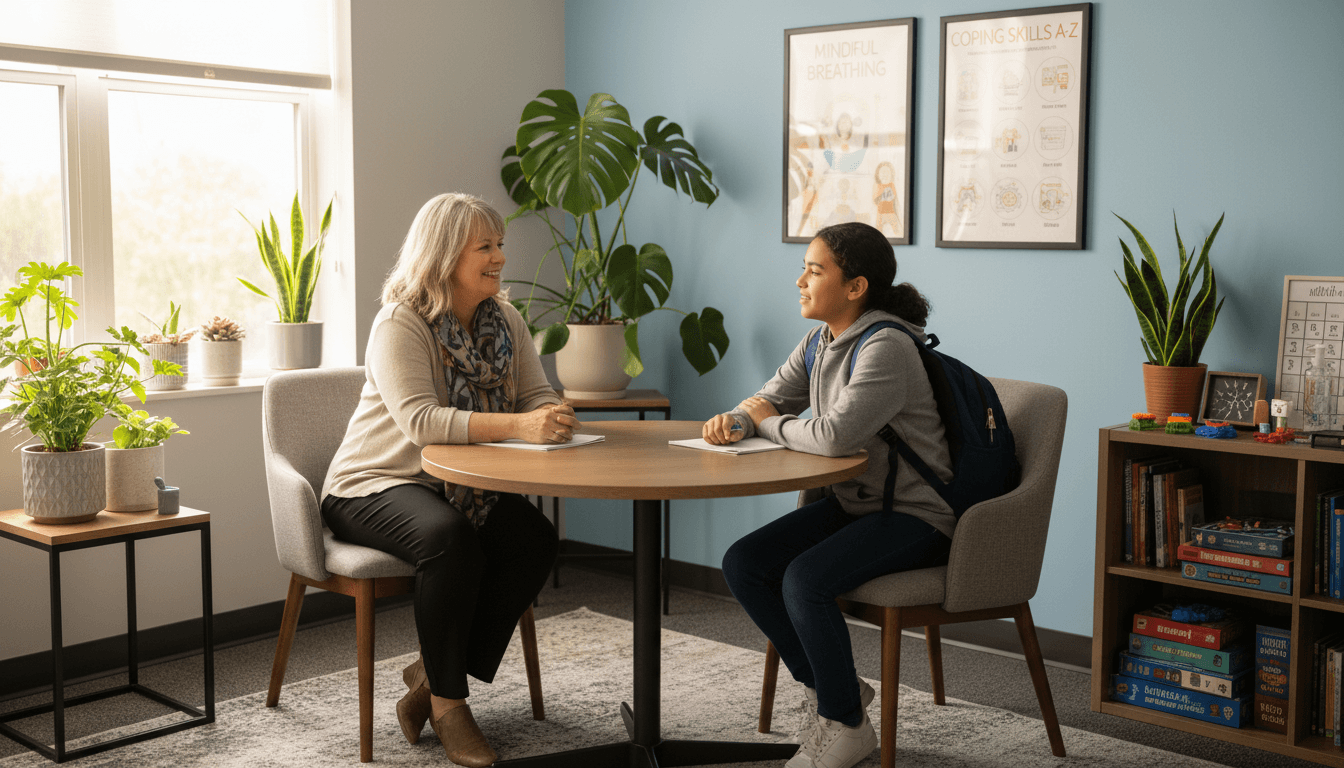
Social-emotional learning lessons happen at school, but the skills students need to practice are the ones that show up at home. Managing frustration during homework. Navigating a conflict with a sibling. Handling disappointment when something does not go the way they hoped. A counselor newsletter on SEL topics is the bridge between what you teach in the classroom and what families can reinforce every day.
Here is how to write it so it actually gets used.
Translate SEL language into real situations
The five CASEL competency areas are meaningful to school staff but invisible to most families. If your newsletter leads with "this month we are working on responsible decision-making," parents do not know what to do with that. Translate it.
"This month students are practicing how to think about a choice before they make it, especially in moments when they are angry or frustrated. We practice stopping, naming the feeling, and thinking through what might happen next. Here is how you can practice this at home."
That is the same competency, described in language a parent can use.
Give one actionable thing per newsletter
The most effective SEL newsletters do not give families a menu of strategies. They give one specific thing to try this week. A question to ask. A phrase to use. A game to play at dinner. One thing.
Parents who try one thing and see it work will read your next newsletter. Parents who get a list of ten ideas will save it, forget about it, and open it six months later having done none of them.
Connect the skill to something happening this month
SEL content that is tied to a current stressor or event lands better than generic skill instruction. Before a school performance or sporting event, write about managing nerves and performance anxiety. Before winter break, write about handling transitions and changes in routine. Before spring testing, write about self-regulation under pressure.
The skill stays the same. The context makes it feel relevant and timely.
Age-appropriate framing matters
The way you write about SEL for kindergarten families should be noticeably different from how you write for high school families. Elementary families want simple activities and vocabulary they can use with young children. Middle school families want to understand what is developmentally normal and how to talk about feelings with a kid who is pulling away. High school families want to know how to stay connected and when to be concerned.
If you serve multiple grade levels, either write separate newsletters or write each SEL section with a clear grade-level label. "For families of 3rd-5th graders" followed by grade-appropriate content gives everyone what they need.
What to do when families push back on SEL
Some families in some communities are skeptical about social-emotional learning in schools. If that is true in your building, write about the skills, not the program. Do not lead with "our SEL curriculum." Lead with "here is what we are teaching students about handling conflict." The skills themselves are hard to argue with. The label sometimes is not.
Make the newsletter yours
The most-read counselor newsletters have a consistent voice. Families should recognize that it is from you within the first paragraph. Use the same structure every month so families know what to expect. Over time, consistency builds trust, and trust is what gets your newsletter opened even on a busy Tuesday night.
Get one newsletter idea every week.
Free. For teachers. No spam.
Frequently asked questions
How do you explain SEL to families in a newsletter without using jargon?
Skip the acronym and describe what students are actually working on. Instead of 'our SEL curriculum focuses on self-management competencies,' write 'this month students are practicing what to do when they feel frustrated before acting on it.' Parents recognize the second description because they see it at home.
What SEL topics work best in a counselor newsletter for families?
Self-awareness, managing feelings, handling conflict, making responsible choices, and building empathy all translate well to home conversations. The most engaging topics are the ones that connect directly to what parents are dealing with at the dinner table: sibling conflict, homework frustration, peer pressure.
How do you get families to actually use the SEL skills you cover in the newsletter?
Give them one concrete action, not a list of strategies. A parent who reads 'try this question at dinner tonight' is far more likely to do it than a parent who reads 'there are many ways you can reinforce SEL skills at home.' Specificity drives action.
How long should the SEL section of a counselor newsletter be?
150 to 200 words. Cover what skill students are working on, why it matters developmentally at this age, and one thing parents can do at home. That is enough to be useful without losing readers who are skimming.
Does Daystage work for a counselor who wants to send monthly SEL newsletters to families?
Daystage is a good fit. You set up your newsletter format once with the sections you always use, and each month you fill in the new SEL topic and content. The consistency helps families recognize your newsletter and builds the habit of opening it.

Adi Ackerman
Author
Adi Ackerman is a former classroom teacher and curriculum writer with 8 years in K-8 schools. She writes about school communication, parent engagement, and what actually works in real classrooms.
More for School Counselors
School Counselor Foster Care Support Newsletter
School Counselors · 6 min read
School Counselor Outside Therapy Referral Newsletter: When and How to Connect Students With Professional Support
School Counselors · 6 min read
School Counselor Study Skills Newsletter: Practical Strategies Families Can Use Tonight
School Counselors · 6 min read
Ready to send your first newsletter?
3 newsletters free. No credit card. First one ready in under 5 minutes.
Get started free